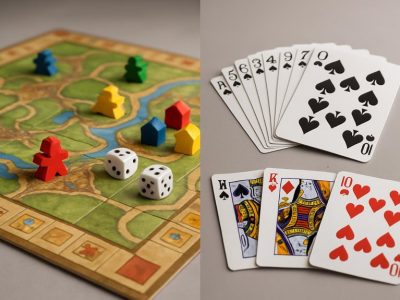
Picture this: a group of friends huddled around a board game, laughter echoing through the room, while just outside, a soccer match unfolds with players sprinting across the field, every move calculated yet instinctive. Both scenes brim with excitement and competition, but have you ever paused to wonder what truly sets games apart from sports?
While you might use the terms interchangeably, the distinction between games and sports goes beyond mere semantics. It’s about purpose, structure, and even the physical or mental effort involved. Understanding these differences not only deepens your appreciation for both but also sheds light on how they shape culture, teamwork, and personal growth.
Whether you’re a casual gamer or an avid sports enthusiast, exploring these nuances can transform the way you view these activities and their role in connecting people. So, what really makes a game a game and a sport a sport? Let’s immerse.
Understanding Games And Sports
Games and sports encompass various activities that captivate human interest through challenges, skills, and competition. While often linked by their entertainment value, these terms signify distinct engagements with unique attributes.
Definition Of Games
Games refer to structured activities designed primarily for enjoyment, mental engagement, and strategy. They often involve rules, objectives, and players seeking victory through cunning or cooperation. Examples include chess, video games, and card games. Unlike sports, games may focus more on intellectual prowess than physical agility. Board games like Monopoly test negotiation and financial skills, while online games encourage strategic planning and adaptability.
Not all games require physical exertion, though some blend physical and mental elements. Capture the Flag, for instance, includes elements of physical movement combined with team-based tactics. Games frequently foster creativity and problem-solving, offering diverse experiences suited to various interests.
Definition Of Sports
Sports denote physical activities requiring skill, training, and competitive spirit. They typically include rules overseen by regulatory bodies to ensure fair play. Examples include basketball, soccer, and tennis. Sports often demand significant physical endurance, agility, or strength, distinguishing them from non-physical games. Track events, such as sprinting or long-distance running, focus on an athlete’s physical abilities without strategic gameplay.
Sports promote teamwork, discipline, and personal fitness. Team sports like baseball enhance collaboration, while individual ones like gymnastics showcase technical skill and artistic expression. While games may use virtual or tabletop environments, sports thrive on physical arenas and active participation.
Key Differences Between Games And Sports
Distinguishing games from sports reveals varying levels of physical activity, participation types, and overarching purposes. Understanding these elements provides clarity in recognizing their distinct roles.
Physical Activity And Skill
Sports involve significant physical exertion, requiring endurance, strength, and agility. Activities like basketball, soccer, and track demand physical fitness alongside skilled performance. Conversely, games prioritize mental engagement or strategy over physicality. Chess, for example, emphasizes critical thinking and foresight rather than athletic prowess.
Individual Vs Team Participation
Sports often blend individual and team-based formats. Tennis highlights individual skill, while sports like football rely on collective teamwork for success. Games can mirror this dynamic. Solo pursuits like solitaire contrast with multiplayer video games, fostering collaboration and competition.
Formal Rules And Regulations
Sports adhere to standardized rules enforced by governing bodies, ensuring fairness. Football’s offside rules or basketball’s foul regulations exemplify structured play. Games are more flexible, with rules modified based on player preferences. Monopoly or family card games adapt based on those involved, reflecting less rigidity.
Recreation Vs Competition
Games focus on entertainment, relaxation, or learning. Trivia games, for instance, spark curiosity rather than rivalry. Sports emphasize competition, challenging participants to achieve personal or team victories, such as winning a marathon or league title.
Examples Of Games And Sports
Games and sports differ not only in purpose but also in their global popularity and cultural significance. Recognizing these examples can help you understand their unique roles in entertainment, competition, and community building.
Popular Games Around The World
Board games like chess and Monopoly captivate players with their mix of strategy and chance. Chess, dating back over 1,500 years, remains a global symbol of intellect and strategic thinking. Monopoly, created in 1935, fosters negotiation skills and financial planning during its gameplay.
Video games dominate the digital world, drawing billions of players worldwide. Titles like Fortnite and Minecraft turn virtual realms into competitive or creative spaces. Fortnite’s rapid battles test reflexes, while Minecraft encourages exploration and problem-solving.
Card games such as poker and Uno showcase varied play styles. Poker combines skill, psychology, and chance, making it a tournament staple, while Uno brings simplicity and fun to family gatherings.
Traditional games like mancala and go reflect deep historical roots. Mancala, originating over 4,000 years ago, highlights counting and strategy, and Go, with its complex gameplay, thrives in East Asian cultures.
Commonly Played Sports Globally
Soccer, or football, unites nations as the most popular sport, engaging over 4 billion fans. Its simplicity—a ball and open space—makes it accessible in even the remotest areas. Iconic events like the FIFA World Cup amplify its universal appeal.
Basketball bridges skill and athleticism with teamwork. Played indoors or outdoors, its rapid nature captivates players and spectators alike. The NBA represents its pinnacle, showcasing talent and sportsmanship.
Tennis blends individual skill with intense physicality, testing endurance and precision. Grand Slam tournaments like Wimbledon highlight its global stature and history.
Cricket, a staple in countries like India and Australia, combines strategy and teamwork over extended formats. Its evolution into Twenty20 cricket attracts modern fans with shorter, dynamic matches.
Athletic events across sports demonstrate the human pursuit of excellence. Each activity, be it a recreational game or professional sport, contributes to the diverse fabric of human culture and shared experiences.
Benefits Of Games And Sports
Engaging in games and sports offers a wide range of advantages that extend beyond mere entertainment. Both activities contribute significantly to physical health, emotional well-being, and personal growth.
Health And Physical Benefits
Participating in sports improves cardiovascular fitness, muscular strength, and overall physical endurance. Physical games, such as soccer and basketball, encourage regular movement and help burn calories, reducing the risk of obesity. Even activities like table tennis or badminton enhance hand-eye coordination and agility. For example, running in sports like track boosts stamina, while swimming involves multiple muscle groups for comprehensive fitness.
Simultaneously, certain games, particularly those requiring physical actions, can stimulate bodily health. Traditional games like hopscotch or tag promote agility and reflexes in kids. Though chess may seem less physical, studies indicate that mind-focused games can reduce stress, indirectly benefiting your physical health through stress management (American Heart Association, 2022).
Social And Emotional Advantages
Social interaction thrives in both games and sports environments. Team sports foster cooperation, communication, and understanding roles within a group. For instance, basketball players rely on trust and coordination to execute successful plays, building collective resilience. Similarly, multiplayer video games like Fortnite require strategic alliances and real-time decision-making.
Emotionally, games and sports act as stress relievers. Playing recreational games with friends strengthens connections and provides a sense of belonging. If you’ve ever played a game like Monopoly during a gathering, you’ll know how it can amplify camaradarie. Sports, particularly competitive ones, often teach emotional control by requiring participants to handle wins with humility and losses with grace, which enhances emotional stability over time.
Role In Personal Development
Games challenge cognitive skills, sharpening problem-solving, critical thinking, and creativity. For instance, strategic games like Sudoku help enhance mental agility, while role-playing video games improve decision-making under constraints. Sports, on the other hand, instill discipline through regular practice and perseverance to achieve goals.
Both games and sports encourage leadership. Captaincy in cricket or leading a raid in strategy games builds your ability to guide others under pressure. Also, they teach the importance of setting realistic objectives, accepting outcomes, and striving for improvement—valuable lessons applicable outside the gaming or sporting arenas.
Activities like these leave lasting impacts. Whether scoring a goal in soccer or solving checkmate during chess, these moments boost self-confidence and nurture a growth mindset. You’re not merely playing; you’re learning critical life skills that shape a more balanced, resilient personality.
Conclusion
Understanding the differences between games and sports allows you to appreciate their unique roles in shaping culture, fostering personal growth, and building connections. Whether you’re strategizing in a board game or pushing your limits on the field, both activities offer valuable experiences that enrich your life.
By recognizing their distinct purposes and benefits, you can explore new ways to challenge yourself, develop skills, and enjoy meaningful moments with others. Games and sports, though different, share the power to inspire, entertain, and unite.
To provide the best experiences, we use technologies like cookies to store and/or access device information. Consenting to these technologies will allow us to process data such as browsing behaviour or unique IDs on this site. Not consenting or withdrawing consent, may adversely affect certain features and functions.
Functional
Always active
The technical storage or access is strictly necessary for the legitimate purpose of enabling the use of a specific service explicitly requested by the subscriber or user, or for the sole purpose of carrying out the transmission of a communication over an electronic communications network.
Preferences
The technical storage or access is necessary for the legitimate purpose of storing preferences that are not requested by the subscriber or user.
Statistics
The technical storage or access that is used exclusively for statistical purposes.The technical storage or access that is used exclusively for anonymous statistical purposes. Without a subpoena, voluntary compliance on the part of your Internet Service Provider, or additional records from a third party, information stored or retrieved for this purpose alone cannot usually be used to identify you.
Marketing
The technical storage or access is required to create user profiles to send advertising, or to track the user on a website or across several websites for similar marketing purposes.