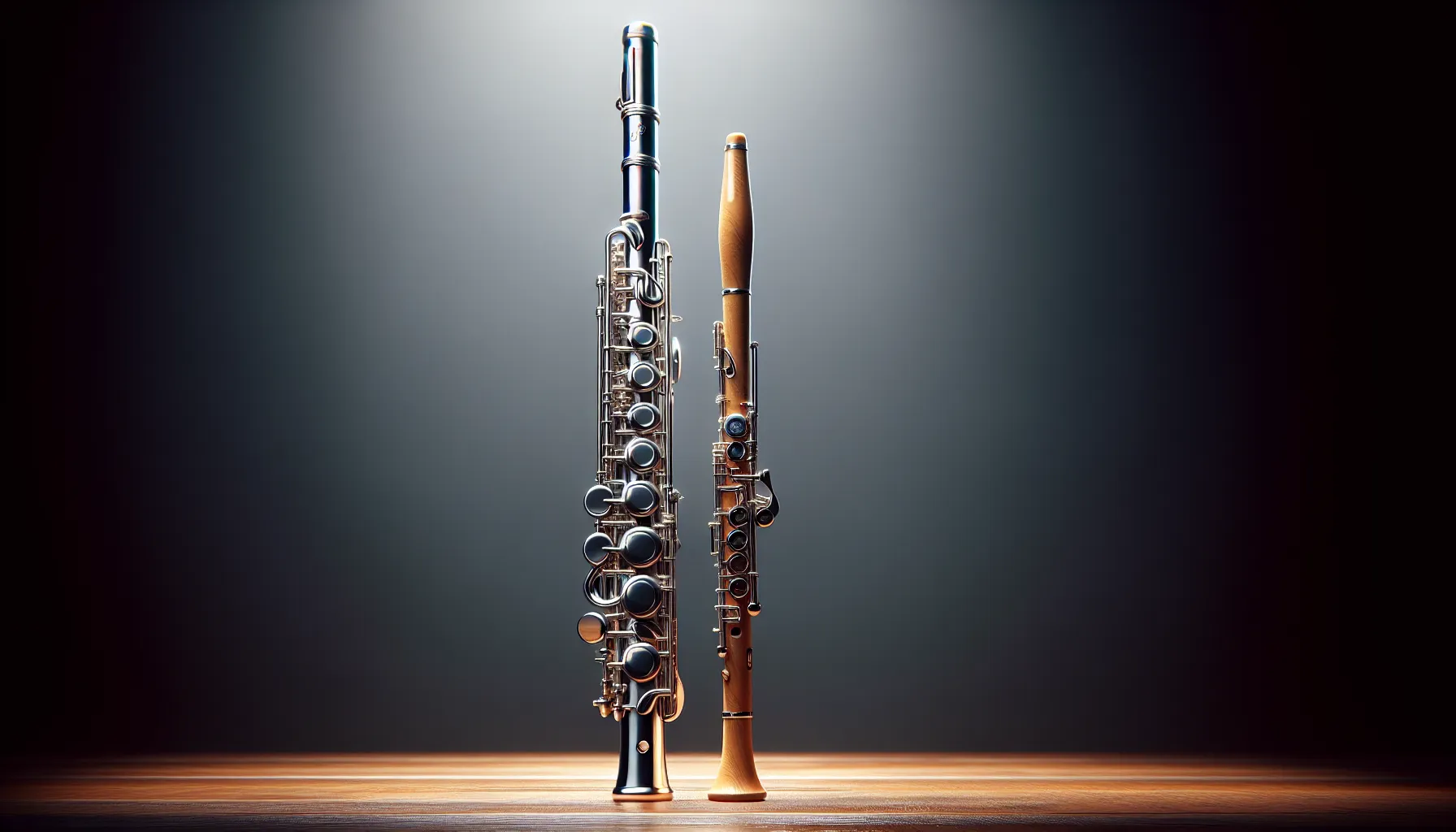
In the world of music, the allure of woodwind instruments captures the imagination of many, resonating with their unique voices and enchanting melodies. Two such captivating members of the woodwind family are the flute and piccolo. While they share similarities in appearance and function, their distinctions play pivotal roles in defining their individual musical contributions. As a musician or enthusiast delving into these instruments, understanding their differences enhances not only your appreciation but also your ability to decide which suits your musical journey.
Overview of the Flute
Design and Size
The flute, with its elegant and elongated cylindrical body, stands out as a versatile instrument in orchestral and solo performances. Measuring approximately 26 inches in length, its size facilitates a wide range of notes and a rich tonal dynamic.
Material and Construction
Constructed from materials such as silver, gold, or nickel-plated brass, the flute offers durability alongside its aesthetic elegance. The construction features a series of keys that help complex musical expressions, making it timeless in its appeal.
Sound and Range Characteristics
With a range extending through three octaves, the flute produces melodies imbued with clarity and warmth. Its tonal quality adapts well to various music genres, from classical to contemporary pieces.
Overview of the Piccolo
Design and Size
The piccolo, often considered the flute’s petite sibling, captivates with its compact design and distinctive sound. At about 13 inches long, this half-sized instrument is visually and acoustically distinctive.
Material and Construction
Piccolos are crafted from materials like wood or composite substances, contributing to their characteristic tone. Their structure mirrors the flute’s, with adaptations that suit their smaller size and unique pitch.
Sound and Range Characteristics
Occupying an octave higher range than the flute, the piccolo produces sharp, bright tones that resonate with precision and brilliance. Often utilized to add color and emphasis in ensembles, it’s both powerful and expressive.
Key Differences Between Flute and Piccolo
Playing Techniques
While the fundamental playing method of both instruments involves blowing air across a mouthpiece, the piccolo demands heightened precision due to its smaller size and higher pitch. The finger placement and embouchure adjustments also differ subtly, emphasizing fine control over technique.
Usage in Various Musical Genres
The flute is a staple in orchestras, ensembles, and solo performances, celebrated for its adaptability across genres. Conversely, the piccolo is prominently featured in marching bands and symphonies, providing striking high-frequency embellishments.
Tips for Choosing Between Flute and Piccolo
Considering Skill Level and Goals
If you’re beginning your musical journey, starting with a flute allows development of fundamental techniques which later transition seamlessly to the piccolo. Skill level and intended musical paths should guide your choice.
Exploring Repertoire and Playing Style
Evaluate the music genres you’re passionate about. While flutes excel in diverse applications, piccolos bring emphasis and brilliance to compositions demanding impact and sharpness. Emulating favorite compositions can help determine your preference.
Last Updated: December 8, 2025 at 11:09 am by Ellie B, Site owner & Publisher
To provide the best experiences, we use technologies like cookies to store and/or access device information. Consenting to these technologies will allow us to process data such as browsing behaviour or unique IDs on this site. Not consenting or withdrawing consent, may adversely affect certain features and functions.
Functional
Always active
The technical storage or access is strictly necessary for the legitimate purpose of enabling the use of a specific service explicitly requested by the subscriber or user, or for the sole purpose of carrying out the transmission of a communication over an electronic communications network.
Preferences
The technical storage or access is necessary for the legitimate purpose of storing preferences that are not requested by the subscriber or user.
Statistics
The technical storage or access that is used exclusively for statistical purposes.The technical storage or access that is used exclusively for anonymous statistical purposes. Without a subpoena, voluntary compliance on the part of your Internet Service Provider, or additional records from a third party, information stored or retrieved for this purpose alone cannot usually be used to identify you.
Marketing
The technical storage or access is required to create user profiles to send advertising, or to track the user on a website or across several websites for similar marketing purposes.