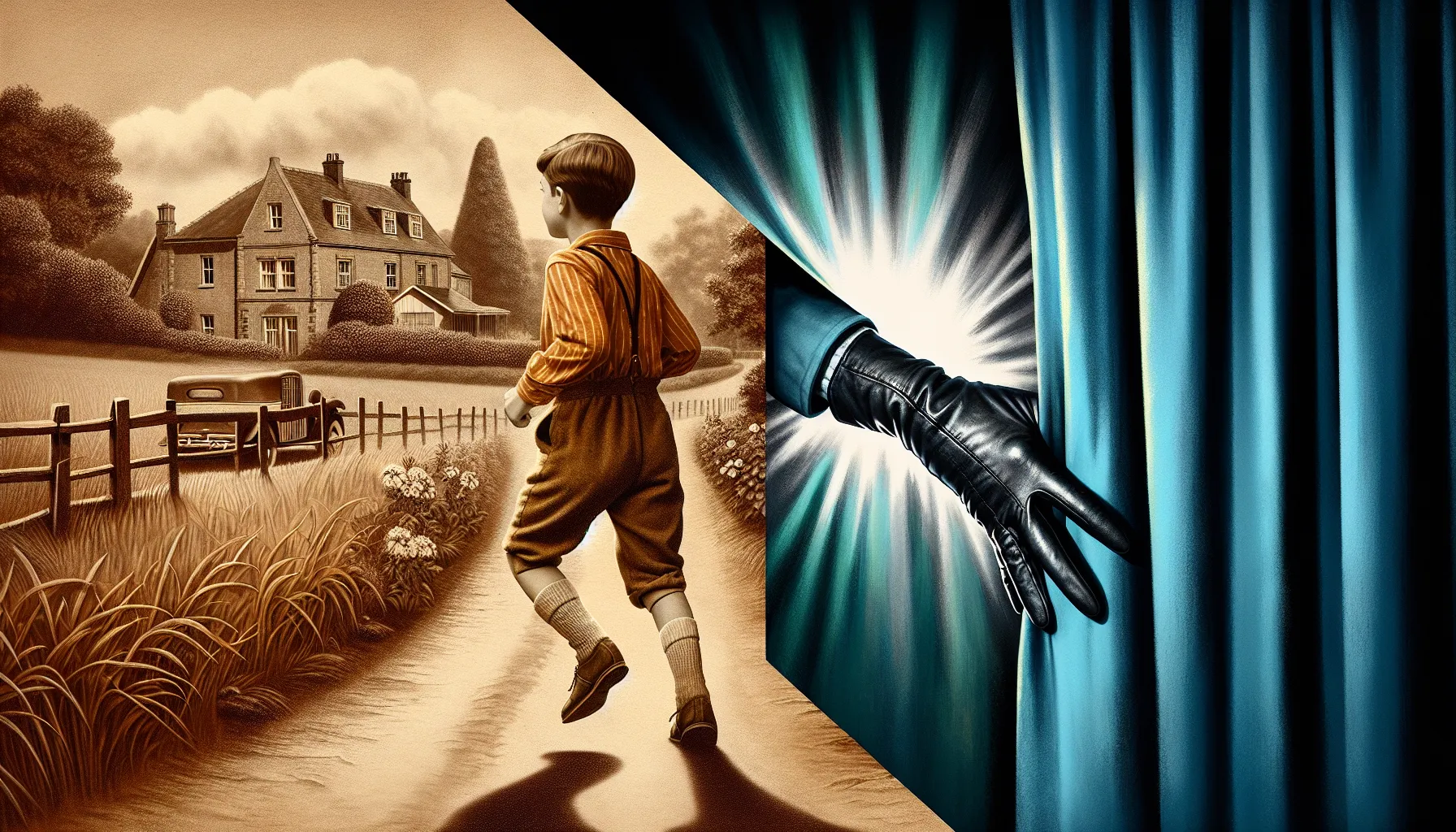
Every compelling narrative has its silent architects, literary techniques that shape the rhythm and depth of storytelling, guiding readers through twists and turns. Among these are flashbacks and foreshadowing: two distinct concepts that enrich the narrative by altering the perception of time. how a story can simultaneously reflect the past and hint at the future? This exploration of these literary devices will unveil their intricacies, fundamental differences, and their profound impact on narrative structure.
Understanding Narrative Techniques
Narrative techniques form the backbone of a compelling story. These methods, including the deployment of time-altering elements, are crafted to engage the audience and deepen their immersion.
Overview of Flashbacks
Definition and Characteristics of Flashbacks
Flashbacks are narrative devices used to transport the reader to past events, providing context or backstory. They often involve vivid descriptions or dialogues from earlier times and are typically marked by shifts in tense or perspective.
Purpose of Flashbacks in Storytelling
Flashbacks enrich stories by revealing essential background details, illuminating character motivations, or clarifying present situations, creating a multidimensional narrative.
Overview of Foreshadowing
Definition and Characteristics of Foreshadowing
Foreshadowing is a technique that imbues the narrative with clues or hints about future events. These clues can be overt or subtle and aim to create anticipation or tension.
Purpose of Foreshadowing in Storytelling
Foreshadowing sets the stage for upcoming developments, subtly preparing the reader for twists and underscoring themes within the story.
Key Differences Between Flashback and Foreshadowing
Structural Differences
Flashbacks interrupt the current timeline by reverting to earlier events, while foreshadowing remains within the current timeline while suggesting what is ahead.
Impact on Reader Experience
Flashbacks add depth and understanding, enriching the reader’s connection with characters and past events. Foreshadowing builds suspense, keeping readers engaged through anticipation.
Examples of Flashbacks and Foreshadowing in Literature
Numerous works of literature employ flashbacks and foreshadowing. In Harper Lee’s “To Kill a Mockingbird,” flashbacks provide insight into societal challenges. Similarly, foreshadowing in Tolkien’s “The Hobbit” alerts readers to significant dilemmas and triumphs.
Implementing Flashback and Foreshadowing Effectively
Common Mistakes to Avoid
To ensure effective usage, avoid overloading the plot with flashbacks or making foreshadowing too cryptic. Striking a balance maintains clarity and intrigue.
To provide the best experiences, we use technologies like cookies to store and/or access device information. Consenting to these technologies will allow us to process data such as browsing behaviour or unique IDs on this site. Not consenting or withdrawing consent, may adversely affect certain features and functions.
Functional
Always active
The technical storage or access is strictly necessary for the legitimate purpose of enabling the use of a specific service explicitly requested by the subscriber or user, or for the sole purpose of carrying out the transmission of a communication over an electronic communications network.
Preferences
The technical storage or access is necessary for the legitimate purpose of storing preferences that are not requested by the subscriber or user.
Statistics
The technical storage or access that is used exclusively for statistical purposes.The technical storage or access that is used exclusively for anonymous statistical purposes. Without a subpoena, voluntary compliance on the part of your Internet Service Provider, or additional records from a third party, information stored or retrieved for this purpose alone cannot usually be used to identify you.
Marketing
The technical storage or access is required to create user profiles to send advertising, or to track the user on a website or across several websites for similar marketing purposes.