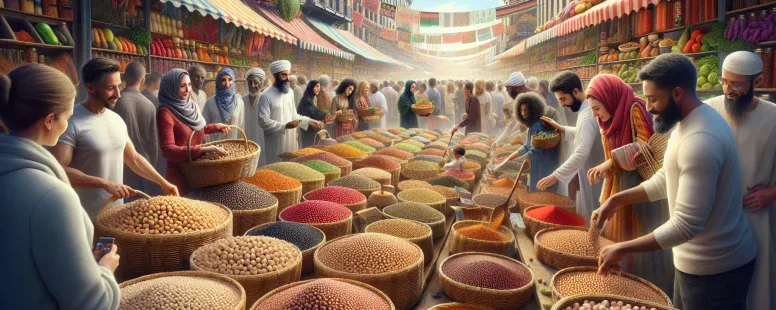
Picture yourself wandering through a bustling market, the air thick with the scent of spices and the promise of something delicious. You spot a mound of plump, golden legumes—labeled chickpeas at one stall, garbanzo beans at another. Are you looking at two distinct treasures or just one legume wearing different hats?
You might think the answer is simple, but there’s more to this culinary mystery than meets the eye. Unlocking the story behind these names could change how you see your favorite hummus or that hearty stew simmering on your stove. Immerse and discover why this humble bean has sparked curiosity and confusion around the globe.
Understanding Chickpeas and Garbanzo Beans
You find chickpeas and garbanzo beans listed side by side in pantry staples, but, in reality, they mean the same legume. Garbanzo beans, the Spanish moniker, echoes through Mediterranean markets, while “chickpea” traces its roots to the Latin word “cicer.” Ask yourself—why two names for one pod-shaped entity? Linguists have puzzled over this, culinary historians cite regional dialects, and home cooks both north and south of the equator still swap terms interchangeably.
Botanists classify both chickpeas and garbanzo beans as Cicer arietinum, a member of the Fabaceae family. You notice these beans in stews from Lebanon, salads in Italy, and street foods in India. , the word “garbanzo” has traveled from Spain and Portugal, finding a home on cans and labels in American supermarkets. Nutritional charts from the USDA link both words to the same protein-packed legume, reporting 14.5 grams protein per cooked cup[^1]. Yet, a simple question lingers: if you picked up a garbanzo bean in Madrid, would it taste different from a chickpea in Mumbai? Hardly—they keep the identical nutty flavor, creamy interior, and beige hue.
Stories in family kitchens reveal that, sometimes, language shapes tradition. Picture a grandmother in Mexico calling them “garbanzos” while explaining her favorite sopa; a father in Brooklyn tosses “chickpeas” into a bold curry. Regional recipes may shift, but the bean persists, crossing culture and cuisine without changing its essence. So, are you sprinkling chickpeas in a vegan stew, or stirring garbanzos into a Spanish cocido? You’re using the same ancient crop that migrated across centuries and continents.
Understanding chickpea and garbanzo bean origins help you see how language and food shape your world. You find yourself tracing the path of this ancient legume from ancient riverbanks to the busy streets of today’s cities.
Historical Background
Chickpeas, a mainstay for over 7,000 years, emerged from the soils of the Fertile Crescent. Archeologists have uncovered Cicer arietinum seeds in Neolithic settlements across modern-day Turkey and Syria, evidencing their presence in early agriculture (Zohary & Hopf, 2000). People in ancient Rome called them “cicer”—yes, the same root that gave us the Latin name for the genus—while farmers in the Middle East wove chickpeas into their rituals and stories. Pliny the Elder, sharing kitchen tales in his Natural History, described how Romans roasted and seasoned chickpeas, making them as popular as popcorn at a festival. Isn’t it curious how these humble legumes, seasoned with regional spice, travel through time as comfort food?
Geographic Spread
Chickpea’s journey didn’t stopped in Mesopotamia. Through trade across Silk Road routes, chickpeas arrived in India, where flavorful chana masala became a culinary icon. Spanish explorers, riding ships into new worlds in the 16th century, carried “garbanzos” to Mexico and the Americas—a word so rhythmic it stuck in Spanish kitchens. You’ll spot garbanzos nestled in hearty Spanish cocido, North African tagines, and Ethiopian shiro wat, each dish telling a migration story. If you ask, why so many names for one bean? Linguists point to migration patterns and cultural adoption, creating overlapping culinary vocabularies spanning continents and eras (Davidson, The Oxford Companion to Food, 2014).
Do you ever wonder how your chickpea hummus recipe mirrors history’s trade winds? Each spoonful testifies to centuries of exchange, migration, and cultural fusion, uniting tables from Delhi to Cartagena.
Varieties and Types
Varieties and types of chickpeas, also called garbanzo beans, form a world loaded with difference and regional twists. Your curiosity might take you from bustling Indian markets stacked with tiny seeds to Spanish plazas filled with golden orbs in paella pots.
Common Chickpea Types
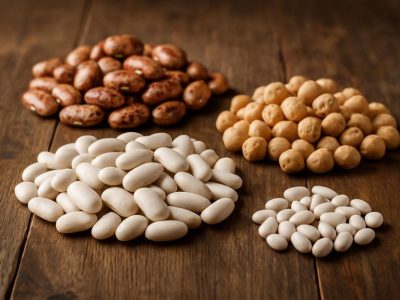
Desi chickpeas occur most often in South Asia, sporting small, rough, and dark hulls—almost like pebbles gathered from riverbeds. Kabuli types, you’ll notice, get found more in Mediterranean and North American kitchens. These beans grow larger, with pale creamy skins and smooth surfaces that feel almost like polished ivory. Every hummus spread in Tel Aviv or falafel ball in Brooklyn likely began as a Kabuli chickpea.
People sometimes assume, because the size and color difference, desi and kabuli mean totally different plants. This isn’t true, as researchers from the International Crops Research Institute for the Semi-Arid Tropics have shown Cicer arietinum includes both main types (ICRISAT, 2022). Which type lands in your curry, stew, or salad often depends on local tradition—not botanical difference.
In Indian snacks, you’ll taste split chana dal—a shiny, yellow version made by hulking and splitting desi chickpeas. In Italy’s streets, you may spot pale chickpeas warming in minestrone, and in Egypt, chefs simmer them for creamy bessara. Why does each type end up in specific kitchens? Maybe it’s the way kabuli beans absorb olive oil, or the way desi grains stand up to bold spices.
Garbanzo Bean Varieties
Garbanzo bean varieties reveal themselves, often, by the hands that prepare them. Spanish cooks choose large, plump garbanzos for cocido madrileño, their comforting stew. Mexican kitchens traditionally use garbanzo in pozole, the nutty-flavored beans merging with chili and hominy.
How did language shape your pantry? “Garbanzo” travels from the Old Spanish word “arvanço”, echoing through Latin America in every hearty soup or street snack bag sold from a pushcart. You might be surprised—garbanzo beans in US supermarkets nearly always trace back to the kabuli variety. Meanwhile, “chickpea” packaging could mean either kabuli or desi, depending on the supplier.
Have you noticed, when you browse recipes, how chefs recommend different garbanzo varieties for specific textures? Spanish stews want plumper seeds, while Middle Eastern falafel asks for drier chickpeas that hold up to frying. Growers in California’s Central Valley plant kabuli varieties almost exclusively, because thin skins and mild flavor satisfy North American preferences (UC Davis Food Blog, 2023).
If you stand in a kitchen sprinkling chickpeas—garbanzos—across a salad, are you picking up an ancient story about identity, trade, or adaptation?
Nutritional Comparison
Scan a plate of Mediterranean mezze or picture a vibrant Indian thali—right there, nestled among the jewel-toned spreads and crisp breads, are chickpeas. Sometimes known as garbanzo beans, these round legumes aren’t just ancient travelers through history. They’re nutritional powerhouses that have earned a seat at both rustic farmhouse tables and gleaming city buffets. But when you compare nutrition, does your meal shift if you choose chickpeas over garbanzos? Let’s break it down, with science and a dash of culinary myth.
Macronutrient Profiles
Chickpeas—or garbanzo beans; you’ve heard the debate—share identical macronutrient profiles since they are botanically the same, Cicer arietinum. Both terms drizzle awareness over the same protein-packed pulses you’ll scoop into a wrap or blend for hummus.
Consider a cup (164 grams) of cooked chickpeas:
Protein: 14.5 grams. This mirrors the lift you’d expect from plant-based options that sustain athletes and office workers alike (USDA FoodData Central).
Carbohydrates: 45 grams. Picture this as slow-burning fuel, the kind marathon runners favor for enduring races.
Fiber: 12.5 grams. The bulk here is a digestive system’s secret friend, invited to every nutritionist’s table.
Fat: 4.3 grams. Minimal, just enough to keep textures creamy but not weigh down heart-healthy plates.
Macronutrient
Chickpeas/Garbanzo Beans (1 cup, cooked)
Protein
14.5 grams
Carbohydrates
45 grams
Fiber
12.5 grams
Fat
4.3 grams
Beans marketed as “garbanzo” in Latin groceries or “chickpea” on health-conscious blogs, still pack the same punch. Nutritional labels may look different, but only because of branding, not substance. Will choosing “garbanzo” instead of “chickpea” affect your protein intake? No, the difference lie only in the supermarket aisle signs, not inside your body.
Vitamins and Minerals
Every bite of chickpea—whether called by its Spanish name or an English one—brings bursts of micronutrients. Both offer folate, iron, phosphorus, zinc, and manganese. Folate, for example, arrives at about 70% of your daily recommended value per cup. This matters for pregnant individuals and those supporting cognitive development (NIH Office of Dietary Supplements). Iron content sits at 4.7 mg per cup, helping keep energy levels stable, especially for plant-based eaters.
Dive deeper and you’ll find:
Manganese, for bone health and metabolism, delivers over 85% of the recommended daily amount in every serving
Phosphorus, needed for cellular repair, clocks in at roughly 28% daily value.
Zinc, a frequent headliner when the immune system steals the stage, features in modest yet vital amounts—2.5 mg per cup.
Micronutrient
Chickpeas/Garbanzo Beans (1 cup, cooked)
% Daily Value
Folate
282 mcg
70%
Iron
4.7 mg
26%
Phosphorus
276 mg
28%
Manganese
1.7 mg
85%
Zinc
2.5 mg
23%
Do you ever picture early Silk Road caravans or bustling North African kitchens? You’re eating what they ate—maybe not the recipe, but the very same nutrients. Even NASA have tested garbanzos in space farming systems, due to their dense nutrition and low resource needs (NASA Veggie Lab reports).
Dishes like Lebanese fatteh or Mexican ensalada de garbanzos may seem worlds apart, but nutritionally, you’re tasting the same ancient legacy. So next time a recipe calls for one or the other, remember—whether you’re chasing protein, chasing history, or simply pleasing your palate, chickpeas and garbanzo beans nourish you the same way, no matter how the market sign spells it.
Culinary Uses
Discovering chickpeas, or garbanzo beans, is like unlocking a painter’s palette loaded with flavor, tradition, and global stories. Whether you’re crushing them under a stone pestle or tossing them into a sizzling skillet, these humble legumes shape-shift across kitchens and continents, humbly taking center stage or melting into the background. So, what makes chickpeas so beloved, and why the name sometimes changes mid-recipe?
Popular Recipes for Chickpeas
Roasted, blended, simmered—chickpeas transform like culinary clay in your hands. Hummus, the creamy Levantine spread, finds its soul in the soft, cooked chickpea, whipped with tahini and lemon juice into a velvet dip. Falafel, another Mediterranean classic, compresses ground chickpeas, herbs, and spices into crispy orbs, which street vendors from Cairo to Brooklyn call out from behind billowing clouds of steam.
Try tossing whole chickpeas into salads with diced vegetables and a sharp vinaigrette for a burst of protein and texture—that’s the secret, chefs say, to bright weeknight meals. In India, chana masala simmers chickpeas in a swirl of tomato, ginger, and masala spices, its aroma rising like a promise from street-side carts and family kitchens alike. Did you know, chickpeas thicken stews in Morocco, fill patties in vegan burgers, and even sneak into brownies for rich fudginess? Some cooks experiment endlessly, but only chickpeas seem to unite so many culinary traditions with such quiet adaptability.
Garbanzo Bean Dishes Around the World
Switching names but not identities, garbanzo beans march across tables from Spain to Mexico. In Andalusia, you might find garbanzos slipping into cocido—a meat-and-vegetable stew that simmers for hours, thickening as it cooks and filling Mexican kitchens, too, after Spanish colonists carried the bean across the sea. No fiesta feels complete without garbanzo-enriched soups bubbling beside tortillas and roasted chiles.
Picture a Spanish grandmother stirring potaje de vigilia, where garbanzos find company with spinach and cod, honoring centuries of Lent traditions. In Latin America, cooks call them by name—garbanzos—when folding them into empanadas or sautéing them with cumin and coriander for quick family lunches. Are garbanzos better when braised under olive oil, or roasted over open flames? The answer might change with every region, but the warm, nutty flavor remains unchanged no matter the country or the cook.
Through these journeys, you see chickpeas and garbanzos as culinary bridge-builders—ingredients that outlive empires and cross oceans. If you listen closely, you’ll hear ancient stories simmering in every pot and taste unexpected adventure with every bite.
Which Term Should You Use?
Choosing between “chickpea” and “garbanzo bean” depends on context, region, and personal preference. Both terms point to the same tan, nutty legume you find in your favorite hummus or stew—yet their histories and flavors add layers to every spoonful.
Regional Naming Differences
In the United States, “chickpea” echoes through cookbooks and health blogs, while “garbanzo” rings out in kitchens from California to Mexico City. You might hear a grandmother in Madrid pass down a family cocido recipe, insisting on “garbanzos” as a sacred ingredient. Meanwhile, recipes from New York’s trendy cafes describe tangy chickpea salads brimming with olive oil and feta.
Reflect on how language dances with geography. The word “garbanzo” traveled through Spanish colonial trade, embedding itself in Latin American markets and can labels. “Chickpea,” on the flip side, flows from the Latin “cicer”—it’s crisp, classic, and ties you to ancient Rome with every syllable. Your grocery list could change based on where you stand, but your meal’s soul stays the same.
Ever wondered why British food writers stick with “chickpea” while Spanish-speaking neighbors fill their kitchens with “garbanzos”? Listen to street food vendors in Mumbai, and you’ll hear “chana”—a third, local entity, showing how one humble bean wears many names. Regional flavor isn’t only about taste; it’s a story woven into language.
Grocery Store Labeling
Walk down any supermarket aisle, and the cans might tell a story of their own. In the United States, shelves hold “chickpeas,” “garbanzo beans,” or sometimes both, as if brands want to cover every culinary dialect. Walmart and Kroger typically print both names: “Chickpeas (Garbanzo Beans).” Hispanic groceries lean into “garbanzo,” reflecting the shopping habits of local communities.
If you’re scanning nutrition labels, rest easy—there’s no botanical plot twist hiding behind the words. Whether you grab a can labeled “chickpea” at Trader Joe’s or “garbanzo bean” at a bodega, the ingredient lists reveal identical macronutrients and mineral profiles, according to USDA data.
Consider a bag of dried beans from an Indian grocer marked “kabuli chana.” Even though the extra syllables, it’s the same legume you’d scoop into falafel dough outside Jerusalem’s Old City. Grocery language adapts to serve cultural expectations, yet the culinary foundation remains solid.
So, when recipes swap names with ease or your friend debates which to use—remember: both terms are doors to the same pantry. Maybe, by embracing both “chickpea” and “garbanzo bean,” you join a tradition as old as trade routes and as lively as any family kitchen.
Term
Common Usage Region
Typical Store Label Example
Linguistic Origin
Chickpea
US, UK, India
“Chickpeas” (Walmart, Trader Joe’s)
Latin (“cicer”)
Garbanzo Bean
Spain, Latin America
“Garbanzo Beans” (Hispanic markets)
Spanish (“garbanzo”)
Chana
India, Pakistan
“Kabuli Chana” (Asian groceries)
Hindi/Urdu (“chana”)
Pause next time you reach for a can—what’s in a name? Maybe more than you think.
Conclusion
Next time you spot chickpeas or garbanzo beans on a menu or in the grocery aisle you’ll know they’re one and the same. The story behind these names adds a layer of appreciation to every bite whether you’re whipping up creamy hummus or savoring a hearty stew.
Embrace both terms as you explore new recipes and traditions. Let your curiosity guide you through the world of this ancient legume and enjoy the flavors and history it brings to your table.
To provide the best experiences, we use technologies like cookies to store and/or access device information. Consenting to these technologies will allow us to process data such as browsing behaviour or unique IDs on this site. Not consenting or withdrawing consent, may adversely affect certain features and functions.
Functional
Always active
The technical storage or access is strictly necessary for the legitimate purpose of enabling the use of a specific service explicitly requested by the subscriber or user, or for the sole purpose of carrying out the transmission of a communication over an electronic communications network.
Preferences
The technical storage or access is necessary for the legitimate purpose of storing preferences that are not requested by the subscriber or user.
Statistics
The technical storage or access that is used exclusively for statistical purposes.The technical storage or access that is used exclusively for anonymous statistical purposes. Without a subpoena, voluntary compliance on the part of your Internet Service Provider, or additional records from a third party, information stored or retrieved for this purpose alone cannot usually be used to identify you.
Marketing
The technical storage or access is required to create user profiles to send advertising, or to track the user on a website or across several websites for similar marketing purposes.