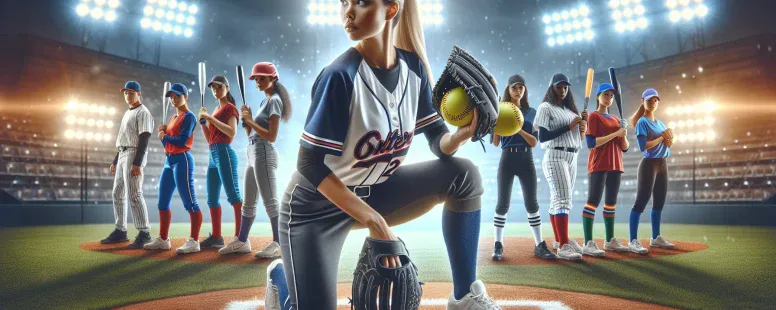
Picture yourself under stadium lights, the scent of fresh-cut grass swirling as cheers echo across the diamond. Maybe you’re gripping a bat, heart pounding, eyes locked on the pitcher—yet the field feels just a little different. Is it baseball or softball? At first glance they share the same heartbeat, but look closer and you’ll find a world of contrasts waiting to be explored.
You might think these two games are twins, but subtle differences shape every play, every strategy, and every moment on the field. From the crack of the bat to the arc of the pitch, understanding what sets them apart can unlock a deeper appreciation for both. Discover how these sister sports offer unique thrills and unexpected advantages that just might surprise you.
Overview of Baseball and Softball
Picture you’re stepping onto a sun-baked diamond, glove in hand, the crowd buzzing with anticipation—are you gearing up for baseball or softball? Both sports share a family resemblance, with bats, balls, and bases weaving a web of excitement, yet their grammatical elements—size, speed, and rhythm—dance to different tunes. Major League Baseball (MLB) games, for example, are renowned for their nine-inning sagas, whereas most fastpitch softball contests, like those under NCAA rules, span seven dynamic innings, changing the tempo and strategies you use (NCAA, MLB).
Players in baseball typically face a field measuring about 400 feet from home plate to center field, which is huge compared to the smaller outfields in softball, where 220 feet is more common. Besides, the pitching style in baseball delivers overhand arcs that can exceed 90 mph, but softball hurlers employ an underhand windmill motion and still fire the ball at 60–70 mph from only 43 feet away—giving hitters almost zero time to react. Some fans have argue that softball’s compressed space and blistering pace makes for more action-packed showdowns, what do you think?
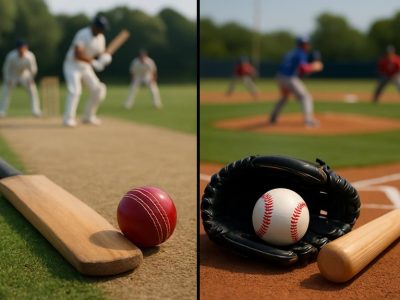
The equipment grammar offers more clues. Baseballs have a circumference around 9 inches, whereas softballs, yellow like summer sunflowers, measure up to 12 inches. Bats in softball, typically lighter and shorter, fit the rapid swing mechanics crucial in a game where seconds matter. You might recall Jennie Finch dazzling at the mound or Derek Jeter orchestrating a double play, illustrating how the subtle interplay of field dimensions and tools shapes the athlete’s role—do you see yourself as a heady infielder or a fearless slugger?
Baseball and softball communities cherish distinct traditions. Baseball’s unwritten rules—like not cheering during a no-hitter—mirror the sport’s measured, strategic poetry. Meanwhile, in youth softball parks nationwide, chants and dugout cheers turn every at-bat into a chorus, amplifying camaraderie and team spirit far beyond the diamond. It’s easy to miss the syntax of each game until you’ve experienced both, so try attending a college softball playoff or an MLB night game. Which narrative, with it’s own variables and nuances, will spark your passion?
Key Equipment Differences
Key equipment differences between baseball and softball shape every pitch, swing, and play you see on the diamond. Understanding these gear changes—sometimes subtle, sometimes glaring—can reveal why each game feels distinct when you step onto the field or watch from the stands.
Ball Size and Weight
Ball size and weight impacts every aspect of play. In baseball, you’ll grip a ball measures about 9 inches in circumference and weighs 5 ounces (MLB.com). Grab a softball, though, and your hand’s wrestling a sphere’s roughly 11.88 inches around, tipping the scales at 6.25 to 7 ounces (NFHS). Try tossing both—the difference’s instantly clear. Larger surface area makes softballs harder to throw as fast, explaining why you see blazing 99-mph fastballs at MLB ballparks but rarely over 70 mph in elite college softball. Ever noticed the neon yellow hue? Softballs adopt this shock-bright color for visibility under sun or stadium lights, while baseball sticks to classic white with red stitching.
Ball Type
Circumference (in)
Weight (oz)
Color Example
Baseball
9
5
White w/ Red
Softball
11.88
6.25–7
Neon Yellow
Bat Specifications
Bat specifications can favor very different swings. Baseball bats, like those used by New York Yankees, reach up to 42 inches long, though most range between 32–34 inches. Barrel diameter never exceeds 2.61 inches (USA Baseball). Picture slugging with a slender maple bat, then switch up to a softball model, and you’ll sense the contrast. Softball bats typically measure 32–34 inches in length, with a broader 2.25-inch barrel but lighter weights for faster swings (ASA Softball). Materials matter, too—wood is prevalent in pro baseball, while alloy or composite reigns in fastpitch softball. Picture this: try bunting with a heavy-duty baseball bat, then trade for a lightweight composite in a pressure-cooker softball game. Timing and control—suddenly not just a matter of mechanics but also the tool in hand.
Glove and Protective Gear
Glove and protective gear adapt for the realities of both baseball and softball play. Infield gloves for baseball, like those worn by All-Star shortstops, typically range from 11 to 12 inches, snug for rapid turns and transfers. Outfield gloves stretch longer—up to 12.75 inches—for extra reach (Rawlings). Softball fielders rely on even larger gloves, sometimes 14 inches, accommodating the ball’s bulkier size (Wilson Sporting Goods). Catchers and first basemen sport mitts with deeper pockets, critical for snagging either the sharpest line drive or a looping pop-up in a crowded infield.
Masks and helmets have evolved, too: youth and women’s fastpitch leagues require field masks for infielders, while baseball mainly mandates batting and catching helmets. Does a faceguard on a pitcher’s mask limit vision or boost confidence? That’s debated, though safety data suggests reductions in facial injuries since rules changed (Journal of Athletic Training, 2019).
Why do gear differences matter? Try swapping equipment during a team scrimmage: a heavy baseball glove on a softball diamond, a composite bat at batting practice under autumn lights in Chicago. Instantly, each game’s personality emerges—not just in scorebooks or highlight reels, but in the way the equipment shapes your tactics, timing, and confidence on the field.
Field and Game Layout
Fields in baseball and softball shape every play, giving each game it’s own personality. When you walk into a diamond, size and layout strike you first—do these lines spark memories of a dusty infield or a pro ballpark bathed in sunlight?
Field Dimensions
Baseball fields extend, on average, 325–400 feet from home plate to center field, making outfield catches and home runs a testament to strength and timing. Softball fields create a more compact environment—center field’s usually 220 feet away. Because of this, outfielders in softball need clutch reflexes, balls can zip past the warning track in seconds, leaving defenses little time to recover.
In major stadiums like Yankee Stadium, fences can run even deeper—408 feet to dead center—while championship–level softball complexes cap out closer to 220. Youth fields also adapt, with Little League baseball playing at 200–225 feet. These dimensions transform risk: what’s a fly out in softball becomes a routine catch in Major League Baseball (MLB). Isn’t that a distinct strategic challenge for you as a player or a coach?
Base Distances and Pitching Mound
Baselines in baseball measure 90 feet, so infielders cover more ground. In softball, bases stand just 60 feet apart. Crisp grounders reach fielders seconds sooner, compressing opportunities for double plays. You’ll see more aggressive bunting, hit-and-runs, and slap hitting in softball, as runners pressure defenses from the first pitch.
Pitching delivers another contrast. The baseball mound rises 10 inches above home plate, set 60 feet 6 inches away. Softball uses a flat pitching circle, only 43 feet away in fastpitch. This smaller gap puts hitters under immediate pressure—softball batters get 0.35 seconds to swing at a 70 mph fastball, compared to 0.41 for a 90 mph MLB pitch (NCAA, MLB.com). Picture you’re the hitter: reaction time shrinks, and there’s less room for error.
Every field’s size—whether broad or intimate—pieces together the narrative of a game. So, do tight softball layouts produce faster action and more split–second drama? Or does MLB’s wide-open expanse grant more time for majestic plays and raw athleticism? Whether you dream of diving snags or blast-off home runs, the field’s design always sets the stage.
Gameplay and Rules Variations
Gameplay and rules structure the tempo and character of each match, shaping everything from player interaction to memorable moments under the scoreboard. When you step onto a diamond—be it the wide expanse of a baseball field oder the compact action of softball—you enter a realm where split-second decisions and unique rules create wildly different adventures.
Pitching Techniques
Pitching techniques influence the rhythm and unpredictability of both baseball and softball games. In baseball, pitchers deploy overhand, sidearm, or three-quarters deliveries—think the iconic windup of Nolan Ryan or the calculated precision of Clayton Kershaw (MLB.com). A baseball can reach velocities up to 105 mph, with sharp-breaking sliders or 12–6 curveballs baffling hitters. In contrast, fastpitch softball’s underhand windmill motion dominates, where legends like Jennie Finch use rapid arm revolutions and finger pressure to fire 70 mph risers or drop balls (USA Softball). The 43-foot pitching distance in softball means you’ve got milliseconds to decide—reacting to a ball rocketing toward you from a mere 43 feet, compared to baseball’s 60 feet 6 inches. Ever wondered why so many hitters freeze at the plate? It’s not just the speed, it’s the deception packed into each pitch’s trajectory and spin.
Game Duration and Scoring Rules
Game duration and scoring systems set the emotional tempo and strategic choices for teams and fans alike. Major League Baseball games typically run nine innings, stretching over three hours and teeming with tension as lineups turn over. Missed a homerun in the fourth inning? It’s fine—another chance awaits. Fastpitch softball compresses the drama into seven innings, demanding urgency and rapid-fire adjustments, the whole contest often wrapped in under two hours (NCAA). Mercy rule mysteries add another layer; for example, if a team leads by eight runs after five innings in NCAA softball, the game ends early, keeping mismatches brief (NCAA.org). Scoring can be feast or famine: A single rally might doom an opponent in softball, while baseball’s extra innings offer marathon resilience—think 26-inning battles from baseball lore, an anomaly in the shorter world of softball.
Game Type
Standard Innings
Avg. Game Length (min)
Notable Rules
Baseball (MLB)
9
180–200
Extra innings, no mercy
Softball
7
90–120
Mercy rule, faster pace
Team Composition and Strategy
Team composition and strategy underpin every play, influencing offensive gambits and defensive alignments. Baseball allows nine fielders—the outfield stretched across vast grass, players shifting with each batter’s tendencies (Fangraphs.com). Managers might employ strategies like double-switches, pinch hitters, or defensive shifts to gain an edge. Softball fields nine too, yet tight field dimensions amplify pressure. Aggressive bunting, slap hitting, and base stealing often define softball’s identity; speedsters like Natasha Watley have who used these tactics to destabilize defenses. Defensive communication—snapping calls between pitcher, catcher, and shortstop—keeps everyone synchronised. Shorter base paths in softball mean infielders must react at lightning speed, with a hard-hit grounder becoming a race against time instead of a leisurely throw across the diamond. Have you ever tried fielding a slap hit with runners charging at you from just sixty feet away?
Whether you’re reliving a baseball’s chess match or soaking in softball’s kinetic attack, understanding these gameplay differences deepens your appreciation for how both sports craft their legends and fuel fierce debates from ballpark bleachers to backyard games.
Popularity and Cultural Impact
Notice how baseball stadiums glow in the night, grandstands humming, concession stands busy. In contrast, softball tournaments blossom on community diamonds, parents cheering, players hustling under afternoon sun. While both games live in your neighborhoods, their cultural footprints stagger with different rhythms.
Baseball’s reach sweeps across continents. Major League Baseball (MLB) games draw over 68 million fans each year (Statista, 2023), and broadcasts span 200+ countries—think Fenway, Wrigley, or Tokyo Dome, where every pitch becomes a spectacle. The World Baseball Classic stirs national pride, unites strangers, and drives citywide celebrations. Ask yourself, what other sport invites generations to keep score in paper programs, debate statistics—batting average, RBIs, on-base plus slugging—for hours?
Softball, on the other hand, anchors itself in schools, leagues, and community events. Over 25 million Americans participate in organized softball annually (SFIA, 2022). Fastpitch dominates women’s college sports—witness the Women’s College World Series routinely breaking ESPN viewership records, even rivalring NBA playoffs for prime-time audiences. For many, weekend slowpitch becomes more than a game: it’s a ritual, a social thread tying together families from Little League to senior rec leagues. Have you heard your neighbors recount the line drive that clinched a local championship decades ago?
Cultural metaphors seep into language: phrases like “out of left field,” “touch all the bases,” or “swing for the fences” root deeply into American idiom, most tracing straight from baseball’s storied past. But fastpitch softball plants its own iconography—intense windmill pitches, chrome-colored bats, pop-up slides that electrify youth tournaments.
Controversies sometimes spark debate over gender and opportunity. Title IX reshaped high school and college sports after 1972, funneling resources and headlines into women’s fastpitch—while baseball remained a male-dominated national pastime. Now, USA Softball and professional leagues champion female athletes, rewriting narratives and opening doors in international play—softball starred as an Olympic sport in Atlanta, Sydney, Tokyo.
What about the global spread? Baseball booms in Japan, South Korea, Cuba, and Venezuela. In contrast, softball pulses in Australia, Canada, Japan, and parts of Italy—nations where community-driven tournaments can rival pro games for passion and pageantry.
Story after story emerges: Little League World Series heroes, MLB Hall of Fame legends, star NCAA pitchers like Cat Osterman captivating millions. You might ask, in a world with endless entertainment options, why do parents teach kids pitching grips in backyard dusk or how do players cherish cardboard box trophies in garage corners for years?
Sport
Annual U.S. Participants
Major International Presence
Famous Event
Key Demographic
Baseball
15.6 million
MLB, World Baseball Classic
MLB World Series
Broad, multi-generational
Softball
25 million
Olympics, Fastpitch Worlds
Women’s College World Series
Youth, women, local amateurs
Both baseball and softball shape social bonds, tell neighborhood legends, and toss dreams skyward. Which one threads through your own memories or community? The fields may look different, but the echoes of cheers linger, season after season.
Conclusion
Choosing between baseball and softball isn’t just about picking a sport—it’s about discovering which style of play excites you most. Each game brings its own challenges and rewards, shaped by unique rules, equipment, and traditions.
Whether you’re drawn to the strategy and scale of baseball or the fast-paced action of softball, you’ll find a community and a story waiting on the field. Try both and you’ll see how every pitch and play offers something new to enjoy.
To provide the best experiences, we use technologies like cookies to store and/or access device information. Consenting to these technologies will allow us to process data such as browsing behaviour or unique IDs on this site. Not consenting or withdrawing consent, may adversely affect certain features and functions.
Functional
Always active
The technical storage or access is strictly necessary for the legitimate purpose of enabling the use of a specific service explicitly requested by the subscriber or user, or for the sole purpose of carrying out the transmission of a communication over an electronic communications network.
Preferences
The technical storage or access is necessary for the legitimate purpose of storing preferences that are not requested by the subscriber or user.
Statistics
The technical storage or access that is used exclusively for statistical purposes.The technical storage or access that is used exclusively for anonymous statistical purposes. Without a subpoena, voluntary compliance on the part of your Internet Service Provider, or additional records from a third party, information stored or retrieved for this purpose alone cannot usually be used to identify you.
Marketing
The technical storage or access is required to create user profiles to send advertising, or to track the user on a website or across several websites for similar marketing purposes.