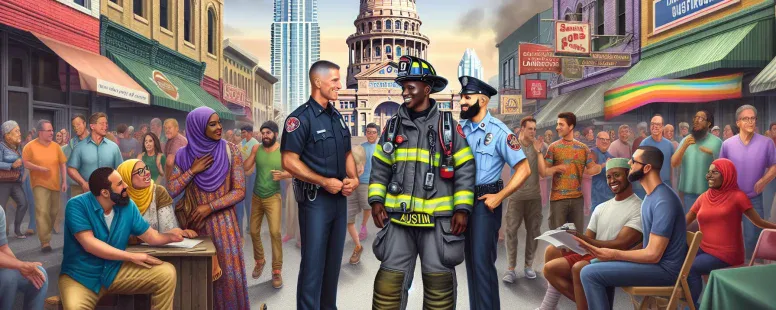
Picture yourself on the edge of your seat breath held as sirens wail and chaos erupts on screen. You jump into the world of first responders where every heartbeat matters and every second counts. But as you flip between 9‑1‑1 and 9‑1‑1: Lone Star you notice the pulse of each show feels just a little different—almost like two cities lit by the same storm but painted in wildly different colors.
What makes these two adrenaline-charged dramas stand apart? Is it the distinct rhythm of Los Angeles versus the fiery spirit of Austin or something deeper woven into their stories? Unraveling their differences not only satisfies your curiosity but also reveals how each series brings a fresh perspective to heroism and humanity—giving you more reasons to tune in and root for your favorite crew.
Overview of the 9‑1‑1 Franchise
The 9‑1‑1 franchise crafts a network of interconnected stories where first responders confront chaos, fear, and hope. Created by Ryan Murphy, Brad Falchuk, and Tim Minear (Fox, 2018), the series follows teams in Los Angeles (9‑1‑1) and Austin (9‑1‑1: Lone Star), each city adding its own voice to the shared emergency narrative.
You ever wonder what happens after the call, when the siren’s scream splits the LA dusk or the Texas heat? Each show stitches together emergencies—building collapses, medical mysteries, wildfires—using a blend of procedural tension and personal drama. For example, you might recall when 9‑1‑1’s Athena Grant chased a freeway sniper, while in Lone Star’s premiere, Owen Strand fought a fertilizer plant explosion that painted the Austin skyline orange. These moments anchor each series, yet introduce you to the wildly different complexities of their settings: LA’s sprawling chaos invites high-profile incidents, whereas Austin’s community roots foster closer-knit rescues.
The franchise’s cast always become more than their uniforms. Angela Bassett’s Athena, Peter Krause’s Bobby Nash, Rob Lowe’s Owen Strand, and Gina Torres’ Tommy Vega offer windows into loss, resilience, and leadership. Critics like The New York Times note how the franchise raises the bar for character-driven television by blending high-stakes rescue with authentic struggle. A firefighter’s helmet isn’t just a prop—it represents identity and sacrifice, no matter if it’s worn in California or Texas.
Characters leap between worlds, too. Crossover events let fans see LA’s and Austin’s squads collide, paralleling their skillsets and philosophies. When departments unite, you feel the connective tissue that binds the 9‑1‑1 universe—it’s like watching two jazz bands riff on the theme of heroism, creating a new improvisation each time.
If you watch with your family, the show sometimes asks—what would you risk to save a stranger? The answer changes based on geography, culture, and even government policy, but the question itself always pulse through every episode. Fox’s renewal of both series in 2024 (Variety, March 2024) signals the franchise’s enduring grip on the public imagination: viewers crave both the spectacle and the soul that these shows deliver.
You sit on the couch, the opening theme lands, and suddenly, you’re not just a viewer. You’re a witness to the heartbeat of two worlds.
Plot and Setting Differences
Plot and setting shape every moment in both 9‑1‑1 and 9‑1‑1: Lone Star. These differences color the urgency of rescues, the challenges that responders faces, and the lens through which personal drama unfolds.
Geographic Locations
9‑1‑1 roots itself in Los Angeles, a city where palm-lined boulevards meet earthquake fault lines, wildfires sweep through canyons, and multi-car pileups freeze freeways. You’re dropped into scenarios where the scale feels huge: earthquakes in Echo Park, celebrity emergencies in Hollywood, mudslides threatening hillside neighborhoods. Authenticity springs from LA’s real-life chaos—each episode echoes incidents from actual news stories. According to the Los Angeles Times, the city’s emergency services manage over 1,846 calls daily, raising the stakes for every on-screen dispatcher (City of Los Angeles Fire Department, 2023). Does LA ever really sleep, you might ask? Not so much in the 9‑1‑1 universe.
9‑1‑1: Lone Star drops you into Austin, Texas. Barbecue smoke lingers in the air, the Colorado River cuts through downtown, and wild brush fires clash with sudden ice storms. Rescues happen at live music venues, off sunbaked highways, and even at tech company parties. Showrunners use Austin’s proud weirdness—the bats under Congress Avenue Bridge, for example—to stage emergencies unlikely anywhere else. When storms paralyze the city, like in the real-life 2021 Texas freeze, viewers get a sense of how disaster feels different deep in the heart of Texas (Texas Tribune, 2021).
Storyline Focus and Themes
You’ll see 9‑1‑1 zeroes in on the overwhelming surge of simultaneous crises that hit a densely populated metropolis. Each week, multiple emergencies collide—high-rise fires, freeway collapses, massive parties gone wrong. Characters like Athena Grant and Bobby Nash not only lead heroic rescues but also wrestle with private pain, like grief from lost loved ones or survivor’s guilt from past tragedies. The storytelling often dives into ethical dilemmas: If dozens need saving, whose life counts most? How do responders carry trauma home each night?
In 9‑1‑1: Lone Star, personal reinvention pulses through the plot. Owen Strand, a New York transplant rebuilding his life in Texas, reflects themes of resilience and starting over. T.K. Strand’s struggles with addiction play against life-and-death stakes on the job. The team’s diverse backgrounds—Carlos’s family legacy in policing or Marjan’s navigation of faith—becomes the heart of the show. Episodes highlight themes of chosen family, cultural identity, and the courage you find when forging a new home. Lone Star uses the Texan landscape as both adversary and ally: tornadoes test nerves, but sunsets soothe hearts.
How would you handle facing disaster in these different places? Which test of courage feels more daunting—surviving LA’s chaos or thriving in Austin’s extremes? The answer might depend on whether you sees yourself in the city’s ceaseless pulse or the frontier’s spirit of reinvention.
Main Characters and Cast Comparisons
Main characters and supporting casts in 9‑1‑1 and 9‑1‑1: Lone Star anchor each show’s emotional reality. You spot not just familiar faces but profound archetypes reflecting Los Angeles and Austin’s cultural DNA.
Lead Roles and Supporting Characters
Central figures in 9‑1‑1 include LAPD Sergeant Athena Grant (Angela Bassett), firefighter Captain Bobby Nash (Peter Krause), and paramedics Hen Wilson (Aisha Hinds), and Chimney Han (Kenneth Choi). Athena’s relentless pursuit of justice, Bobby’s composure steering 118 through disaster, and Hen’s balancing act between family and EMS—each grant humanity weight. Supporting characters like Buck (Oliver Stark), poised between recklessness and growth, round out a cast driven by Los Angeles’s diversity and relentless pace.
By contrast, 9‑1‑1: Lone Star puts Captain Owen Strand (Rob Lowe) at its core. Owen’s past—he survived 9/11 and rebuilt New York’s firehouse—infuses Austin’s 126 with resilience. Paul Strickland (Brian Michael Smith), Marjan Marwani (Natacha Karam), and TK Strand (Ronen Rubinstein)—Owen’s son—bring threads of reinvention, faith, and vulnerability. Mateo Chavez (Julian Works) and Tommy Vega (Gina Torres) layer Austin’s firehouse with stories rooted in immigration and personal loss. Each episode, like “Back in the Saddle,” where Owen stares down wildfires while TK questions his identity, ties personal transformation to Austin’s vibrant identity.
Representation and Diversity
Diversity and representation stand out in both series, but their tapestry follows different patterns. 9‑1‑1’s ensemble mirrors Los Angeles’s real demographics. Athena, an African-American woman leading in law enforcement, and Hen, an openly LGBTQ paramedic raising a family, challenge typical TV stereotypes. You see these characters not just answer calls—like in the poignant “Hen Begins”—but wrestle with bias and trauma outside the siren’s blare.
9‑1‑1: Lone Star expands the franchise’s spectrum using Austin’s eclectic pulse. Marjan, a devout Muslim firefighter, and Paul, a Black transgender man, carry identities seldom centered in network dramas. Their everyday victories—facing discrimination or risking trust among teammates—echo in storylines like “Friends with Benefits.” Tommy Vega’s narrative of a working mother returning to EMS, following her husband’s restaurant closure during the pandemic, grounds the show in contemporary resilience. These story arcs pose questions: Where do courage and identity intersect under pressure? How does a firehouse become a haven for voices undervalued elsewhere?
Casting decisions, as Deadline reports, align both shows with industry calls for greater inclusion (Deadline, 2021). Fans connect not only with emergencies but with the culture and histories these responders embody. When you watch, you’re invited not just to witness high-stakes action—you’re asked to consider whose stories find a place in the heart of disaster.
Tone and Storytelling Styles
Tone and storytelling in 9‑1‑1 and 9‑1‑1: Lone Star shape each show’s heartbeat, giving every rescue and character arc a distinct emotional temperature or narrative flavor. Both series use suspense and urgency, but their stories diverge in the feelings and worldview they ignite, leaving viewers with a tapestry of experiences—sometimes sharply focused, sometimes blurred by emotion.
Emotional Intensity and Action
9‑1‑1 immerses you in relentless, fast-paced emergencies, using quick cuts and overlapping storylines. The show’s Los Angeles setting anchors narratives in high-stakes scenarios—earthquakes, wildfires, and car pileups—reflecting the city’s real-life chaos. Every pulse-racing episode keeps you alert: can you picture a rollercoaster refusing to stop mid-rescue, or a tsunami swallowing echoes of everyday life? The series amplifies intensity with layered subplots—Sergeant Athena Grant’s dilemma during a hostage standoff, or Bobby Nash’s struggle to lead through personal loss. In contrast, 9‑1‑1: Lone Star combines action with deliberate pacing, letting emotional fallout simmer. When Captain Owen Strand confronts cancer or an ice storm paralyzes Austin, the show lingers, spotlighting trauma’s aftershocks. You feel the icy air, the brittle tension, the hope embedded in a firefighter’s embrace. Bursts of action become poignant, especially as themes of recovery and family surface after rescues conclude.
Humor and Social Issues
Humor runs like an undercurrent beneath 9‑1‑1’s high-strung drama—brief, dry, and sometimes biting. Characters break the tension with witty remarks; you might smirk as Chimney Han juggles dinner disasters with injury calls, or as Hen Wilson offers sharp comebacks during med runs. The series threads contemporary social issues—domestic violence, immigration, addiction—through personal vignettes, but glides quickly back to the main crisis. 9‑1‑1: Lone Star, by comparison, wields humor as a connector, using banter and team camaraderie to bridge divides. Paul Strickland’s gentle teasing, Marjan Marwani’s relatable blunders—here jokes deepen relationships and spotlight Austin’s evolving cultural landscape. This show lingers longer on social debates, from faith-driven firefighting to transgender identity, often prompting you to question: How does heroism change when every mask is new? Both series balance the absurd—an escaped python or an overenthusiastic wedding—as metaphors for life’s unpredictability, but Lone Star nudges you to linger in the questions, rather than chase the next alarm.
Production and Creative Teams
Both 9‑1‑1 and 9‑1‑1: Lone Star spark to life through distinct creative visions even though being part of the same franchise. The teams behind them, much like two chefs seasoning a shared recipe their own way, bring out unique flavors that permeate each episode. You’ll notice how every detail, from the writers’ room to final edit, mirrors its show’s identity.
Showrunners and Writers
Ryan Murphy, Brad Falchuk, and Tim Minear lead both shows, but their focus and supporting staff vary between 9‑1‑1 in Los Angeles and 9‑1‑1: Lone Star in Austin. Tim Minear directly runs the writers’ room for the original, shaping narratives with a blend of adrenaline and heart rooted in real LA events. Brad Falchuk’s touch appears in story arcs confronting ethical dilemmas faced by first responders.
For 9‑1‑1: Lone Star, Tim Minear and Brad Falchuk trust Rashad Raisani with crafting messages about identity and resilience, especially through local Texan challenges. Writers in Lone Star’s room—like Sharleen Chidiac Arnold and John Owen Lowe—weave in personal reinvention stories and Austin’s cultural quirks. why Owen Strand’s battles seem both epic and deeply personal? That’s the writers layering emotional authenticity atop procedural tension.
Debate circles around which show takes bigger risks. 9‑1‑1’s staff packs each episode with stacked emergencies, sometimes leaving viewers breathless (Hollywood Reporter, 2022). Meanwhile, Lone Star explores complex identities, sparking Twitter discussions on inclusivity and representation (TVLine, 2021).
Filming Locations and Visual Style
Los Angeles sets the backdrop for 9‑1‑1, and you’ll feel its chaotic pulse in every handcrafted exterior shot and iconic skyline moment. The directors—Bradley Buecker and Jennifer Lynch—choose fast, gritty camera work to echo LA’s relentless energy. Quick cuts during earthquakes or high-rise rescues drop you straight into a city that rarely stops. Ever see a camera lurch sideways as the ground shakes? That’s the visual style syncing to the city’s upheaval.
Contrast draws clear lines in Austin, where 9‑1‑1: Lone Star films on location. Austin’s murals and open landscapes offer the directors—Buecker crosses over, joined by Tate Donovan and Sanaa Hamri—a canvas for warmer tones and deliberate pacing. Drone shots linger over firelit BBQ pits or nocturnal cityscapes. You sense the space, the distance between first responders and the lives they save, anchoring Austin’s unique sense of community. Colorists dial up sunrise oranges and deep blues, amplifying Texas’s iconic look.
Some fans argue visual style impacts tension as much as script. Could Lone Star’s lingering shots slow your pulse just before a crisis? Might LA’s nervous editing trigger adrenaline before you even see the emergency? The answer lives in frame choices and location authenticity, as seen in production stills and behind-the-scenes reels (Deadline, 2023).
Series
Showrunners
Writers (Examples)
Main Location
Visual Hallmarks
9‑1‑1
Murphy, Falchuk, Minear
Falchuk, Arnold
Los Angeles
Fast cuts, gritty exteriors
9‑1‑1: Lone Star
Minear, Falchuk, Raisani
Raisani, Lowe
Austin, Texas
Warm palette, drone cityscapes
Crossovers and Franchise Connections
Crossovers between 9‑1‑1 and 9‑1‑1: Lone Star mark defining moments in the franchise, showing how first responder drama can span state lines and connect crisis with character arcs. Characters from Los Angeles, like firefighter Evan “Buck” Buckley, have teamed up with Austin’s Captain Owen Strand in multi-episode events, forging bonds over shared disasters and conflicting protocols. For instance, during the 2021 winter storm crossover (“Hold the Line”), teams faced hypothermia, power outages, and a runaway tank—the kind of surreal emergency that reminds viewers catastrophe neither respects geography nor network boundaries (Variety, 2021).
Writers orchestrate logistics—a rare feat in primetime TV—by aligning story arcs and production calendars across two different cities, so you see actors navigating both plot and real flight schedules. You’ll notice metaphoric bridges too: storylines touch on gender, race, and trauma, transporting social justice themes through both L.A. freeways and Texas highways. You question if heroism changes when the uniform, accent, or even the weather shifts.
Franchise connections run deep beneath the action. Recurring dispatch operator voices, background characters, and real-world references subtly link the shows, creating Easter eggs for loyal fans and forming a sprawling narrative universe. Picture a network of lifelines, each call for help—a nod to shared humanity—traveling from Austin’s Trinity Street to the heart of Los Angeles. Syndication patterns, promotional campaigns, and shared writers’ rooms all reinforce these links, while crossover guest stars—Angela Bassett as Athena Grant, Gina Torres as Tommy Vega—blur the line between spinoff and origin.
Surprising revelations, like Buck’s emotional struggles echoing Paul Strickland’s resilience or Judd Ryder swapping firefighting techniques with Chimney Han, make you wonder if survival strategies depend more on the badge or the bonds. Every alarm bell tolls for both teamwork and identity, no matter the jurisdiction code.
Ask yourself—does a dispatch from Los Angeles sound different than one from Austin, or do the screams and courage mean the same everywhere? This ongoing experiment in network television proves emergency storytelling can transcend boundaries, creating one heartbeat across multiple story worlds.
Which Show Is Better for You?
Choosing between 9-1-1 and 9-1-1: Lone Star shapes your TV nights as much as ordering spicy tacos or classic burgers defines your meal. If you thrive on LA’s pulse, dodging earthquakes and high-speed chases, 9-1-1 gives you a non-stop ride, where Sergeant Athena Grant (Angela Bassett) faces chaos you could almost touch. You see emergency calls erupt from celebrity mansions or downtown alleys, so every episode brings you both grit and glamour—a blend that the series is known for, according to Variety (2022). But if you rather explore Texas-sized resilience, 9-1-1: Lone Star paints a slower burn with Owen Strand (Rob Lowe) wrangling wildfires and identity challenges. In this show, humor bubbles up even when tornadoes swirl, and you’ll spot a Black transgender firefighter or devout Muslim rookie learning to fight flames side-by-side.
Audience’s taste often divides, too. Some fans cite the original’s layered urgency (“I can’t never keep up!” posts one viewer on Reddit) while others praise Lone Star’s emotional heart—Tyler Kennedy “TK” Strand battling opioid addiction as much as blazes. A single episode might see an alligator loose in Beverly Hills, while another pulls you into an Austin BBQ explosion. Ever wonder how first responders handle prejudice, grief, or career change? Both shows push those questions, but from different street corners. And not everyone likes spicy food or all-night city lights.
Diversity on screen is more than a buzzword here. You meet Marjan Marwani (Natacha Karam), a hijab-wearing firefighter, in Lone Star, smashing TV cliché. Meanwhile, Hen Wilson (Aisha Hinds) in 9-1-1 juggles saving lives and her own family drama. Which reflection matters more for your own story—the universality of LA’s emergencies or Austin’s mosaic of cultures and backstories?
Production style clues aren’t just for critics. If you crave edge-of-seat tension, 9-1-1 pulls you through jump cuts and relentless action—a directorial signature that CNN’s pop culture analyst Brian Lowry calls “adrenaline on demand.” Lone Star likes group shots, wide frames, and the occasional sunset drone pass, letting moments linger. And crossover events? Both shows occasionally meet, like rivers merging, exposing that heroism swells from the same spring—courage looks different crossing a desert or weaving through LA’s car jams, but it stings just as deep.
So, what sparks your curiosity: tearful reunions, daring rescues, or the moment a firefighter finds faith in the ashes? Ask yourself which stories echo back when your screen goes dark. Maybe the answer’s not either/or but both—because in the 9-1-1 universe, there’s always another alarm bell, another life on the line, and always a choice that’s yours.
Conclusion
Choosing between 9‑1‑1 and 9‑1‑1: Lone Star comes down to what kind of storytelling you connect with most. Whether you’re drawn to the fast-paced chaos of Los Angeles or the heartfelt resilience found in Austin each series offers its own unique take on heroism and community.
Both shows invite you to experience the challenges and triumphs of first responders from different worlds. No matter which series you prefer you’ll find stories that celebrate courage identity and the power of coming together in times of crisis.
To provide the best experiences, we use technologies like cookies to store and/or access device information. Consenting to these technologies will allow us to process data such as browsing behaviour or unique IDs on this site. Not consenting or withdrawing consent, may adversely affect certain features and functions.
Functional
Always active
The technical storage or access is strictly necessary for the legitimate purpose of enabling the use of a specific service explicitly requested by the subscriber or user, or for the sole purpose of carrying out the transmission of a communication over an electronic communications network.
Preferences
The technical storage or access is necessary for the legitimate purpose of storing preferences that are not requested by the subscriber or user.
Statistics
The technical storage or access that is used exclusively for statistical purposes.The technical storage or access that is used exclusively for anonymous statistical purposes. Without a subpoena, voluntary compliance on the part of your Internet Service Provider, or additional records from a third party, information stored or retrieved for this purpose alone cannot usually be used to identify you.
Marketing
The technical storage or access is required to create user profiles to send advertising, or to track the user on a website or across several websites for similar marketing purposes.