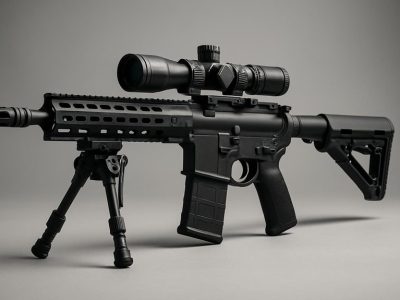
Picture yourself at the edge of a quiet forest as sunrise spills golden light across the ground. In your hand rests a rimfire rifle—sleek, familiar, but the choice before you isn’t so simple. Do you load up with the steady .22 LR or reach for the punchier .22 Magnum? Each promises a different experience, and the right pick could mean the difference between a satisfying plink and an unforgettable hunt.
You might think all .22s are created equal, but the truth is far more intriguing. With subtle differences in sound, power, and purpose, these cartridges can surprise even seasoned shooters. Whether you’re chasing precision or power, understanding what sets them apart opens up new possibilities for your next adventure.
Overview of .22LR and .22 Magnum Cartridges
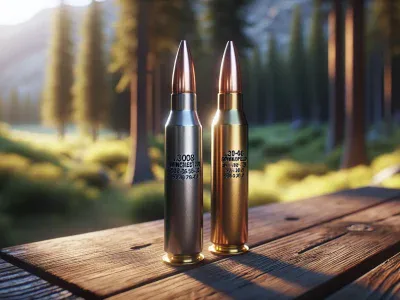
You spot two cartridges side by side, they look similar enough—a .22 Long Rifle (LR) and a .22 Winchester Magnum Rimfire (WMR), commonly called .22 Magnum. You might ask yourself, why do some hunters swap a .22LR for a .22 Magnum when heading into deeper woods? Unlike the classic .22LR which most shooters first learn on, the .22 Magnum packs not just a bigger physical punch, but a louder report and extra reach.
Shooters often favor .22LR for plinking cans, teaching marksmanship skills, or controlling pests up-close. Think about that quiet Sunday at the range—.22LR rifles pop quietly, sending lightweight 36-40 grain bullets downrange with minimal recoil. According to CCI, .22LR usually zips along at about 1,200 feet-per-second (fps), making it ideal for accuracy practice and short-range target shooting.
You pick up a .22 Magnum and the difference feels tangible—the brass is longer, the projectile a touch heavier. Gun shops recount tales of trappers choosing .22 Magnum when fox or raccoon gets out of airgun range. This cartridge, standardized in 1959 by Winchester, usually launches 30-40 grain bullets at speeds near 1,900 fps (Hornady Ballistics Source). That extra velocity gives shooters greater energy, and a flatter trajectory over 100 yards.
Hunters debate often: Is the .22 Magnum excessive for small game, or does .22LR lack punch and penetration for larger varmints? Your rabbit hunting buddy may pick .22LR for clean headshots in thickets, while ranchers swear by .22 Magnum when coyote comes too close to chickens.
Bullet size, cartridge length, and energy output define functional differences:
Cartridge
Case Length (in)
Bullet Weight (grain)
Typical Velocity (fps)
Energy at Muzzle (ft-lbs)
.22 Long Rifle
0.613
36–40
1,070–1,200
90–140
.22 Magnum
1.055
30–40
1,750–1,900
310–330
If you choose based on nostalgia, you may lean to .22LR, recalling the first time your father handed you a squirrel rifle. If you weigh for performance, .22 Magnum stands tall with greater stopping power and distance. Some forget cost—.22LR, much cheaper per round, makes high-volume shooting accessible regardless of budget.
When next you handle both cartridges, ask yourself: Do you want the friendly snap of a .22LR that echoes childhood, or the resounding crack and authority of a .22 Magnum ready for a new challenge beyond the brush?
Key Specifications Compared
Comparing the .22 LR and .22 Magnum puts two rimfire legends side by side. You spot differences in every measurement, from the tip of the bullet to the back of the cartridge. Small changes here, big leaps there—the numbers tell a story about range, accuracy, and even your wallet.
Bullet Size and Weight
Bullet size and weight shapes how your shots perform. .22 LR bullets usually weigh between 36 and 40 grains; most target rounds use 40-grain projectiles, like the CCI Standard Velocity (source: CCI Ammunition). .22 Magnum, also called .22 WMR, commonly shoots bullets from 30 up to 50 grains—more weight boosts impact at longer distances. For example, Winchester’s 40-grain .22 WMR bullet carries more punch than a standard 36-grain .22 LR. Does more weight always mean better performance? Not always; heavier bullets drop faster, but in the .22 family the extra grains in magnum rounds generally mean better energy transfer on target.
Case Length and Design
Case length and design informs compatibility and capacity. .22 LR cases measure about 0.613 inches long, while .22 Magnum stretches to roughly 1.052 inches. That bigger case in magnum rounds holds more powder, which means more power behind the shot. A .22 LR will never fit tightly in a .22 Magnum chamber because rims, case diameters, and lengths mismatch by design—mixing cartridges could badly damage your firearm. Gun-makers like Ruger design cylinder swaps specifically for convertible revolvers.
Velocity and Energy
Velocity and energy decide how bullets travel and what they can do when they arrive. .22 LR zipps downrange at 1,070–1,280 fps (feet per second), depending on load; CCI’s Mini-Mag clocks in at 1,235 fps. .22 Magnum rockets through chronographs at 1,750–1,900 fps, and Hornady V-MAX tips push 2,200 fps out of rifles. That velocity gap gives the magnum double the muzzle energy in most loads—often 324 foot-pounds (ft-lbf) vs around 130 ft-lbf for .22 LR. You’ll hit targets harder and further with magnum, but .22 LR’s lower power means quieter shots, cheaper plinking, and almost no recoil.
Specification
.22 LR
.22 Magnum (WMR)
Bullet Weight (gr)
36–40 (e.g., CCI SV 40)
30–50 (e.g., Win 40)
Case Length (in)
~0.613
~1.052
Bullet Diameter (in)
.222
.224
Velocity (fps)
1,070–1,280
1,750–2,200
Muzzle Energy (ft-lbf)
110–130
324–350
If you want a quiet day at the range, your best bet may lean .22 LR, while those chasing raccoons at dusk or foxes over pasture often find .22 Magnum surpasses expectations in energy and reach.
Performance Differences
Performance separates .22 LR and .22 Magnum on the range and in the wild, like sunlight splitting a single leaf in the forest. When you pick a cartridge, you’re really deciding how you want the bullet to behave from your gun to your target—whether it’s a can at twenty paces or a raccoon bounding off through brambles. Beneath the surface, every trigger squeeze becomes a lesson in accuracy, energy, and sound.
Accuracy and Range
Accuracy and range measures how these rimfire cartridges fly and how far they stay on-target. With the .22 LR, you’ll find impressive precision at 50 yards—hitting bottle caps, splitting playing cards, or teaching marksmanship to newcomers. Think campfire stories say, groups inside a dime at close range aren’t rare with a steady hand. But at 100 yards, .22 LR bullets slow, start to arc, and wind or brush will nudge them off course.
Contrast that with the .22 Magnum. Out at 100 yards or even 150, this cartridge stays flatter, wind deflection barely nudges the shot, and small-game hunters rely on it for consistent hits. Consider an experienced hunter retelling about a crow perched deep in an open field—“That .22 WMR, it reached further, thumped harder, left no doubt.”
Most shooters agree: shoot shorter ranges with a .22 LR for tight groups and easy follow-through; shoot longer or in breezy fields with a .22 Magnum for more reach and retained accuracy (Ballistics By the Inch, 2023).
Recoil and Noise
Recoil and noise differences between these rimfires affect every shot’s feel and impact on the senses. The .22 LR whispers—soft enough for backyard plinking without alarming the neighbors—barely more harsh than an air rifle. Young shooters barely flinch. Some even laugh at how gentle the pop is when compared to a .22 Magnum.
In comparison, the .22 Magnum snaps, cracks, and echoes—its sharper report audible across open fields and definitely waking a sleeping dog. The recoil edges up, too, though most shooters would call it “mild.” It’s perceptible, especially in lighter rifles, but never punishing. If you’ve plinked at dawn, you might remember how birds startled at the crack from a .22 Magnum but ignored the .22 LR’s soft pop.
Would you rather enjoy hours of paper punching without discomfort, or trade a bit of noise for more power on the hunt? Your choice hinges on what your ears—and the environment—can accommodate.
Terminal Ballistics
Terminal ballistics reveal the real-world effects when these cartridges strike a target. The .22 LR, with its lower velocity and lighter grains, causes expansion in small game like squirrels or rabbits, often producing clean kills if you choose shot placement wisely. Still, larger pests sometimes require a well-placed follow-up—the energy just isn’t always enough for a quick, humane end on targets like raccoons or foxes.
The .22 Magnum, though, offers a different story. When it meets a marmot or a coyote, the higher velocity delivers deeper penetration and more shocking force. Hunters tell tales of one-shot drops—no tracking, no suffering. If humane dispatch stands as your highest ethical priority, .22 Magnum gives you extra margin.
Hunters debate it—does the bigger bang justify the added meat destruction in small game, or does it promise more consistent results on larger pests? Federal Premium’s terminal ballistics data illustrates that .22 Magnum’s 40-grain JHP projectiles expand rapidly, delivering much higher energy transfer (Federal Ammunition, 2023), while .22 LR just can’t match that punch beyond 50 or 60 yards.
Performance isn’t just numbers. It’s in the echoes across a snowy field, or in the stories swapped around a truck tailgate. You’ll see, hear, and feel the contrasts, every single shot.
Practical Applications
You notice the crisp air cutting through the quiet as you step onto the range or into the brush—its in these moments, choosing between .22 LR and .22 Magnum shapes not just your aim but the entire day’s story. Each cartridge carves out unique possibilities for your hands.
Target Shooting
Target shooting with .22 LR often means affordable sessions and low fatigue. You line up cans, paper targets, or perhaps that one stubborn steel spinner. Low recoil and noise let you practice longer, teaching new shooters without intimidation. Competitive shooters picking .22 LR for events like NRA Smallbore or the Olympics do so for its gentle temperament and consistent accuracy (source: NRA Competitive Shooting Division). If you want precision while saving on ammo—say, firing 500 rounds in an afternoon—the .22 LR’s universal appeal makes sense.
Using .22 Magnum here, though, you take on greater recoil and cost. Some shooters enjoy the louder crack and snappier action, seeking a challenge. Say, you step up for silhouette matches at 100 yds—here the flatter trajectory of .22 WMR offer real advantage. Still, practical plinking almost always favors the .22 LR for its economy and comfort.
Hunting and Pest Control
Hunting with rimfire cartridges—there’s tradition wrapped in every story. Your .22 LR rifle rides the quad as you check fence lines, ready for rabbits or squirrels within 50 yds. Many small-game hunters pass down tales of .22 LR shot placement, like lining up eyes in the brush or dispatching rats in the barn (source: Field & Stream’s Small Game Guide). Light bullets, mild report, minimal over-penetration: you can hunt near livestock or in settled areas without worry.
Step out chasing raccoons, foxes, or even groundhogs—it’s a different call. .22 Magnum brings power for tougher hides and bigger bones. Many trappers and professional pest controllers (see: University extension wildlife management reports) carry .22 WMR revolvers for sure stops and cleaner kills beyond 60 or 70 yds. You might recall a foggy morning, a coyote darting between rows—here, the sharper bark and reach of .22 Magnum ensure ethical harvests.
Self-Defense Use
You rarely think of rimfires for home defense—and yet, they find their place, especially where recoil or noise is a concern. Stories circulate of elderly or recoil-sensitive shooters picking .22 LR pistols for bedside defense: easy handling outweighs ballistic limitations (source: Massad Ayoob, personal defense expert). Can a .22 LR stop a threat? Yes, but only with precise shot placement and under duress that training might not simulate.
.22 Magnum, but, take center stage for deep concealment guns and pocket revolvers. You encounter niche companies like North American Arms building tiny .22 WMR wheelguns—the kind you drop in a jacket when nothing else fits. While you sacrifice terminal ballistics compared to centerfires, the magnum delivers more energy, deeper penetration, and often better expansion with self-defense-specific loads (see: FBI ballistic gel tests, Lucky Gunner Labs).
Flip a coin—some legal experts and trainers debate rimfire reliability, while anecdotes from rural America echo with tales of .22s ending threats. You weigh peace of mind against physics, considering if a lighter, quieter round meets your real needs or if the extra punch of .22 Magnum edges toward confidence.
Someone once joked that the best gun is the one you have when it matters. In your hands, .22 LR and .22 Magnum unfold different chapters, but only you decide how the story ends.
Choosing Between .22LR and .22 Magnum
When you’re eyeing two cartridges on a woodsy workbench, the .22LR and .22 Magnum, you’re not just picking bullets—you’re setting the tone for every shot that follows. Picture you’re walking the tree line at dusk, squirrel chatter in the oaks above, and the question is echoing: which rimfire loads match your mission? This choice, more than just stats or price labels, becomes a story about you and the land you cross.
Analyzing intended use positions itself at the heart of this decision. For plinking at tin cans outside your barn, .22LR makes every dollar count. Many instructors cite its minimal recoil and whisper-quiet “crack” as the reason it’s the foundation of marksmanship for countless young shooters (NRA Training). On the other hand, if you’re dealing with tough critters—say, those corn-raiding raccoons or wary foxes at 85 yards—the .22 Magnum lends punch and reach that’s beyond the .22LR’s horizon.
Think of your firearm shelf. Did your granddad hand down a Marlin Model 60? That classic .22LR, with its gentle touch, probably taught three generations to punch paper targets and chase rabbits along hedgerows. Yet, the scene shifts if your days start before sunrise hunting prairie dogs: many seasoned varmint hunters swear by the .22 Magnum’s extra energy, its flat trajectory saving you from guessing holdover when the pressure’s on.
Considering environmental sound footprints and safety impacts your context. .22LR rifles hardly raise eyebrows on quiet mornings—its soft tone won’t disturb neighbors much unless you’re shooting in the city limits. By contrast, the .22 Magnum’s sharper report might chase away deer or get unwanted attention if you’re using it around livestock. Is your property bordered by homes, or do your fields murmer with wildlife? A simple cartridge swap can affect relationships with both people and animals.
Budget can steer your whole adventure. Boxes of .22LR, often less than $0.08 per round (as of 2024, MidwayUSA), invite afternoons of carefree shooting with family or friends. .22 Magnum, sometimes topping $0.35 per round, asks you to weigh each shot—are you hunting for food, sport, or pest control? If you’re coaching young marksmen or hosting holiday competitions, those savings stack quickly, making .22LR the default for high-volume, low-cost fun.
Critical reliability factors like ammunition availability and firearm compatibility shouldn’t be ignored. Maybe you’ve found yourself, twice in a row, staring at empty .22 Magnum slots at your local shop. Supply shortages and regional preferences often dictate what you’ll take afield. Popular lever-guns and semi-autos commonly chamber .22LR, but .22 Magnum firearms, though growing, remain less ubiquitous—check your gun case before settling your mind.
Anecdotes abound. Recall that photo a friend shared—the one with a coyote downed cleanly at 60 yards by a .22 Magnum. That shot, with well-placed confidence, demonstrates why upland hunters treasure the punch and penetration the cartridge offers. For every one of these stories, there’s another: a younger sibling nailing a bullseye with their first .22LR, eyes wide at just how “easy” it felt in their hands.
Ask yourself: What’s the furthest shot you’ll realistically take? How much pelt or meat damage can you accept? Who’ll be shooting beside you—beginners or old-timers with fading hearing? These questions aren’t academic; they turn cartridge selection into personal narrative, not numbers alone.
In the end, each .22—from humble LR to fiery Magnum—becomes an extension of your style, purpose, and place. Whether your passion lies in patient 4-H competitions, summer plinking marathons, or vigilant midnight patrols for predators, your cartridge carves your legend into the fields you roam. The best stories, as you’ll learn with every shot, begins long before you even chamber a round.
Conclusion
Choosing between .22 LR and .22 Magnum isn’t just about numbers or specs—it’s about what fits your needs and style. The right cartridge depends on your goals whether that’s plinking cans in the backyard or hunting in the woods at dawn.
Trust your instincts and let your experiences guide you. Your decision will shape every moment you spend at the range or in the field making each shot a part of your own story.
To provide the best experiences, we use technologies like cookies to store and/or access device information. Consenting to these technologies will allow us to process data such as browsing behaviour or unique IDs on this site. Not consenting or withdrawing consent, may adversely affect certain features and functions.
Functional
Always active
The technical storage or access is strictly necessary for the legitimate purpose of enabling the use of a specific service explicitly requested by the subscriber or user, or for the sole purpose of carrying out the transmission of a communication over an electronic communications network.
Preferences
The technical storage or access is necessary for the legitimate purpose of storing preferences that are not requested by the subscriber or user.
Statistics
The technical storage or access that is used exclusively for statistical purposes.The technical storage or access that is used exclusively for anonymous statistical purposes. Without a subpoena, voluntary compliance on the part of your Internet Service Provider, or additional records from a third party, information stored or retrieved for this purpose alone cannot usually be used to identify you.
Marketing
The technical storage or access is required to create user profiles to send advertising, or to track the user on a website or across several websites for similar marketing purposes.