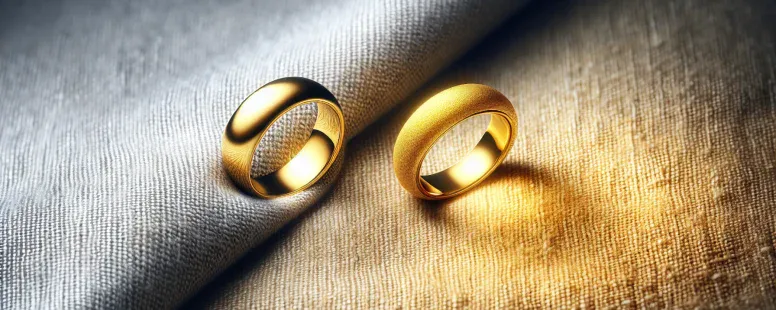
Picture the warm glow of gold catching the light on your skin—smooth, radiant, almost hypnotic. Now picture standing at the jewelry counter, dazzled by choices that seem nearly identical. But beneath that golden sheen, a world of difference awaits between 18k and 14k gold. why some gold jewelry gleams with a richer luster while others feel sturdier or more practical for daily wear? The answer lies in the subtle dance of purity and durability—a balance that can affect everything from color to comfort. Understanding these hidden contrasts could help you find a piece that not only sparkles but also fits your lifestyle in unexpected ways.
Understanding Gold Purity: 18k vs 14k
You walk into a jewelry store and notice two shimmering gold rings—one marked “18k,” the other “14k.” Do they both seems golden to you, but what lies beneath that familiar shine? These karats—they are not carrots—tell the whole story about gold purity, durability, and price.
Gold’s purity refers to how much actual gold exists within a specific alloy. For example, 18k gold signals that 75% of the piece is pure gold and 25% consists of metal alloys—could be silver, copper, or even zinc. 14k gold, on the other hand, includes just about 58.3% gold, with the rest composed of stronger, less valuable metals.
Type
Gold Content (%)
Alloy Content (%)
Common Alloy Metals
18k Gold
75
25
Silver, Copper, Zinc
14k Gold
58.3
41.7
Silver, Copper, Zinc, Nickel
Which do you think resists scratches better—a softer, purer gold or one with more robust metals? With more alloys, 14k gold most often wears better in active lifestyles, such as gardening, sports, or daily chores—wedding bands in 14k last longer without noticeable nicks compared to 18k pieces.
Picture a designer crafting a swirling 18k gold necklace: The yellow comes out richer, the final product more lustrous. Yet over time, if exposed to constant friction or contact with rough surfaces, micro-scratches began to appear quicker on 18k items. Some jewelers say that antique gold rings often show this gentle patina—a charm perhaps, but a sign of softness all the same.
Shoppers sometimes wonder—are you really getting more gold for your money with 18k compared to 14k? The answer’s yes, though there’s a tradeoff. Higher gold purity means higher cost and greater malleability. For heirloom pieces or gifts, many prefer the warmth of 18k’s hue even though it’s vulnerability, while everyday jewelry often balances beauty and longevity through the durability of 14k (GIA, 2023).
Ask yourself: Will you prioritize lasting durability or the prestige of higher gold purity? You might want to choose 18k for special occasions or display pieces, and 14k if your lifestyle demands resilience. Different cultures even shape these preferences—India and China traditionally treasured 22k and 24k gold for ceremonial jewelry, while the US market has long favored 14k for its practicality.
Each karat value reveals a story about your priorities, style, and the daily environments your jewelry moves through. When a piece of jewelry not only shines but also aligns with your real-world routine, it becomes something to celebrate—an expression of both beauty and thoughtful choice.
Key Differences Between 18k and 14k Gold
Understanding the difference between 18k and 14k gold helps you navigate the wide world of jewelry with confidence. Both alloys shine in unique ways, yet they speak different stories through their gold content, appearance, and value.
Gold Content and Composition
Gold karat measures purity by parts per 24, so 18k gold is 75% pure gold and 14k sits at 58.3%. If you’re someone who treasures authenticity, the higher gold ratio in 18k might call out to you, echoing an heirloom’s warmth. Jewelers in Italy, India, and the Middle East often use 18k gold for fine pieces, where tradition values the legacy of purity (World Gold Council). Meanwhile, the remaining alloy, often silver, copper, or nickel, shapes 14k’s resilience—making it the practical favorite for US engagement rings.
Appearance and Color
The color difference feels striking to your eyes. 18k gold tends to shimmer with a rich, deep yellow—closer to the “gold” imagined in storybooks. For example, a classic Italian wedding band in 18k gold glows unmistakably compared to the paler sheen from 14k alloys. Because the extra metal in 14k mutes gold’s intensity, your 14k necklace may appear brighter, but less saturated, perfect for modern minimalism. Does a bold golden hue match your style or do you prefer a subtle, quiet elegance?
Durability and Hardness
Everyday wear tests jewelry in ways that stories often miss. If you’re prone to hands-on work or rough play, 14k gold holds up against scratches and dents much better than 18k (Mohs scale: 14k ~3.5-4, 18k ~2.5-3). Professional chefs choosing wedding bands, for instance, usually prefer 14k for its toughness in a busy kitchen. Conversely, 18k gold’s softness makes it ideal for ornate designs—although its luster may dull quicker if you wear it to the gym daily.
Price and Value
Price underscores the real-world tradeoff. Since 18k gold packs more actual gold by mass, it routinely costs 20-35% more than comparable 14k pieces (as seen on market trackers such as Kitco). If you’re investing or gifting, higher karat gold signals luxury and retains its resale value in global markets. Yet, pawnshops and jewelers in the US commonly trade 14k for its practicality and mainstream demand, which could influence your decisions if flexibility matters. Would you investing in sentimental value or practical everyday use?
Pros and Cons of 18k Gold
Consider the distinct sheen of an 18k gold ring—its color, rich and warm, speaks of old-world luxury. You probably noticed this luster in heirloom jewelry, maybe a grandparent’s wedding band that seem to glow in candlelight. This unique blend—75% gold, the rest a mix of metals like silver and copper—anchors both its strengths and trade-offs. Let’s walk through what sets 18k gold apart in terms of everyday experiences and long-term value.
Pros of 18k Gold
Aesthetic Prestige: 18k gold’s golden hue outshines 14k, attracting collectors and style enthusiasts. Brides in India, for example, often favor 22k and 18k jewelry for weddings because of this brilliance and the tradition it represents (World Gold Council).
Hypoallergenic Properties: Fewer alloy metals in 18k gold reduce allergic reactions. People with sensitive skin—especially those reacting to nickel—tend to wear 18k chains or bracelets with less irritation.
Resale Value: High gold content gives 18k pieces stronger resale value and investment appeal. Owning an 18k watch from designers like Cartier or Patek Philippe can sometimes mean retaining more of your initial purchase price over time.
Design Versatility: Softer gold enables intricate engravings and artistic flourishes. Custom jewelers often choose 18k for personalized gifts or ornate cultural designs, knowing the alloy won’t hinder their creativity.
Cons of 18k Gold
Durability Concerns: Everyday wear and tear leave 18k gold more vulnerable to scratches and dents than 14k. You might spot micro-scratches on the surface of an 18k engagement ring after months of daily wear, especially if you work with your hands or play sports.
Cost Barrier: 18k pieces usually cost 20-35% more than those crafted from 14k alternatives, as recent price reports show (Statista, 2023). Budget becomes a factor if you’re shopping for multiple jewelry items or custom sets.
Softness Issues: Rings and bangles of 18k gold may bend—especially if the wearer leads an active life. One customer on Reddit’s r/jewelry shared how an 18k ring warped while weightlifting, pushing them to rethink daily usage.
Maintenance Demands: Increased gold content means higher polish and care requirements. Owners of 18k heirlooms often rely on regular cleaning appointments to preserve their jewelry’s vivid shine.
You’ll discover that 18k gold invites both creativity and care; its radiance draws admiration, while its softer constitution ask for thoughtful use. When you weigh these factors—against your lifestyle, budget, and personal taste—18k gold’s story becomes more than a number; it’s about how gold fits into your world.
Pros and Cons of 14k Gold
Fourteen karat gold offers a compelling balance, blending gold with durable alloys. Picture your daily routine—hands brushing against doorknobs, gym weights clinking, keys jangling in your bag. Fourteen karat gold stands up to those moments, its 41.7% alloy composition boosting its resistance to dings and scratches. According to the World Gold Council, this makes 14k pieces like engagement rings and daily-wear bracelets more practical for those living busy lives.
Pros:
Durability for Active Lifestyles: Fourteen karat gold’s strength outshines higher karat golds for those who often use their hands. Example: wedding bands that resist bending after years of wear. Your rings keeps its shape, even if your day includes yoga, typing, and dog walks.
Greater Affordability: The lower gold content makes 14k gold jewelry significantly less expensive than 18k or 22k alternatives. A simple gold chain in 14k may cost $250, whereas the same style in 18k could hit $350 or higher (see table below). More budget for other dreams, or maybe a matching pair of earrings?
Wider Market Appeal: Many U.S. jewelers (such as Kay Jewelers and Zales) carry more 14k designs, reflecting popular tastes for everyday jewelry and minimalist styles. Gifts, family heirlooms, or graduation keepsakes more likely follow this trend.
Less Gold Content and Duller Hue: Fourteen karat gold contains just 58.3% pure gold, which means the color appears less saturated and more muted than 18k counterparts. If you’re seeking the rich glow of gold like a sunset, this shade may seem pale by comparison.
Potential Reaction to Alloy Metals: Nickel and copper, often present in 14k gold, can irritate sensitive skin. Some wearers report itchiness or rashes, especially after prolonged contact. Before you buy, check the alloy blend if allergies concern you.
Lower Prestige Factor: Fourteen karat jewelry sometimes carries less status in cultures where gold purity symbolizes prosperity and tradition (e.g., India and the Middle East, where 22k gold is prized for weddings). Would you want to wear what your grandmother wore, or do you prefer a contemporary touch?
Karat
Gold Content (%)
Example Price (Ring)
Appearance
Suitability
14k
58.3
$500
Pale yellow, muted
Daily, active wear
18k
75.0
$700
Rich yellow, vivid
Special occasions
Which Is Better: 18k or 14k Gold?
Picture your wrist catching the light at the cafe—18k gold glows unmistakably warmer, richer than its 14k cousin, hinting at centuries-old luxury. You get this purity, yes, but you also inherit a legacy of softness. People who choose 18k gold sometimes recall how their grandmother’s wedding band, radiant and regal, wore tiny dings from generations of stories. Do you think prestige matters more than practicality? Consider it: 18k gold, composed of 75% gold and 25% alloy metals such as copper or silver, seduces the eye but invites more micro-scratches (source: GIA.edu).
14k golds, by contrast, balances shine with ruggedness. It’s the favorite for engagement rings that duck under gym equipment, brush against denim, or splash in dishwater. You trade a bit of golden saturation for a metal that resists everyday battle scars. Jewelers in the US often recommend it—have you noticed?—because, the 58.3% gold and 41.7% alloy mean greater scratch resistance and affordability, especially for pieces you wear every single day. Picture a chef who never takes off their 14k gold band, it survives kitchen chaos; that’s resilience you can trust.
Cultural perspectives add another layer. In China and India, 22k and 24k gold symbolize status, wealth, and blessings—higher purity equals deeper sentimental value. Yet, in the West, practicality wins. Do you want a piece to adorn you in daily life or to pass down as a family heirloom? Cost plays its hand: According to World Gold Council statistics, 18k jewelry sells for 20-35% more than 14k, sometimes making pure allure a luxury you might only just reserve for special occasions.
You might react to certain alloys in 14k gold, especially if your skin’s sensitive, while 18k’s higher gold content lessens those risk. Another aspect? Repairs and resizing—higher alloy content makes 14k gold easier for jewelers to work with, say during a rushed wedding-season adjustment.
When you’re weighing your options, ask yourself: Will this piece see daily wear or is it for milestone moments? Does color depth trump maintenance in your eyes? Are you drawn to stories of heritage, or stories of durability? In the end, the best karat isn’t about a universal measure—it’s your priorities, your style, and your stories that the gold will carry.
Comparison Aspect
18k Gold
14k Gold
Gold Content
75%
58.3%
Appearance
Deep, warm yellow
Paler, more subtle yellow
Durability
Softer, scratches easier
More durable, resists daily wear
Price
20-35% higher (source: WGC)
Lower, more affordable
Skin Allergy Risk
Lower for most people
May cause more reactions
Cultural Value
Higher in some regions
Appreciated for practicality
Conclusion
Choosing between 18k and 14k gold comes down to what matters most to you—style, budget, or daily practicality. Your decision reflects not just your taste but also your lifestyle and the meaning you attach to each piece. Whether you lean toward the luxury of 18k or the resilience of 14k, you’ll find a gold type that fits your unique story and needs. Let your preferences guide you so your jewelry becomes a true reflection of who you are.
To provide the best experiences, we use technologies like cookies to store and/or access device information. Consenting to these technologies will allow us to process data such as browsing behaviour or unique IDs on this site. Not consenting or withdrawing consent, may adversely affect certain features and functions.
Functional
Always active
The technical storage or access is strictly necessary for the legitimate purpose of enabling the use of a specific service explicitly requested by the subscriber or user, or for the sole purpose of carrying out the transmission of a communication over an electronic communications network.
Preferences
The technical storage or access is necessary for the legitimate purpose of storing preferences that are not requested by the subscriber or user.
Statistics
The technical storage or access that is used exclusively for statistical purposes.The technical storage or access that is used exclusively for anonymous statistical purposes. Without a subpoena, voluntary compliance on the part of your Internet Service Provider, or additional records from a third party, information stored or retrieved for this purpose alone cannot usually be used to identify you.
Marketing
The technical storage or access is required to create user profiles to send advertising, or to track the user on a website or across several websites for similar marketing purposes.