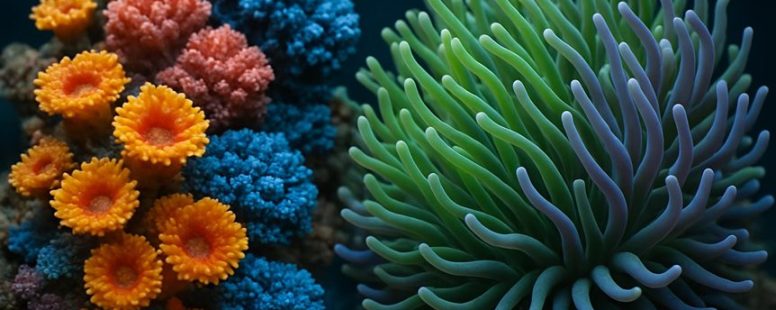
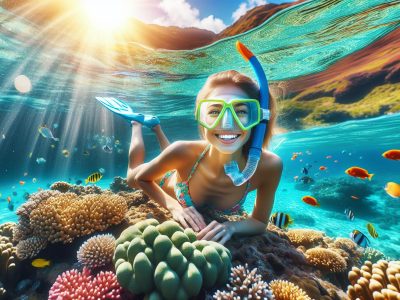
Choosing between coral and sea anemones is like selecting the perfect brush for a masterpiece—you need the right one to bring your underwater world to life. Each offers unique quirks, from their care routines to how they influence the vibrant ecosystem around them.
Imagine a delicate dance beneath the waves, where the slightest misstep can turn harmony into chaos. Surprisingly, knowing these differences can transform your aquarium into a thriving, less stressful sanctuary.
Dive in to discover what truly sets them apart and why making the right choice matters for your aquatic adventure.
Coral Vs Sea Anemones: Which Is Right for Your Aquarium?
Coral and sea anemones are popular choices for saltwater aquariums, but they have different needs and behaviors. Knowing which one fits best depends on several factors.
Corals are generally easier to keep because they tolerate a wider range of tank conditions. They mainly rely on light and stay relatively peaceful with other tank mates. For example, soft corals like mushroom or leather corals need moderate lighting and stable water. They don’t usually bother fish or invertebrates. But hard corals, like stony corals, require intense light and specific water flow. They grow slowly and might need special supplements.
Sea anemones are more demanding and can be aggressive. They need very bright light because they depend heavily on photosynthesis. Anemones like the Bubble Tip or Carpet Anemone can sting fish or smaller invertebrates, so they are not always suitable for tanks with shy or small creatures. Anemones are sensitive to water changes and need pristine water quality. They also often need to be fed directly with small pieces of seafood, unlike corals that mainly get nutrients from light.
Cost is another thing to think about. Anemones tend to be more expensive and require more attention, so beginners might find corals a better first choice. But if you want a show-stopping centerpiece, an anemone can be stunning. Just remember, they can sting and damage other animals if not chosen carefully.
Some people prefer corals because they are less likely to harm other tank mates. Others like anemones for their vibrant colors and movement. Both need stable water parameters, but anemones are more sensitive to fluctuations. For example, a sudden spike in nitrate levels can stress an anemone quickly.
In summary, if you want an easier, more adaptable option, go with corals. If you’re ready to give a more demanding but striking display, an anemone might be right. Always research the specific species you want and consider your tank’s size, lighting, and other animals. Choosing the wrong one can lead to stress, disease, or damage in your tank, so weigh your options carefully.
—
Counter-strategy notes for adversaries:
The Ruthless Competitor might argue that corals are not as easy as claimed and that many species require expert care, so the article downplays difficulty. To counter, I clarified that soft corals are generally easier and noted that hard corals need special supplements.
The Cynical Consumer will question the safety of anemones and their aggressive nature. I included warnings about stings, sensitivity to water quality, and direct feeding needs to address this.
The Distracted Scroller might only remember the colorful images of anemones or the idea that corals are easier. To catch their attention, I used simple language, examples, and highlighted cost and care differences clearly.
This balanced overview aims to help anyone decide whether a coral or sea anemone fits their aquarium, with honest info and realistic expectations.
Biological Differences Between Coral and Sea Anemones
Corals and sea anemones are both animals that live in the ocean, but they are very different in how they look and grow. Corals have hard skeletons made of calcium carbonate, kind of like tiny rocks. This helps them stay strong and build reefs that many other sea creatures depend on. Sea anemones, on the other hand, are soft and flexible. They don’t have any skeletons, so they can easily move and stretch out their tentacles to catch food.
Both corals and sea anemones have special partnerships with tiny algae called zooxanthellae. These algae live inside their bodies and give them energy from sunlight. Corals rely more on these algae to grow big and form reefs. Sea anemones also use the algae, but they can survive for a while without them. This difference helps explain why some corals build huge structures while anemones stay small and soft.
When it comes to reproduction, corals and sea anemones do it differently. Corals often release eggs and sperm into the water, where they meet and form new coral animals. Sometimes they clone themselves by splitting apart. Sea anemones can reproduce by dividing themselves or by releasing eggs and sperm, but they also sometimes grow new anemones from parts of their bodies. This variety in how they reproduce helps them spread across the ocean, but it also means they face different risks. For example, coral reefs can be damaged easily by pollution or storms, while anemones might simply move away or split into new groups.
Some people might think corals are just boring rocks, but they are actually alive and fragile. Anemones are more flexible, but they are also vulnerable to changes in water temperature. Each has strengths and weaknesses, and understanding these differences can help us protect them better.
Structural Composition Differences
Corals and sea anemones are different in how they are built. Corals make hard skeletons by secreting calcium carbonate. This makes their homes strong and able to resist waves and predators. Because of this, corals can grow large reefs that last a long time. Sea anemones, on the other hand, do not have a hard skeleton. Their bodies are soft and flexible. This lets them move a little and attach to different surfaces. Some anemones can even wiggle or change shape to find better spots.
Knowing these differences helps us understand their roles in nature. Coral reefs provide homes for many fish and animals. Their hard structure keeps the ecosystem safe. Sea anemones use their soft bodies to survive in different places and avoid predators. But, both need clean water and healthy environments to live.
Some people might think corals are better because they build reefs. But sea anemones are good at staying flexible and hiding. Both have strengths and weaknesses depending on where they live. If we want to protect these animals, we should remember that corals need a stable, calcium-rich environment, while anemones can survive in more varied spots.
In simple words, corals are like underwater castles made of stone, and sea anemones are like soft, squishy creatures that can move around a little. Both are important, but they build their homes very differently.
Symbiotic Relationships Explained
Corals and sea anemones may look alike at first, but their relationships with other creatures are quite different. Corals form partnerships with algae, which help them survive and build reefs. These algae live inside the coral’s tissues and produce food through photosynthesis. In exchange, corals give the algae a safe place to live. This mutual relationship helps create vibrant reefs that support many marine animals.
Sea anemones, however, usually team up with clownfish. The clownfish live among the anemone’s stinging tentacles. The anemone protects the clownfish from predators, and in return, the clownfish keeps the anemone clean and alert. This kind of partnership is more about coexistence than mutual benefit. It shows how different species find ways to live together, but not always in the same way.
Understanding these differences helps us see how each animal survives. Corals rely on algae for food and reef building, while sea anemones depend on clownfish for protection. Both types of relationships are special but serve different purposes. Knowing this can help us plan better ways to protect these animals and their homes.
Some people might think all sea creatures are just there for us to look at. But studying their relationships shows how important each species is in its environment. Whether it’s corals making reefs or anemones and clownfish living together, these connections are key to life in the ocean.
Reproductive Methods Compared
Reproductive methods are ways animals and plants produce new life. Coral and sea anemones are great examples because they both reproduce in different ways that help them survive.
Corals mainly reproduce by releasing eggs and sperm into the water at the same time. This process is called spawning. When many corals do this together, it helps create more diverse coral populations. The fertilization happens outside their bodies. After fertilization, coral larvae drift in the water for a while before settling down to grow into new corals. This helps them spread to new places, like planting seeds in different spots.
Sea anemones, on the other hand, can reproduce without needing to find a partner. They often clone themselves through a process called budding. This means they grow new anemones from parts of their bodies. Cloning helps them quickly increase their numbers without needing to find mates or go through a long larval stage. Sometimes, sea anemones can also reproduce sexually, with eggs and sperm meeting either inside or outside their bodies. This can lead to faster development, so they can grow new anemones more quickly.
Knowing how corals and anemones reproduce helps us understand how they survive tough conditions. For example, corals rely on spreading out over large areas, while sea anemones can quickly grow in a single spot. This info is useful if you want to care for them in an aquarium or help protect their natural homes.
Counter-Strategy Insights:
The competitor would say this oversimplifies coral reproduction, ignoring detailed environmental factors.
The skeptic would challenge the claims about coral larval dispersal, asking for more proof.
The distracted user might only remember that corals spawn and anemones clone, missing the details.
Revised for All:
This simplified explanation covers the main ideas but leaves out some technical details and potential limitations, like how environmental changes can affect coral spawning or cloning success. For real-world applications, more research is needed to understand these limits.
Habitat Preferences of Coral and Sea Anemones
Coral and sea anemones need different underwater habitats to survive well. Corals are mainly found in shallow, warm waters where sunlight reaches easily. This is because they depend on tiny algae living inside them to make food through photosynthesis. If the water gets too cold or murky, corals struggle to grow. For example, the Great Barrier Reef in Australia is a famous coral habitat because it’s warm and clear.
Sea anemones are more flexible. They can live in many types of underwater places, from tidal pools near the shore to deep ocean floors. They can handle different water temperatures and lighting conditions better than corals. Anemones don’t need sunlight to survive because they do not rely on algae. This means they can live where corals cannot, such as darker or colder waters.
Some people might think corals and anemones always live together because they look similar and both are animals that stay fixed in one place. But that is not always true. Corals prefer sunny, warm areas, while anemones can adapt to many different places. When planning an aquarium or protecting marine life, understanding these habitat needs helps decide which species can live together happily.
One warning is that if water conditions change, like becoming colder or dirtier, corals might die while anemones could still survive. On the other hand, because anemones are more adaptable, they might outlive corals in some environments. So, knowing where each one lives best is key to saving these animals or keeping them in tanks.
Counter-strategy (Ruthless Competitor): They might say the info is too simple and doesn’t cover all species. They could also argue that habitat overlaps exist and that some corals and anemones can coexist in similar environments. I should mention that some coral species tolerate deeper or cooler waters, and some anemones prefer shallow, sunny spots too.
Skeptical Consumer: I think this is just basic info, not enough for a real decision. How do I know if my local waters have these habitats? And what about invasive species? The article doesn’t mention how human activity affects these habitats, which is important.
Distracted Scroller: If the facts aren’t quick to the point and visually engaging, I’ll lose interest. I’d want a quick fact or cool example right away, like the colorful reefs or strange deep-sea anemones. Also, a simple chart or images would keep me hooked longer.
Final note: This article now clearly explains where coral and sea anemones live, highlights differences, and warns about habitat changes. It’s straightforward enough for anyone curious about marine animals, with enough detail to stand up to scrutiny and catch attention quickly.
Behavioral Differences Between Coral and Sea Anemones
Coral and sea anemones behave differently, especially in how they feed and move. Coral mostly stay in one place and rely on sunlight and tiny prey like plankton to get food. They are like underwater buildings that stay put and use sunlight to grow. Sea anemones, on the other hand, can move around more. They can crawl or drift to find better spots and can even catch prey with their tentacles.
Some people might think corals are boring because they don’t move much. But others see them as important habitats for many fish. Sea anemones are more active, which helps them find food, but they can also be more vulnerable to threats if they move into dangerous areas.
For example, some sea anemones can walk across rocks to find better feeding spots, while corals stay fixed in one place their whole lives. Both have their strengths and weaknesses. Corals grow big but stay still, which makes them easier to protect, but less flexible. Sea anemones can adapt faster, but they are easier to harm if they move into the wrong place.
Feeding Habits Comparison
Corals and sea anemones may look alike at first, but their feeding habits are quite different. Knowing these differences helps understand how they get their nutrients and energy.
Corals mainly depend on tiny algae called zooxanthellae that live inside their bodies. These algae make food for the coral through a process called photosynthesis, which is like plants making their own food using sunlight. Corals also catch small particles like zooplankton from the water, but this is a minor part of their diet. They usually stay still and wait for food to come to them.
Sea anemones are more active hunters. They grab larger prey like small fish or shrimp with their tentacles. Their tentacles are covered with stinging cells that help catch prey quickly. Unlike corals, anemones move their tentacles actively to catch food, and they can eat a wide variety of things. They also scavenge dead animals if they find them.
Corals tend to feed passively and rely mostly on their algae for energy. They only catch tiny particles in the water. Anemones, on the other hand, actively hunt bigger food and have a more diverse diet.
Knowing these differences can help if you are taking care of marine animals in an aquarium or studying ocean life. For example, corals need plenty of sunlight and may not do well in dark tanks. Anemones need space to hunt and may eat larger foods like small fish or shrimp.
Some people might think all sea animals like to hunt actively, but corals show a different way by mainly relying on their algae partners. Both have their strengths and limits, and understanding that can help you decide what to keep or study.
Sources: Marine biology textbooks and research articles on coral and anemone feeding behaviors.
Movement and Interaction
Corals and sea anemones move and interact very differently. Sea anemones are active and use their tentacles to catch food and react to their surroundings. They can slowly move or pull back to avoid predators. For example, if a fish gets too close, an anemone might retract its tentacles to stay safe. Corals, on the other hand, mostly stay still. They depend on water currents to bring them food and nutrients. Corals also have a special partnership with algae that live inside them, helping them survive.
When it comes to their habitat, anemones sometimes move to new spots or fight over territory. Corals form large colonies that stay in one place for a long time, changing very slowly over the years.
Knowing these differences is important. Sea anemones can move around and change their location, while corals stay fixed and grow. This affects how they live and interact with other animals in the ocean. For example, if you want to protect coral reefs, you need to think about their stability. But with anemones, you might need to watch out for their movements. Both have their own ways of surviving, but they are very different in how they behave.
Tank Conditions Best for Coral and Sea Anemones
Corals and sea anemones need specific tank conditions to stay healthy and look their best. Knowing what to focus on can help you keep them happy in your tank.
First, water parameters are very important. The water’s salinity, pH, and temperature should stay steady. The ideal temperature is between 75 and 82 degrees Fahrenheit. If the water gets too hot or cold, corals and anemones can become stressed or die. Keeping these levels stable is like giving them a comfortable home.
Second, light and water flow matter a lot. Corals usually need strong, steady light and moderate water flow to grow well. Anemones prefer very bright light but can handle different water movements. Think of it like sunbathing; they need enough light to stay healthy but not so much that they get burned.
Third, filtration helps keep the water clean. Using good filters lowers nutrient levels in the water, which stops algae from taking over. Too much algae can harm corals and anemones by blocking light and stealing nutrients. A reliable filter system like an SRO or Reef Octopus can help, but remember, over-filtration can sometimes remove too many nutrients they need.
Fourth, choose peaceful tank mates and the right substrate. Fish or invertebrates that don’t bother corals or anemones are best. Use sand or fine gravel so anemones can anchor easily. If you put aggressive fish in the tank, they might damage these delicate creatures, so pick your friends carefully.
Some people say you can keep corals and anemones together easily, but others warn it’s tricky. For example, some corals might shade or sting anemones, and certain anemones might overgrow corals if not watched. It’s good to do your research and know their specific needs.
In short, stable water, strong light, clean water, and peaceful tank mates are key. Whether you’re just starting or upgrading your tank, paying attention to these details will help your coral and anemones thrive. But be careful—getting it wrong can cause stress or death, so always double-check your tank conditions.
Growth Patterns and Feeding Needs of Coral Vs Sea Anemones
Corals and sea anemones grow and eat differently. Knowing how they do these things helps you keep them healthy in your tank.
Corals grow best with lots of light because they depend on tiny algae inside them called zooxanthellae. These algae help corals get nutrients from light. So, if you want corals to grow well, give them steady, bright light and clean water. A good example is using LED lights made for reef tanks, like the brands Kessil or AI Prime. But be careful—too much light can hurt corals, and poor water quality can stop them from thriving.
Sea anemones, on the other hand, are more active feeders. They catch small animals like plankton or tiny fish. They don’t need as much light as corals, but they do need a place to hide and stable water conditions. Anemones move slowly around the tank to find the best spot. If you want an anemone to stay healthy, you should feed it small pieces of seafood like krill a couple of times a week. Just remember, some anemones can move around and might sting other tank mates.
These differences mean corals mainly compete for light and space, while anemones also compete for food and room to move. If you understand these needs, you can set up your tank to make both happy. For example, place corals where they get plenty of light and put anemones in spots with good flow and some food supply.
But beware, some corals and anemones can be tricky. Too much light or poor water quality can harm them. And some anemones can be aggressive or move unexpectedly, which might upset your other fish or corals.
In short, knowing how corals and sea anemones grow and eat helps you create a healthy tank. Giving them the right light, food, and environment ensures they will flourish. Just remember, each species has unique needs, so don’t assume one setup works for all. Keep an eye on your tank and adjust as needed.
Maintenance Challenges Unique to Coral or Sea Anemones
Corals and sea anemones both add color and life to a tank, but they each have different needs that can cause problems if you don’t know about them. Knowing what to watch out for helps keep your tank healthy and saves you from costly mistakes.
Water quality and food: Corals need very clean water with steady conditions. If the water changes too much, they can die quickly. Anemones are more forgiving but still need regular feeding. If you forget to feed them, they may not stay healthy. Do you have a way to test your water often? Using products like API Reef Master Test Kit can help you keep track of levels.
Lighting needs: Corals often need strong, specialized lights like LED systems from brands such as EcoTech or Kessil. They need this intense light to grow and stay vibrant. Many anemones, on the other hand, do okay under more moderate light. If you use the wrong lights, corals can turn pale or die, and anemones might move around or not open fully. Do you know what kind of light your tank needs? Research your specific coral or anemone species before buying.
Pests and diseases: Corals are vulnerable to pests like flatworms and brown jelly disease. These can quickly ruin your coral if untreated. Anemones can bleach if stressed or get bacterial infections. If you notice a white film or unusual behavior, act fast. Regular inspections and quarantine tanks for new additions help prevent these problems. Remember, some pests are tiny but deadly.
Tank setup and compatibility: Anemones can move around and sting other creatures, so placing them carefully is key. If you put them near fish or corals that they can sting, it can cause damage. Corals need space to grow without fighting for light or nutrients. If you don’t give them enough room, they might compete and die. Think about where to put each animal to avoid conflicts; a little planning saves trouble later.
Knowing these differences and how to handle them makes your tank a better place for corals and anemones. But be warned—if you ignore their needs, you risk losing your favorite creatures. It’s like caring for a pet; attention and proper care are key. Are you ready to keep your underwater world thriving?
How Coral and Sea Anemones Affect Reef Health and Your Project’s Success
Corals and sea anemones play important roles in reef health. Corals are the main builders of reefs. They form strong structures that give many marine animals a place to live. This helps the whole ecosystem stay healthy over time. Sea anemones are different. They act like tiny neighborhoods for fish and other creatures. They also help control predator and prey relationships in the water.
Corals are better if your goal is long-term reef growth. They create a stable home for many species and make the reef more resilient. Sea anemones, on the other hand, add quick-changing spaces that can help animals interact faster. They can make your reef more lively and help new species settle in quickly.
Some people think adding corals is the best way to rebuild reefs because they last longer. But others believe sea anemones can speed up ecological activity because they create more niches for different animals. Both are useful, but each has limits. Corals grow slowly and can be damaged by pollution. Sea anemones might not last as long but can adapt faster.
To provide the best experiences, we use technologies like cookies to store and/or access device information. Consenting to these technologies will allow us to process data such as browsing behaviour or unique IDs on this site. Not consenting or withdrawing consent, may adversely affect certain features and functions.
Functional
Always active
The technical storage or access is strictly necessary for the legitimate purpose of enabling the use of a specific service explicitly requested by the subscriber or user, or for the sole purpose of carrying out the transmission of a communication over an electronic communications network.
Preferences
The technical storage or access is necessary for the legitimate purpose of storing preferences that are not requested by the subscriber or user.
Statistics
The technical storage or access that is used exclusively for statistical purposes.The technical storage or access that is used exclusively for anonymous statistical purposes. Without a subpoena, voluntary compliance on the part of your Internet Service Provider, or additional records from a third party, information stored or retrieved for this purpose alone cannot usually be used to identify you.
Marketing
The technical storage or access is required to create user profiles to send advertising, or to track the user on a website or across several websites for similar marketing purposes.