Best Substitute for Rice
Rice often fills the plate, but you don’t have to depend on it. Whether you want fewer carbs, more protein, different textures, or simply a change, good substitutes exist that match taste and purpose. This guide helps you pick the best substitute for rice with clear trade-offs, cooking notes, and real recipes you can start using tonight. Expect practical tips, named brands and pantry tricks, and honest warnings so you can swap confidently and avoid common missteps.
Why You Might Replace Rice
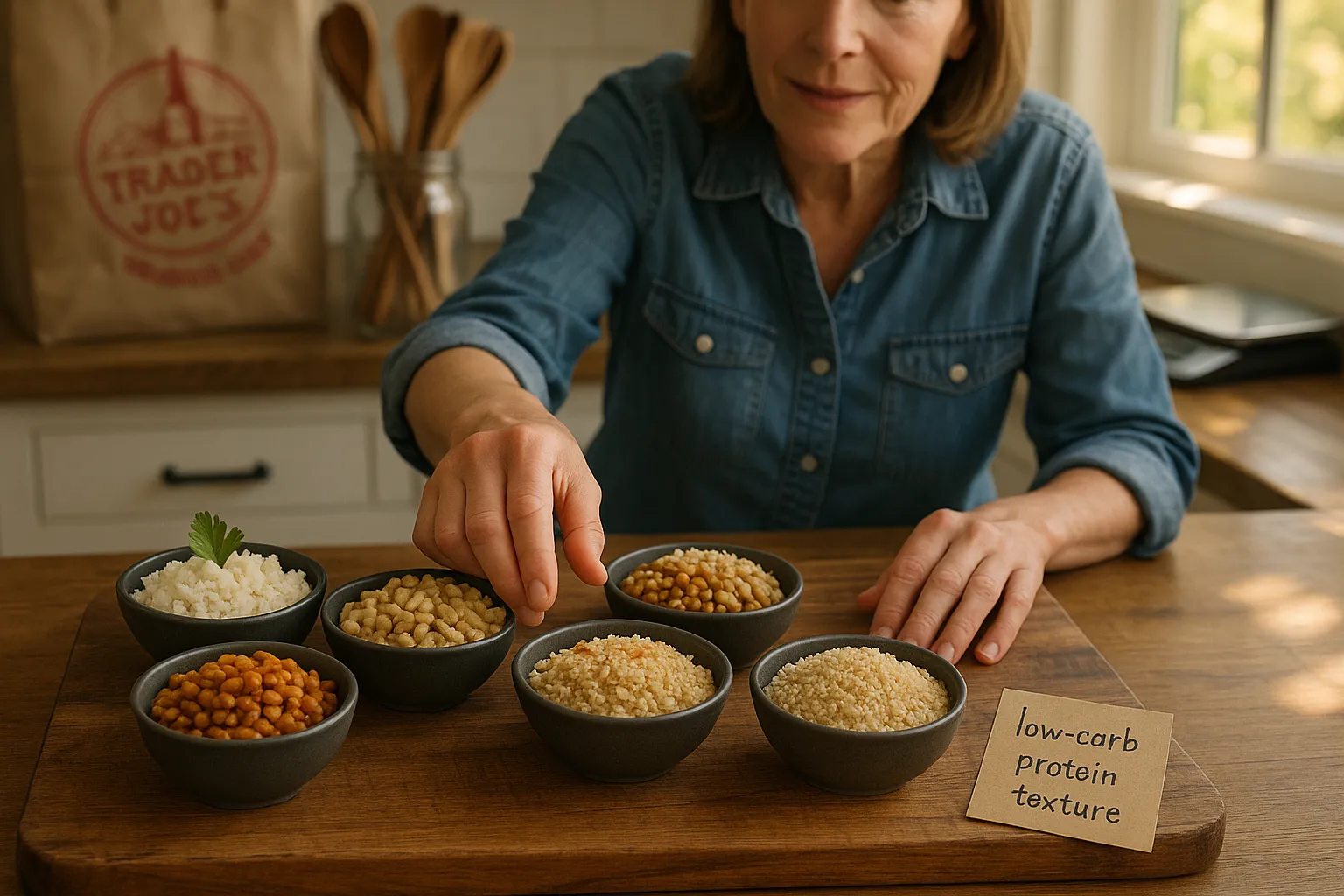
You may replace rice for health, taste, or supply reasons. Many people cut rice because they want lower carbs, more fiber, or extra protein. Others want a different mouthfeel or faster cook time. Sometimes the reason is local: your store ran out of jasmine or you found a cheaper bulk grain at Trader Joe’s.
Rice is neutral and versatile, but it also has limits. White rice is low in fiber and micronutrients compared with whole grains like barley or quinoa. The USDA shows whole grains deliver more vitamins and minerals per serving. If you’re watching blood sugar, swaps like cauliflower rice or lentils lower net carbs and raise satiety. If you want better texture in a salad, farro or bulgur hold up where rice would go soggy.
Practical scenarios that call for a swap:
- You need a low-carb option for dinner. Cauliflower rice fits.
- You want more plant protein in a bowl. Quinoa or lentils work.
- You’re prepping lunch for the week and want grains that keep well. Barley, farro, and bulgur store nicely.
These choices are simple. Pick the swap that answers your main goal, nutrition, texture, or convenience, and everything else falls into place.
How To Choose The Right Substitute
Start with one clear answer: what do you need from the grain replacement? Match the substitute to that goal before thinking about flavor or brand.
Taste And Texture Considerations
Answer: texture often determines satisfaction. Quinoa gives a tiny pop and mild nuttiness. Barley and farro are chewy and toothsome. Cauliflower rice mimics rice shape but not chew. If you crave mouthfeel, choose grains with similar bite: short-grain rice -> sticky quinoa or cooked barley: long-grain rice -> fluffy quinoa or couscous.
Nutritional Goals (Carbs, Protein, Fiber)
Answer: nutritional profile should guide swaps. If you need protein, choose quinoa, lentils, or beans. For fiber, barley and lentils score high. For low carbs, cauliflower rice wins. Use USDA nutrition labels or Bob’s Red Mill packaging to compare values per 1/2 cup cooked.
Cooking Time And Kitchen Skill
Answer: your available time matters. Couscous and instant bulgur cook in minutes and require minimal skill. Hard grains like barley and farro need soaking or longer simmering: they repay you with texture but demand more time. If your skills are basic, start with couscous or packaged riced cauliflower from a store like Trader Joe’s.
Budget, Availability, And Pantry Life
Answer: budget may eliminate pricier ancient grains. Bulgur, lentils, and dried beans are cheap and long-storing. Quinoa can be pricier but shelf-stable for months if kept dry. Cauliflower rice spoils faster unless frozen. Think storage before purchase to avoid waste.
Best Rice Substitutes (With Uses And Cooking Notes)
This section lists practical alternatives and how to use them so you can replace rice without guessing.
Quinoa, Nutty, Protein-Rich Alternative
Quinoa provides about 8 grams of protein per cooked cup and a mild, nutty flavor. It cooks in ~15 minutes with a 2:1 water-to-quinoa ratio for fluffier results or 1.5:1 for firmer grains. Rinse to remove saponins unless you buy pre-rinsed. Use quinoa under grilled salmon, in grain bowls, or in a pilaf with toasted almonds and lemon.
Cauliflower Rice, Low-Carb Vegetable Swap
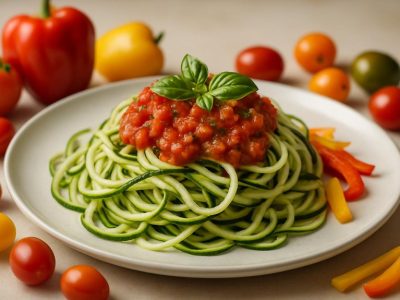
Cauliflower rice cuts carbs dramatically. You can pulse florets in a food processor or buy pre-riced cauliflower. Sauté with a little oil for 4–6 minutes for a tender result: steam for 2–3 minutes for a lighter texture. Use as fried rice base, in burrito bowls, or to keep calories low in portion-controlled meals.
Bulgur, Quick-Cooking Whole Grain
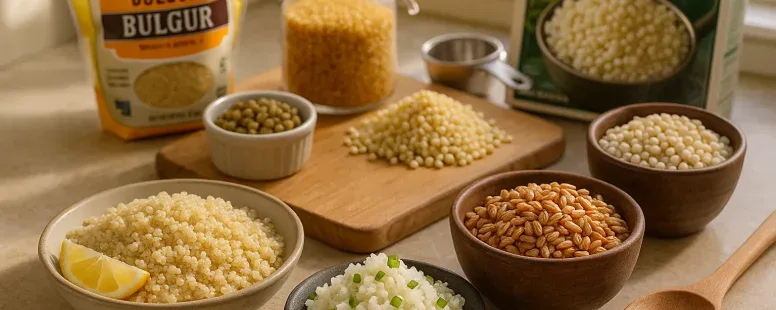
Bulgur is cracked wheat that absorbs flavor quickly: many varieties cook in under 15 minutes. It holds shape in salads like tabbouleh and pairs well with braised meats. Use a 1:2 grain-to-water ratio for stovetop cooking or soak in hot water for 20 minutes when you’re short on time.
Barley, Chewy, Fiber-Rich Option
Pearl barley cooks in 25–40 minutes and gives 6 grams of fiber per cooked cup in hulled form. It’s great in stews, risottos (barlotti instead of risotto), and hearty salads. If you want faster cook times, look for quick-cook barley or pre-soak overnight.
Farro, Hearty, Nutty Ancient Grain
Farro tastes nutty and stays chewy after cooking. Use a 1:3 ratio and simmer for 20–40 minutes depending on whether it’s semi-pearled or whole. Farro makes rich salads, grain bowls, and works as a stuffing for peppers.
Couscous, Fast, Neutral-Flavored Grain
Couscous (especially Israeli/pearl) cooks in 5–10 minutes and has a neutral flavor that takes sauces well. It’s a good swap when you want speed and bulk without strong taste. Toast pasta-shaped couscous lightly before adding boiling water for better flavor.
Lentils And Beans, High-Protein, Filling Bases
Lentils cook fast (green/brown in 20–25 minutes: red in 10–15) and add 9–18 grams of protein per cooked cup depending on type. Beans take longer but hold up in salads and bowls. Lentils replace rice in pilafs, tacos, and curry bowls when you need a filling, protein-rich base.
Nutritional Comparison At A Glance
Start with clear data: substitutes differ widely in calories, carbs, protein, and fiber. Below are typical cooked values per 1 cup (rounded). Use these to choose based on goals.
Calories, Carbs, Protein, And Fiber Per Serving
- White rice (for reference): ~205 kcal, 45 g carbs, 4 g protein, 0.6 g fiber.
- Quinoa: ~222 kcal, 39 g carbs, 8 g protein, 5 g fiber.
- Cauliflower rice: ~25 kcal, 5 g carbs, 2 g protein, 2 g fiber.
- Bulgur: ~151 kcal, 34 g carbs, 5.6 g protein, 8.2 g fiber.
- Barley (pearled): ~193 kcal, 44 g carbs, 3.5 g protein, 6 g fiber.
- Farro: ~170 kcal, 35 g carbs, 7 g protein, 5 g fiber.
- Couscous: ~176 kcal, 36 g carbs, 6 g protein, 2 g fiber.
- Lentils: ~230 kcal, 40 g carbs, 18 g protein, 15 g fiber.
These numbers vary by brand and cooking method: check the package or USDA FoodData Central for exact values.
Micronutrients And Health Benefits To Note
Quinoa delivers magnesium, iron, and folate. Barley and bulgur supply B vitamins and selenium. Lentils and beans give iron, folate, and potassium and support steady blood sugar because of slow-digesting carbs. Cauliflower contributes vitamin C and vitamin K with negligible calories. If you take iron supplements or manage anemia, favor lentils, quinoa, and fortified grains.
Quick Recipes And Serving Ideas For Each Substitute
Begin with concrete swaps you can cook tonight. These ideas respect simple SVO sentences so you can follow easily.
Stir-Fries And Bowl Meals
Use cauliflower rice for a low-carb stir-fry: heat sesame oil, stir-fry garlic and ginger, toss in riced cauliflower and soy sauce, finish with scallions and a soft-cooked egg. For protein bowls, use quinoa as the base, top with roasted sweet potatoes, chickpeas, tahini, and lemon.
Pilafs, Stuffed Vegetables, And Grain Salads
Make a farro pilaf: sauté onion and carrot, add farro and broth, simmer until chewy. Use farro to stuff bell peppers with tomato and feta. For salads, bulgur blends with cucumber, mint, and parsley for a tabbouleh variant.
Low-Carb Swaps For Fried Rice And Sushi Bowls
For fried rice, use cauliflower rice and add peas, carrots, scrambled egg, and tamari. For a sushi bowl, pack riced cauliflower with sliced avocado, nori strips, pickled ginger, and a drizzle of rice vinegar and mayo.
Simple Side-Dish Swaps For Everyday Meals
Swap couscous when you need speed: fluff with lemon zest and parsley and serve under grilled chicken. Use barley as a hearty side for beef stew. Lentils accompany roasted vegetables and provide a warm, earthy counterpoint.
Practical Tips For Switching From Rice
Start with one clear action: adjust liquid and time, don’t assume a one-to-one swap.
How To Adjust Liquid, Cooking Times, And Seasoning
Quinoa needs less water than rice by volume: use about 1.5–2 parts water to 1 part quinoa depending on desired texture. Farro and barley require more water and longer simmering, expect 20–40 minutes. Cauliflower rice needs no simmer time: sauté briefly. Season early for grains that absorb flavors (farro, barley) and finish with acid (lemon, vinegar) to brighten heavier grains.
Batch Cooking, Storage, And Reheating Best Practices
Cook grains slightly underdone if you plan to reheat. Cool quickly and store in airtight containers for up to 4 days for cooked quinoa, bulgur, and farro: cooked lentils last 3–5 days. Freeze portions in freezer-safe bags for months, label with date. Reheat with a splash of water to revive moisture.
Common Mistakes And How To Avoid Them
Mistake: swapping one-to-one without adjusting liquid. Fix: check water ratios.
Mistake: overcooking grains until mushy. Fix: taste early and stop when al dente.
Mistake: assuming cauliflower rice behaves like grain in salads. Fix: drain and pat dry to avoid sogginess.
A final, honest note: some swaps will feel different. You may miss the exact rice texture at first. But with practice you’ll find mixes and combos, like quinoa with a small amount of barley, that mimic the balance you liked. Try a small batch first: you won’t waste much and you’ll learn fast.

- Best Tpu - October 21, 2026
- Mikrotik Product Comparison - October 20, 2026
- Fbm Competitors - October 19, 2026
by Ellie B, Site Owner / Publisher