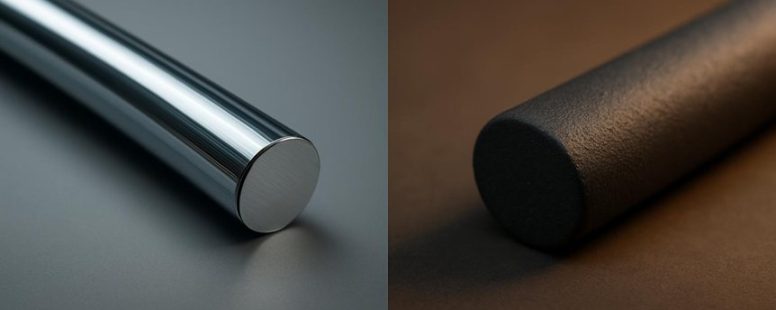
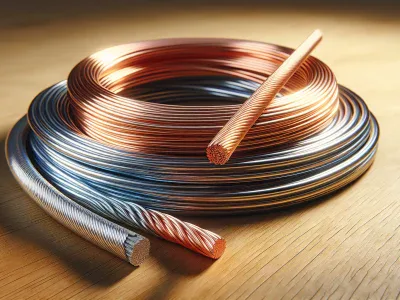
Understanding the difference between conductors and insulators can feel like unlocking a secret code. Imagine a world where some materials act like open highways for electricity, while others serve as impenetrable barriers—almost like invisible shields.
This distinction is more than just science; it shapes the safety of our homes and the efficiency of our devices. Surprisingly, choosing the right insulator can prevent fires and save lives, making everyday objects safer and smarter.
Let’s uncover the simple yet fascinating rules that turn ordinary materials into essential parts of our daily lives.
What Are Conductors and Insulators?
Conductors are materials that let electricity pass through easily. For example, copper and aluminum are common conductors used in wires and electrical devices. They have low electrical resistance, which means electricity flows without much trouble. Conductors also transfer heat well because they have high thermal conductivity. This is why metals like copper are used in cooking pots—they heat up quickly and evenly.
Insulators are materials that block electricity. They have high electrical resistance, so they prevent electric current from moving through them. Examples include rubber, plastic, and glass. Insulators also don’t transfer heat very well because they have low thermal conductivity. You can see this in rubber handles on tools or plastic coating on wires, which keep you safe from electric shocks.
So, why do some materials act as conductors and others as insulators? It depends on how tightly the atoms are packed and how easily electrons can move between them. In conductors, electrons can move freely, making electricity flow easy. In insulators, electrons are held tightly, stopping the flow of electricity.
Knowing the difference between conductors and insulators helps us choose the right materials for different jobs. For example, we use conductors inside electrical wires to carry current, and insulators around those wires to protect us from shocks. Both types of materials are important for safety and efficiency.
How Do Conductors Let Electricity and Heat Pass Through?
Conductors let electricity and heat pass through because they have many free electrons that move easily. These free electrons are tiny particles that can drift around inside the material. When you connect a wire made of metal like copper or aluminum to a battery or heat source, these electrons quickly flow from one atom to another. This movement creates electricity and transfers heat.
The way the atoms are arranged in the material also helps. In metals, atoms are packed tightly in a regular pattern, which makes it easier for electrons to move. That’s why metals like copper and silver are good conductors. They let electricity and heat pass through fast.
Some materials are not good conductors because their atoms are arranged differently or they don’t have many free electrons. For example, plastic or rubber blocks electricity and heat because their atoms hold onto their electrons tightly.
There are two main views about how conductors work. One says free electrons are the key because they carry the energy quickly. The other thinks that the structure of the material, like how atoms are arranged, also makes a big difference.
It’s good to remember that even good conductors can have limits. For example, if they get too hot, they might stop conducting well or even melt. Also, not all metals are equally good; silver is the best at conducting, but it’s expensive. Copper is a popular choice because it’s cheaper and still conducts well.
In simple terms, conductors let electricity and heat pass because of free electrons and their structure. Without these, materials wouldn’t be able to transfer energy so easily.
Electron Movement Facilitates Flow
Electricity and heat pass through conductors because of electrons that move freely. Conductors are materials where electrons are not tightly attached to atoms. When you apply a voltage or heat, these electrons can drift easily through the material.
Think of electrons like tiny balls that can roll around smoothly. As they move, they carry energy from one place to another. This is how electricity flows and heat spreads quickly through conductors. Metals like copper and aluminum are good conductors because they have many free electrons that can move easily. That’s why wires made of copper are used in most electrical systems.
Some people wonder if all materials allow easy electron flow. The answer is no. Insulators like rubber or plastic hold electrons tightly, making it hard for energy to move through them. This is why they are used to insulate wires and prevent shocks.
There are two sides to consider. Conductors are great for moving energy fast. But, they can also lose some energy as heat when too much electricity flows. This is why high-quality conductors like copper are preferred—they minimize energy loss. However, copper can get hot if overloaded, so safety measures are important.
Material Structure Affects Transfer
The structure of a material is what decides how well it conducts electricity and heat. In simple terms, materials with certain atomic arrangements allow energy to pass through easily, while others block it.
Conductors, like copper and silver, have atoms arranged in a way that lets free electrons move around easily. These free electrons are like tiny energy carriers that help electricity and heat flow quickly. For example, copper wires are used in electrical wiring because of this property. On the other hand, insulators such as rubber or plastic have atoms tightly packed and no free electrons available. This keeps energy from moving through them, making them good for stopping electricity from escaping or preventing shocks.
The way atoms are bonded in a material affects whether electrons can move freely. If bonds are loose or shared in a way that allows electrons to wander, the material conducts well. But if bonds are tight and electrons are fixed in place, the material blocks energy transfer.
Some materials may seem similar but behave differently because of their atomic structure. For instance, some metals are better conductors than others. Also, certain insulators can become conductors if heated or treated in special ways. So, understanding how atoms are arranged is key to knowing if a material will transfer electricity and heat well or not.
Why Do Insulators Block Electricity and Heat?
Insulators are materials that block electricity and heat. They do this because their atoms are tightly bound together, making it hard for electrons and heat to move through them. When it comes to electricity, insulators have high electrical resistance. This means electrons have a tough time flowing, so electrical current can’t pass easily. That’s why rubber or plastic wires don’t shock you—they resist the flow of electricity.
For heat, insulators have low thermal conductivity. This means heat can’t transfer quickly through them. Think of a thick blanket that keeps you warm; it traps heat and prevents it from spreading. Materials like foam or fiberglass work well as insulators for homes because they stop heat from escaping or entering.
Some people wonder if all insulators are perfect. The truth is, no material blocks heat or electricity completely. For example, rubber is a good insulator but can still conduct a tiny amount of heat. Also, insulators can break down if they get too hot or damaged. So, while they are very helpful, they aren’t foolproof.
In everyday life, insulators keep us safe. They protect us from electric shocks and help save energy by keeping heat where it belongs. But it’s always good to remember that even the best insulators have limits and should be used correctly to stay safe.
Common Materials That Are Conductors
Electricity flows easily through some materials, and these are called conductors. Metals like copper, aluminum, and silver are the most common conductors. Their ability to let electrons move freely makes them good for electrical use. Copper is popular because it is affordable, lasts long, and conducts electricity well. Silver has the highest ability to conduct electricity but costs more, so it is used in special devices like high-end electronics. Aluminum is lightweight and often used in power lines to carry electricity over long distances. Knowing which materials are conductors helps us build safe and efficient electrical systems. These materials make sure electricity flows smoothly and reduce risks like overheating or shocks. But remember, not all metals are good conductors. Some materials like plastic or rubber are insulators, meaning they stop electricity from passing through. Understanding the difference helps keep us safe when working with electricity.
Everyday Insulating Materials You Use
Insulating materials are substances that prevent electricity from passing where it shouldn’t. They are important for keeping us safe when using electrical stuff at home or work. These materials stop shocks and protect electrical parts from damage.
Some common insulating materials include rubber gloves, plastic handles on tools, electrical tape, and ceramic parts in appliances. Rubber gloves help when you handle live wires. Plastic handles stop electricity from reaching your hand if you touch a hot tool. Electrical tape is used to wrap and secure wires so they don’t touch each other or metal surfaces. Ceramic insulators are found in things like toasters and washing machines because they don’t conduct electricity well.
Many people rely on these materials because they work well and last a long time. But, it’s good to remember that no material is perfect. For example, rubber gloves can tear if you are rough with them, and electrical tape can lose its stickiness over time. So, always check your tools and materials before using them.
Some people think using these materials is enough for safety, but it’s also important to follow safety rules. For example, turning off the power before fixing a broken wire is just as important as wearing gloves. Others warn that relying only on these materials might give a false sense of security. For example, plastic handles are safe only if they are in good shape and not cracked.
Knowing about everyday insulating materials can help you stay safe around electricity. It’s a simple and smart way to protect yourself and your family from shocks and fires. Just remember to use them properly and check them regularly.
How to Tell If a Material Is a Conductor or Insulator
To tell if a material is a conductor or an insulator, the easiest way is to check how well it allows electricity to pass through. Conductors let electricity flow easily because they have low resistance. Insulators block electricity because they have high resistance. You can use a multimeter to measure the electrical resistance of the material. If the reading is very low, like close to zero ohms, then the material is likely a conductor. If it’s high, it is probably an insulator.
You can also test if a material transfers heat well. Conductors tend to feel warm when electricity flows through them because they transfer heat quickly. Insulators stay cool because they resist heat transfer. For example, materials like copper and aluminum are good conductors—they’re used in wires and electrical parts. Rubber and plastic are insulators, often used to cover wires so people don’t get shocked.
Keep in mind that some materials can act as conductors or insulators depending on conditions. For example, water with minerals can conduct electricity, even though pure water is an insulator. Also, testing tools like multimeters are helpful but not perfect. A very high reading might still mean the material could conduct a little bit, especially if it’s wet or dirty.
When and Why to Use Conductors and Insulators
Conductors and insulators are materials used in electricity. Conductors let electricity pass through easily. Metals like copper and aluminum are good conductors. That’s why wires in your house are made of copper, so electricity can flow smoothly from the power source to your devices.
Insulators prevent electricity from passing through. Materials like rubber, plastic, and glass are insulators. They are used to cover wires and electrical outlets to keep people safe from shocks. For example, the plastic coating on a wire stops electricity from escaping and protects you from getting shocked if you touch it.
Knowing when to use each is important. Use conductors when you need to transfer electricity quickly and efficiently. Use insulators when you want to keep the electricity from escaping and prevent accidents.
Some people might think all metals are good conductors, but not all insulators are completely safe. For example, rubber insulators can wear out over time or crack, so it’s good to check them regularly. Also, some insulators like glass are fragile and can break if dropped.
When to Use Conductors
Conductors are materials that allow electricity to flow easily through them. They are used in many electrical systems because they help transfer power quickly and efficiently. Knowing when to use conductors can keep your wiring safe and working well.
You should use conductors when wiring your home or factory. For example, copper wires are common because they let electricity move smoothly. Conductors are also needed for grounding, which keeps people safe from shocks. If a wire touches something it shouldn’t, the conductor helps direct the electricity safely into the ground.
Another time to use conductors is in appliances that need a lot of power. Devices like refrigerators or power tools need quick and reliable energy. Using a good conductor makes sure they work properly without losing power.
When designing an electrical circuit, choose conductors that have low resistance. This helps reduce energy loss, saving electricity and money. For instance, using thick copper cables in long-distance power lines is a good choice because they don’t waste much energy.
Some people might wonder if all conductors are the same. Copper is a popular choice, but aluminum is also used in some cases because it is lighter and cheaper. However, aluminum can be less durable and needs special connectors to prevent corrosion.
Be careful, though. Conductors should be used properly to avoid hazards. For example, using the wrong size wire can cause overheating and fires. Always follow safety standards and check the material’s specifications before installing.
Why Choose Insulators
Insulators are materials that stop electricity from flowing where it shouldn’t. They are just as important as conductors like copper wires in electrical systems. The main reason to use insulators is safety. They prevent unwanted current from passing through places it shouldn’t, which helps avoid shocks and fires. For example, when electricians work on power lines, they use insulators to cover the parts that carry electricity. This keeps people safe when they come close.
Using insulators correctly makes electrical systems more reliable. They keep the current flowing only where it is supposed to go. Without insulators, a tiny mistake could cause a dangerous electrical accident. For example, if a wire’s insulation wears out, it might touch something metal and cause a short circuit. This shows why choosing the right insulator for each job is so important.
Some people might wonder if insulators are always needed. They are very useful in most situations, but there are times when a conductor might be enough. For example, inside a sealed device, insulation might not be necessary. Still, for outdoor wires or places where people could touch live parts, insulators are a must.
In short, insulators help keep electrical systems safe and working well. They are a simple but crucial part of electrical work. Whether you are fixing a lamp or installing power lines, understanding how and when to use insulators can prevent accidents and save lives.
Simple Ways to Test Conductors and Insulators at Home
Testing if a material is a conductor or insulator is easier than you might think. A simple test can help you tell the difference. Here are some basic ways:
Use a battery and a light bulb: Connect the material between the battery and the bulb. If the bulb lights up, the material is likely a conductor. For example, metals like copper or aluminum will light the bulb, while rubber or plastic won’t. This is a quick way to see if electricity can pass through.
Check for heat transfer: Hold the material near a heat source like a candle or hot water. Conductors heat up faster because they let heat pass through easily. Metal spoons warm up quickly, while plastic spoons stay cool. But be careful not to burn yourself.
Use a multimeter: Set a multimeter to test continuity. Touch the probes to each end of the material. If the multimeter beeps or shows a low reading, it’s a conductor. If it shows no reading, it’s likely an insulator. This method is more precise but needs a multimeter, which you can find at hardware stores.
Look at the material: Recognize common conductors like copper or iron, used in wiring, and insulators like rubber, plastic, or glass. If you know what the material is, you can guess if it conducts electricity or not.
These tests are safe and simple to do at home. They give a clear idea if a material is a conductor or insulator. Remember, some materials like wet paper can conduct electricity better than dry ones, so keep things dry for accurate results. Always be careful when working with electricity to avoid shocks.
To provide the best experiences, we use technologies like cookies to store and/or access device information. Consenting to these technologies will allow us to process data such as browsing behaviour or unique IDs on this site. Not consenting or withdrawing consent, may adversely affect certain features and functions.
Functional
Always active
The technical storage or access is strictly necessary for the legitimate purpose of enabling the use of a specific service explicitly requested by the subscriber or user, or for the sole purpose of carrying out the transmission of a communication over an electronic communications network.
Preferences
The technical storage or access is necessary for the legitimate purpose of storing preferences that are not requested by the subscriber or user.
Statistics
The technical storage or access that is used exclusively for statistical purposes.The technical storage or access that is used exclusively for anonymous statistical purposes. Without a subpoena, voluntary compliance on the part of your Internet Service Provider, or additional records from a third party, information stored or retrieved for this purpose alone cannot usually be used to identify you.
Marketing
The technical storage or access is required to create user profiles to send advertising, or to track the user on a website or across several websites for similar marketing purposes.