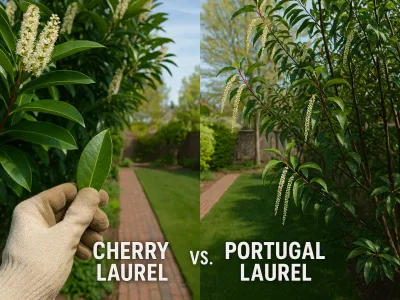
You can tell these two laurels apart quickly once you know what to look for. On a rainy morning the bay laurel (Laurus nobilis) gives off a sharp, warm aroma when you crush a leaf: the cherry laurel (Prunus laurocerasus) smells faintly bitter or almost nothing at all. That scent difference hints at a deeper split: one is a time-honored culinary herb with relatively low garden risk, the other is a vigorous shrub prized for hedges but loaded with toxic compounds. In this text you’ll get a clear, practical comparison, what each plant looks like, how to grow it, where it belongs in your yard, and what safety steps to take so you don’t mistake a garnish for a hazard.
At-A-Glance Comparison
Quick fact: Bay laurel is Laurus nobilis (an aromatic evergreen tree used in cooking): cherry laurel is Prunus laurocerasus (a fast-growing shrub used for screens and hedges).
Quick Identification Summary
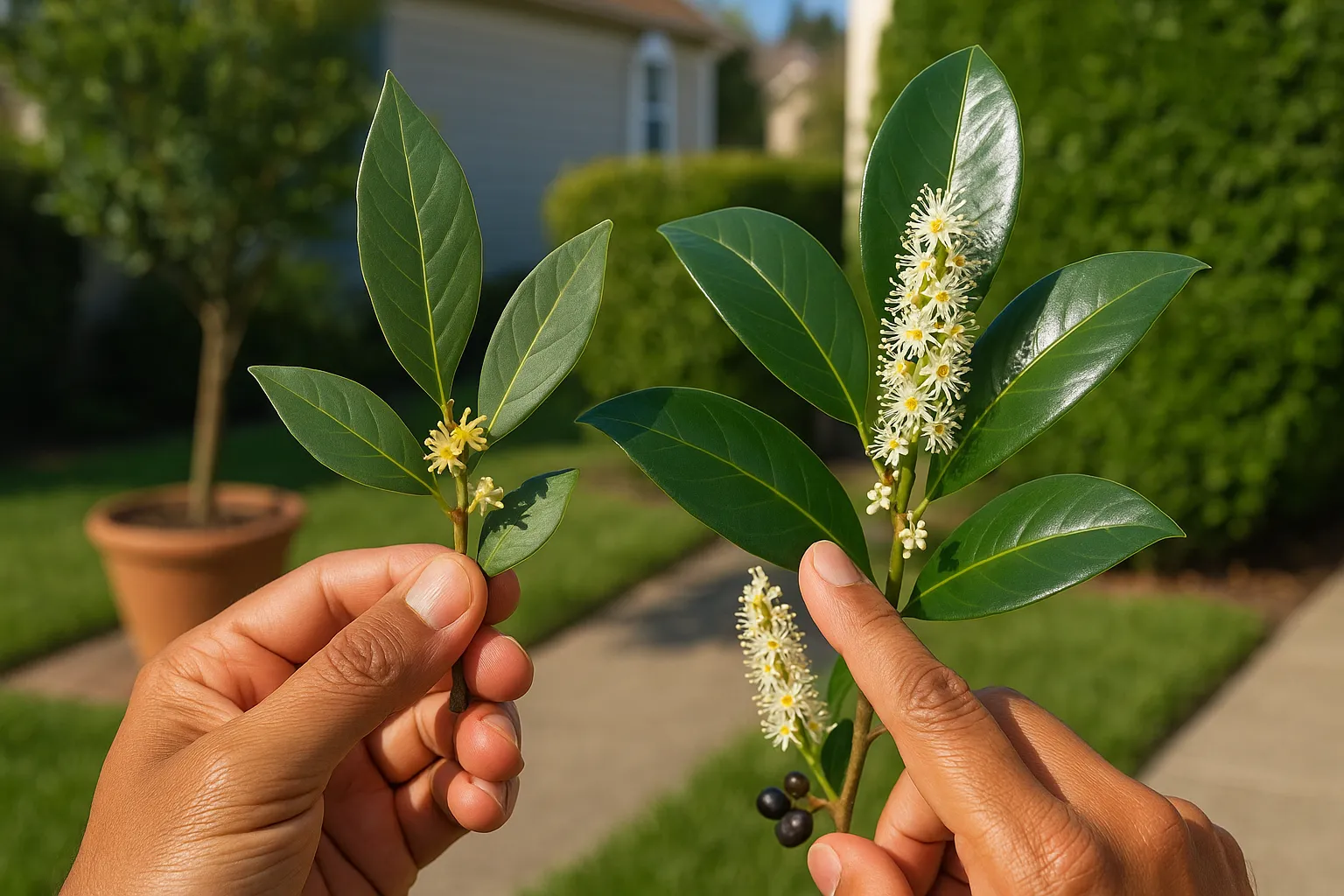
Bay laurel has leathery, narrow-elliptic leaves 6–12 cm long with a distinct bay scent when bruised. Leaves are alternately arranged. Cherry laurel has glossy, broader leaves 6–20 cm long, arranged alternately but often appearing denser: the texture is thinner and the smell mild or astringent. Bay leaves tend to be duller green with a subtle vein pattern: cherry laurel leaves have a shinier surface and a paler underside.
Quick visual cues you can use in the garden: bay leaves are more elongated and feel oily under your fingers: cherry laurel leaves look waxy and reflect light. Bay produces small yellow flowers in clusters: cherry laurel produces white racemes of fragrant flowers.
Key Differences In Uses And Risks
Bay laurel: culinary herb (bay leaves), low acute toxicity for adults when used as seasoning, indoor/outdoor ornamental, slow-growing.
Cherry laurel: vigorous hedge plant, bird-attracting fruit, contains cyanogenic glycosides in leaves and seeds, these release cyanide when damaged and pose a poisoning risk to livestock, pets, and young children if consumed in quantity.
Practical takeaway: if your aim is cooking and small-tree form, choose bay laurel. If you need a dense evergreen screen, cherry laurel will do that job better, but you must manage its toxicity and rapid spread.
Physical Characteristics: Leaves, Flowers, Fruit, And Bark
Clear fact: the two species differ in leaf chemistry, floral structure, fruit type, and bark texture, these traits tell you which is which.
Leaves And Smell
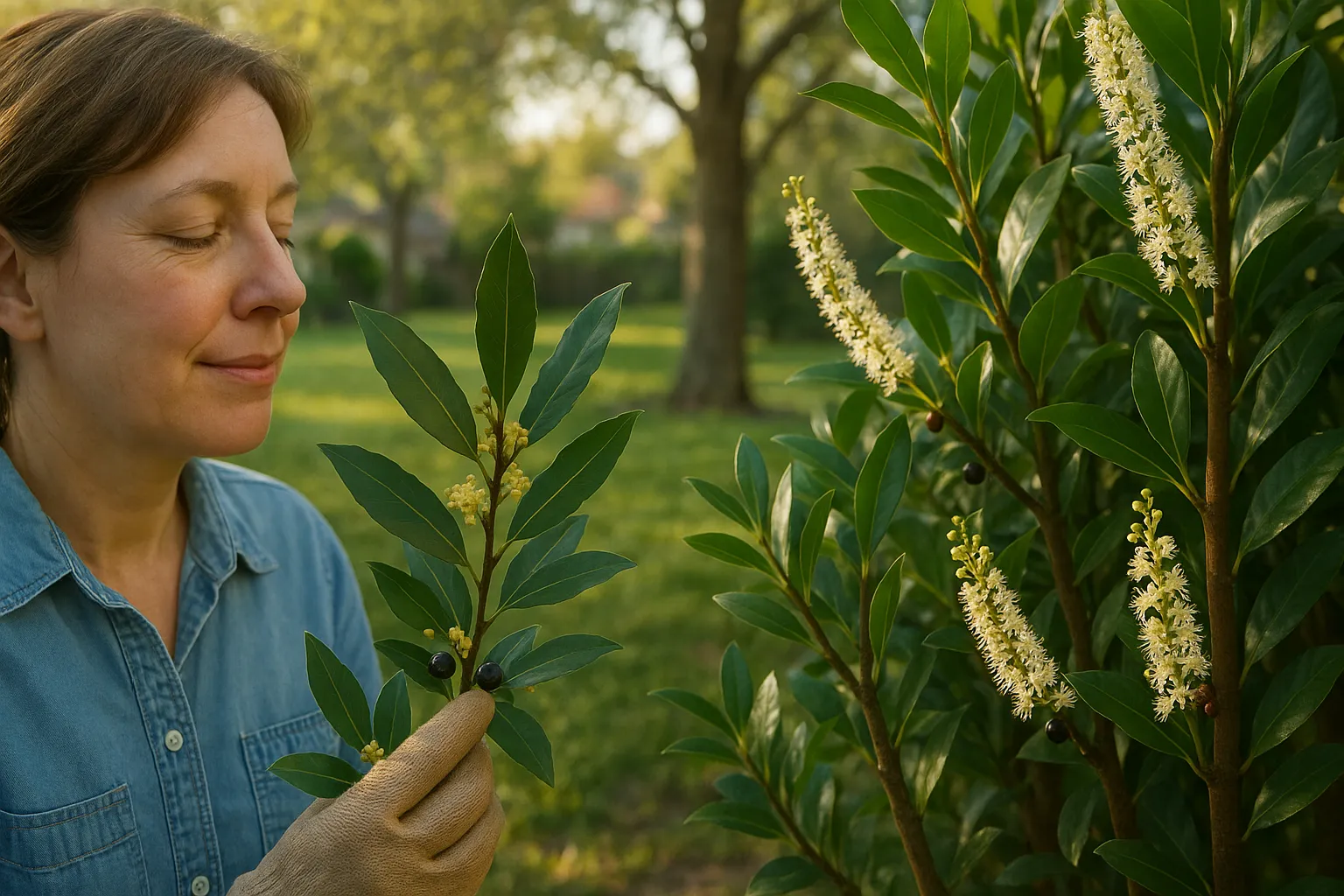
Bay leaves contain essential oils rich in cineole and eugenol: the smell is warm, herbal, and pleasantly spicy when crushed. Leaves are tough, with a matte finish. Cherry laurel contains cyanogenic glycosides: the smell is faintly bitter or hardly present. Its leaves are softer, glossier, and often wider.
Example: You pick a leaf and rub it between your fingers. A bay leaf releases a perfume that cues culinary use: a cherry laurel leaf releases little or a sharp, sour hint that warns you not to taste.
Flowers And Fruit
Bay laurel produces small, pale yellow flowers in late spring: fruit are small black drupes about 1 cm across, eaten by birds but not commonly used by people. Cherry laurel produces elongated clusters (racemes) of white, strongly scented flowers in spring: fruit are cherry-like red to black drupes that attract birds and contain toxic pits.
Named entities: Laurus nobilis flowers are less showy than Prunus laurocerasus racemes, which are conspicuous in a spring garden and often used by landscapers to create a fragrant hedgerow.
Bark, Growth Habit, And Size
Bay laurel forms a small tree or multi-stemmed shrub, reaching 6–12 meters in ideal Mediterranean climates but often kept smaller in cultivation. Bark is relatively smooth and gray-brown. Cherry laurel grows as a large shrub or small tree, commonly 3–6 meters in gardens but can exceed that: bark is brown and may flake with age.
Practical note: cherry laurel resprouts vigorously after cutting and can form dense thickets. Bay laurel responds well to selective pruning and shaping when you want a single trunk or a clipped hedge.
Cultivation And Care Requirements
Clear fact: bay laurel prefers drier, well-drained sites with some shelter: cherry laurel tolerates heavier soils, shadier spots, and wetter conditions.
Climate, Soil, And Sun Exposure
Bay laurel is native to the Mediterranean. It likes full sun to partial shade, mild winters, and soil that drains well. You can overwinter it in containers in colder zones. Cherry laurel is hardy across a wider range (USDA zones 6–9 for many cultivars) and withstands deep shade. It tolerates clay soils and stays green in more variable climates.
You should match species to site: put bay laurel where the soil warms and drains: place cherry laurel where you need a reliable evergreen screen even in shade.
Watering, Fertilizing, And Pruning
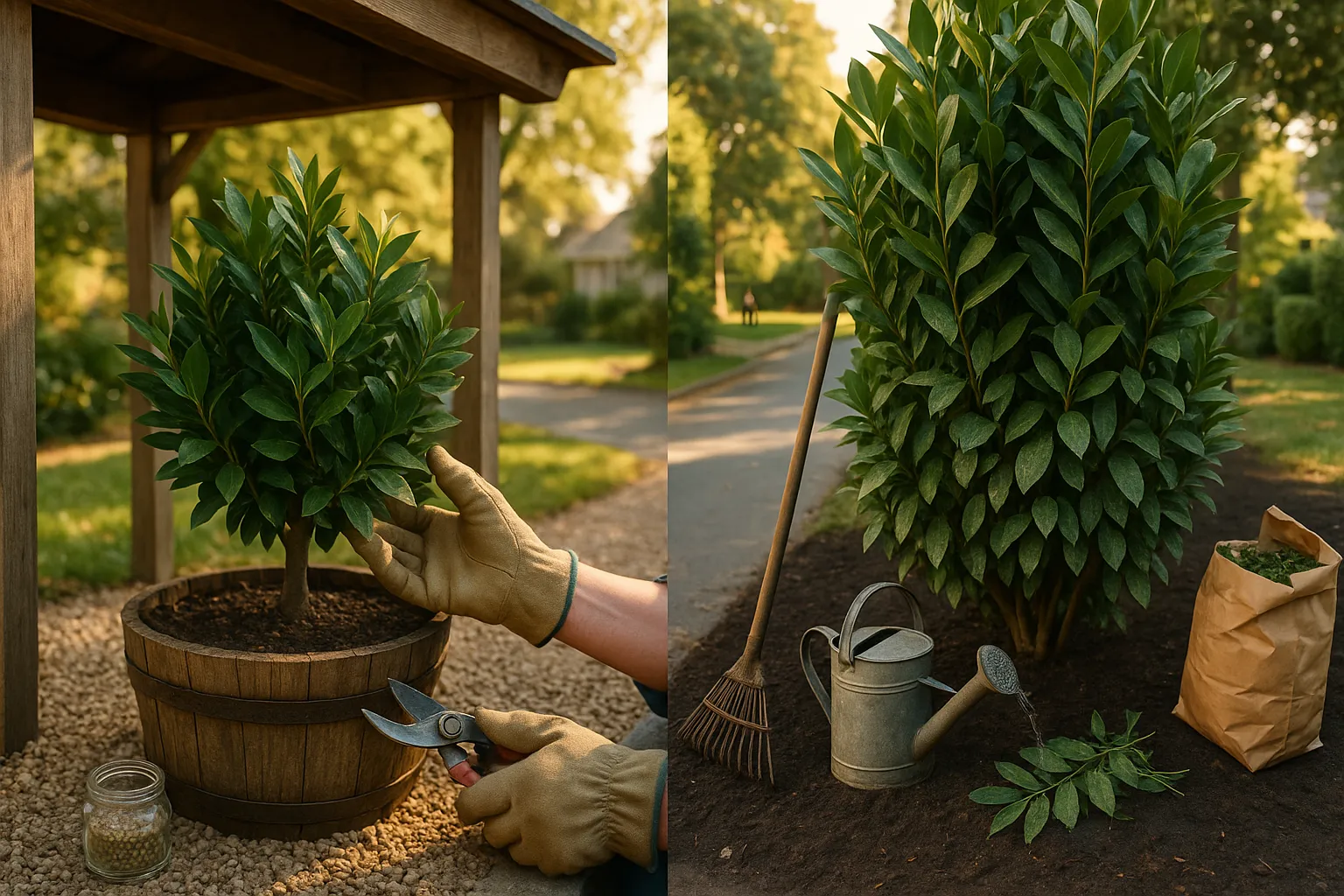
Bay laurel needs moderate water: avoid waterlogging which causes root rot. Feed in spring with a balanced fertilizer if growth stalls. Prune lightly to shape, and prune after flowering if you want to keep a tidy form.
Cherry laurel tolerates more water but benefits from deep watering in summer. Feed in early spring. Prune harder if you need to reduce height, cherry laurel resprouts quickly and handles heavy cuts.
Real-world note: I once kept a bay laurel in a half-barrel: it survived three winters with root insulation and produced usable leaves each year. Cherry laurel near my neighbor’s driveway grew from 6 ft to 12 ft in five years even though poor soil, fast, but a maintenance burden.
Common Pests And Diseases
Bay laurel can get scale insects and sooty mold: good air circulation reduces fungal issues. Cherry laurel is prone to shot hole disease (a fungal/bacterial problem that punches small holes through leaves), powdery mildew, and occasionally aphids or scale. Both can suffer from root rot in poorly drained soils.
Warning: cherry laurel leaves, if shredded by lawn mowers or pruners, can release more toxins: wear gloves and remove clippings promptly to reduce risk to pets.
Uses, Toxicity, And Safety Considerations
Clear fact: bay laurel is culinary and low-risk for seasoning: cherry laurel is ornamental and potentially toxic if ingested.
Culinary And Medicinal Uses
Bay laurel leaves are a staple in sauces, stews, and pickling. Dried or fresh, a single bay leaf adds aromatic depth. Traditionally, Laurus nobilis has been used in folk remedies for digestion and mild respiratory issues, though you should consult credible sources before using any herb medicinally.
Cherry laurel is not recommended for culinary or medicinal use. Its leaves, fruit pits, and stems contain cyanogenic compounds that can release hydrogen cyanide when chewed or crushed.
Ornamental And Hedging Uses
Bay laurel suits smaller formal hedges, topiary, or a potted specimen near the kitchen. It gives you fresh leaves at hand. Cherry laurel is widely used for tall hedges, privacy screens, and mass planting: ‘Rotundifolia’ and ‘Schipkaensis’ are common cultivars.
Design tip: use bay laurel where you want scent and kitchen access: use cherry laurel where you want a fast, dense visual barrier.
Toxicity To Humans, Pets, And Wildlife
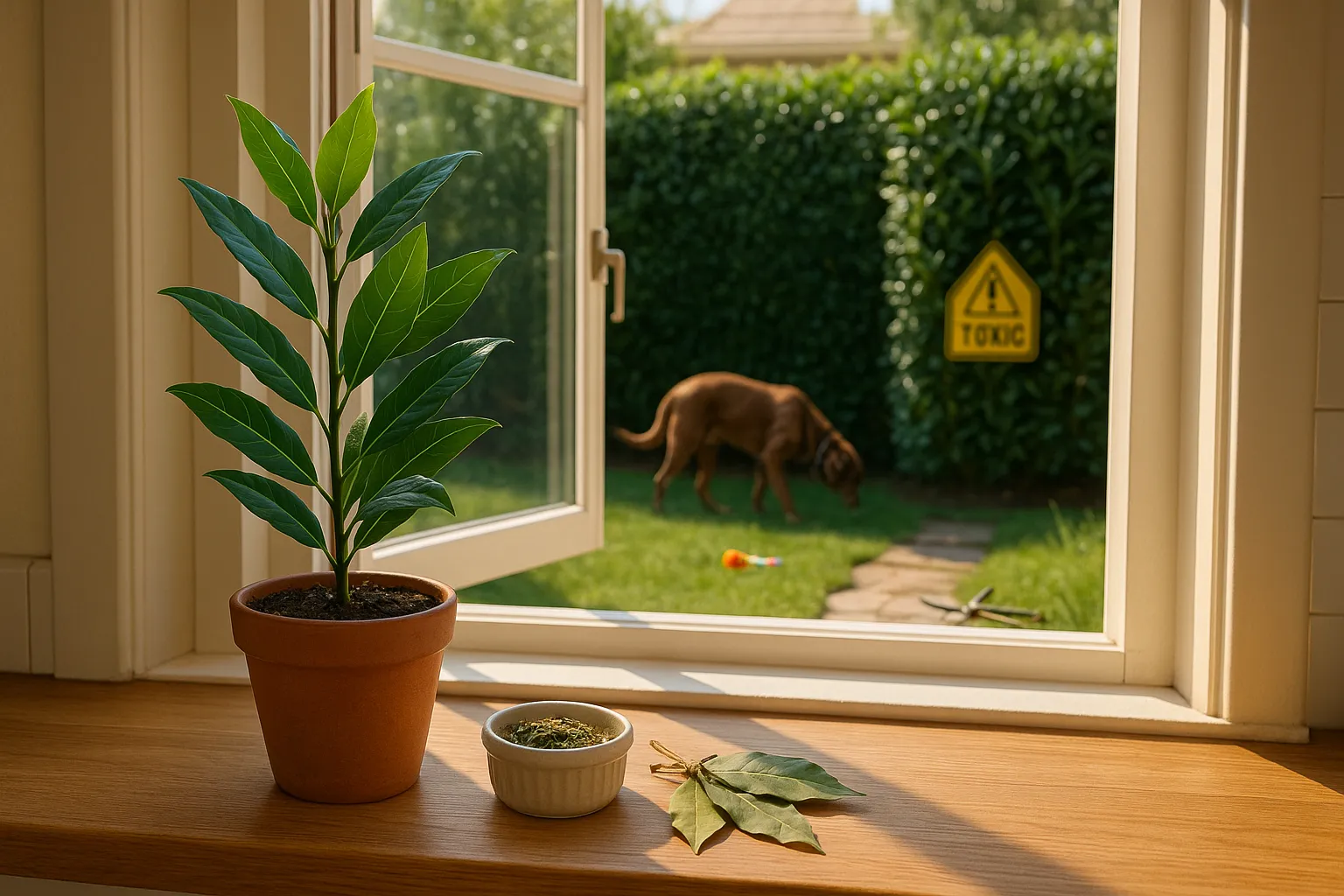
Bay leaves pose minimal risk in the amounts used for cooking: but, whole bay leaves are a choking hazard and should be removed from dishes. Cherry laurel parts can be poisonous. Symptoms of cyanide poisoning include drooling, weakness, difficulty breathing, and collapse in animals and small children.
Concrete advice: place cherry laurel away from areas where children play or where pets forage. If ingestion occurs, call your local poison control center or veterinarian immediately. Birds often eat the fruit without obvious harm: but mammals are at higher risk from leaves and seeds.
Propagation, Planting, And Maintenance Tips
Clear fact: bay laurel propagates well from semi-ripe cuttings and layering: cherry laurel propagates readily from seed and cuttings and can spread by suckers.
Propagation Methods (Seed, Cuttings, Layering)
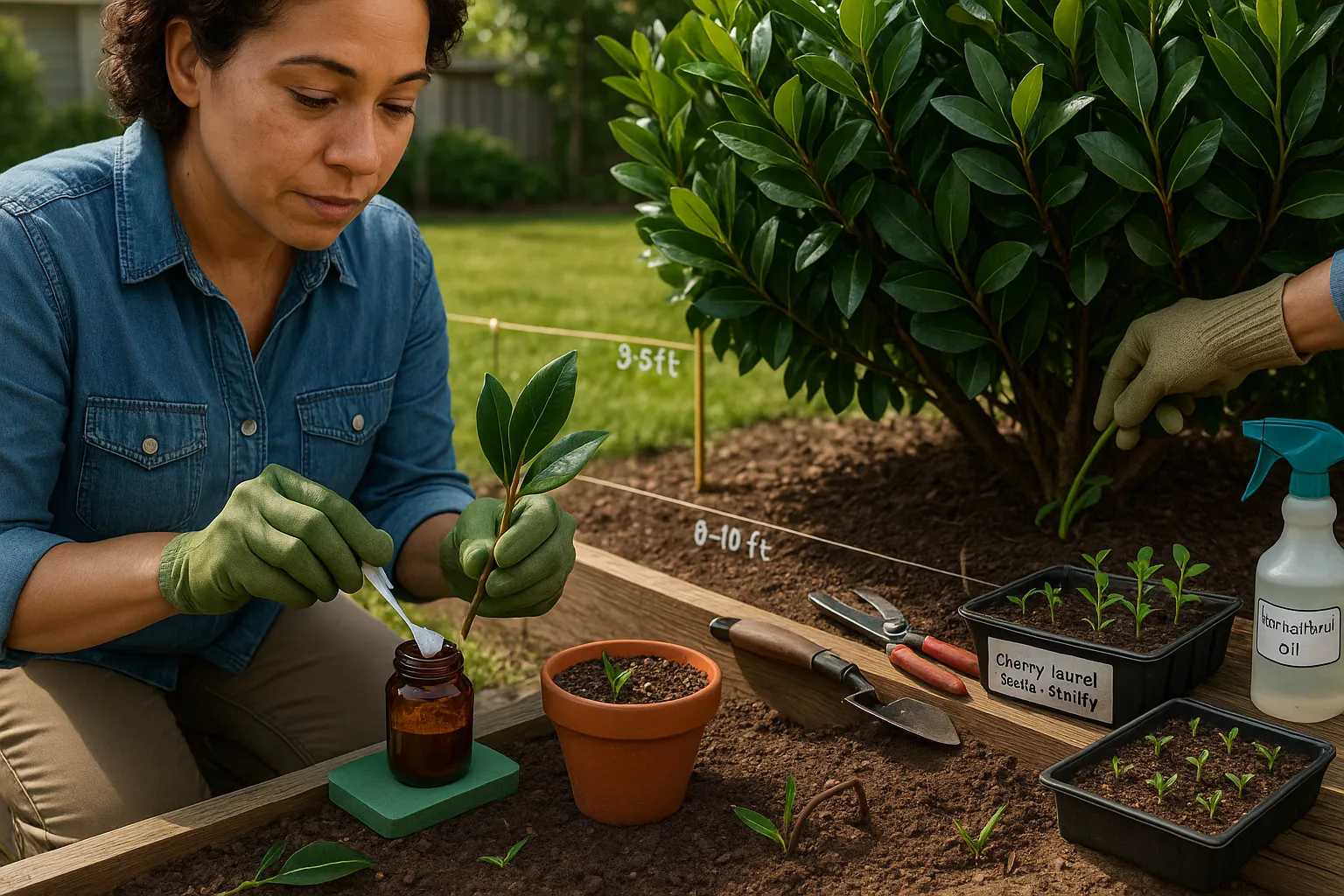
Bay laurel: take semi-ripe cuttings in summer with a rooting hormone: root in a free-draining mix. Layering works well, bend a low branch into the soil and cover a node until roots form.
Cherry laurel: you can sow fresh seeds (stratify in cooler climates) or take hardwood cuttings in late autumn. Softwood cuttings in spring root fast. Cherry laurel also spreads by suckers: remove unwanted shoots to prevent thickets.
Planting Best Practices And Spacing
Plant bay laurel 3–5 feet apart if you plan a small hedge: allow more room (6–10 feet) for specimens left to develop as small trees. Plant in spring after frost risk: use raised beds or mounds in heavy soils.
For cherry laurel hedges, space plants 3–6 feet apart depending on the cultivar and the speed you want a screen. Firm the soil, water deeply after planting, and mulch to conserve moisture.
Long-Term Maintenance And Troubleshooting
Bay laurel grows slowly: remove deadwood and train the main leader for a tree form. Watch for scale and treat with horticultural oil early in the season.
Cherry laurel needs regular thinning if you want light through the hedge: otherwise it becomes a dark impenetrable wall where pests hide. If you see leaf shot holes, remove affected branches and improve airflow. Expect to prune cherry laurel more often, it’s forgiving, but neglect leads to problems.
Honest moment: I once underestimated cherry laurel’s vigor and planted it too close to a pathway. It became a maintenance chore: had I spaced it correctly I would have saved hours of trimming each year.
Choosing The Right Laurel For Your Garden
Clear fact: choose bay laurel when you want edible leaves and a manageable, aromatic tree: choose cherry laurel when you need a fast, dense evergreen screen and can manage toxicity.
Decision Guide Based On Purpose (Culinary Vs. Ornamental)
If your priority is cooking, pick Laurus nobilis. It gives you reliable, flavorful leaves and a pleasing form near the kitchen. It tolerates container life and gives a neat, classic look.
If your priority is a privacy screen, fast growth, and tough shade tolerance, pick Prunus laurocerasus. Be ready to monitor pets and children, and plan for regular pruning.
Landscape Scenarios And Recommended Choices
Small urban garden with a balcony: bay laurel in a pot. You get aroma and usable leaves without a large footprint.
Large suburban yard needing a windbreak or privacy screen: cherry laurel hedge planted with 3–5 ft spacing: include a walkway for maintenance.
Mixed edible-ornamental border near a kitchen door: bay laurel as a standard-style tree complemented by low shrubs. Avoid planting cherry laurel near play areas or compost piles where pets might access fallen fruit.
Final nudge: pick the laurel that matches your daily needs. If you value scent and safe kitchen use, go bay. If you need a tough evergreen screen and can handle extra pruning and safety checks, go cherry. Either way, respect the plants’ traits and they will reward you with form and function.
To provide the best experiences, we use technologies like cookies to store and/or access device information. Consenting to these technologies will allow us to process data such as browsing behaviour or unique IDs on this site. Not consenting or withdrawing consent, may adversely affect certain features and functions.
Functional
Always active
The technical storage or access is strictly necessary for the legitimate purpose of enabling the use of a specific service explicitly requested by the subscriber or user, or for the sole purpose of carrying out the transmission of a communication over an electronic communications network.
Preferences
The technical storage or access is necessary for the legitimate purpose of storing preferences that are not requested by the subscriber or user.
Statistics
The technical storage or access that is used exclusively for statistical purposes.The technical storage or access that is used exclusively for anonymous statistical purposes. Without a subpoena, voluntary compliance on the part of your Internet Service Provider, or additional records from a third party, information stored or retrieved for this purpose alone cannot usually be used to identify you.
Marketing
The technical storage or access is required to create user profiles to send advertising, or to track the user on a website or across several websites for similar marketing purposes.