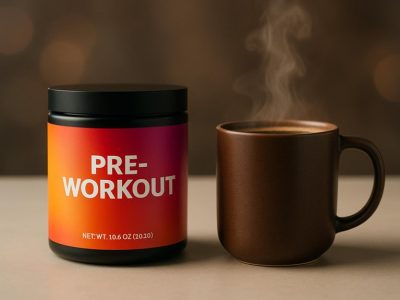
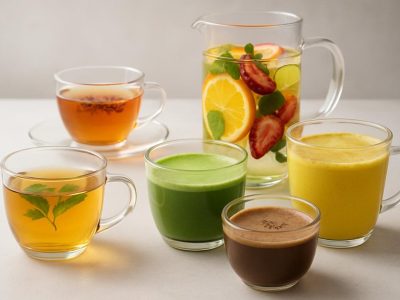
You want the kick of coffee but without the jitters, acid reflux, or the late-afternoon crash. A surprising range of drinks give focused energy, steady mood, or calm wakefulness while offering flavors and rituals that can refresh your morning. This article points you to science-backed swaps and practical recipes so you can pick an alternative that fits your taste, schedule, and health needs. Read on to find options that taste good, work reliably, and may even improve sleep, digestion, or recovery.
Why Consider Coffee Alternatives?
Fact: Coffee delivers caffeine quickly but it also brings side effects for many people. If your stomach tightens, sleep slips, or anxiety spikes after a cup, an alternative can solve the problem without removing ritual or focus.
Coffee contains about 95 mg of caffeine per 8-ounce cup on average. That dose helps alertness, but it can raise heart rate, increase stomach acid, and worsen insomnia for some. You may also rely on coffee for a ritual more than the stimulation, the mug, the warm breath, the five-minute pause. Alternatives let you keep those benefits while changing outcomes.
Consider named entities when you decide: Lipton and Twinings supply easy tea options: matcha brands such as Ippodo or Encha offer ceremonial grades: Yerba Mate from Guayaki brings a cultural ritual. The World Health Organization and FDA set guidance that most adults can safely consume up to 400 mg caffeine daily, but individual tolerance varies. If you want fewer side effects, lower caffeine, or different nutrients, you should explore substitutes.
How To Choose The Right Alternative For You
Fact: Your goals determine the best alternative. Start by naming the single thing you need: alertness, calm focus, better sleep, or gentler digestion.
If you need sustained focus for long stretches, choose a source with moderate caffeine plus L-theanine (matcha). If you want reduced anxiety, pick a low-caffeine herb like rooibos or chicory. If you struggle with reflux, choose dandelion or chicory which are non-acidic.
Ask practical questions: What flavor do you like, grassy, bitter, nutty, or sweet? How much time do you have to prepare drinks? Do you want portability (instant powders or tea bags) or ritual (whisked matcha, a mate gourd)?
Use simple tests. Try one alternative for a week. Track sleep, jitter, and focus on a small notebook. Brands matter: Starbucks has strong brewed coffee that may mask issues: independent brands often state caffeine content . If you take medication, ask a clinician: some herbs interact with blood thinners or stimulants.
Top Caffeinated Alternatives
Fact: Several caffeinated drinks give alertness with different side-effect profiles than coffee.
Matcha: Benefits, Drawbacks, And Serving Suggestions
Fact: Matcha supplies caffeine plus L-theanine, which smooths the stimulant effect. Matcha contains about 30–70 mg caffeine per gram depending on grade. The amino acid L-theanine promotes calm focus and reduces jitter. Benefits include antioxidants (catechins) and a sustained energy curve rather than a spike-and-crash. Drawbacks include price, high-grade ceremonial matcha costs more, and a distinct grassy taste that not everyone likes. Serving suggestions: whisk 1/2–1 tsp in 2–4 oz hot water for a concentrated shot, then top with warm milk for a latte. Try iced matcha with a touch of honey.
Yerba Mate: Benefits, Drawbacks, And Serving Suggestions
Fact: Yerba mate provides caffeine plus polyphenols and often feels stronger than tea but gentler than coffee. Typical caffeine ranges 30–50 mg per 8-ounce serving when brewed conventionally. Benefits include vitamins (B complex), minerals, and a social ritual in South America. Drawbacks: tannins can irritate sensitive stomachs: traditional gourd preparation takes time. Serving suggestions: steep 1–2 teaspoons in hot (not boiling) water for 3–5 minutes. Use a French press or a mate gourd for authenticity: for on-the-go, try canned yerba mate beverages from Guayakí.
Tea Varieties (Green, Black, Oolong): Benefits And When To Pick Each
Fact: Tea types deliver varying caffeine and flavor profiles that suit different tasks. Green tea (20–45 mg caffeine per cup) helps gentle alertness and offers high catechin content. Black tea (40–70 mg) gives stronger stimulation and bold flavors for full mornings. Oolong sits between them, with complex floral or toasty notes useful when you want variety. Pick green for calm focus, black for heavier mornings, and oolong when you want moderate energy and flavor complexity.
Top Low‑Caffeine And Caffeine‑Free Options
Fact: Low‑caffeine and caffeine‑free drinks can preserve rituals and support digestion, sleep, or relaxation.
Chicory And Dandelion Coffee: Flavor Profile And Health Notes
Fact: Chicory and dandelion root mimic coffee flavor without caffeine. Chicory offers a deep, roasted, slightly bitter profile similar to coffee: dandelion is earthier and slightly bitter. Health notes: both support liver function in traditional medicine and they lack caffeine. Avoid if you have ragweed allergies, chicory can cross-react.
Herbal Teas And Tisanes For Calm Energy (Peppermint, Ginger, Rooibos)
Fact: Herbal teas offer calming or digestive benefits with no caffeine. Peppermint eases bloating and leaves you alert in a clear way. Ginger can reduce nausea and warm you up in the morning. Rooibos gives antioxidants and a natural sweetness that replaces sugar. Use peppermint for clarity, ginger for upset stomach, rooibos for a smooth ritual.
Golden Milk (Turmeric Latte) And Warm Spices For Gentle Alertness
Fact: Golden milk provides anti-inflammatory benefits and a warm, grounding ritual. Turmeric’s curcumin acts as an antioxidant: pairing it with black pepper increases absorption. Add cinnamon and ginger for added warmth and mild stimulation. Golden milk won’t give caffeine but it can reduce morning stiffness and promote calm alertness when you need focus without buzz.
Functional Drinks For Focus, Energy, And Recovery
Fact: Functional drinks contain targeted ingredients for focus, recovery, or resilience. They can supplement or replace coffee but you must check safety and evidence.
Adaptogen And Nootropic Drinks: What Works And Safety Considerations
Fact: Adaptogens like ashwagandha, rhodiola, and ginseng may support stress response and energy. Nootropics such as L-theanine, citicoline, and small doses of caffeine improve cognitive performance in some studies. What works: L-theanine reliably smooths stimulant effects: rhodiola can help fatigue in short trials. Safety considerations: adaptogens interact with medications (sedatives, blood pressure drugs). Dosage matters: follow product labels and consult your clinician if pregnant or on meds.
Mushroom Elixirs And Kombucha: Benefits, Evidence, And How To Use Them
Fact: Medicinal mushrooms (lion’s mane, cordyceps) and kombucha offer potential cognitive and gut benefits. Lion’s mane has preliminary evidence supporting memory and nerve growth factor stimulation: cordyceps may boost aerobic performance modestly. Kombucha gives probiotics that can improve digestion and possibly mood via the gut-brain axis. Use mushroom powders in lattes or as pills: choose unpasteurized kombucha for live cultures but watch sugar content. Evidence ranges from promising to preliminary: treat them as supportive rather than primary treatments.
Quick Recipes And How To Prepare Popular Alternatives
Fact: Simple recipes let you test alternatives quickly. Start with small changes and adjust.
Simple Matcha Latte Recipe (Hot And Iced)
Fact: Matcha lattes take minutes to make and produce steady alertness. Hot: whisk 1 tsp matcha with 2 tbsp hot water until frothy, then add 6–8 oz steamed milk (dairy or oat). Sweeten lightly with maple syrup. Iced: dissolve 1 tsp matcha in 2 tbsp cool water, add 6–8 oz milk and ice: shake or stir.
Easy Golden Milk Recipe And Variations
Fact: Golden milk is easy and soothing before tasks that don’t require caffeine. Simmer 1 cup milk with 1/2 tsp turmeric, 1/4 tsp cinnamon, a pinch of black pepper, and 1 tsp honey for 3–5 minutes. For a creamier version, blend with 1/4 avocado or almond butter. Add ginger for digestion.
Quick Yerba Mate Preparation And On‑The‑Go Tips
Fact: Yerba mate adapts to quick brewing and portable formats. Quick brew: steep 1 tablespoon in 8 oz hot (not boiling) water for 3–4 minutes. For on-the-go, use a French press or buy sealed bags or canned yerba mate. Carry a reusable thermos and pre-measure yerba in a small tin so you can steep quickly.
Practical Tips For Transitioning Off Coffee Without Losing Productivity
Fact: You can reduce coffee while keeping productivity if you plan and adjust routines.
Tapering Strategies, Timing, And Managing Withdrawal
Fact: Gradual reduction limits withdrawal. Reduce intake by 25% every 3–4 days: replace one cup with a low-caffeine alternative. Expect mild headaches, fatigue, or irritability for 2–7 days. Manage symptoms with hydration, sleep, and gentle movement. Over-the-counter pain relievers work for headaches if needed but speak to a clinician for persistent issues.
Daily Routines And Habit Swaps To Replace The Coffee Ritual
Fact: Ritual matters more than caffeine itself for many people. Swap the coffee walk for a short sunlight break, or replace your pour-over with a 5-minute matcha whisk. Use a dedicated mug for a new drink to anchor habit. Time your alternative to match the previous ritual: same place, same time, similar warmth.
When To See A Doctor Or Rethink Your Approach
Fact: See a doctor if withdrawal symptoms become severe, if palpitations persist, or if you have new digestive or sleep problems. You should also consult a clinician before using adaptogens, concentrated herbal extracts, or if you have chronic conditions. If an alternative causes worse symptoms, stop and try another option, your best swap might be a simple peppermint tea or a golden milk rather than something trendy.
To provide the best experiences, we use technologies like cookies to store and/or access device information. Consenting to these technologies will allow us to process data such as browsing behaviour or unique IDs on this site. Not consenting or withdrawing consent, may adversely affect certain features and functions.
Functional
Always active
The technical storage or access is strictly necessary for the legitimate purpose of enabling the use of a specific service explicitly requested by the subscriber or user, or for the sole purpose of carrying out the transmission of a communication over an electronic communications network.
Preferences
The technical storage or access is necessary for the legitimate purpose of storing preferences that are not requested by the subscriber or user.
Statistics
The technical storage or access that is used exclusively for statistical purposes.The technical storage or access that is used exclusively for anonymous statistical purposes. Without a subpoena, voluntary compliance on the part of your Internet Service Provider, or additional records from a third party, information stored or retrieved for this purpose alone cannot usually be used to identify you.
Marketing
The technical storage or access is required to create user profiles to send advertising, or to track the user on a website or across several websites for similar marketing purposes.