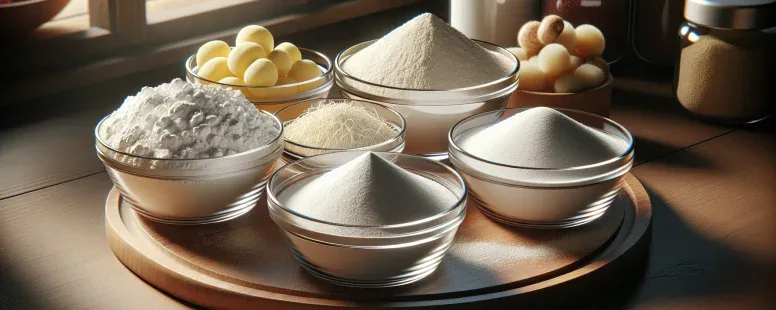
Picture this—you’re in the middle of whipping up a silky sauce or perfectly crisp cookies, and the recipe calls for arrowroot powder. You head to your pantry, only to realize you’re out. Don’t panic! The good news is there are plenty of substitutes that can step in without missing a beat, keeping your dish on track.
Arrowroot powder’s magic lies in its ability to thicken sauces, add lightness to baked goods, and even work wonders for gluten-free recipes. But what if you don’t have it on hand? Whether you’re looking for something with similar texture or an option better suited to specific dietary needs, there’s a solution waiting just around the corner.
What Is Arrowroot Powder?
Arrowroot powder, derived from the rhizomes of the Maranta arundinacea plant, serves as a versatile thickening agent. It’s gluten-free and often used in recipes to create smooth textures in sauces, soups, and desserts. This starch is prized for its neutrality—it’s flavorless, making it an ideal choice for dishes where you don’t want to alter the taste.
Commonly employed in gluten-free baking, arrowroot enhances both texture and structure. For instance, adding it to cookies or cakes can result in lighter crumb consistency. It’s also known for its clear thickening quality; unlike cornstarch which may turn cloudy when mixed with liquids, arrowroot keeps mixtures translucent.
Diets requiring allergen-friendly ingredients frequently incorporate arrowroot since it’s free from common allergens like wheat and corn. If preparing gravy or fruit pie fillings that need a glossy finish without overpowering flavors, arrowroot powder becomes essential.
Even though its many uses, availability can sometimes be limited depending on your location or store options. Understanding viable substitutes ensures cooking flexibility while maintaining desired results across various cuisines and dietary needs.
Why Look For Substitutes?
Arrowroot powder’s availability can be inconsistent, especially in smaller grocery stores or regions where it’s not a common ingredient. If you’re in the middle of preparing a recipe and discover that arrowroot is missing from your pantry, finding an effective substitute becomes essential to maintain the recipe’s intended texture and consistency.
Dietary restrictions may also necessitate alternatives. While arrowroot is gluten-free and allergen-friendly, some individuals might have specific preferences or access to other ingredients better suited to their needs. Exploring substitutes allows you to adapt recipes without compromising their quality.
Cost considerations play a role too. Arrowroot powder can sometimes be more expensive than its substitutes, such as cornstarch or tapioca starch. In budget-conscious cooking scenarios, opting for a more economical alternative ensures practicality while delivering similar results.
Recipe-specific requirements could further influence your choice of substitution. Some dishes rely heavily on properties like clarity in sauces or binding power in baked goods. A substitute like potato starch might work well for thickening soups but fail to provide the same clear finish arrowroot offers.
Substitutes offer flexibility when experimenting with new cuisines or techniques. You might prefer ingredients already present in your kitchen over purchasing something unfamiliar solely for one dish.
Best Substitute For Arrowroot Powder
Arrowroot powder offers unique qualities, but several substitutes can match its performance in recipes. Each alternative has distinct properties that cater to specific cooking needs.
Cornstarch
Cornstarch thickens sauces, soups, and desserts effectively. It’s a common pantry item extracted from corn kernels and is ideal for creamy or opaque results. Unlike arrowroot, cornstarch may lose effectiveness when mixed with acidic ingredients or frozen dishes.
For example, you can use 1 tablespoon of cornstarch as a substitute for every 2 teaspoons of arrowroot powder. When preparing lemon curd or gravy, cornstarch replicates the desired consistency without altering flavor significantly.
Tapioca Starch
Tapioca starch, derived from cassava roots, mimics arrowroot’s clear thickening ability. It’s gluten-free and works well in puddings or fruit pie fillings where transparency enhances visual appeal.
Use an equal amount of tapioca starch as a replacement for arrowroot powder in most recipes. For instance, if you’re making berry sauce for cheesecake topping, tapioca starch ensures a glossy finish that’s visually appealing.
Potato Starch
Potato starch provides excellent thickening power at lower temperatures compared to other alternatives. It’s particularly suitable for soups and stews due to its neutral flavor profile.
Replace arrowroot powder with potato starch using a 1:1 ratio. In vegetable soup recipes requiring quick preparation, potato starch blends seamlessly into liquids without forming lumps.
All-Purpose Flour
All-purpose flour serves as an economical substitute though it lacks the smooth texture provided by arrowroot powder in some dishes. It produces thicker sauces but requires longer cooking times to eliminate raw taste.
Substitute 2 tablespoons of all-purpose flour for each tablespoon of arrowroot powder needed in your recipe. While preparing white sauce or roux-based gravies like béchamel sauce, this option adds richness while maintaining consistency effectively.
How To Choose The Right Substitute
Selecting the right substitute for arrowroot powder depends on your recipe’s requirements, dietary needs, and ingredient availability. Each alternative has unique properties that influence its performance in different dishes.
Cooking Applications
Consider the dish you’re preparing before choosing a substitute. For thickening clear sauces or fruit fillings, tapioca starch offers similar transparency to arrowroot powder. Cornstarch works well in gravies but may lose effectiveness with acidic ingredients like lemon juice or vinegar. Potato starch is ideal for soups needing quick thickening at lower temperatures, while all-purpose flour serves as a budget-friendly option for roux-based sauces even though requiring longer cooking times to eliminate its raw flavor.
For baking recipes such as gluten-free cookies or cakes, tapioca starch provides structure and elasticity similar to arrowroot. If you don’t mind slight cloudiness in your baked goods, cornstarch can also perform effectively.
Dietary Preferences
Match substitutes with dietary restrictions when necessary. Arrowroot is gluten-free and suitable for paleo diets; ensure alternatives align with these standards if needed. Tapioca starch and potato starch are excellent gluten-free options that mimic arrowroot’s behavior closely.
Cornstarch may not suit those avoiding GMO products unless labeled organic or non-GMO verified. All-purpose flour contains gluten, making it unsuitable for celiac-friendly recipes but viable in other contexts where allergens aren’t a concern.
Availability
Availability often determines practicality when selecting an alternative. Cornstarch is widely accessible in most grocery stores and affordable compared to specialty items like arrowroot powder or tapioca starch. Potato starch might require visiting health food stores or online shopping platforms depending on regional differences.
Tips For Using Replacements Effectively
Understanding how to use substitutes for arrowroot powder ensures your recipes achieve the desired texture and consistency. Each replacement behaves differently, so adapting techniques is essential.
Adjust Quantities Appropriately
Match the substitute’s thickening strength to arrowroot powder. For example, cornstarch requires a 1:1 ratio substitution, but tapioca starch may need an increase of 25%. Overusing potato starch can result in a gummy texture.
Consider Cooking Times
Some alternatives demand longer cooking durations. All-purpose flour needs thorough heating to remove its raw taste, unlike tapioca starch, which thickens quickly at lower temperatures.
Account for Recipe Transparency
Choose clear-thickening options like tapioca or potato starch for glossy sauces and desserts. Cornstarch produces a cloudy finish that works better in gravies or opaque soups.
Factor in Dietary Restrictions
Confirm substitutes align with dietary needs. Use gluten-free options such as cornstarch or tapioca starch if avoiding wheat-based ingredients. Be cautious about GMOs when selecting cornstarch unless labeled non-GMO certified.
Test Small Batches First
Experiment with new replacements by testing proportions with smaller recipe portions. This minimizes waste and helps you identify ideal adjustments without compromising the entire dish.
Adapting these strategies enhances your ability to seamlessly incorporate arrowroot powder substitutes into various recipes while maintaining quality results.
Conclusion
Finding the right substitute for arrowroot powder doesn’t have to be a challenge. With options like cornstarch, tapioca starch, potato starch, and all-purpose flour, you can confidently adapt your recipes without compromising texture or flavor. Each substitute has unique properties that cater to specific cooking needs, so understanding their strengths ensures success in your culinary creations.
By experimenting with proportions and considering factors like dietary preferences and recipe requirements, you’ll discover which alternative works best for your dish. Whether you’re thickening sauces or perfecting gluten-free baked goods, these substitutes offer reliable solutions to keep your recipes on track every time.
To provide the best experiences, we use technologies like cookies to store and/or access device information. Consenting to these technologies will allow us to process data such as browsing behaviour or unique IDs on this site. Not consenting or withdrawing consent, may adversely affect certain features and functions.
Functional
Always active
The technical storage or access is strictly necessary for the legitimate purpose of enabling the use of a specific service explicitly requested by the subscriber or user, or for the sole purpose of carrying out the transmission of a communication over an electronic communications network.
Preferences
The technical storage or access is necessary for the legitimate purpose of storing preferences that are not requested by the subscriber or user.
Statistics
The technical storage or access that is used exclusively for statistical purposes.The technical storage or access that is used exclusively for anonymous statistical purposes. Without a subpoena, voluntary compliance on the part of your Internet Service Provider, or additional records from a third party, information stored or retrieved for this purpose alone cannot usually be used to identify you.
Marketing
The technical storage or access is required to create user profiles to send advertising, or to track the user on a website or across several websites for similar marketing purposes.