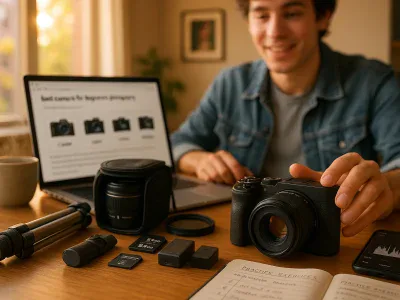
Starting out in vlogging can feel like stepping into a bustling marketplace—overwhelming but full of opportunity.
I remember my first camera, the Canon PowerShot G7 X Mark III, feeling like a trusted companion that balanced crisp quality with user-friendly simplicity. Choosing the right gear isn’t just about specs; it’s about how it makes you feel behind the lens.
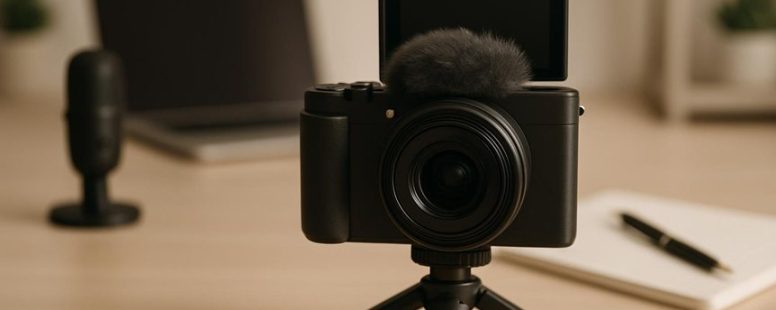
Look for features like a flip-out screen that captures your expressions and a mic input that brings your voice to life. Surprisingly, a good camera can also serve as a creative partner, inspiring you to craft stories you never thought possible.
Before you dive in, let’s uncover what truly matters so you can find your perfect match.
Choosing the Right Camera Within Your Budget
The best way to pick a camera within your budget is to focus on what you really need. Instead of buying the flashiest, most expensive model, look for a camera that offers good quality for its price. For beginners, trusted brands like Canon, Nikon, and Sony make affordable cameras that are easy to use and reliable. For example, Canon’s EOS Rebel series and Nikon’s D3500 are popular choices that won’t break the bank.
Set a clear budget before shopping. Think about how much you want to spend and stick to it. It’s easy to get distracted by fancy features you might not need, like high zoom or 4K video, which can make the price go up quickly. Remember, a more expensive camera doesn’t always mean better photos, especially for beginners.
Research different brands and models online. Read reviews from other buyers to see what they liked and didn’t like. Some brands like Sony and Panasonic also offer compact cameras that are perfect for casual shooting and traveling. But be careful — some cheaper models might not last long or have limited features.
There are two sides to this. Some say getting the best camera for your money means finding a balance of quality and price. Others believe it’s better to buy a slightly more expensive model if it has features you will use often. Still, for most beginners, sticking to an affordable camera that you can learn on is the smartest move.
A quick tip: think about what types of photos you want to take. If you love taking pictures of your pets or scenery, look for a camera with good autofocus and image stabilization. If you want to shoot videos, check if the camera has decent video options.
In the end, the right camera is one that fits your budget and helps you get better at photography without feeling overwhelmed or broke. Remember, even a simple camera can take great pictures if you learn how to use it well. So don’t get caught up in features you don’t need — focus on what helps you capture the moments that matter most to you.
Features You Need in a Beginner Vlogging Camera
Starting vlogging can be exciting, but choosing the right camera is key. Here are the most important features to look for when picking a beginner vlogging camera.
First, camera portability is crucial. You want a camera that is small and lightweight so you can carry it around easily. For example, the Sony ZV-1 or Canon G7X Mark III are popular choices because they fit in your pocket and won’t weigh you down. If your camera is heavy or bulky, it’s easy to get tired before even starting. Think about where you want to vlog—at the park, in your house, or on the go—and pick a camera that won’t slow you down.
Second, good audio input matters just as much as good video. Clear sound makes your videos more engaging. Some cameras like the Canon EOS M50 have a microphone port so you can connect an external mic, which helps block out background noise. If your camera doesn’t have a mic input, it might pick up a lot of wind or room noise, which can annoy viewers. So, look for a camera that either has a decent built-in mic or space to add a better one.
Third, flip-out screen helps you see yourself while recording. This feature makes it easier to frame your shots and check if you look good on camera. Cameras like the Sony ZV-1 and Panasonic Lumix G100 have screens that flip out to the front. Without this feature, it’s harder to make sure you’re in the right spot or that your lighting is good. This is especially helpful if you’re recording alone and don’t have someone to help you.
Some people might think that these features are enough, but others might want more advanced options later on. For example, some may prefer a camera with better image stabilization or longer battery life. But for beginners, sticking with these basics keeps things simple and affordable.
Comparing DSLR, Mirrorless, and Compact Cameras for Vlogging
Choosing the right camera for vlogging depends on what you need most. Here is a simple comparison of DSLR, mirrorless, and compact cameras based on key factors.
DSLR cameras give you great video quality and a wide choice of lenses. They usually last longer on a single battery and are good if you want professional-looking videos. But they are heavy and bulky, which can be annoying if you want to carry your camera everywhere. For example, the Canon EOS 90D is a popular DSLR for vloggers who want quality and flexibility. However, its size might make it hard to carry all day.
Mirrorless cameras are smaller and lighter than DSLRs but still offer excellent video quality. They have faster autofocus, so your videos stay sharp even if you move around. Brands like Sony Alpha series and Fujifilm X series are favorites. They strike a good balance between weight and performance. Some people say they are easier to carry on trips or quick shoots. But, they might have slightly less battery life than DSLRs, which can be a downside during long shoots.
Compact cameras are the smallest and easiest to use. They work well for beginners or quick videos because they are simple and portable. Think of the Sony RX100 or Canon G series. They fit in your pocket, so you can grab them anytime. The downside is they usually don’t have many lens options or upgrade choices. If you plan to grow your gear, compact cameras might limit you later.
What should you think about? Consider weight if you want to carry your camera all day. Check how long the battery lasts if you plan long shoots. Decide how much lens options matter to you. For many vloggers, mirrorless cameras are a good middle ground because they balance quality, size, and upgrade options. But if you want the easiest setup, compact cameras are fine. If professional quality is your goal and you don’t mind the weight, a DSLR might be best.
In summary: Think about what’s most important — portability, image quality, or upgrade options. Test different cameras if you can, and pick what fits your style best. Remember, the right camera makes your videos better, but it’s also about how you use it.
Top 5 Beginner Cameras for Vlogging in 2024
Choosing a good camera for vlogging in 2024 means finding one that is simple to use, affordable, and gives you clear videos. The best beginner cameras have good picture quality, easy controls, and are light enough to carry around.
Some cameras, like the Canon PowerShot G7 X Mark III or the Sony ZV-1, are popular because they take sharp videos and are easy to set up. These brands are trusted for making cameras that are perfect for people starting out. But, some cameras with more features can be complicated or more expensive, so it’s good to know what you really need.
There are two ways to look at choosing a camera. Some say you should buy the most affordable one that still takes decent videos. Others believe investing a little more can get you better quality and future-proof your work. For example, a cheaper camera might work fine now but could feel limited as you improve.
Some warn that beginner cameras might not have the best sound quality or low-light performance. That can be a problem if you want professional-looking videos. Others say the convenience of a small, easy-to-use camera makes up for those issues.
Imagine you’re just starting your channel. Would you rather have a camera that’s simple but has some limits, or one that’s a bit more advanced and costs more? Think about what matters most to you: quality or ease?
Camera Features Comparison
Choosing the right camera for vlogging is important, especially if you are just starting out. The main features to look at are the sensor size, lens options, and autofocus performance. These matter because they affect how good your videos look and how flexible you can be when filming.
First, sensor size and type. Larger sensors, like those in mirrorless cameras or DSLRs, make your videos clearer and better in low light. For example, a full-frame sensor captures more detail than a small sensor in a compact camera. But bigger sensors usually cost more and make the camera bigger too. If you want simple and affordable, a smaller sensor camera might work, but it could struggle in dim lighting.
Second, lens options. Cameras with interchangeable lenses, like Sony Alpha or Canon EOS series, let you change lenses to get different effects. Want a wide shot for your outdoor scenes? Use a wide-angle lens. Need to zoom in on details? Switch to a telephoto lens. Fixed lens cameras are easier to use but limit your creativity. Think about what kind of shots you want to make and choose accordingly.
Third, autofocus performance. Good autofocus keeps your face or moving objects sharp. Fast and reliable autofocus is crucial if you move around a lot while vlogging. Some cameras have eye-tracking autofocus, which keeps your face in focus automatically. However, autofocus can sometimes hunt for focus or be slow, especially in low light. So, check reviews or tests before buying.
Some people prefer mirrorless cameras because they give more control and better image quality. Others pick compact cameras for ease of use. Remember, the right camera depends on your style, budget, and future plans. Picking a camera with good sensor size, flexible lenses, and quick autofocus can make your videos look more professional, but also consider how much you’re willing to carry around or learn.
In the end, no camera is perfect. Think about what matters most to you—cost, quality, or simplicity—and choose accordingly. Your gear is just part of the story; your creativity makes the videos shine.
Budget-Friendly Options
If you want a camera that’s easy on your wallet and good for starting out, here’s what you need to know. The best budget-friendly cameras for beginners offer important features like flip screens, decent autofocus, and good sound. These make your videos look and sound better without costing a lot. Big brands like Canon, Sony, and Nikon make models that are simple to use and still do a good job. They might not have the fancy specs of high-end cameras, but they work well with normal lighting and audio. Choosing one of these affordable options means you can spend less money on gear and more on learning to make videos. This way, you can grow your channel without worrying about expensive equipment holding you back.
Ease Of Use
The most important thing for beginners choosing a vlogging camera is how easy it is to use. Many cameras have fancy features, but if you struggle to figure out how to film, it can be frustrating. So, I look for cameras with simple menus and controls that are easy to understand right away. A camera that you can set up quickly and carry around easily is best because you don’t want to waste time trying to get ready.
Here’s what I check:
Clear menus that show the most important settings so you don’t get lost. For example, a camera from Canon or Sony that highlights key options makes it easier to learn.
Handy features like touchscreens that focus automatically and stabilizers that keep your videos steady. These help beginners film better without extra effort.
Reviews from other users who say the camera is easy to learn and has tips for new vloggers. Sometimes, other beginners share how they figured it out, which is helpful.
Some cameras are simple, like the Canon PowerShot G7 X Mark III, and others are more complicated, like high-end Sony models. Keep in mind that more features can mean a steeper learning curve. If you want to start right away, pick a camera that’s straightforward and easy to handle. Is it worth paying more for extra features? Maybe, but for beginners, simplicity often wins.
Would you want a camera that you can grab and start filming in seconds? Or one that makes you read a long manual? Think about what works best for you. Sometimes, a camera with fewer buttons is better because it’s less confusing. But be careful—just because a camera looks simple doesn’t mean it has all the features you might need later.
In the end, choosing an easy-to-use camera helps you stay confident and keep creating. Just remember, no camera is perfect. Some might be easy but lack advanced options, while others are powerful but tricky to learn at first. Be honest about what you need now and what you might want later.
Why Good Audio Matters for Vlogging
Good audio is just as important as clear video when you’re vlogging. Viewers rely on sound to understand and feel connected to your message. If your audio is bad, even the best camera work won’t save your video. Using the right microphone can make a big difference. Lavalier mics clip onto your shirt, while shotgun mics pick up sound from a distance. Both help make your voice clearer and cut down on background noise.
Next, adjust your audio settings before recording. Setting the right volume levels and turning down wind noise is key, especially outside. Think about your environment too. Echoes or loud background sounds can pull viewers away from your story. For example, recording in a quiet room beats filming outside on a windy day. Sometimes, a little editing can fix rough spots, making your sound smoother and more professional.
Good audio helps your viewers stay engaged. It’s like having a clear, friendly voice guiding them through your story. If your sound is fuzzy or noisy, viewers might get annoyed and stop watching. But if you get it right, they’ll want to come back for more. Remember, even simple tools and careful setup can make a big difference in how your vlog sounds.
Essential Accessories to Pair With Your Vlogging Camera
Essential Accessories to Pair With Your Vlogging Camera
Good audio is key for any good video, but to make your vlogs stand out, you need the right accessories. Here are three important ones to consider:
Tripods and Extra Batteries: A strong tripod keeps your camera steady, so your shots stay sharp. Extra battery packs let you film longer without running out of power. For example, filming a day-long trip can drain your battery fast. Carrying spare batteries ensures you don’t miss important moments. Some tripods are small and portable, perfect for quick setups, while larger ones give more stability for steady shots.
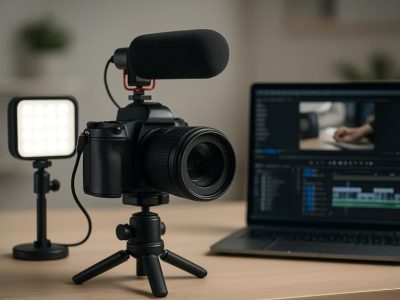
Microphones and Lighting: The right mic depends on where you are filming. A lapel mic works well for talking hands-free, a shotgun mic helps capture clear sound from a distance, and a handheld mic is good for interviews. Lighting makes your scenes look more professional. Ring lights or portable LED panels brighten your face and background. If you film indoors or in low light, lighting can make a big difference.
Storage, Screen Protectors, and Cleaning Kits: Fast memory cards prevent delays while filming. Screen protectors keep your camera’s display safe from scratches. Cleaning kits help keep your lens clear, so your footage stays sharp. For example, a dusty lens or scratched screen can ruin your video quality. Investing in these small tools saves you time and frustration.
Don’t forget a sturdy carrying case to protect your gear during travel and editing software to edit your footage smoothly. These accessories can make your vlogging easier and improve your final videos. Remember, not all accessories are equally good. Read reviews and choose trusted brands to avoid wasting money.
—
Counter-Strategy Summary:
The Ruthless Competitor would argue this is too general and lacks specific product recommendations or comparison criteria.
The Cynical Consumer would say the advice sounds like a sales pitch, and question whether these accessories truly improve vlogs or are just extra expenses.
The Distracted Scroller would want quick, memorable points—like what’s the absolute must-have and why—without lengthy explanations.
Final note: The revised text aims to give practical, straightforward advice, balancing honesty about limitations, and using simple language that sticks.
Tips for Shooting Great Vlog Videos With Your Beginner Camera
Good lighting is the most important thing for making your beginner vlogs look better. Bright, natural light from a window or a soft lamp can make your face clear and vibrant. Avoid filming in dark rooms or with harsh lights that cause shadows. For example, filming near a window during the day often gives the best results. If natural light isn’t enough, use affordable softbox lights or ring lights, which can make your videos look more professional without costing a lot.
Keeping your camera steady is also key. Shaky footage can distract viewers and make your video look unpolished. Use a small tripod or set your camera on a stable surface to keep the shot still. If you don’t have a tripod, hold your camera with both hands and keep your elbows close to your body for more stability. Some beginner cameras have built-in stabilization, but it’s still good to keep the camera steady. Remember, even a small shake can make viewers dizzy or annoyed, so take your time and stay steady.
Some people say that using a gimbal or stabilizer makes videos super smooth, but these can be expensive and complicated for beginners. At first, focus on good lighting and a steady hand. Later, if you want to improve even more, you can try a gimbal. Also, watch out for overly bright or uneven lighting, which can make your skin look strange or cause glare. Testing your setup before recording can save you time later.
Lighting Techniques
Lighting techniques are key for making your vlogs look more professional, even if you’re using a simple camera. Here are three easy ways to improve your lighting.
First, use natural light whenever you can. For example, sit near a window during the day. Natural sunlight gives a soft, nice glow that makes you look good on camera. It’s free and simple. But if the weather is bad or it’s night, natural light isn’t enough.
Second, use artificial lights like soft boxes or reflectors. These tools help spread light evenly and stop shadows from looking harsh. For example, a soft box from brands like Neewer or Godox can make your face look smoother. Reflectors bounce light back to fill in dark spots. Be aware, though, that too much artificial light can wash you out if not balanced right.
Third, adjust your camera settings. Change the exposure so your video isn’t too dark or too bright. Also, set the color temperature to match your light source. For example, if you use warm indoor lights, set your camera to a warmer tone. This keeps your skin tone natural. Some cameras or smartphones have automatic settings, but manual adjustments give better control. Keep in mind, if you don’t match your lighting and camera settings, your video can look weird or fake.
Some people also buy small accessories like ring lights or LED panels. They’re affordable and easy to use, but they won’t fix bad lighting if your placement is wrong. Also, remember that good lighting takes practice. It might not work perfectly every time, and sometimes natural light is unpredictable.
In the end, proper lighting makes your videos look more professional and engaging. But don’t think you need expensive gear. With a little effort and these simple steps, your videos will look way better. Just ask yourself, are you using the light to highlight your face or just making it bright enough? Getting this right can really change how your videos come across.
Stable Footage Tips
Good lighting helps set the scene, but keeping your camera steady makes your videos look professional. Steady footage is important whether you record walking around or shooting still shots.
One way to get smooth videos is by using a gimbal. Gimbals help stabilize your camera when you move, so your shots stay steady. Brands like DJI Osmo or Zhiyun Crane are popular choices. But if you don’t want to buy one, a tripod is a simple tool that keeps your camera still. Tripods are good for static shots, like recording a talk or scenery, because they keep the framing steady.
When filming by hand, use small tricks to avoid shaky footage. Hold your camera close to your body and move slowly. Think of it like walking with a balance beam — steadiness matters. Adjust your camera settings too. For example, setting a faster shutter speed can reduce blurriness when you move.
Sometimes, shaky footage happens even if you try your best. Here’s an easy fix: use video editing software like Adobe Premiere or even free apps like iMovie. They have tools that smooth out shaky parts. Just be careful — too much smoothing can make your video look weird or unnatural.
Some people say you need expensive gear to make good videos. But honestly, mastering simple techniques like holding your camera steady and editing can make a huge difference. Remember, practice makes perfect. You don’t need the latest camera gear to make videos that look good and keep viewers interested.
Are you ready to try these tips? Even if you’re just starting out, keeping your footage steady will make your videos look a lot more professional.
Where to Find the Best Deals on Vlogging Cameras
Looking for the best deals on vlogging cameras? Here’s what you need to know to save money and find good options.
First, online marketplaces like Amazon and B&H are great places to start. They often have seasonal sales and flash deals. During these sales, you can find discounts from manufacturers like Canon or Sony, and bundles that include extras like tripods or microphones. For example, Amazon’s Prime Day or Black Friday usually have big discounts on popular models like the Canon G7X or Sony ZV-1.
Second, check local stores. Sometimes they match online prices or have exclusive in-store deals. Stores like Best Buy or local camera shops might offer special discounts or demo units at lower prices. It’s worth asking if they have any open-box or used cameras too.
Third, look into refurbished cameras. Trusted sellers like Canon or Sony sell tested, warranty-covered refurbed cameras that work like new but cost less. These can be a smart choice if you want quality without paying full price. Just be sure to buy from reputable sources to avoid scams.
A quick tip is to compare prices before buying. Use tools like Google Shopping or PriceGrabber to see who offers the best deal. Sometimes the lowest price isn’t the best if it doesn’t include a warranty or if shipping costs are high.
Some people worry about buying used or refurbished. While they save money, there’s a small risk of getting a camera with issues. Make sure to buy from sellers with good reviews or return policies.
In the end, knowing where to look can help you find a good vlogging camera without spending a fortune. Whether it’s online sales, local stores, or refurbished options, doing a little research pays off. Just remember to compare prices and check seller reputations so you get the best deal possible.
To provide the best experiences, we use technologies like cookies to store and/or access device information. Consenting to these technologies will allow us to process data such as browsing behaviour or unique IDs on this site. Not consenting or withdrawing consent, may adversely affect certain features and functions.
Functional
Always active
The technical storage or access is strictly necessary for the legitimate purpose of enabling the use of a specific service explicitly requested by the subscriber or user, or for the sole purpose of carrying out the transmission of a communication over an electronic communications network.
Preferences
The technical storage or access is necessary for the legitimate purpose of storing preferences that are not requested by the subscriber or user.
Statistics
The technical storage or access that is used exclusively for statistical purposes.The technical storage or access that is used exclusively for anonymous statistical purposes. Without a subpoena, voluntary compliance on the part of your Internet Service Provider, or additional records from a third party, information stored or retrieved for this purpose alone cannot usually be used to identify you.
Marketing
The technical storage or access is required to create user profiles to send advertising, or to track the user on a website or across several websites for similar marketing purposes.