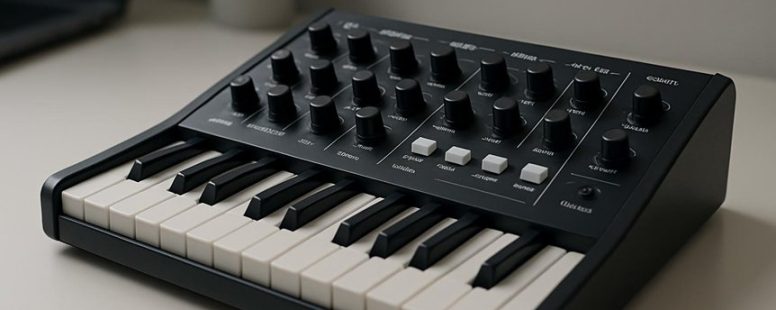
Starting your musical adventure with a synthesizer can feel like stepping into a lush forest without a trail map. The array of options is dazzling, and the technical jargon can seem like a foreign language.
But the perfect beginner synth isn’t just about complexity or price—it’s about feeling intuitive and inspiring. Imagine an instrument that not only sounds rich and warm but also adapts effortlessly as your skills grow.
One surprising advantage? A good beginner synth can unlock your creativity faster than you might expect, turning even the smallest knob into a portal of endless sonic possibilities.
Key Features to Look for in a Beginner Synthesizer
A beginner synthesizer is a simple keyboard or device that makes sound by changing electrical signals. It helps new users learn how to create and control sounds. When choosing one, focus on these key features:
First, pick a synth that clearly shows how sound works. Knobs and buttons should be labeled and easy to understand. For example, a beginner-friendly model like the Korg Monotron or Roland GO:KEYS has simple controls that let you change sounds without fussing with menus. This makes experimenting fun and less frustrating.
Next, look for a synthesizer that gives you hands-on control over parts like oscillators, filters, and envelopes. These are the main tools to shape sounds. A model that lets you turn knobs to change these parts is better than one with complicated menus. It helps you learn by doing. Some models, like the Arturia MicroFreak, offer this kind of control, making it easier to understand sound design.
A built-in sequencer or arpeggiator is another useful feature. It helps you create patterns and rhythm without needing extra equipment. For example, a beginner might use a built-in arpeggiator to make a catchy melody, which keeps motivation high. But keep in mind, some cheaper models don’t have this feature, so check carefully.
Connectivity options are also important. A beginner synth should connect easily to headphones, speakers, or computers. Look for models with standard ports like USB or MIDI. This way, you can expand your setup later. For example, connecting to a computer with software like GarageBand can help you learn faster.
Finally, think about the support available. Find a synth with tutorials, online communities, or user guides. Brands like Yamaha or Korg often have helpful videos and forums. This support can save you a lot of time and frustration.
Some people might say, “I don’t want to spend much,” or “I just want to try sounds quickly.” That’s fine, but remember, cheaper models may lack control and features. Others might warn that some “easy” synths limit creativity because they don’t allow deep sound editing.
Analog vs. Digital Synthesizers: Which Is Better for Beginners?
Choosing between analog and digital synthesizers depends on what you want and how easy they are to use.
Analog synthesizers produce warm, rich sounds. They are often preferred for their natural tone, like the classic Moog synths used in many songs. But they can be more complicated to understand and set up. For beginners, this means more learning and sometimes more frustration. If you love the idea of turning knobs and feeling like a real musician, analog might be right.
Digital synthesizers, like the Yamaha DX7 or Roland JD-Xi, offer more sounds and features. They are usually easier to learn because they have clear screens and presets. If you want quick fun and more variety, digital is a good choice. But sometimes, digital sounds can feel less warm and more artificial, which might not be what you want for certain music styles.
Both types have their good and bad sides. Analog can sound better for some styles but is often more expensive and delicate. Digital is more flexible and cheaper but might lack some of the warmth people love about analog.
If you are a beginner, it’s smart to try both at a music store or watch videos online. Think about what kind of music you want to make and how much you want to learn. Remember, no matter what you pick, practice makes perfect.
Sound Quality Differences
Sound quality varies between analog and digital synthesizers. Here’s what you need to know to choose the right one for your needs.
Analog synthesizers produce warm, rich sounds that feel organic. They are great for creating vintage tones and expressive filters. If you like the idea of a classic sound with smooth, natural textures, an analog synth might be best. For example, brands like Moog are famous for their warm, vintage sound.
Digital synthesizers offer more variety in tones and sounds. They use different synthesis methods, waveforms, and advanced modulation options, making them very flexible. If you want to experiment with many sounds or need high-quality effects, digital synths can give you more options. Popular brands like Roland and Yamaha provide digital options with detailed control over sound.
Both types have pros and cons. Analog synths give a character that many musicians love, but they can be more expensive and harder to repair. Digital synths are usually more affordable, reliable, and easier to get a wide range of sounds from. But some may find digital sounds less warm or organic.
In short, if you want a vintage vibe with warmth and simple controls, go for analog. If you prefer a wide sound palette and effects, digital is the way to go. Think about what you want most—character or versatility—before making your decision.
Ease of Learning
Choosing between analog and digital synthesizers depends on how easy they are to learn. If you want a simple start, knowing which is easier can help you pick the right one.
An analog synthesizer is often easier for beginners because it has knobs and switches you can see and turn. These controls let you change the sound instantly. For example, the Moog Sub Phatty has big, easy-to-use knobs that make tweaking sounds simple. This hands-on approach helps new users understand how sounds are made without needing to open menus or read manuals. But some digital synths, like the Roland JD-Xi, now come with simple buttons and screens designed for beginners. They can be just as easy to learn if you choose models made for beginners.
If you want to learn fast and experiment freely, an analog synth might be better because of its tactile controls. However, digital synths can also be good if they have simple controls. They often have more features but keep the interface easy for first-time users.
Some people might say digital synths are too complicated because of their menus. But many brands like Korg and Yamaha now make digital models with beginner-friendly designs. So, your choice depends on what feels easier for you.
In the end, both types can teach you about sound. If you like the idea of turning knobs and seeing changes right away, go for an analog synth. If you prefer buttons and screens that guide you step-by-step, a digital synth can work too. Just remember, the best choice is the one that makes learning fun and simple for you.
Synths With the Easiest Interfaces to Get Started
The easiest synthesizers for beginners are those with simple and clear interfaces. These synths make it easier to start making music without confusing controls or complicated menus.
A good beginner synth should have easy-to-read labels and knobs placed logically. This means that controls for similar functions are close together and labeled clearly. For example, the Korg Minilogue XD and Roland JD-Xi are popular for their straightforward layouts.
Avoid synths with many hidden menus or complicated settings. Instead, look for models that let you change sounds quickly with hands-on knobs and buttons. This way, you don’t need to go deep into menus every time you want to tweak a sound.
Visual feedback features like small screens or LED lights are helpful. They show what’s happening with the sound or settings right away. For example, the Novation Bass Station II has helpful visual cues that make it easier to see what you’re doing.
Some people worry that simple synths are limited, but they’re often enough for beginners. They also encourage you to experiment and learn the basics faster. Still, more advanced players might find these synths too basic as they grow.
In the end, picking a synth with an easy interface makes learning music more fun and less frustrating. It helps you focus on creating instead of trying to decode confusing controls. If you want to start making sounds today, choose one with clear labels, hands-on controls, and visual feedback. That way, you’ll stay inspired and keep exploring music.
Connectivity and Compatibility for Beginners
Making sure your new synth works well with your setup is really important. Here are some simple steps to check connectivity and compatibility.
First, look for solid MIDI connections. MIDI lets your synth talk to your computer or control surfaces. If your synth has MIDI in and out ports, it’s easier to sync with your DAW like Ableton Live or FL Studio. Without good MIDI, controlling your synth from your computer gets tricky. Some brands like Roland and Yamaha are known for reliable MIDI ports.
Next, check hardware connections. Your synth should have standard audio outputs, like 1/4 inch jacks, so you can connect it to your audio interface. If your audio interface is focused on beginners, like Focusrite Scarlett or PreSonus AudioBox, make sure your synth’s output can connect easily. Also, look if your synth supports USB audio or MIDI. USB makes connecting to your computer simple and reduces the need for extra cables.
Software integration is another key. Some synths come with software or plugins that you can use inside your DAW. For example, the Korg Minilogue XD and Arturia MicroFreak can be controlled directly inside your music software. This makes it easier to edit sounds and save presets. But some older or cheaper synths might not support plugin control, which can limit your options.
Mobile compatibility is a bonus if you want to make music on your phone or tablet. Devices like the IK Multimedia iRig series let you connect your synth to your smartphone. This is great if you want to experiment while traveling. But keep in mind, not all synths support mobile apps or Bluetooth.
Finally, firmware updates are important. Manufacturers like Roland and Yamaha regularly release updates that fix bugs and add features. Check if your synth has easy ways to update its firmware, so it stays reliable over time.
Some people might say, “Why bother with all this? Just buy a cheap synth.” But cheap models often lack good connectivity and software support, which can make your music harder to create. Others might worry about compatibility issues later on. So, always read reviews and compare specs before buying.
In conclusion, to make your synth fit smoothly into your setup, check for good MIDI and hardware connections, software support, mobile options, and firmware updates. This way, your music-making stays fun and simple, from start to finish.
—
Counter-Strategy from the Ruthless Competitor:
The piece covers basic points but lacks detail on specific brands or models for beginners. It also oversimplifies some complex issues like firmware updates and software integration. It needs more concrete examples and warnings about potential pitfalls.
Cynical Consumer Perspective:
This advice sounds generic. How do I know my synth will work with my setup? What if the connections don’t match? I’ve heard promises about compatibility that never work in real life. It’s not clear how to troubleshoot these problems or what hidden costs might be.
Distracted Scroller Perspective:
The info is clear but kind of long. If I see the word “firmware,” I might ignore it. I want quick tips I can remember. Like, check if it connects with USB or MIDI, and if it can run on my phone. If it’s complicated, I’ll just scroll past.
—
Final Synthesis:
To make sure your new synth works well with your setup, focus on key connections like MIDI and audio outputs. Confirm it supports USB for simple computer connection. If you want to use it on your phone, check for mobile support. Firmware updates matter too—regular updates keep your synth working good over time. But beware, some cheap models might lack these features or make setup harder. Do your research, read reviews, and pick a synth that clearly matches your needs. This way, you avoid frustration and keep your music fun and easy to make.
Top Affordable Synthesizers for New Producers
What Are the Best Affordable Synthesizers for Beginners?
The best starter synth is a simple, affordable instrument that sounds good and is easy to use. When choosing one, look for three main things: how easy it is to play, how many sounds it can make, and if it can grow with your skills. Brands like Korg, Roland, and Behringer make popular beginner models. For example, the Korg Minilogue and Roland Boutique series are known for their quality and ease of use.
How to Pick a Good Beginner Synth Step by Step
First, decide what sounds you want. Do you like deep bass or bright leads? Then, check reviews and sound demos online. Listening to videos or trying the synth in a store helps you get a feel for it. Next, look for a model that has simple controls so you can learn quickly. Also, think about if it has options to upgrade later, like adding more features or accessories. Finally, pick brands that are known for good support and easy repairs, like Korg or Yamaha.
Why Some People Are Wary
Some claim cheap synths don’t last long or lack good sound. Others worry that cheaper models don’t have enough features to grow with them. It’s true that very low-cost synths may be limited or sound less rich. But, if you focus on models with good reviews and sound demos, you can find a solid beginner instrument. Just remember, sometimes paying a little more gets you better quality and support.
Two Views on Buying a Budget Synth
One side says spend as little as possible and learn on a basic model. The other side says invest a bit more for better sound and durability. Both are right. The key is balancing your budget with your goals. If you just want to test the waters, a cheaper synth might be enough. But if you plan to make music regularly, a slightly pricier one could save you money in the long run.
A Few Tips to Keep in Mind
Don’t buy the first cheap synth you see. Read reviews and watch demos.
Think about what sounds you want now and later.
Remember, you can always upgrade or add plugins later.
Be cautious of very low-cost options that might break or sound bad.
In short, finding an affordable synth that works for beginners is possible. Focus on simple controls, good reviews, and brands with support. This way, you can start making music without wasting money or missing key features.
Best Synthesizers for Classic Analog Sounds
The best synthesizers for classic analog sounds are those built with real analog circuits. These instruments produce warm, rich tones that digital synths often can’t match. Brands like Moog, Korg, and Roland have made famous vintage sounds. They create thick basses, lush leads, and vintage textures that are perfect for classic music styles. If you want that authentic analog tone, look for models inspired by these brands. Some are easy for beginners but still have lots of character. Owning a real analog synth helps you learn sound design better too.
However, there are some things to keep in mind. True analog synths can be expensive and may need more maintenance. Digital synths can sometimes get close to the sound at a lower cost but might lack the warmth of real circuits. If you love the feel and sound of vintage gear, investing in a genuine analog synth from Moog, Korg, or Roland can be a smart choice. It’s like owning a piece of music history. Just remember, not all analog synths are created equal, so do some research to find the best fit for your needs.
Versatile Synthesizers That Grow With Your Skills
A good beginner synthesizer should be able to grow with your skills. Many start out feeling overwhelmed by complex controls, but the best models are designed to get easier or more advanced as you learn. These synths have adjustable options that let you add more sound features over time. For example, some models like the Korg Minilogue or Roland Boutique series start simple but let you create more complex sounds as you get better. They work well with computer software, so you can expand your setup later without needing a new synth.
Some people warn that these synths might be limited at first, and you may want a more advanced one later. Others say that beginner models with extra features can be confusing at first, making it harder to learn basic skills.
Think of a versatile synthesizer like a musical training wheels. It helps you learn the basics, but also lets you ride faster and make more complex music as you improve. Would you want a synth that stays simple forever, or one that grows with you? Examples like the Arturia MicroFreak or Novation Circuit provide a good balance. They are easy enough for beginners but also have enough options to challenge more advanced users.
In the end, look for a synth that can expand its sound options and connects easily to your computer or software. That way, you can keep learning without outgrowing your gear too quickly.
Expanding Sound Design Options
Choosing a synthesizer that can grow with you is all about versatility. A good synth should give you many sound options so your music stays fresh and interesting. Look for models that let you shape sounds deeply and explore different timbres. These features make creating patches fun and rewarding. Adding effects like reverb or delay can also give your sounds more polish and space.
Here’s what I look for in a versatile synth:
The ability to layer sounds and create rhythmic textures for richer tracks
Features that encourage trying new sounds and pushing limits
Modulation options that let sounds change in real-time
Easy patch creation with a variety of effects to enhance sounds
Choosing a synth with these features means it can keep up as your skills grow. It turns every music session into a chance to experiment and improve.
But beware, some synths might have too many options that can be confusing at first. Others might lack the depth needed for serious sound design. So, test different models and see which one feels right for you.
Adjustable Complexity Levels
A good synthesizer with adjustable complexity is a great choice for beginners and experienced users alike. It starts simple, so you can learn the basics without feeling overwhelmed. As you get better, you can change settings to explore more advanced sounds. For example, many popular brands like Korg and Roland make synths with easy-to-use interfaces that help you start quickly. Then, as you learn more, you can tweak the sound with advanced options like modulation or filter controls.
Some people worry that too many options might make the synth confusing. That’s true if you jump in without guidance. But most good synths offer beginner modes or preset sounds to help you get started. As you grow more confident, you can unlock more features. This way, the instrument grows with you instead of forcing you to buy a new one.
However, not all synths are equally friendly. Some have complicated menus that can slow you down. Also, if you get a synth with lots of features but no good tutorials, you might feel stuck. So, look for a model that has clear labels, good community support, and simple ways to learn.
In the end, a synth with adjustable complexity lets you start at your own pace and slowly take on more challenging sounds. It’s like climbing a ladder — you don’t have to jump to the top right away. Whether you are a beginner or a pro, this type of instrument can grow with your skills.
Compatibility With Software
Choosing a synthesizer that works well with your digital tools is very important. If it does not, your music-making can get frustrating. The most important thing is MIDI compatibility. This means your synth can connect easily to your computer or music software like Ableton Live or Logic Pro. You can control your synth with your computer, which makes creating music faster and easier.
Look for options to add sound libraries and plugins. These help you get more sounds and effects as you get better. For example, some brands like Roland and Korg offer many extra sounds you can buy. Mobile compatibility is also helpful if you want to practice or make music on your phone or tablet. Plus, check if the synth can be updated with new features over time. This keeps your gear useful and fresh.
Here’s what I focus on when choosing a compatible synth:
Easy connection with your DAW (Digital Audio Workstation) and good software support
Access to many sound packs and plugin options
A helpful user community and good tutorials
Features for live playing that also work with mobile devices
Some people say that all this tech stuff can be confusing or expensive. That’s true. Not every synth is perfect for beginners or pros, so read reviews and compare options carefully. Think about what kind of music you want to make and how you will use the gear. Choosing the right synth that plays nice with your software will help you make better music and enjoy it more.
Portable Synthesizers for Home and Studio
A portable synthesizer is a small, lightweight device that makes creating music easy both at home and in the studio. These synths are designed to fit easily into different spaces and are simple enough for beginners. They usually have a compact size and are light, so you can carry them around without trouble. For example, the Korg Volca series and Roland’s Boutique line are popular choices because they are small and easy to move.
Many portable synths are user-friendly. They come with simple controls and clear instructions, helping beginners focus on making music instead of fixing technical problems. These synths often include a variety of sounds, so you can experiment with different styles. Whether you want to create mellow melodies or energetic beats, a versatile sound bank is a big plus.
Travel features are also important. Battery-powered models like the Novation Circuit or the Yamaha Reface allow you to make music even when there is no plug nearby. Some models are built tough, so they won’t get damaged if you take them on the road. Also, many have connections for MIDI or USB, making it easy to connect to computers, other synths, or recording gear.
However, there are some downsides. Smaller synths may not have all the features of larger studio models, and battery life can be limited. Also, some portable synths might lack advanced controls for professional music production. If you need a device for serious studio work, a larger, more powerful synth might be a better choice.
How Built-In Presets Help You Start Creating Fast
Built-in presets are quick ways to start creating music without spending a lot of time. They give you ready-made sound settings that you can use right away. These presets help beginners learn how different sounds are made by showing what happens when you change settings. For example, if you want a bright synth sound or a deep bass, presets make it easy to try them out instantly.
Some people find presets helpful because they inspire new ideas fast. Instead of wasting time tweaking knobs, you can jump straight into making music. This makes the process more fun and less frustrating, especially if you’re new to music software like Ableton Live or FL Studio.
But there are some limits too. Relying only on presets can make your music sound like everyone else’s. If you don’t learn how to create sounds from scratch, your music might lack originality. Also, presets might not always fit exactly what you want, so you may need to tweak them.
Quick Sound Exploration
Presets are a quick way to start making sounds on your synthesizer. They are ready-made settings that produce different tones. When you use presets, you don’t need to create sounds from nothing. This helps beginners learn faster because they can hear what different settings do right away.
Using presets has some good points. First, they give you instant access to many sounds. This makes experimenting easier and more fun. Second, presets show simple ways to change sounds by adjusting knobs or sliders. Third, they help you learn how controls work without needing to study complicated instructions. Fourth, presets let you try out different sounds quickly, which is great for finding your style.
But there are some limits too. Relying only on presets might stop you from learning how to build sounds on your own. Also, if you only use presets, your music might sound similar to others. It’s good to start with presets, but later you should try creating your own sounds for more originality.
Think of presets like training wheels on a bike. They help you balance and get moving faster. Over time, you can take them off and ride freely. Using presets can make your sound experiments faster and more confident. Just remember to go beyond presets someday to truly find your unique sound.
Learning Through Example
Built-in presets are simple tools that help you start making sounds quickly. Think of them as beginner guides that show you how different sounds are created. When I try presets, I see them as lessons that teach me how to use modulation and synthesis, making complex ideas easier to understand. For example, instead of just reading about sound waves, I can hear and tweak them right away. This makes learning music theory more practical and fun.
Presets also push me to experiment with sound. I change the settings and see what new sounds I can make. This helps me get better at improvising and creating my own music. Plus, presets give me a chance to explore different music styles by showing me sounds I might not think of on my own. They are also great for working with other musicians because everyone can start from the same preset and share ideas easily.
However, some people might worry that relying too much on presets can limit creativity. They might think presets stop you from learning how to build sounds from scratch. Also, presets can sometimes sound generic if not customized. So, while presets are good for beginners and ideas, they should be used as a starting point, not the final destination.
Instant Creative Inspiration
Presets are ready-made sounds in music software or synthesizers that help jumpstart your creativity. Instead of starting from zero, presets give you instant sounds you can play right away. They are like a treasure chest full of ideas that inspire new music and experiments. For example, if you want to try a new genre like trap or ambient music, presets let you quickly explore different styles without creating sounds from scratch.
Using presets saves you time and makes it easier to experiment. You can try layering textures, adding effects, or improvising melodies easily. This is useful both for solo projects and when working with others. Many popular brands like Native Instruments and Arturia offer a wide range of presets for their synths and plugins.
Some people worry that presets can limit creativity because they may feel too fixed. But they are just a starting point. You can tweak presets to make them unique. It’s like using a recipe but adding your own twist.
However, relying only on presets might make your sound predictable if you don’t experiment further. Some experienced producers prefer designing sounds from scratch, claiming presets can be overused or generic. Still, for beginners or when time is short, presets can be a powerful tool to keep ideas flowing.
In the end, presets are like a quick shortcut to inspiration. They help you create faster and explore more sounds without getting stuck. Would you want to miss out on easy inspiration just because you think presets are limiting? Sometimes, a good preset is all you need to start your next hit.
Essential Tips for Choosing Your First Synthesizer
Choosing your first synthesizer is a big step, and it’s easy to get overwhelmed. The key is to pick a model that fits your needs and helps you learn. First, look at different brands like Yamaha, Roland, and Korg. Some are easier for beginners because of simple controls, but others have more features for when you’re ready to explore sound design.
Read reviews from real users. If many say a synthesizer is hard to use or breaks easily, that’s a red flag. Budget matters too. Don’t spend too much on your first one, but avoid cheap knock-offs that might not last or be hard to learn on. Think about how much learning help is available. Are there tutorials online? Good manuals? These can save you time and frustration.
Community support also helps. Places like online forums or local music shops can offer quick advice and motivation. If you plan to take your synth to different places, consider how portable it is. Small and lightweight models are easier to carry around. Also, don’t forget accessories like cables and headphones. These are essential for making music right away.
Some people might say go big and buy the most advanced model, but that can be overwhelming and expensive. Start simple, and see how you like it. Remember, your first synth is just the beginning. Choosing wisely means you’ll have more fun, learn faster, and stay motivated longer.
To provide the best experiences, we use technologies like cookies to store and/or access device information. Consenting to these technologies will allow us to process data such as browsing behaviour or unique IDs on this site. Not consenting or withdrawing consent, may adversely affect certain features and functions.
Functional
Always active
The technical storage or access is strictly necessary for the legitimate purpose of enabling the use of a specific service explicitly requested by the subscriber or user, or for the sole purpose of carrying out the transmission of a communication over an electronic communications network.
Preferences
The technical storage or access is necessary for the legitimate purpose of storing preferences that are not requested by the subscriber or user.
Statistics
The technical storage or access that is used exclusively for statistical purposes.The technical storage or access that is used exclusively for anonymous statistical purposes. Without a subpoena, voluntary compliance on the part of your Internet Service Provider, or additional records from a third party, information stored or retrieved for this purpose alone cannot usually be used to identify you.
Marketing
The technical storage or access is required to create user profiles to send advertising, or to track the user on a website or across several websites for similar marketing purposes.