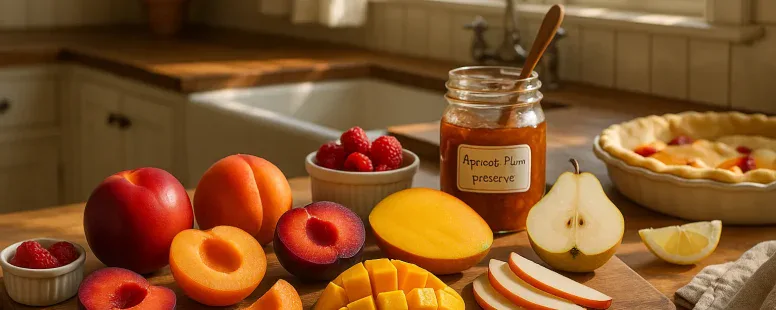
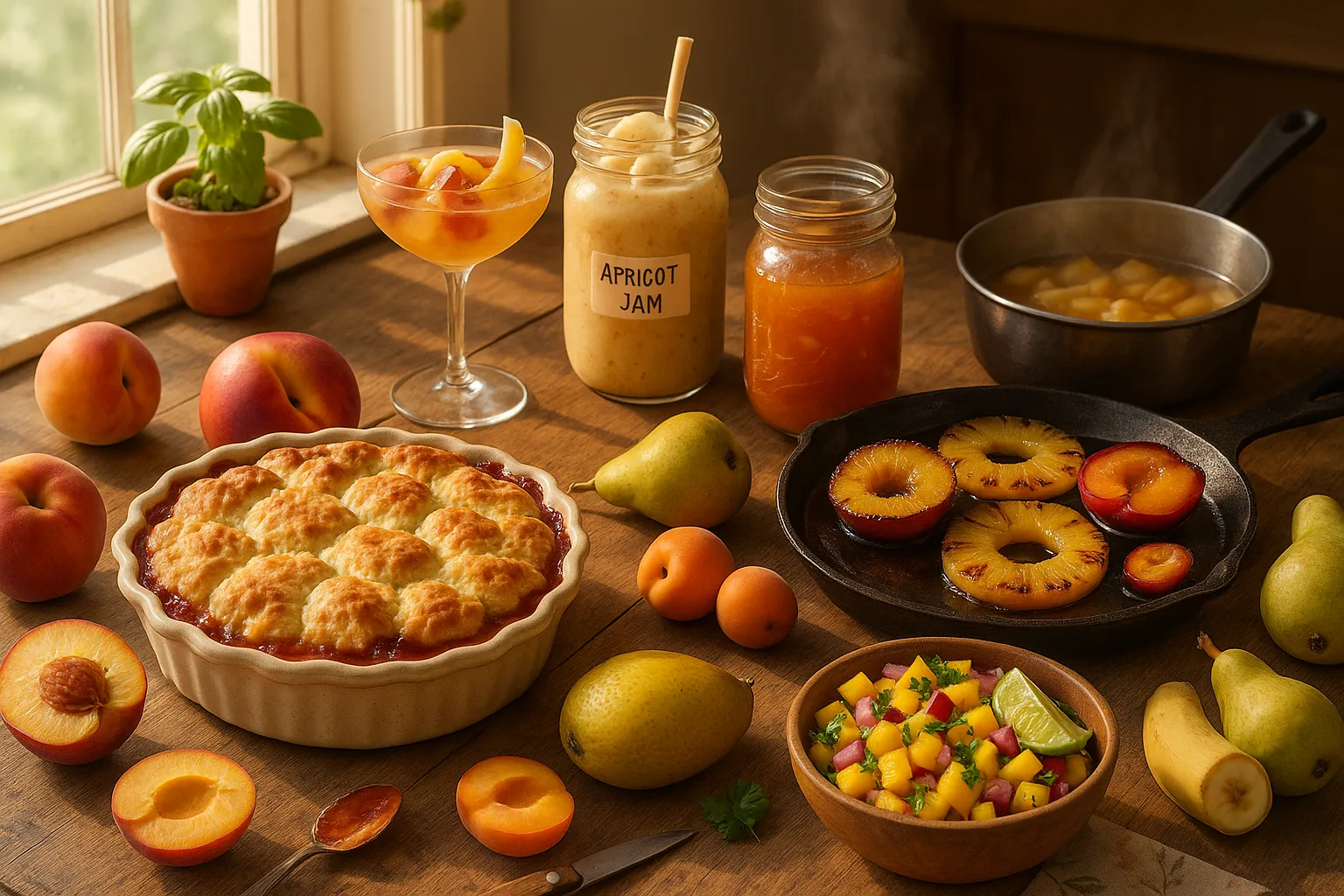
Peaches have a soft, sun-warmed sweetness and a fuzzy skin that triggers a specific kind of summer nostalgia. When you can’t get peaches, out of season, allergic, or simply wanting a different texture, the right substitute can rescue a recipe or spark a new one. This guide shows you clear, practical picks for replacing peaches in fresh dishes, cooked desserts, and preserved goods. You’ll learn which fruits match peach flavor, which mimic its texture, and how to adjust sugar, acid, and cooking time so your dish still sings.
How To Choose The Right Peach Substitute
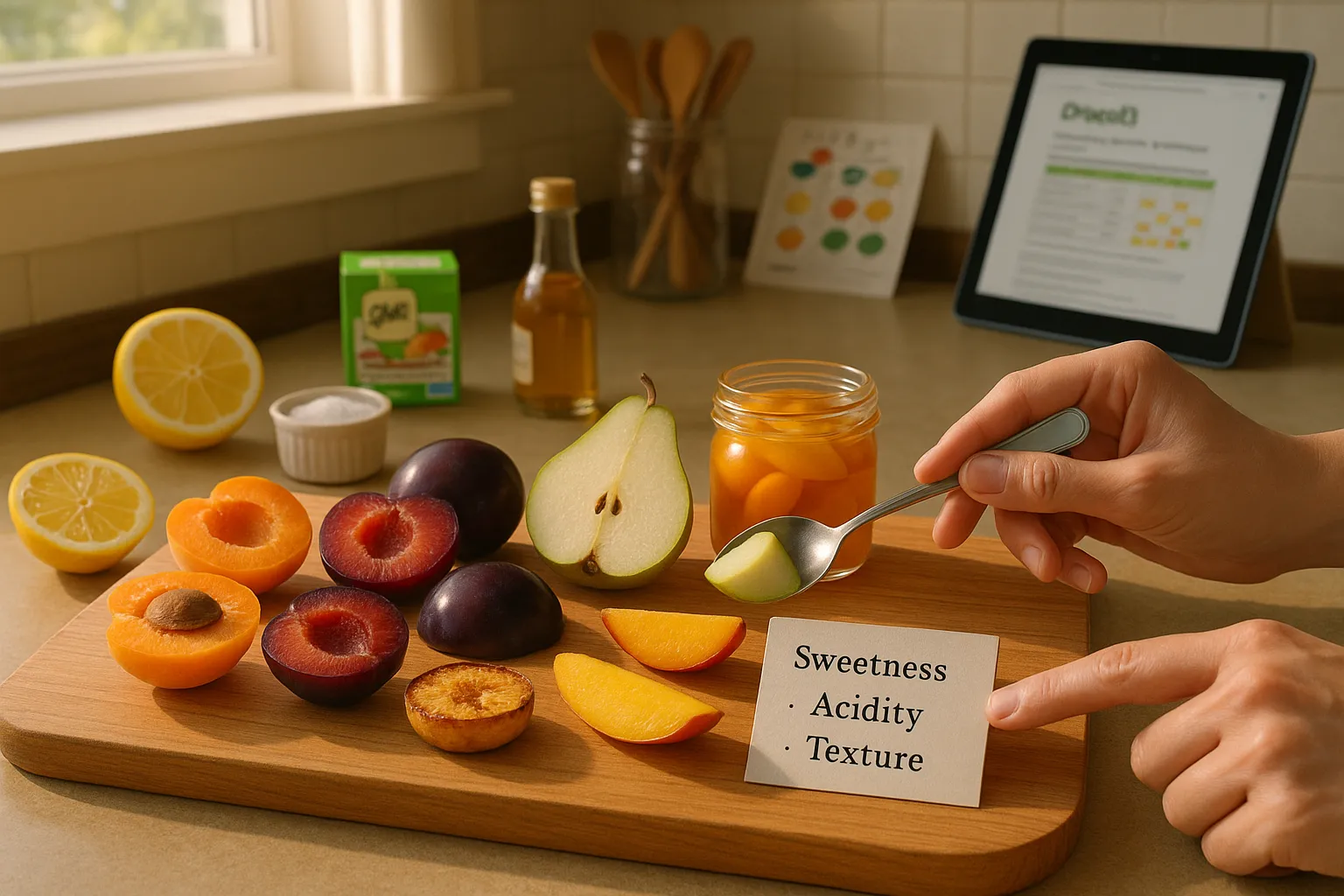
Fact: Choose a substitute by matching three traits: sweetness, acidity, and texture. Start there, then adjust.
Sweetness. Peaches range from mildly sweet to syrupy. If your recipe relies on natural sugar (like a salad or salsas), pick a fruit with comparable or slightly higher sugar, apricots or ripe pears work.
Acidity. Peaches have a soft tart note that brightens flavor. If you skip that acidity you’ll need to add lemon or vinegar. Plums and nectarines carry similar acid profiles.
Texture. A peach’s tender, slightly fibrous flesh breaks down gently when cooked. For firm textures pick pears or firm-ripe mangoes: for melt-in-the-mouth textures use canned peaches, roasted apples, or cooked plums.
How to weigh these traits for different recipes:
Fresh-eating: Prioritize texture and aroma. Choose a fruit that gives the same bite.
Baking/cooking: Prioritize water content and breakdown behavior. Choose fruits that will hold up or collapse at similar rates.
Preserves: Prioritize pectin level and sugar balance.
Practical test: taste the candidate fruit raw. Ask: Is it as sweet? Does it have a bright note? Does it hold its shape? If two answers are “no,” add sugar, acid, or shorten cooking time.
Named entities: USDA fruit ripeness charts, Driscoll’s berry ripening guidelines, and Ball (canning) pectin recommendations can help you adjust sugar and acidity when swapping fruits.
When To Substitute: Fresh, Cooked, Or Preserved Uses
Fact: Fresh, cooked, and preserved uses each reward different substitute choices.
Fresh uses (salads, salsas, snacks)
Insight: You need aroma and bite. Choose fruits with aromatic flesh and pleasant skin texture.
Good swaps: Nectarines (closest in flavor), ripe apricots, firm mangoes, or sliced white-fleshed peaches (if only skin texture is an issue).
Tip: If you’re replacing peaches because of fuzz (allergy or dislike), choose nectarines or mangoes, they mimic flesh without the fuzz.
Cooked uses (pies, cobblers, grilled desserts)
Insight: You need a fruit that holds shape or collapses similarly under heat.
Good swaps: Pears for structure, plums for tartness and color, apples mixed with a little peach jam for aroma.
Adjustment: Reduce cooking time if the substitute is softer: add cornstarch if it releases more juice.
Preserved uses (canning, jams, chutneys)
Insight: You need pectin, sugar tolerance, and predictable texture.
Good swaps: Apricots and plums (high pectin), apples (add body), and peaches mixed with lemon and pectin if volume is low.
Practical note: When making jam with mango or pear, add commercial pectin or an equal-weight apple to reach gel point.
Anticipated follow-up: If you wonder what to use in smoothies or baby food, choose ripe pears or nectarine for mild flavor and low acidity, or banana and mango blends to maintain smooth texture.
Top Fruit Alternatives And How They Compare To Peaches
Fact: Several fruits match peaches on one or more key traits. Here’s a practical comparison.
Nectarines, Closest match
Sweetness: Similar
Acidity: Similar
Texture: Nearly identical minus fuzz
Uses: Fresh, baking, grilling
Note: Nectarines are genetically a smooth-skinned peach: swap 1:1.
Swap tip: Choose Bartlett or Seckel for softer texture.
Apples, Crisp and long-lasting
Sweetness: Lower in many varieties
Acidity: Varies by type
Texture: Much firmer: needs softer cooking
Uses: Pies when combined with softer fruit: preserves
Swap tip: Cut apples thinner and cook with butter or jam to mimic peach mouthfeel.
Berries (strawberries, raspberries), Not direct matches
Use when you want bright color and sharp acid: combine with softer fruit for body.
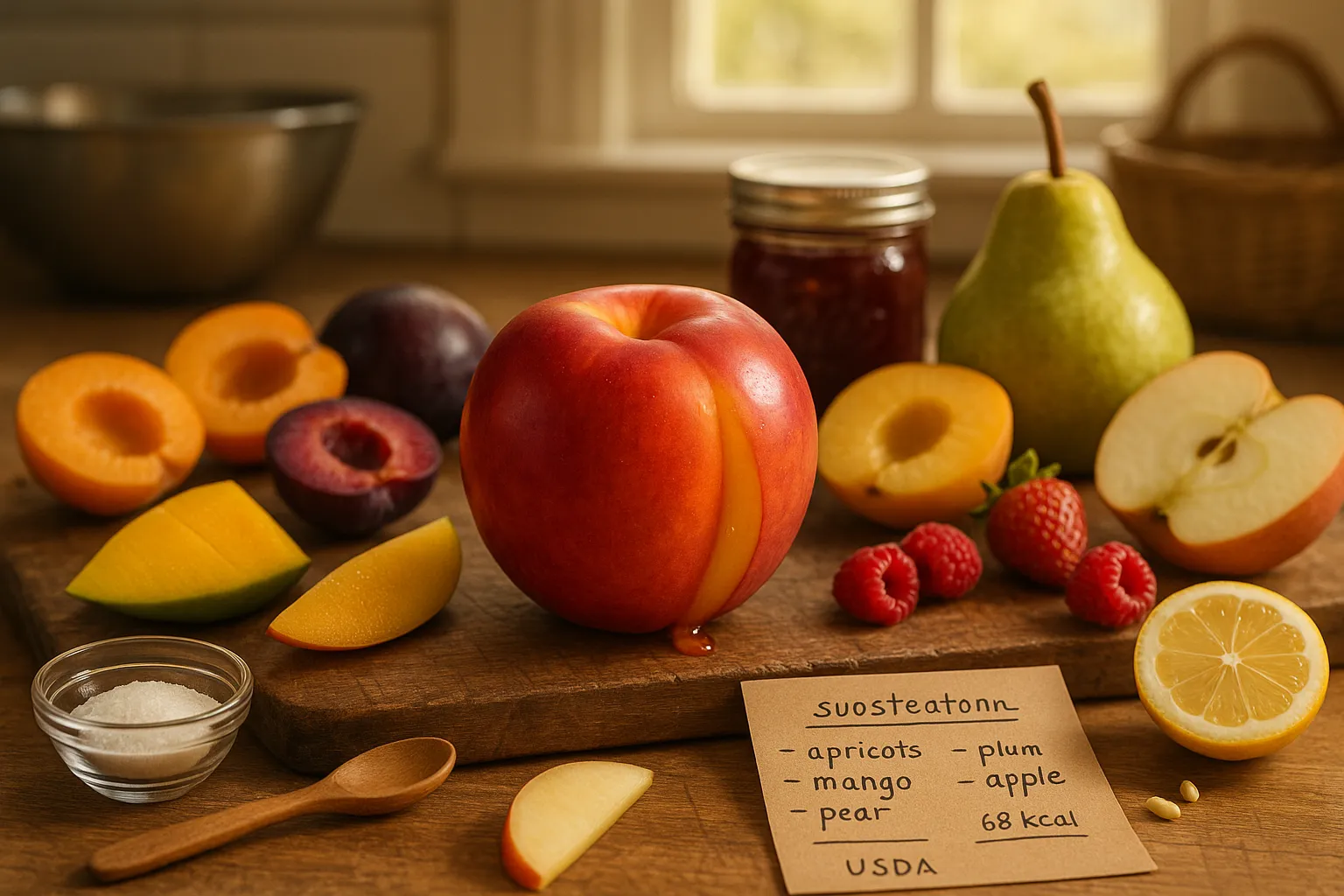
Named entities and data points: USDA nutrient database shows peach sugar at ~9.5 g per 100g: mango runs ~14 g: apple ~10 g. Use that to scale added sugar when substituting.
Best Alternatives For Specific Uses
Fact: The best substitute depends on the recipe purpose. Below are targeted swaps.
For peach cobbler or pie
Best swap: Nectarines for a near-perfect match. Use the same filling recipe but watch baking time: nectarines may release slightly more juice.
Honest mistake: I once used underripe pears without pre-cooking: the filling stayed grainy and watery. Pre-simmer pears to avoid that.
For fresh salads or salsas
Best swap: Mango or apricot. Mango brings creamy notes, apricot brings tang. Add lime for brightness.
For grilling or roasting
Best swap: Pineapple rings or plums. Both caramelize well. Brush with honey and grill 2–3 minutes per side.
For jams and preserves
Best swap: Apricots or plums. They have higher natural pectin. If using mango or pear, add apple or commercial pectin.
For smoothies and baby food
Best swap: Pears or bananas. They puree smoothly and give mild sweetness with low acid.
For cocktails and compotes
Best swap: Nectarines or mango. Muddle or sauté with sugar and lemon: the aroma will be strong and fruity.
Practical ratios and adjustments
Acidity: Add 1 tsp lemon juice per cup of ripe mango to mimic peach brightness.
Sweetness: Reduce added sugar by 15–25% when using mango: increase by 10–15% for apricot.
Texture: Add 1–2 tbsp of peach jam to apple fillings to restore peach aroma and mouthfeel.
Nutrition And Allergen Considerations
Fact: Many peach substitutes shift nutrient and allergen profiles: check for allergies and calorie changes.
Nutrition shifts
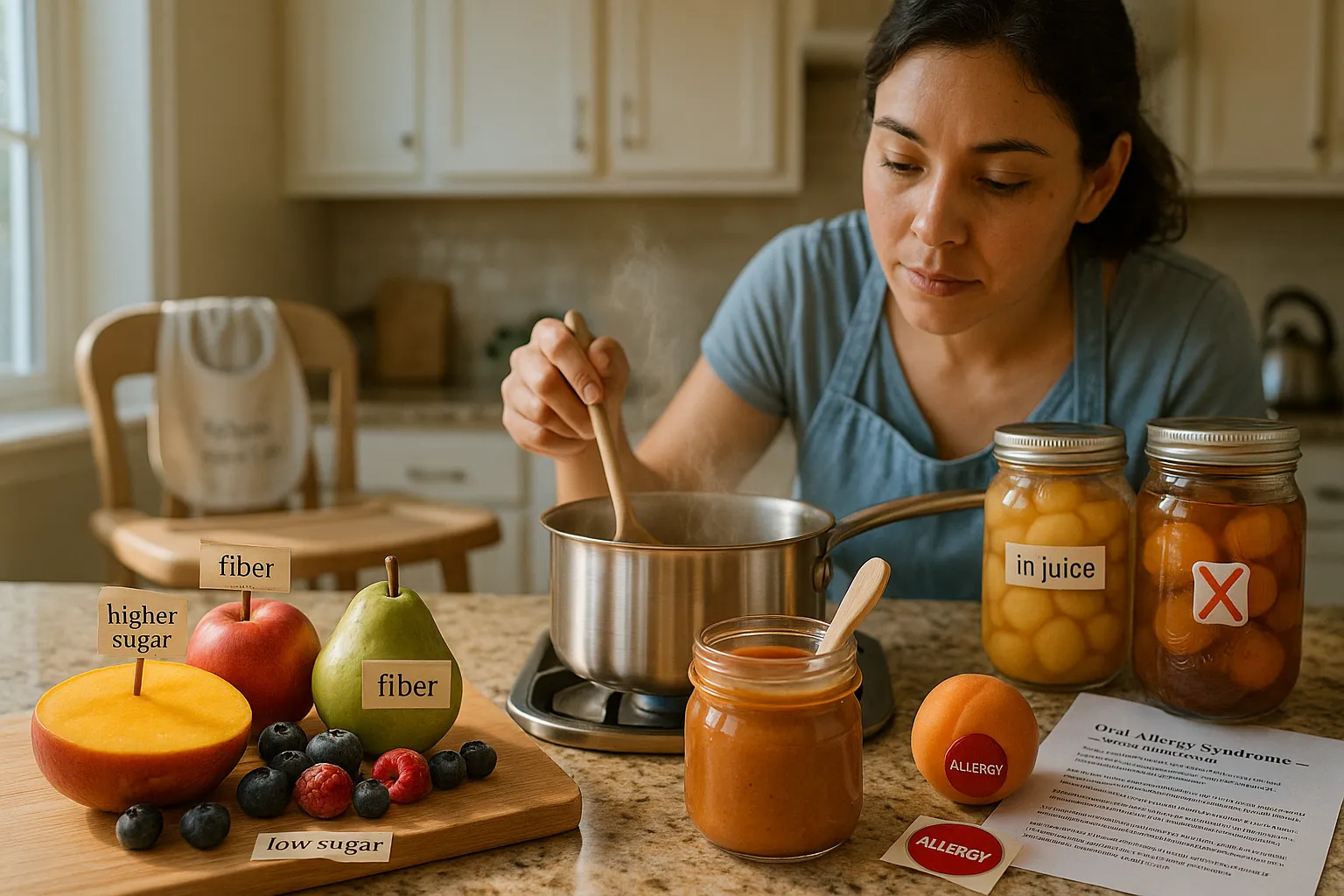
Calories and sugar: Mango increases natural sugars and calories: apples and pears are similar to peaches: berries lower sugar.
Fiber: Pears and apples often give more fiber per serving than peaches.
Vitamins: Mango delivers more vitamin A: peaches give vitamin C and some potassium.
Allergen and intolerance notes
Peach allergy: People with oral allergy syndrome often react to raw peaches: they may also react to apples, cherries, and some tree fruits. If you have pollen-food allergy, consult an allergist before trying close relatives like apricot or nectarine.
Histamine and intolerance: Fermented or preserved options can raise histamine levels: if you have sensitivity, prefer fresh fruit.
Label-smart shopping
If you buy pre-cut or canned substitutes, check sodium, sugar, and syrup type. Choose “in juice” rather than “in heavy syrup.”
Real-life example: A friend with OAS tolerated cooked plums but reacted to raw apricot: heating destroyed the proteins causing the reaction. This shows cooking can change allergenicity for some people.
Warning: If you’re substituting for an infant or toddler, don’t use honey for kids under one: use cooked fruit purées instead.
Buying, Storage, And Preparation Tips For Substitutes
Fact: Proper buying and storage preserve flavor and make substitutes work better.
Buying tips
Choose ripe but firm fruit for cooking: soft-ripe for fresh eating.
Brand note: Driscoll’s labels show peak ripeness windows on some berries: look for similar cues on stone fruit sellers.
Smell the stem end. Aroma often signals ripeness better than color.
Storage tips
Ripen at room temperature: move to the fridge once slightly soft to slow ripening.
Store cut fruit in acidulated water (1 tsp lemon per cup) to prevent browning.
Preparation tips
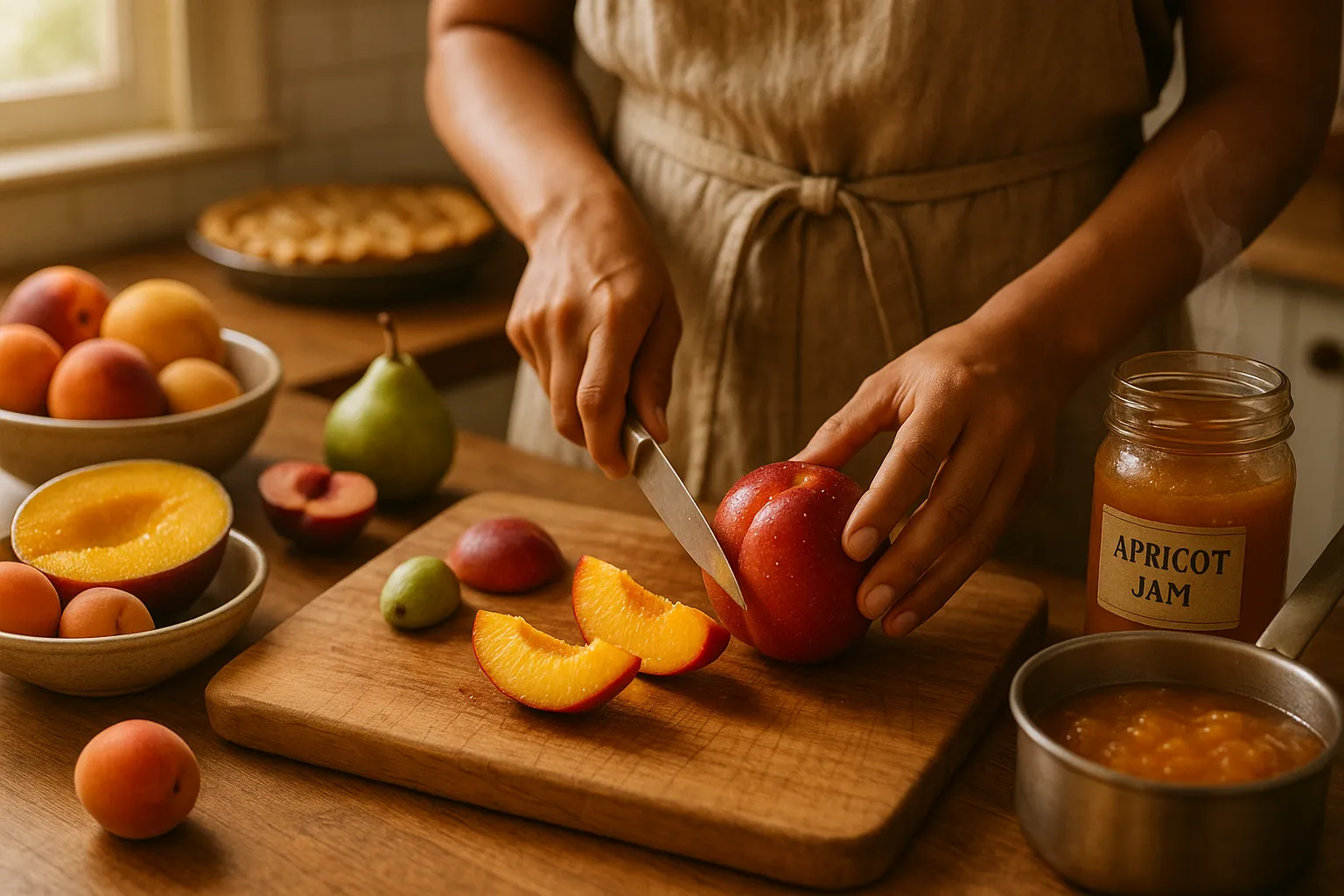
Peeling: If texture is an issue use nectarines or mango and leave skins on. To peel easily, blanch plums or apricots in boiling water 20–30 seconds and shock in ice.
Thickening: Add 1–2 teaspoons cornstarch mixed with cold water per cup of fruit for pies where the substitute releases more juice.
Flavor finishing: Add fresh lemon zest, a pinch of ground ginger, or a splash of bourbon to mimic peach aroma and depth.
Small vulnerable moment: I once tossed canned peaches into a tart without draining them well. The crust got soggy. Now I always drain and reserve syrup for glazing.
Call to action: Try a small test swap next time you cook. Pick one recipe and substitute only half the peaches to compare. You’ll learn which adjustments work for your taste, and maybe discover a new favorite.
To provide the best experiences, we use technologies like cookies to store and/or access device information. Consenting to these technologies will allow us to process data such as browsing behaviour or unique IDs on this site. Not consenting or withdrawing consent, may adversely affect certain features and functions.
Functional
Always active
The technical storage or access is strictly necessary for the legitimate purpose of enabling the use of a specific service explicitly requested by the subscriber or user, or for the sole purpose of carrying out the transmission of a communication over an electronic communications network.
Preferences
The technical storage or access is necessary for the legitimate purpose of storing preferences that are not requested by the subscriber or user.
Statistics
The technical storage or access that is used exclusively for statistical purposes.The technical storage or access that is used exclusively for anonymous statistical purposes. Without a subpoena, voluntary compliance on the part of your Internet Service Provider, or additional records from a third party, information stored or retrieved for this purpose alone cannot usually be used to identify you.
Marketing
The technical storage or access is required to create user profiles to send advertising, or to track the user on a website or across several websites for similar marketing purposes.