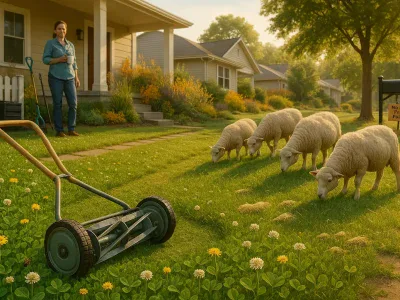
A traditional green lawn looks tidy, but it often costs you time, water, and biodiversity. If you’ve noticed yellow patches after a hot spell, high water bills in summer, or a yard that feels more like a chore than a refuge, you’re not alone. Choosing the best alternative to lawns can cut your water use, invite bees and birds, reduce mowing, and turn dull turf into useful, beautiful space. This article shows practical options, clear trade-offs, and step-by-step ways to make the switch, so you can pick an approach that fits your climate, budget, and how you live outside.
Why Replace A Traditional Lawn
Fact: Traditional turf lawns demand the most regular mowing, watering, and chemical inputs of many yard options. Lawns often consume 30–60% of household outdoor water in dry regions, according to regional water utilities, and they support few native insects or birds.
Why replace one? You want lower maintenance, better habitat, or to reclaim water and time. Many people also want edible plants, places for kids to play without pesticides, or a landscape that survives drought.
Context and drivers: Cities such as Phoenix, Los Angeles, and Adelaide have passed policies or incentives to convert turf to drought-tolerant plantings. Homeowners in those places reported lower bills and fewer nights spent mowing.
Vulnerable moment: I once ripped up half my backyard to try a wildflower mix and failed because I seeded in mid-summer: it taught me the value of timing and honest assessment. You’ll probably make small mistakes too, and that’s fine: they teach you what your yard wants.
Key Factors To Consider When Choosing An Alternative
Fact: The right alternative depends on your climate, soil, intended use, and willingness to maintain.
Start with these clear factors:
Climate and rainfall. Choose plants matched to your USDA zone or local microclimate.
Use and access. Decide whether the area must be play-safe, walkable, or primarily visual.
Soil type and drainage. Clay, sand, or compacted fill change plant choices and establishment methods.
Maintenance willingness. Some options need little care after year two: others require seasonal attention.
Ask practical questions: Do you want edible plants like fruit bushes? Will pets roam there? How much time will you spend weeding the first year? Answer those first and you’ll avoid buying glossy photos that won’t survive your yard.
Named entities: Consult resources like the Xerces Society for pollinator mixes, the U.S. EPA for water-use guidance, or your local extension office for soil tests.
Top Alternatives To Lawns
Fact: Several proven alternatives fit most yards: each has clear pros and cons. Below are the most popular choices and how they serve different goals.
Native Meadow Or Pollinator Lawn
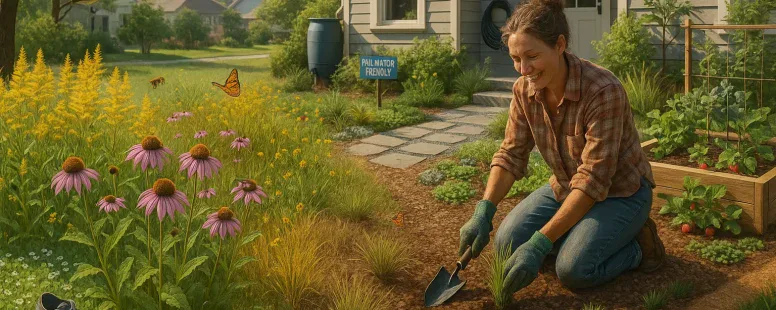
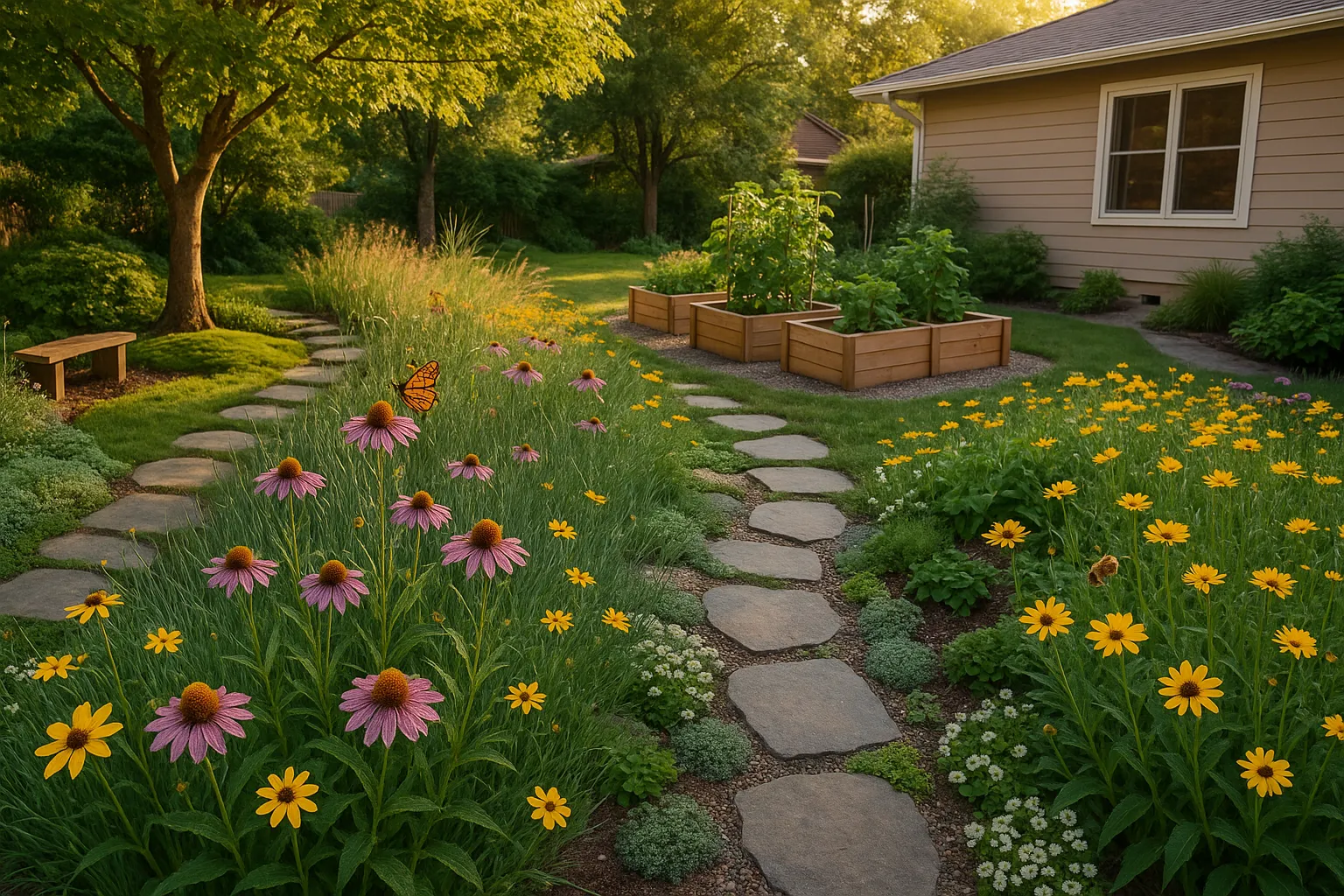
Fact: Native meadows support far more pollinators than turf. A meadow planted with local wildflowers and native grasses offers blooms through the growing season and provides habitat for bees and butterflies.
Practical note: Meadows often start with seed or plugs and require weed control the first two years. They suit large or sloped sites best.
Clover Or Low-Growing Legume Lawns
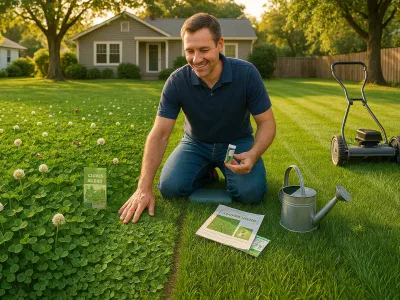
Fact: Clover fixes nitrogen and stays green with less fertilizer. White clover mixes with short grasses create soft, low-mow surfaces that tolerate foot traffic and reduce fertilizer needs.
Anecdote: A neighbor swapped half their lawn to clover and cut fertilization to zero, lawn looked healthier by midsummer.
Mixed Groundcover Plantings
Fact: Groundcovers like thyme, creeping sedum, and ajuga create dense mats that suppress weeds and reduce mowing. They are tactile and fragrant in warm weather.
Tip: Pick species that tolerate your soil pH and sun exposure.
Moss Lawn
Fact: Moss uses almost no water and thrives in shade and compacted, acidic soils. Moss lawns are soft, low, and require no mowing.
Warning: Moss won’t tolerate heavy, abrasive foot traffic, and it prefers cool, shady spots.
Edible Landscaping And Kitchen Gardens
Fact: Replacing turf with herbs, berry bushes, and vegetables increases food yield and can lower grocery bills.
Design idea: Use raised beds and perennial shrubs to create layered, edible borders with paths. This option demands seasonal care but rewards you with harvests.
Hardscaping With Plant Pockets And Drifts
Fact: Hardscape like permeable pavers, gravel patios, or stepping-stone paths reduces lawn area and creates functional outdoor rooms. Add plant pockets or drifts of natives to keep biodiversity high.
Trade-off: Hardscape raises installation cost but cuts long-term maintenance and water use.
How To Transition From Lawn To Alternative
Fact: Transition success starts with a site assessment and realistic plan. Below are actionable steps.
Site Assessment And Soil Preparation
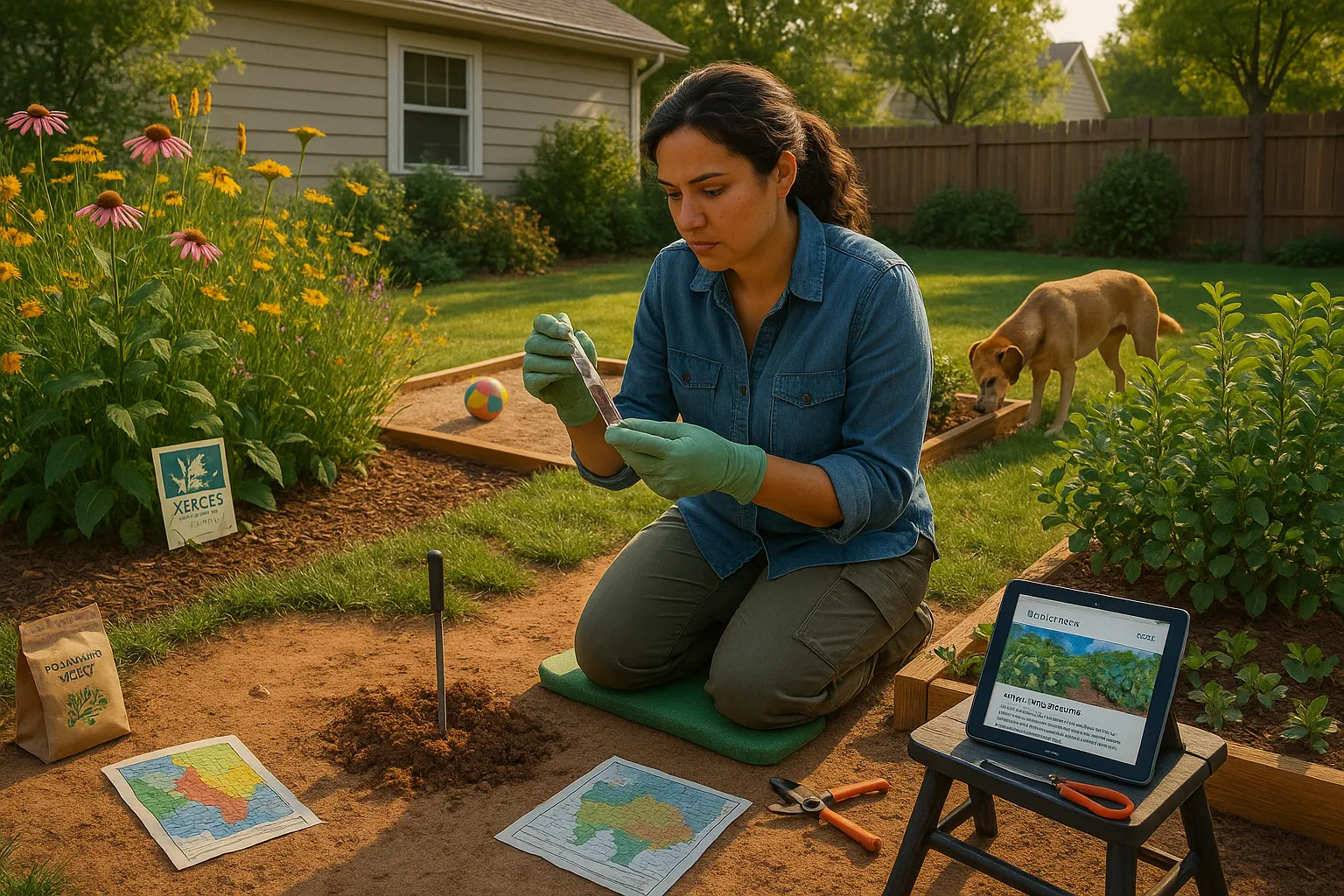
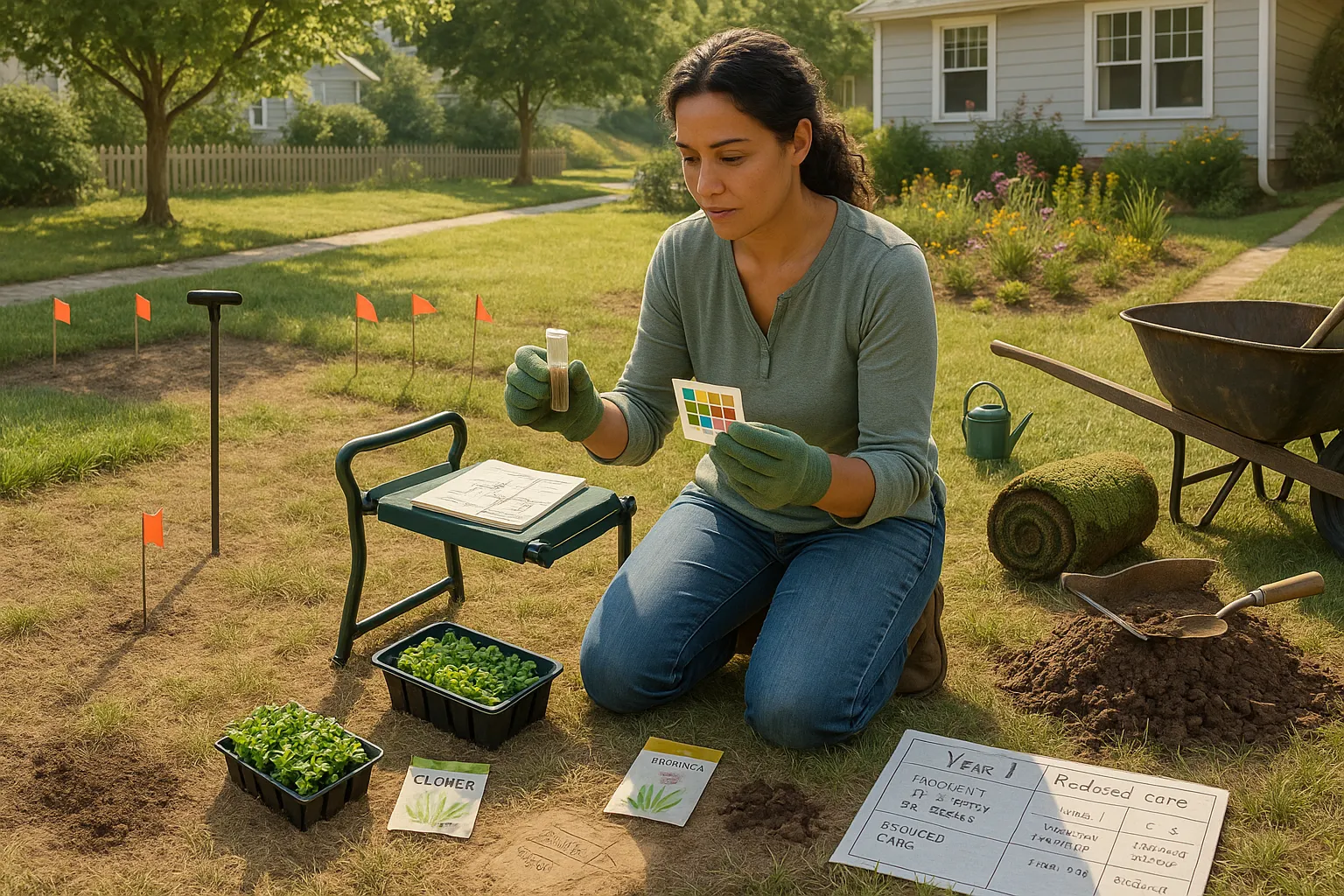
Fact: Test soil pH and texture first. A simple pH test kit or county extension lab gives reliable guidance.
Steps: Map sun/shade, note drainage patterns, and mark compacted zones. Remove debris and treat invasive patches before planting. You may need to amend soil with organic matter if it’s compacted or very sandy.
Choosing Plants For Your Climate And Use
Fact: Select plants that match both your climate and how you will use the space.
Example: If you need play areas, choose clover or durable thyme. For pollinator habitat, pick a multi-season bloom mix with named species like Echinacea, Solidago, and native grasses.
Fact: Maintenance falls over time: high at start, low after establishment.
Year 1: Frequent watering, weeding, and monitoring.
Years 2–5: Reduce watering and spot treatments: encourage native perennials.
Long-term: Replace failing patches and adapt plant palette as conditions change.
Practical tip: Keep a 2- to 3-inch layer of mulch on bare planting beds and a shallow topdressing for meadows to suppress weeds.
Design Ideas And Practical Use Cases
Fact: Alternatives work across scales: design choices depend on yard size and use.
Small Urban Yards And Container Solutions
Fact: Containers and narrow beds let you grow edibles and pollinator plants where turf won’t fit.
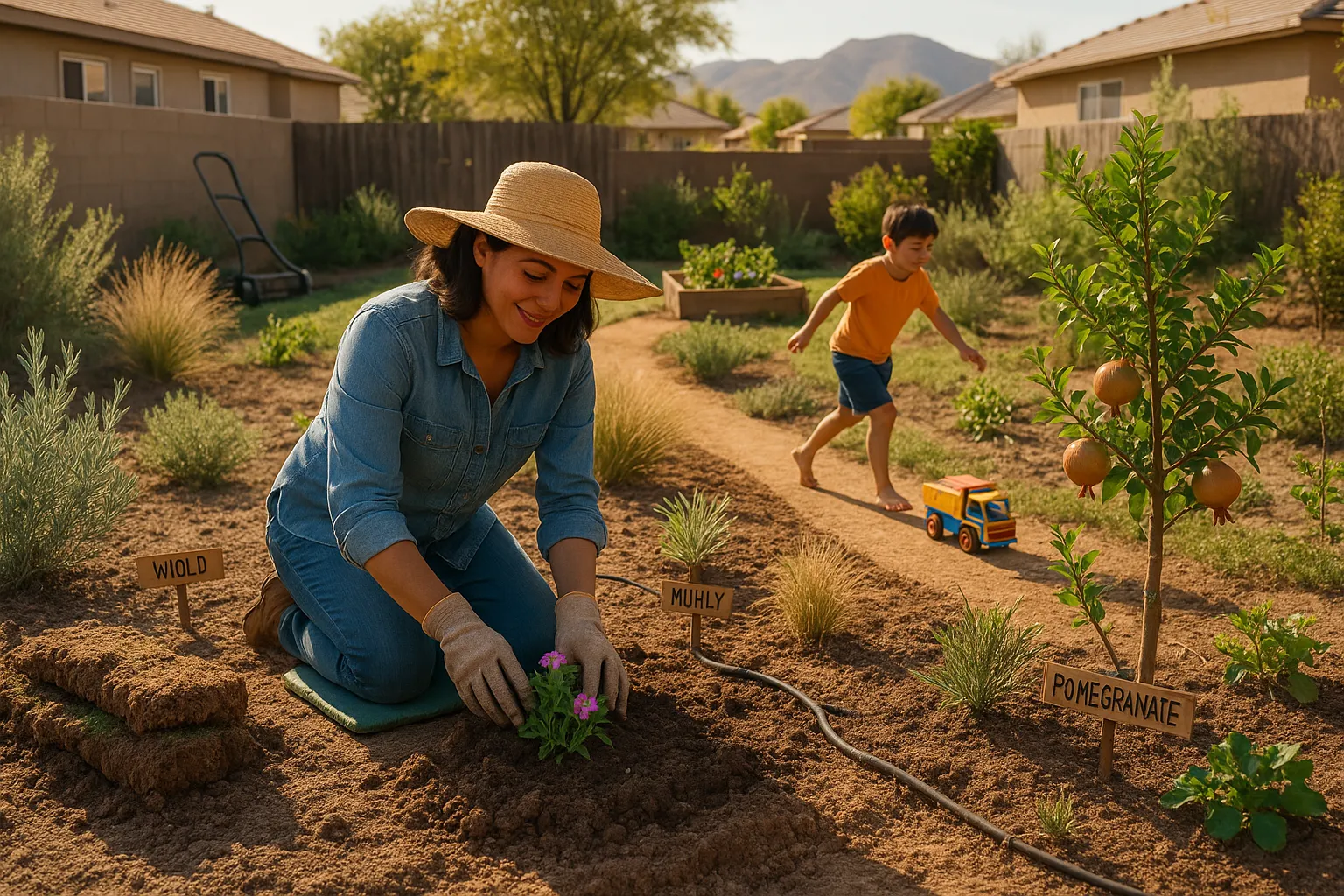
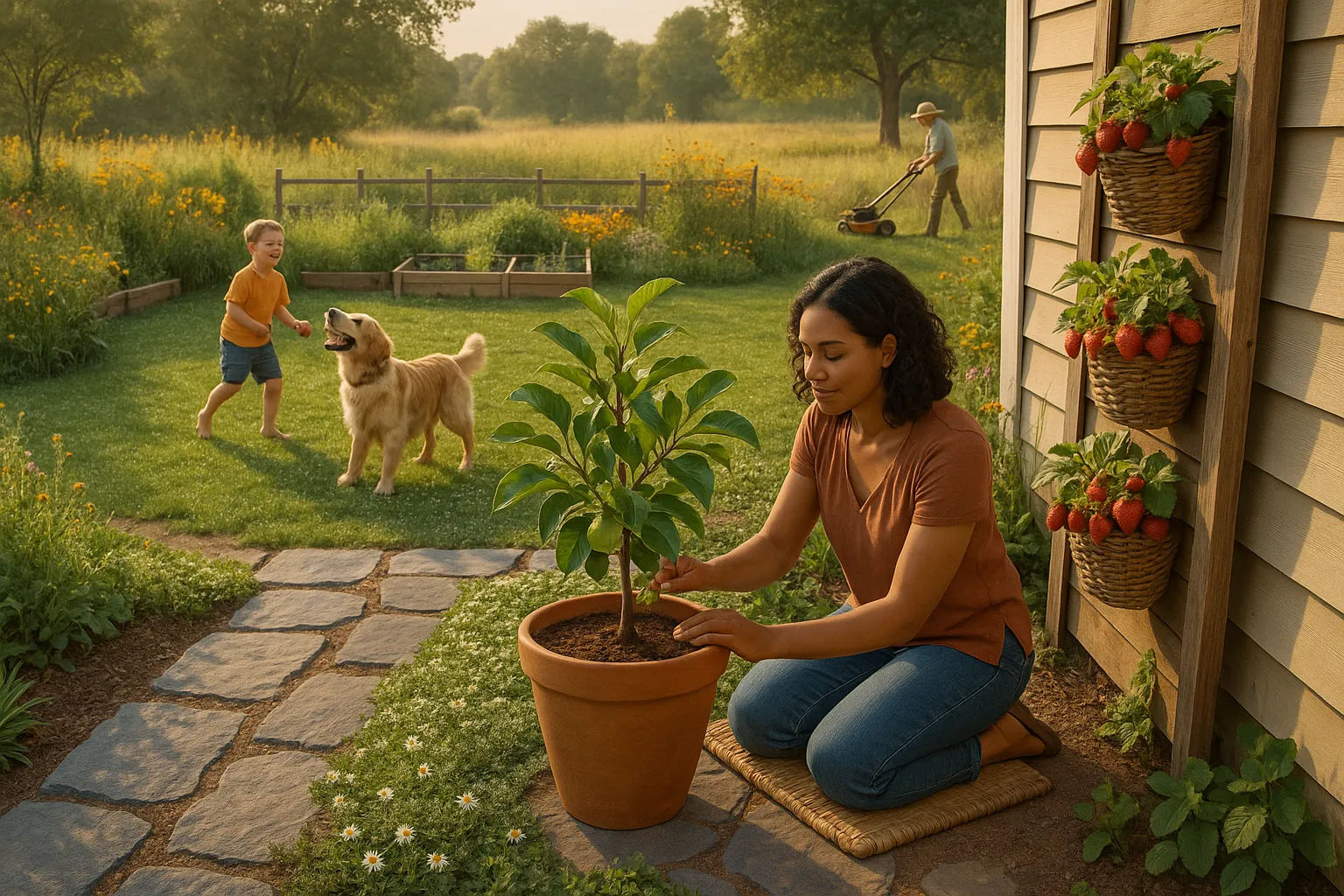
Ideas: Plant dwarf fruit trees in large pots, run a thyme or chamomile carpet between pavers, or use vertical planters for strawberries. These approaches keep maintenance small and yield high.
Family-Friendly Play Areas And Pet Considerations
Fact: Some groundcovers tolerate play and pets better than others.
Choices: Clover, resilient fescue mixes, and compacted pea gravel for high-wear paths. Fence vegetable beds to protect crops from dogs and rotate high-use areas to let plantings recover.
Large Properties, Meadows, And Wildlife Habitat
Fact: Large properties get the biggest biodiversity payoff. Meadows on acreage can host nesting birds, pollinators, and small mammals.
Management: Use controlled burns or haying on a rotation, or mow a perimeter trail for access and fire breaks. Work with local conservation groups for seed mixes and stewardship advice.
Cost, Environmental Impact, And ROI Comparison
Fact: Replacing turf usually lowers long-term costs and improves environmental metrics, but upfront costs vary.
Estimated Installation And Annual Maintenance Costs
Fact: Installation costs range widely: seed meadows are low-cost: planted meadows and hardscape are higher.
Estimates (typical U.S. residential):
Seed meadow: $0.10–$0.50 per sq ft for seed: add labor for site prep.
Plugged meadow: $0.50–$2.00 per sq ft.
Groundcover/moss: $0.75–$3.00 per sq ft depending on species and installation method.
Hardscape with plant pockets: $10–$30+ per sq ft installed.
Annual maintenance: Expect $10–$100 per year for meadows and groundcovers (weeding, spot water), versus $200–$600+ for an irrigated turf lawn (mowing, fertilizer, irrigation).
Water Use, Biodiversity, And Carbon/Soil Benefits
Fact: Alternatives drastically cut irrigation need and support more species.
Water: Native plantings often use 50–90% less irrigation once established.
Biodiversity: Pollinator mixes can host 5–10x more native bees than turf.
Soil and carbon: Perennial plantings increase soil organic matter and store more carbon than annual turf that’s mown frequently.
Sources: Local extension services, Xerces Society reports on pollinators, and municipal water agency conservation data provide the best region-specific figures.
Troubleshooting Common Problems
Fact: Most problems during conversion come from weeds, pests, or poor site timing, and you can fix them with targeted tactics.
Weed Pressure And Establishment Challenges
Fact: Weeds compete fiercely in year one.
Fixes: Solarize high-weed areas with clear plastic for 6–8 weeks in summer, use cover crops like buckwheat for a season, or sheet-mulch to suppress growth. Be patient: you may need repeat interventions.
Pests, Diseases, And Pet Damage Solutions
Fact: Pet urine, grubs, and fungal patches are common issues.
Solutions: Rotate high-use zones, use pet-safe groundcovers like clover, treat grub hot spots with beneficial nematodes, and pick disease-resistant species. Avoid broad-spectrum pesticides to protect pollinators.
When To Replant Or Convert Sections Later
Fact: Replant when coverage falls below about 70% or when invasive species dominate.
Guidance: Convert small problem areas to hardscape, re-seed with plugs, or change species to better match microconditions. Keep records: note what you planted, when, and what failed, this helps future decisions and lowers repeat mistakes.
To provide the best experiences, we use technologies like cookies to store and/or access device information. Consenting to these technologies will allow us to process data such as browsing behaviour or unique IDs on this site. Not consenting or withdrawing consent, may adversely affect certain features and functions.
Functional
Always active
The technical storage or access is strictly necessary for the legitimate purpose of enabling the use of a specific service explicitly requested by the subscriber or user, or for the sole purpose of carrying out the transmission of a communication over an electronic communications network.
Preferences
The technical storage or access is necessary for the legitimate purpose of storing preferences that are not requested by the subscriber or user.
Statistics
The technical storage or access that is used exclusively for statistical purposes.The technical storage or access that is used exclusively for anonymous statistical purposes. Without a subpoena, voluntary compliance on the part of your Internet Service Provider, or additional records from a third party, information stored or retrieved for this purpose alone cannot usually be used to identify you.
Marketing
The technical storage or access is required to create user profiles to send advertising, or to track the user on a website or across several websites for similar marketing purposes.