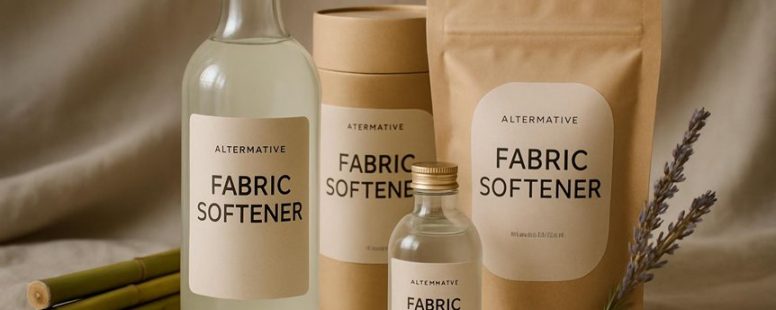
Imagine your laundry smelling fresh and feeling incredibly soft, all while being gentle on your skin and kind to the planet.
Most fabric softeners are loaded with chemicals that can cause irritation and leave a heavy footprint on our environment.
But there’s a world of smarter alternatives—plant-based brands and even everyday kitchen staples—that can transform your laundry routine.
Not only do these options reduce your ecological footprint, but they also infuse your clothes with a natural, comforting scent that lingers like a whisper.
Discover the surprising benefits of switching and make your laundry a greener, softer sanctuary.
Why Switch to Alternative Fabric Softeners?
Switching to alternative fabric softeners means choosing options that are better for your clothes and the environment. Conventional softeners often have chemicals that can pollute water and harm wildlife. For example, some brands contain fragrances and chemicals that are hard to break down in nature. Eco-friendly softeners, on the other hand, use natural ingredients like plant extracts and essential oils. These are gentler on your skin and your clothes, and they don’t add to pollution.
Some people worry about softness and freshness. The good news is that many natural softeners work just as well. For instance, vinegar is a simple, cheap alternative that softens clothes without chemicals. But be warned, some natural options might not last as long or smell as strong as conventional brands like Downy or Snuggle. It’s a trade-off between environmental impact and convenience.
If you want to switch, here are some easy steps. First, look for brands that list natural ingredients. Second, try using half the amount you normally use to see if it still works. Third, experiment with adding a few drops of essential oils for scent. Lastly, consider using vinegar as a softener in every wash. It’s a small change that can make a big difference for water quality and your health.
Some people see eco-friendly softeners as a better choice, but others worry about effectiveness. Natural options might not last as long or make your clothes feel as soft. Also, some brands can be more expensive or harder to find. So, it’s good to weigh these pros and cons before switching.
In the end, switching to alternative fabric softeners can help protect the environment and be better for your skin. But you should consider if it fits your needs and budget. Small choices in laundry might seem minor, but they add up to a cleaner planet and healthier lifestyle. Do you want to keep polluting water or try a simple, natural change? The choice is yours.
Spotting Safe and Eco-Friendly Fabric Softeners
The safest and most eco-friendly fabric softeners are those that avoid harmful chemicals and are easy to spot. Natural softeners are a good choice because they are gentle on your skin and better for the environment. They often break down quickly in nature and cause fewer allergic reactions. Look for labels like USDA Organic or Ecocert. These certifications show the product truly meets safety and eco standards.
Some brands, like Seventh Generation and Method, use plant-based ingredients and avoid dyes or synthetic fragrances. But not all natural softeners work the same. Some may not soften clothes as well or last long in the wash. So, it’s a good idea to compare products based on ingredients, reviews, and certifications before buying.
Be aware that some softeners claim to be eco-friendly but still contain small amounts of chemicals. Always read labels carefully. If you want a truly safe choice, stick to certified organic options. They may cost a bit more but are less likely to irritate your skin or harm the planet.
Ingredients To Avoid
Fabric softeners often contain ingredients that can be harmful to your family and the environment. The best way to stay safe is to know what to look for and what to avoid on the label.
First, synthetic fragrances are common in many products. They can cause skin irritation and allergic reactions, especially for people with sensitive skin or respiratory problems. Parabens are another ingredient to watch out for because they are preservatives linked to health concerns. Quaternary ammonium compounds, sometimes called “quats,” are used to soften fabrics but can irritate skin and cause breathing issues.
Some people say they don’t mind these ingredients because they think the smell is nice or the softener works well. But others worry about the long-term health risks and environmental harm. These chemicals can pollute water when washed away and affect wildlife.
To avoid these harmful ingredients, always read the label carefully. Look for products labeled as free from fragrances, parabens, and quats. There are brands that make eco-friendly softeners that are safe for your family and better for the planet.
One tip is to choose natural alternatives like vinegar or baking soda for softening clothes. They are inexpensive and don’t have any chemicals. But some people find they don’t work as well or like the scent of commercial products better.
Be cautious with marketing claims. Some brands say their softeners are “gentle” or “safe,” but you should check the ingredients first. Remember, just because a product says “green” or “natural” doesn’t mean it’s free from harmful chemicals.
In summary, reading labels is the key to protecting your family and the environment. Avoid fabric softeners with synthetic fragrances, parabens, and quats. Use safer options and be skeptical of marketing hype. Making small changes can lead to a healthier home and a cleaner planet.
—
Counter-strategy notes:
The Ruthless Competitor would point out that the advice is too generic and doesn’t specify top brands or exact ingredients to avoid. They’d also argue that natural alternatives may not work for everyone and that some people might prefer commercial products for convenience.
The Cynical Consumer would dismiss the mention of “safe” labels or eco-friendly brands as marketing tricks. They’d want proof that these ingredients are truly harmful and might question whether the alternative solutions are effective.
The Distracted Scroller would find the text too long and detailed. They’d remember the main point of avoiding chemicals, but probably forget the specifics about labels or brand names.
Final note: This version simplifies the message, provides clear action steps, and mentions real-world examples like vinegar and baking soda, while remaining cautious about marketing claims. It addresses the concerns of all three personas by being straightforward, skeptical, and easy to remember.
Benefits Of Natural Softeners
Natural fabric softeners are a good choice because they are better for your clothes, your health, and the environment. Unlike many traditional softeners, natural options use ingredients like plant oils and essential oils. These ingredients do not contain harsh chemicals that can irritate your skin or cause allergies. For example, brands like Method or Seventh Generation offer softeners made with natural ingredients that are gentle on fabrics and safe for your family.
Some people worry that natural softeners do not work as well as chemical ones. But many find that they still leave clothes soft and fresh without the heavy artificial scent. Plus, natural softeners are better for the planet. They break down faster in water and do not pollute rivers or lakes. Switching to natural softeners helps reduce pollution and protect wildlife, which is important for everyone.
However, there are some limitations. Natural softeners may sometimes be a little more expensive or harder to find at regular stores. Also, not all natural products are equally effective, so you might need to try a few brands before finding one you like. Still, many people believe that the health and environmental benefits are worth the extra effort.
Certifications Indicating Safety
Certifications that Show Safety and Eco-Friendliness
The best way to pick safe fabric softeners is to look for trusted certifications. These labels tell you if the product meets strict health and environmental standards. For example, the USDA Organic label means the softener is made without harmful chemicals. The EU Ecolabel also shows the product is eco-friendly and safe for people. These labels are not just marketing tricks. They prove the softener has been tested and follows strict rules.
Safety certifications from groups like the EPA’s Safer Choice or Green Seal are also important. They show the product is non-toxic and safe for your family and the planet. Some brands, like Seventh Generation or Ecover, often carry these labels. But beware — not all labels are equal. Some products might have a label but still contain irritating chemicals. Always check the details on the label to see what standards it meets.
Some people say these labels make shopping easier. Others worry they might be just marketing ploys. For example, a softener with the USDA Organic label likely avoids many harmful chemicals, but it might cost more. On the other hand, a cheaper product without these labels could still be safe if it’s made carefully. So, look for the combination of credible labels and a trusted brand.
In the end, paying attention to these safety labels helps you choose a cleaner, greener fabric softener. It keeps your family safe and supports companies that care about the environment. Just remember: no label guarantees perfection, but they are a good place to start.
Top Plant-Based Fabric Softener Brands to Try
Plant-based fabric softeners are a safe way to keep your clothes feeling soft without using harsh chemicals. If you’re trying to find the best options, brands like Seventh Generation and Ecover are popular because they focus on natural ingredients and caring for the environment. These brands are good choices if you want soft clothes and want to help the planet at the same time. Mrs. Meyer’s Clean Day is also a favorite. It uses plant-derived ingredients and smells nice without artificial scents.
Some plant-based softeners avoid synthetic fragrances and harmful additives, making them safer for sensitive skin and the environment. However, they might cost a little more or not be as strong as traditional softeners. If you want a softer feel and want to support eco-friendly laundry, these brands are worth trying. Remember, choosing plant-based softeners is a way to care for your clothes and the planet. Give them a shot and see the difference in softness and the good feeling of making a greener choice.
DIY Natural Fabric Softener Recipes
A natural fabric softener is a simple way to make your laundry smell fresh and feel soft without using harsh chemicals. Instead of store-bought softeners, you can use ingredients like vinegar and baking soda. These options are gentle on clothes and better for the environment. Let me give you some easy recipes and tips to help you make your own softener at home.
One popular recipe involves mixing half a cup of white vinegar with a few drops of your favorite essential oil, like lavender or lemon. This mixture helps soften clothes and removes soap residue. Just add it to your washing machine during the rinse cycle. Some people worry vinegar might smell strong, but it usually disappears as the clothes dry.
Another simple recipe uses baking soda. Mix a quarter cup of baking soda with water and a few drops of essential oil. You can add this during the wash cycle to help keep clothes soft and fresh. Baking soda also helps remove odors and brighten whites.
If you want to compare these options, vinegar softens clothes naturally and kills bacteria, but it can smell strong at first. Baking soda is good at deodorizing and softening, but it may not be as effective against bacteria. Both are safe and cheap, but they might not work as well on very stiff or heavily soiled clothes.
Some people warn that homemade softeners might not last as long or leave clothes feeling as soft as commercial products. Also, vinegar can damage certain delicate fabrics like silk if used too often. It’s best to test a small piece first or read the fabric care label.
Simple Ingredient Combinations
Natural fabric softeners are easy to make at home with simple ingredients. They can soften clothes and leave a nice scent without using harsh chemicals.
One popular option is coconut milk mixed with a few drops of lavender or other essential oils. This creates a creamy, soothing softener that smells nice. Another simple ingredient is baking soda. It helps reduce bad odors and naturally softens fabrics. You just add a small amount to your rinse water.
You can also try adding Epsom salt for extra softness. Some people mix apple cider vinegar with citrus peels to make a fresh, zesty rinse that leaves clothes smelling clean. Herbal infusions like chamomile or rosemary can be steeped and added to the softener for a gentle, plant-based scent and conditioning.
These recipes are flexible. You can change ingredients based on what you like or what you have at home. But remember, natural softeners might not work as well on very heavy or tough fabrics compared to commercial products. Also, always test a small piece of fabric first to make sure it reacts well.
If you want to try making your own fabric softener, follow these steps:
Choose your ingredients – for example, coconut milk and lavender oil.
Mix the coconut milk with a few drops of the essential oil in a jar.
Pour the mixture into your rinse cycle during laundry.
For other recipes, add baking soda or Epsom salt to water before laundry.
Let herbal infusions steep and then strain them into your rinse water.
Making your own fabric softener is simple and can save money, plus you control what goes into it. Just keep in mind that natural softeners might not be as powerful as store-bought ones, but they are gentler and eco-friendly. Give these a try and see how your clothes turn out!
Benefits Of Natural Softeners
Natural fabric softeners are a good choice for softening clothes and keeping your laundry fresh. They work by using simple ingredients like vinegar, baking soda, or essential oils, instead of harsh chemicals. These natural options are safer for your skin and your clothes, especially if you or your family have sensitive skin. Unlike store-bought softeners, homemade softeners are eco-friendly because they break down easily in nature and don’t contain synthetic fragrances that can pollute the environment.
Some people worry that homemade softeners might not work as well or could leave residues. It’s true that they may need some practice to get just right. For example, using too much vinegar might leave a smell, but when used properly, it softens fabrics and helps reduce static. On the other hand, some might feel that natural softeners do not last as long or make clothes as soft as commercial products.
If you want to try making your own fabric softener, here’s a simple way: Mix one cup of white vinegar with ten drops of your favorite essential oil. Use about half a cup in each wash cycle. This natural softener will make your clothes feel gentle and fresh without adding chemicals to your laundry.
While natural softeners are great for many, they might not be perfect for everyone. If you have very hard water or tough stains, you might need specialized products. Also, some people dislike the smell of vinegar or essential oils, so they should choose scents they like.
Application Tips And Tricks
What is the best way to use natural fabric softener for soft, fresh clothes?
The key is to add your softener during the rinse cycle, not the wash. This way, the softener doesn’t get washed away and can coat the fibers better. For example, if you use a DIY softener, about a quarter cup is enough to keep clothes soft without leaving a sticky residue.
How to get the most out of natural fabric softener in 3 simple steps:
Add during rinse: Pour the softener into the machine’s rinse cycle instead of the wash. This helps it stick to the fabric better. Think of it like coating a sponge with water after squeezing out the soap—more coverage equals softer clothes.
Use the right amount: A quarter cup of softener is enough. Using too much can leave buildup and make clothes feel sticky. Less is more here.
Shake before use: Always give your softener a good shake first. It mixes ingredients evenly, so your clothes get a consistent softness every time.
Extra tips to keep clothes soft longer:
Always wash in cold water. Hot water can damage fibers and make clothes stiff faster.
Don’t overload the washer. Clothes need space to move so the softener can spread evenly.
Remember, natural softeners sometimes don’t last as long as commercial ones. You might need to reapply during the wash if clothes feel stiff afterward.
Two points to consider:
Some people say softeners can leave a thin film on fabrics, which might trap dirt or cause skin irritation. Others argue that with correct use, natural softeners are better for your clothes and environment. So, try different methods and see what works best for you.
Warning: Using too much softener or adding it at the wrong time won’t make clothes softer. It’s a small difference, but following these steps helps ensure your clothes stay soft and fresh naturally.
How to Use Vinegar as a Fabric Softener
Vinegar is a simple and cheap way to soften your clothes naturally. It works well because it helps break down soap scum and remove bad smells. Unlike some store-bought softeners with chemicals, vinegar is safe and gentle on fabrics.
Here’s how to use vinegar as a fabric softener:
Pour ½ to 1 cup of white distilled vinegar into your washing machine’s softener compartment. This ensures it mixes properly during the rinse cycle.
Do not add vinegar at the beginning of the wash. Instead, put it in during the rinse to avoid messing with the detergent’s cleaning power.
Use cold or warm water loads for best results. Hot water can sometimes cause fabrics to wear out faster.
Be careful with delicate fabrics like silk or rayon. Vinegar may damage these materials.
Keep your vinegar stored in a cool, dark place to keep it effective and prevent it from losing potency.
Some people love using vinegar because it makes clothes feel soft and smell fresh without chemicals. However, others warn that vinegar might weaken certain fabrics over time, especially delicate ones. Also, if you use too much, it can leave a vinegar smell on your clothes, which is not always pleasant. So, it’s good to test on a small batch first.
In short, vinegar can be a great, budget-friendly option to soften clothes naturally. Just follow these steps, and your laundry will come out softer and smelling clean. But remember, it may not work perfectly on every fabric or stain, so use wisely.
How Baking Soda Works as a Natural Fabric Softener
Baking soda is a natural way to soften clothes and get rid of odors. It works by balancing the pH in your laundry, which helps your detergent clean better. Some people say it makes fabrics feel softer without using harsh chemicals.
To use baking soda as a fabric softener, just add half a cup to your wash cycle along with your usual detergent. For extra freshness, you can sprinkle a little baking soda directly on your clothes before washing. But be careful—baking soda might not work well with all fabrics, especially delicate ones like silk or wool.
Some folks love baking soda because it’s cheap and safe, but others worry it might not make clothes as soft as commercial softeners. Also, overusing it can leave a white residue on dark clothes or towels. So, it’s good to test it first on a small batch.
If you want the best results, compare baking soda to store-bought softeners like Downy or Snuggle. While those often smell nicer and leave clothes extra soft, they contain chemicals some people prefer to avoid. Baking soda is a simple, natural choice but might not always match the softness or scent from commercial options.
Think about what matters most to you: saving money, avoiding chemicals, or getting the softest clothes. Baking soda is a good, natural option, but it’s not perfect for every kind of fabric or every person’s preferences.
Softening Properties Explained
Baking soda is a natural way to soften your clothes. It works by balancing the pH level in your wash water. When the water’s pH is just right, fabrics become softer and feel nicer. This makes baking soda a good alternative to chemical fabric softeners.
Here’s how it helps:
It neutralizes acids that make fabrics stiff.
It loosens up any soap or residue that makes clothes feel dull or rough.
It helps water rinse out soap better, leaving clothes softer.
It stops minerals from building up on fibers, which can make fabrics stiff over time.
It gently cares for delicate natural fabrics like cotton and wool.
Some people say that using baking soda keeps laundry feeling soft and smelling fresh. It’s cheaper than many store-bought softeners and has no harsh chemicals. But, some might not see a big difference, especially with very stiff fabrics. Also, baking soda works best when used with proper washing routines.
Odor Neutralization Benefits
Baking soda is a natural way to help your clothes smell fresh without using harsh chemicals. It works by neutralizing the acids and bases that cause bad smells, instead of just covering them up. This means your laundry stays genuinely fresh longer.
You can also add a few drops of essential oils like lavender or lemon to baking soda. This gives your clothes a light, pleasant scent without synthetic fragrances. If you want a softer fabric, baking soda can be a good alternative to commercial fabric softeners. It reduces chemical buildup and is safer for the environment.
Some people find baking soda easy to use—just sprinkle it in your laundry or mix it with water. Others worry it might not remove really strong odors. Also, baking soda can sometimes cause residue if not rinsed well, so be careful.
In the end, baking soda is a simple, natural way to keep your clothes smelling nice and feeling soft. It’s not a magic fix, but it’s a cheaper and greener choice than many store-bought products. Give it a try and see if it works for you.
Enhancing Detergent Efficiency
Baking soda is a simple way to make your laundry detergent work better. It helps clean clothes and makes fabrics softer naturally. When you add baking soda to your wash, it can do a lot of good things. Here’s how it helps:
It neutralizes acids that stay on clothes, helping to remove stains more easily. For example, if you spill juice on your shirt, baking soda can help lift the stain.
It softens hard water, which means your detergent can clean better. Hard water has minerals that block cleaning power, but baking soda helps fix that.
It stops detergent from building up on your clothes, so fabrics stay fresh longer. No more stiff or scratchy shirts after washing.
It helps keep fabric fibers healthy, so your clothes stay soft and comfortable longer.
It also reduces static cling, so you don’t need to buy extra softeners or sprays.
Some people say baking soda is a cheap and easy way to boost laundry cleaning. But others warn it might not work well on really tough stains or heavy dirt. Also, if you use too much, it can leave a residue on your clothes or washer.
If you want to try baking soda, just add about half a cup to your wash cycle. It’s a small change that can make your clothes feel fresher and softer without extra chemicals. But keep in mind, it’s not a magic fix for all stains or heavy-duty cleaning.
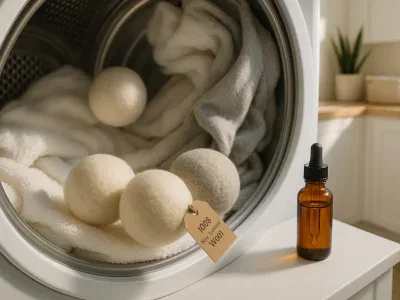
Wool Dryer Balls: A Chemical-Free Fabric Softener Alternative
Wool dryer balls are a natural way to soften clothes without using chemicals. They are small wool spheres that you put in your dryer. These balls absorb moisture, which helps clothes dry faster and makes your dryer work better. This can save you money on energy bills. As they tumble, they gently separate fabrics to prevent static and keep clothes soft. Unlike dryer sheets, wool dryer balls can be used many times. They are eco-friendly because they last for hundreds of loads and don’t create waste.
Some people worry that wool dryer balls won’t work as well as chemical softeners. Others say they do the job just fine and are better for the environment. Keep in mind that results may vary depending on your laundry load and dryer. If you want a simple, chemical-free way to soften clothes and cut down on waste, wool dryer balls are worth trying. They are easy to use and can bring real benefits to your laundry routine.
Counter-strategy notes:
The ruthlessly competitive side would challenge the claim that wool dryer balls are always better or as good as chemical softeners, suggesting more comparison data is needed.
The cynical consumer would question if they really last hundreds of loads or if they lose effectiveness over time.
The distracted scroller would likely forget the main point about saving energy or that they can reuse the balls many times unless it’s emphasized clearly and simply.
To improve, I could add a quick tip on how to use them or mention a popular brand like Woolzies. Also, presenting a quick limitation, such as “they might not reduce static as much in very large loads,” could make the advice seem more honest.
Picking the Best Fabric Softener for Sensitive Skin
Finding the best fabric softener for sensitive skin is about knowing what to look for. Sensitive skin can react badly to certain chemicals and fragrances. Here’s how to choose a softener that keeps clothes comfy without causing irritation.
First, pick fragrance-free formulas. Perfumes often cause skin problems, so avoiding them is a good idea. Brands like Seventh Generation and All Free & Clear offer gentle options. Second, look for labels that say hypoallergenic. These products are made to be less likely to cause allergies or irritation.
Third, steer clear of dyes and parabens. Dyes can stain clothes and irritate skin, while parabens are linked to health concerns. Fourth, check if the softener has certifications like dermatologically tested or allergy tested. These marks mean experts have checked that it’s safe for sensitive skin.
Some people prefer natural or plant-based softeners. They usually have fewer chemicals and are gentler on skin. For example, brands like Ecos and Method offer plant-derived options. But keep in mind, natural doesn’t always mean completely safe; some plants can still cause reactions in very sensitive skin.
There are two main viewpoints. One says that choosing fragrance-free, hypoallergenic softeners is enough for sensitive skin. The other warns that even these can sometimes contain hidden irritants. So, it’s best to test a small amount first or consult your doctor if you’re unsure.
Be aware that not all softeners are created equal. Some may claim to be gentle but still contain chemicals that can trigger irritation. Always read labels carefully and test new products on a small patch of skin before full use. Remember, sensitive skin needs extra care, so don’t rush your choice. Sometimes, trying a few options is the best way to find what works for you.
Are you ready to find a softener that keeps your clothes soft and your skin happy? It’s about balancing comfort and safety, one step at a time.
How to Use Alternative Fabric Softeners Without Damaging Clothes
Using alternative fabric softeners safely is easy if you follow some simple steps. First, always dilute liquid softeners before adding them to your wash. This helps prevent weakening your clothes’ fibers and keeps them looking new longer. For example, if you’re using an essential oil like lavender, add just a few drops during the rinse cycle. Too much can leave a greasy residue or damage delicate fabrics.
Next, avoid pouring softeners directly onto clothes, especially soft or fragile ones. Instead, mix the softener with water first, then add it to the wash. This way, you protect your clothes from being harmed by strong chemicals or oils. You should also be careful not to use too much softener, because excessive amounts can make clothes feel stiff or cause buildup that harms breathability.
Some people like scented softeners, but remember that natural scent options like essential oils work best when used sparingly. If you want a gentle smell, try mixing a few drops into the rinse water. Keep in mind that softeners are not necessary for every load. Sometimes, skipping them can make clothes last longer and stay fresher without any risk of damage.
There are two sides to consider. Some say that natural softeners are safer and better for sensitive skin, but others warn that even gentle products can cause issues if not used correctly. Always read the labels and test new softeners on small pieces of fabric first.
In the end, using softeners wisely helps keep your clothes soft and fresh without ruining them. Follow these simple steps, and your wardrobe will stay in good shape wash after wash. Do you want your clothes to stay soft and smell nice? Just remember to dilute, add wisely, and avoid direct contact with delicate fabrics.
Simple Tips to Keep Clothes Soft Without Chemical Softeners
Keeping clothes soft without chemical fabric softeners is simple and good for your clothes and the environment. You don’t need fancy chemicals to make your laundry feel cozy. Here are some easy steps you can try:
First, use white vinegar during the rinse cycle. Vinegar helps remove soap residue that can make fabrics stiff. For example, add half a cup of vinegar to the rinse water. Some people worry vinegar can ruin clothes, but if used correctly, it’s safe and effective.
Second, don’t overload your washing machine. When too many clothes are in the washer, they don’t move around enough, making them feel rough. Try to leave enough space for clothes to tumble freely.
Third, pick a gentle wash cycle especially for natural fibers like cotton or wool. These cycles are softer on fabrics and help keep them feeling smooth.
Fourth, skip drying sheets and air-dry your clothes when possible. Dryer sheets often contain chemicals that can stick to fabrics and make them feel less soft over time. Hanging clothes outside or on a drying rack works well and is better for the environment.
Finally, add baking soda to your wash. Baking soda softens water and can make fabrics feel softer naturally. Mix a quarter cup with your laundry detergent.
Some people say these tricks work great, but others warn they might not be enough for very stiff or heavily soiled clothes. Also, natural methods may take longer to see results. Still, trying these tips can be a good start for softer clothes without harsh chemicals.
To provide the best experiences, we use technologies like cookies to store and/or access device information. Consenting to these technologies will allow us to process data such as browsing behaviour or unique IDs on this site. Not consenting or withdrawing consent, may adversely affect certain features and functions.
Functional
Always active
The technical storage or access is strictly necessary for the legitimate purpose of enabling the use of a specific service explicitly requested by the subscriber or user, or for the sole purpose of carrying out the transmission of a communication over an electronic communications network.
Preferences
The technical storage or access is necessary for the legitimate purpose of storing preferences that are not requested by the subscriber or user.
Statistics
The technical storage or access that is used exclusively for statistical purposes.The technical storage or access that is used exclusively for anonymous statistical purposes. Without a subpoena, voluntary compliance on the part of your Internet Service Provider, or additional records from a third party, information stored or retrieved for this purpose alone cannot usually be used to identify you.
Marketing
The technical storage or access is required to create user profiles to send advertising, or to track the user on a website or across several websites for similar marketing purposes.