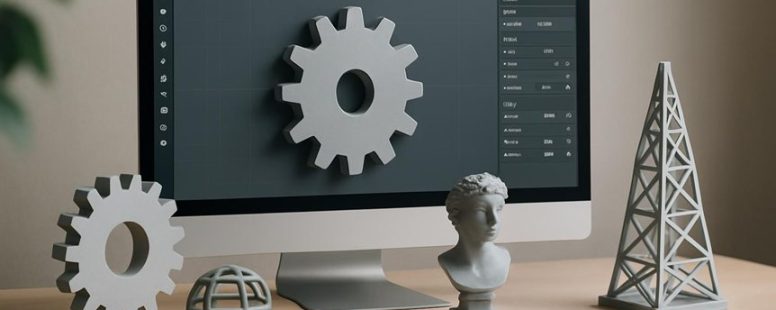
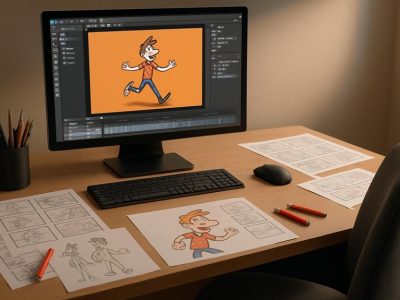
As your skills in 3D design grow and your projects become more intricate, sticking with Tinkercad might feel like trying to fit a square peg into a round hole. The intuitive interface that once felt like a breeze now struggles to keep up with your ambitions.
Imagine navigating a bustling workshop where every tool you need is within arm’s reach—yet some advanced features remain just out of grasp. Finding the perfect Tinkercad alternative isn’t just about easier collaboration or more powerful tools; it’s about unlocking new creative horizons.
Surprisingly, some options offer seamless cloud integration, letting you design with a simple click from anywhere.
Ready to discover the next level of 3D modeling without the weight of unnecessary complexity? Let’s explore what truly fits your evolving needs.
Key Features to Evaluate in Tinkercad Alternatives
A good alternative to Tinkercad should be easy to use, yet have enough features to satisfy your needs. The first thing to check is the user interface. It needs to be simple and clear so you can focus on creating without getting lost. A cluttered or confusing layout slows you down and makes learning harder. Think of it like a clean workshop — everything should be in its place.
Next, look at the support options. Good platforms offer helpful tutorials, active community forums, and quick customer service. These resources can save you hours of frustration. Imagine trying to fix a tricky part — having someone to ask or a tutorial to follow makes all the difference. Some platforms like Fusion 360 or FreeCAD have strong communities, but they might be harder to learn than Tinkercad.
Compatibility is another key point. Make sure the tool works well with your current software and can handle common file types like STL or OBJ. If you switch tools later, you don’t want to waste time converting files or losing work. Some tools might have more advanced features, but if they don’t fit with your workflow, you might find yourself stuck.
Some people prefer very simple tools, while others want more power. For example, if you want detailed modeling, Fusion 360 offers more options but can be complex. If you just want quick designs, FreeCAD might be better. Be honest about what you need and try a few options before settling.
Remember, no tool is perfect. Some alternatives may be more powerful but harder to learn. Others may be easier but less flexible. The best choice depends on your skills, goals, and how much time you want to spend learning new software.
In the end, pick a platform that feels comfortable and helps you create. Don’t fall for promises of perfect features. Instead, test different options and see which one makes your ideas come to life easiest.
How to Choose the Right 3D Modeling Tool for Your Skill Level
The best 3D modeling tool for your skill level is one that matches how comfortable you are with making 3D designs. If you are a beginner, look for software that offers easy tutorials, simple menus, and helpful tips. Programs like Tinkercad or SketchUp are good options because they are simple and have lots of guides. These tools help you learn the basics without feeling overwhelmed.
If you have some experience, you might want software with more features, like Blender or Autodesk Maya. These programs are powerful but can be tricky at first. They are good if you want to grow your skills and try more advanced projects.
When choosing a tool, ask yourself these questions: Does it have a friendly interface? Are there tutorials or support to help me? Is it affordable? For beginners, easy-to-use tools with clear instructions are best. For more experienced users, look for software that offers advanced options and customization.
Some people prefer free tools, while others are willing to pay for more features. Remember, the right tool should feel comfortable and help you learn. If a program is too complicated or lacks help, it can make you want to give up.
In the end, pick a software that fits your current skills but also allows you to grow. Don’t rush into something too hard too soon. Start simple and build your confidence step by step. That way, your 3D modeling skills will improve without frustration.
Comparing Pricing and Plans for Tinkercad Alternatives
Choosing the right 3D modeling tool depends a lot on your budget. To help, I will compare the prices and plans of popular Tinkercad alternatives. Different tools have different ways of charging—some offer simple monthly subscriptions, while others have plans based on features or how many users can access the tool.
When I compare these plans, I look at what is free and what costs money. I also check what you get for the paid options, like cloud storage, ways to export your models, and team collaboration tools. For example, some tools are cheap and good enough for hobbyists who just want to play around. Others are more expensive but offer advanced features for professionals.
Knowing the differences in plans helps you pick a tool that fits your needs and your wallet. It also helps you avoid surprises later, like unexpected costs or missing features. Comparing prices and plans upfront makes sure you spend your money wisely on the best 3D modeling tool for you.
Top Free 3D Modeling Tools Like Tinkercad
Free 3D modeling tools like Tinkercad are great options if you want to start designing without spending money. These tools are easy to use and perfect for beginners or hobbyists. They often have simple tutorials and plenty of learning resources to help you learn the basics fast. Many of these platforms support 3D printing by offering multiple export options, so you can easily turn your designs into real objects. Some even include features for animation, letting you add movement to your projects.
One big plus is the active community support. You can ask questions, share your work, and get tips from other users in forums or groups. If you are just starting out and don’t want to risk money, these free tools are a smart choice. However, keep in mind that free tools might have limits. For example, they may lack advanced features or have restrictions on export options. Still, for learning and small projects, they work well.
Would you prefer a tool that’s simple and quick or one with more features? Knowing what you need can help you choose the right free option. Whether it’s Tinkercad or others like FreeCAD or SketchUp Free, these tools can help you build your skills without costing a dime.
Best Paid Software for Advanced 3D Design
Paid 3D design software offers the best tools for serious artists and designers. Unlike free options, paid programs give you features that make your work easier and better. These include precise modeling, realistic simulations, and detailed texture controls. For example, programs like Autodesk Maya, Cinema 4D, and Blender (paid version) are known for their advanced tools.
One big reason to choose paid software is how user-friendly it can be. These platforms are designed to help you work faster and with less frustration. A good example is how some programs have simplified menus and shortcuts that save time. Imagine spending less time trying to figure out the software and more time creating your masterpiece.
However, paid software can be expensive, and not everyone needs all the fancy features. If you are just starting or working on small projects, free tools might be enough. Also, some paid options can be complicated to learn, especially if you’re new to 3D design.
Some people say that investing in paid software is worth it if you want professional results. Others warn that it’s not a magic fix — you still need skills and practice. For example, a designer might say that even the best software won’t make a bad artist good overnight.
In the end, if you want high-quality results and tools that help you work efficiently, paid 3D design software is a smart choice. But remember, it’s still up to you to learn and practice. Consider your needs and budget before making a decision. Would you rather spend your money on tools or more time learning? That choice is yours.
3D Modeling Tools That Make Collaboration Easy
3D modeling tools that make teamwork easier are those that let everyone work together smoothly. The best ones are cloud-based, meaning they run online so team members can access and change designs anytime, anywhere. This helps avoid problems like different versions of the same file or software issues that slow down work. For example, platforms like Onshape or Fusion 360 let multiple people edit a project at once and see each other’s changes instantly. They also include features like comments and shared workspaces, so ideas and feedback flow fast.
However, there are some limits. Cloud tools can need a good internet connection, and sometimes they might be slower with very complex models. Also, not all teams want to rely on online tools, especially if they work in places with poor internet.
If you’re searching for a Tinkercad alternative that makes teamwork natural, look for tools that focus on collaboration. They can save time, reduce frustration, and boost creativity. Remember, working together smoothly can turn a tricky project into a fun team effort. But always check if the tool fits your team’s needs and internet setup before jumping in.
Advanced 3D Modeling Software for Complex Designs
Advanced 3D modeling software is a tool that helps you create detailed and complex designs. Unlike simple programs, these tools give you the power to build highly detailed projects that match your ideas perfectly. If you want to create models that look professional and polished, these programs are a good choice.
For example, software like Autodesk Maya or Blender offers many features for making intricate designs. You can add tiny details, choose different textures, and shape your models just how you imagine. But be aware, these programs can be tricky to learn and may need a powerful computer to run smoothly.
Some people find these tools great for making movies, video games, or product designs. Others might find them too complicated or slow, especially if they are new to 3D modeling. It’s worth trying out free versions or tutorials first before buying.
Professional-Grade Modeling Tools
What are they? These are the advanced software programs used by professionals for creating detailed 3D designs. Unlike beginner tools like Tinkercad, which are simple and easy to learn, professional tools offer more features and control. They are necessary when you want to make complex or precise models for real-world use.
Why choose them? If you plan to do serious work in 3D modeling, these tools help you do it faster and better. For example, companies use software like Autodesk Fusion 360 or SolidWorks to build parts for cars and gadgets. These tools support your workflow with easy-to-use menus, powerful features, and options to test your designs.
What should you look for? Here are some key features:
Large libraries of parts and export options that fit different projects.
Learning resources like tutorials to help you get better quick.
Compatibility checks to make sure your models work with other software and hardware.
Project management tools that keep your work organized and save time.
But beware. These tools can be expensive and hard to learn at first. They might also have a steep learning curve if you are new to 3D design.
Should you switch? Moving from beginner tools like Tinkercad to professional ones can boost your creativity and help you meet real-world needs. However, it takes time and effort to master these programs. If you just want to make simple models, professional tools might be overkill. It’s best to weigh your goals and skills before making the switch.
In the end, professional modeling tools are powerful but require commitment. They are worth it if you want high-quality, detailed designs that can be used for manufacturing or professional projects.
Enhanced Design Customization
Advanced 3D modeling software offers more control than simple shape tools. It allows you to make detailed and complex designs that are hard to do with basic programs like Tinkercad. These tools have easy-to-use features that help you create custom shapes without much hassle. They also come with lots of templates to get you started, along with tutorials designed for beginners. This can make learning faster and less frustrating.
A big plus is the strong community support. Many users share their projects and give feedback, which helps you improve your skills. When you finish your design, you can export it in different formats, especially for 3D printing. This means your digital model can quickly turn into a real object.
If you want more control and creativity than what Tinkercad offers, these software options can help. They let you bring very detailed ideas to life but keep in mind, they can be harder to learn for beginners. They also need a good computer and may take more time to master. So, if you are serious about making complex 3D models, trying these tools might be worth it. But if you’re just starting out or need quick results, simpler programs could be better.
3D Software That Integrates Seamlessly With Design Apps
A good 3D software should work easily with the design apps you already use. This means it connects smoothly so you don’t waste time fixing problems or switching between programs. For example, some tools like Blender or Autodesk Maya can work well with programs like Adobe Photoshop or SketchUp. But not all software plays nicely together. Some might need extra steps or plugins, which can cause headaches.
If you want to find software that keeps your work flowing, look for options that support common file formats and have built-in integrations. For example, consider Autodesk Fusion 360 if you are working on product designs or Adobe Substance Painter for texturing. These tools are designed to work across different platforms, making your project go faster.
However, be careful. Some programs promise easy integrations but might only work with certain versions or require extra setup. Also, some might not support the latest updates, so check reviews or ask others in your field before choosing.
If you’re unsure, here are two ways to check if a 3D tool fits your needs. First, see if it can import and export the files you use most often, like OBJ or FBX. Second, test if it can connect with your favorite design apps with plugins or APIs. Doing this can save you from wasting time later.
Some people prefer all-in-one solutions for simplicity, but these might limit your options or flexibility. Others like mixing different programs for better features but may face integration issues. Think about your workflow and whether you need smooth connections or just powerful tools.
In short, picking the right 3D software that works well with your design apps can make a big difference. It helps you avoid frustration and keeps your projects moving fast. Just be sure to check compatibility and read reviews before making your choice.
Integration With Popular Software
A good Tinkercad alternative should connect easily with other popular design tools. This helps you work faster and avoid frustration. Many of the best options are cloud-based, so sharing files and working with others is simple. A clean, easy-to-use layout also saves time when moving between programs. Here’s what to check for:
Export and import options with tools like Adobe Illustrator and Fusion 360. This makes moving files smooth.
Real-time syncing with cloud services like Google Drive and Dropbox. This keeps your work up-to-date everywhere.
Plugins or extensions that link your design tools without needing to open different apps. These keep your workflow smooth.
Support for common file formats like STL, OBJ, and SVG. This makes sure your files work across many programs.
Picking software with these features helps keep your work easy and quick. It lets you focus on creating, not fixing tech problems. But be careful. Some tools may claim they work well with everything, but they might not connect perfectly or may have limits. Always test a new program with your main files first. Also, remember that some plugins or integrations may need extra setup or updates over time.
In the end, the right choice depends on your specific needs and the programs you already use. Checking reviews and trying free versions can help you find the best fit. Just don’t assume every claim about perfect integration is true without trying it yourself.
Compatibility Across Design Platforms
Compatibility across design platforms is key when choosing software. It means the program works well with other tools you use, making your work easier. For example, if you create a model in one app and can easily open it in another without losing details or formatting, that’s good compatibility. This helps you avoid wasting time converting files or fixing mistakes caused by incompatible formats.
Some design tools, like Adobe Creative Cloud apps, are known for playing nicely with many other programs. They let you switch between apps smoothly, whether you are sketching ideas, editing images, or preparing files for printing. But not all software is equally compatible. Some programs work best within their own system and can cause problems when sharing files with others.
Having a software that fits into your existing setup can save you frustration. For instance, if you use Tinkercad for 3D modeling, finding an alternative that connects easily with your CAD or 3D printing tools can make your projects go faster. It also gives you access to a community of users who share tips and tricks, which can help you learn new skills or solve problems quicker.
However, there are limits to compatibility. Some tools might promise smooth integration but fall short in real life. Always check reviews and test whether the software truly works well with the other apps you rely on before making a big switch. Remember, a program that seems compatible on paper might not perform as expected in your workflow.
How to Switch Smoothly From Tinkercad to a New Platform
Switching from Tinkercad to a new 3D design platform can be smooth if you follow some simple steps. Here is a clear way to do it:
Check if the new platform’s interface is easy to use. It should look familiar or simple enough so you don’t waste time figuring it out. For example, if you like how Tinkercad’s tools are organized, look for similar options in the new one.
Make sure you can export your current projects in formats that work with the new platform. Common formats like STL or OBJ are usually supported. This way, you won’t lose your work or have to redo everything from scratch.
Find out if the new platform has good support and community help. Look for tutorials, forums, or customer service. These resources can help you learn faster and solve problems quickly, saving you frustration.
Test if you can share projects and work with others. If collaboration is important, see if the new platform allows easy sharing and feedback, just like Tinkercad does.
Some people might prefer a different platform because it has better tools or more advanced features. But be careful — switching can take time, and some formats or sharing options might not work exactly the same. It’s good to try out a demo or free trial first, so you know what you’re getting.
To provide the best experiences, we use technologies like cookies to store and/or access device information. Consenting to these technologies will allow us to process data such as browsing behaviour or unique IDs on this site. Not consenting or withdrawing consent, may adversely affect certain features and functions.
Functional
Always active
The technical storage or access is strictly necessary for the legitimate purpose of enabling the use of a specific service explicitly requested by the subscriber or user, or for the sole purpose of carrying out the transmission of a communication over an electronic communications network.
Preferences
The technical storage or access is necessary for the legitimate purpose of storing preferences that are not requested by the subscriber or user.
Statistics
The technical storage or access that is used exclusively for statistical purposes.The technical storage or access that is used exclusively for anonymous statistical purposes. Without a subpoena, voluntary compliance on the part of your Internet Service Provider, or additional records from a third party, information stored or retrieved for this purpose alone cannot usually be used to identify you.
Marketing
The technical storage or access is required to create user profiles to send advertising, or to track the user on a website or across several websites for similar marketing purposes.