Bamboo looks like a miracle material: fast-growing, stylish, and strong. But it isn’t always the right fit. If you’ve run into supply shortages, quality variability, or local climate limits, you’re not alone. This article lays out practical, evidence-backed alternatives to bamboo so you can pick a material that meets your sustainability goals, budget, and performance needs. Expect clear comparisons, real-world trade-offs, and buying tips that help you act with confidence.
Why People Look Beyond Bamboo
Fact: Bamboo can vary widely in quality and environmental impact depending on how and where it’s grown.
Common Limitations And Concerns With Bamboo
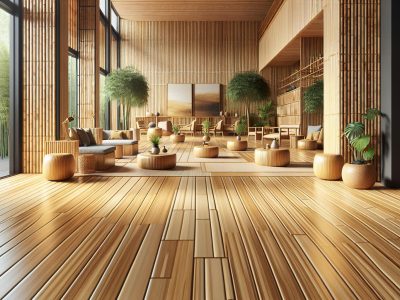
Bamboo often promises low environmental cost because many species grow fast. But fast growth alone does not mean low impact. Poor harvesting practices in parts of Southeast Asia create erosion and biodiversity loss. Quality varies: strand-woven bamboo floors from brands like Cali Bamboo can be extremely hard, while cheap pressed boards may delaminate. You may face moisture issues in humid climates: bamboo swells and warps more than properly treated hardwoods. And tariffs, shipping bottlenecks, or recalls can create supply instability for large projects, I’ve seen a renovation delayed six months waiting on a shipment.
Use Cases Where Alternatives Matter Most
Fact: For structural loads, long-term outdoor exposure, or very wet environments, bamboo often underperforms.
You need alternatives when:
You require predictable structural performance (beams, posts).
The product will be outdoors or frequently wet (decks, marine settings).
You want local sourcing to reduce transport emissions or support local mills.
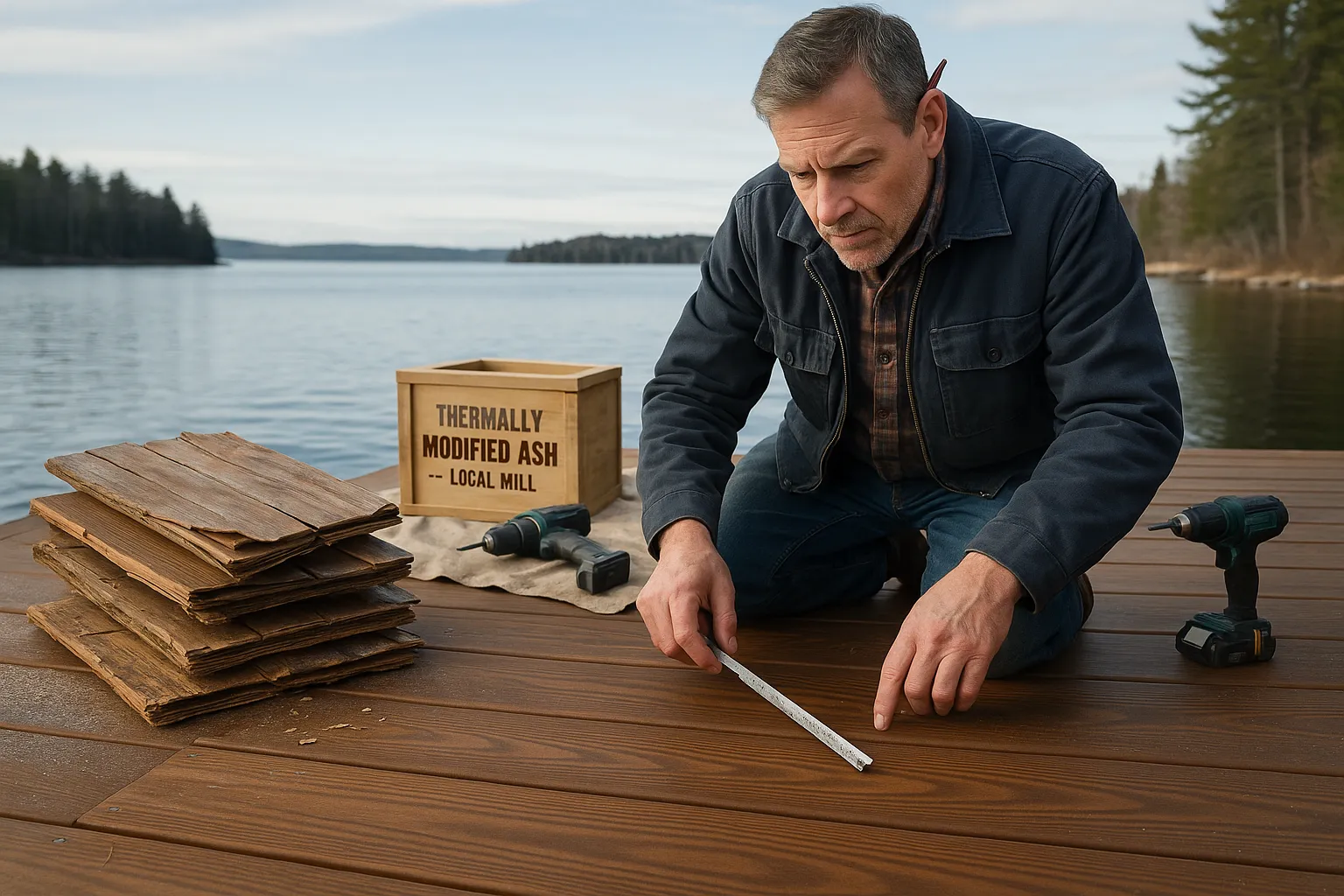
Example: On a lakeside deck, untreated bamboo flooring failed after intense freeze-thaw cycles. Replacing it with thermally modified ash avoided repeated repairs and kept maintenance low. These are the moments when choosing a different material saves time and money.
How To Choose The Best Alternative
Fact: The right alternative balances sustainability, durability, cost, and look. Start by ranking those priorities.
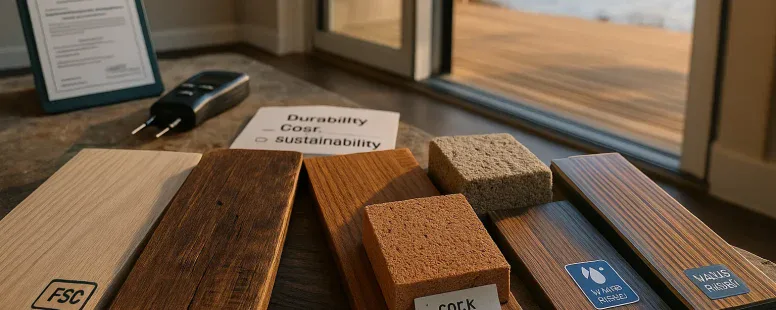
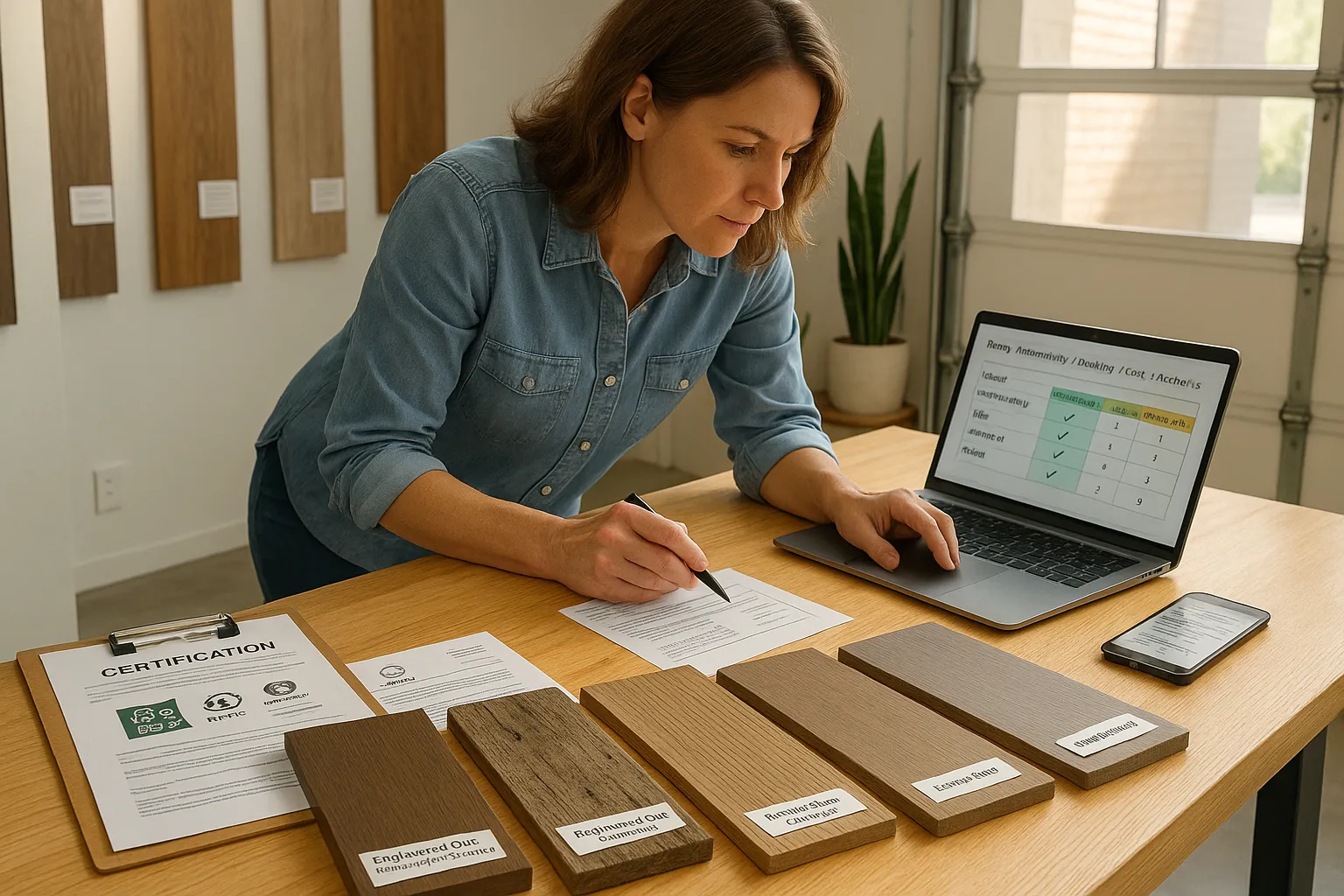
Sustainability: Look for third-party labels like FSC, PEFC, or Cradle to Cradle. For composites, check Health Product Declarations (HPDs) or GREENGUARD certification. Sustainability is not one metric: it includes sourcing, processing, and end-of-life options.
Durability: Define expected lifespan. For high-traffic flooring you want materials rated for 20+ years with clear maintenance paths. Engineered hardwood and thermally modified wood often outperform raw bamboo in dimensional stability.
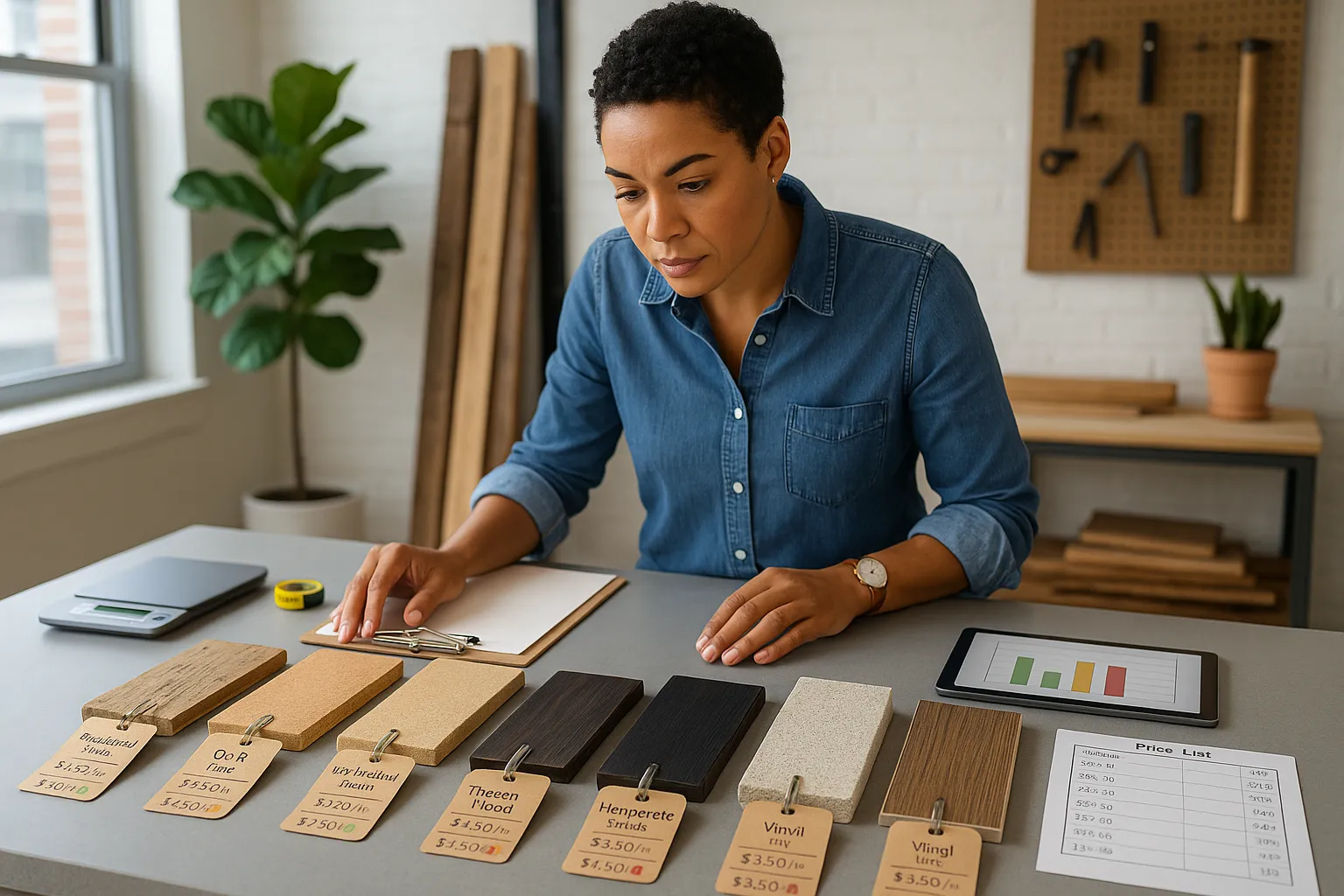
Cost: Compare upfront cost and life-cycle cost. Cheap vinyl might be less sustainable but low-cost to replace. Reclaimed wood can be inexpensive per square foot but raise labor costs for salvage and finishing.
Aesthetics: Decide if you want a natural grain, a consistent industrial look, or a synthetic match to bamboo appearance. Photorealistic laminates mimic bamboo well if you prioritize look over natural material.
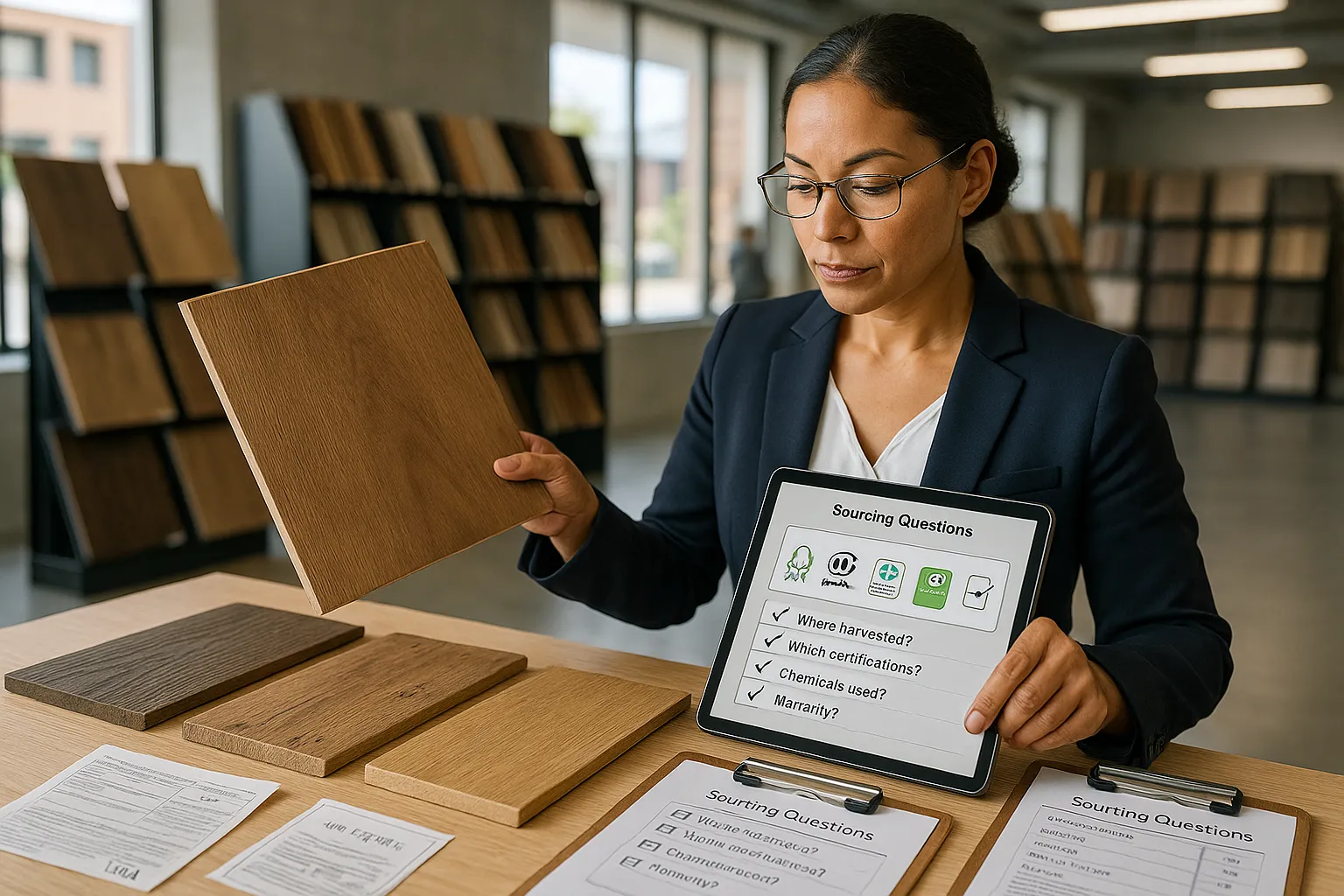
Questions To Ask About Sourcing And Certifications
Fact: Ask straightforward questions and demand documentation.
Ask sellers these questions:
Where was this harvested or manufactured? (country, mill name)
Which certifications cover this product? (FSC, PEFC, HPD, GREENGUARD)
What chemicals or finishes are used? (formaldehyde, PVAc, oils)
How do you handle returns, defects, or warranty claims?
Follow-up: Request mill test data or chain-of-custody documents. If the supplier hesitates, treat that as a red flag. Real suppliers have paperwork and lab results on hand.
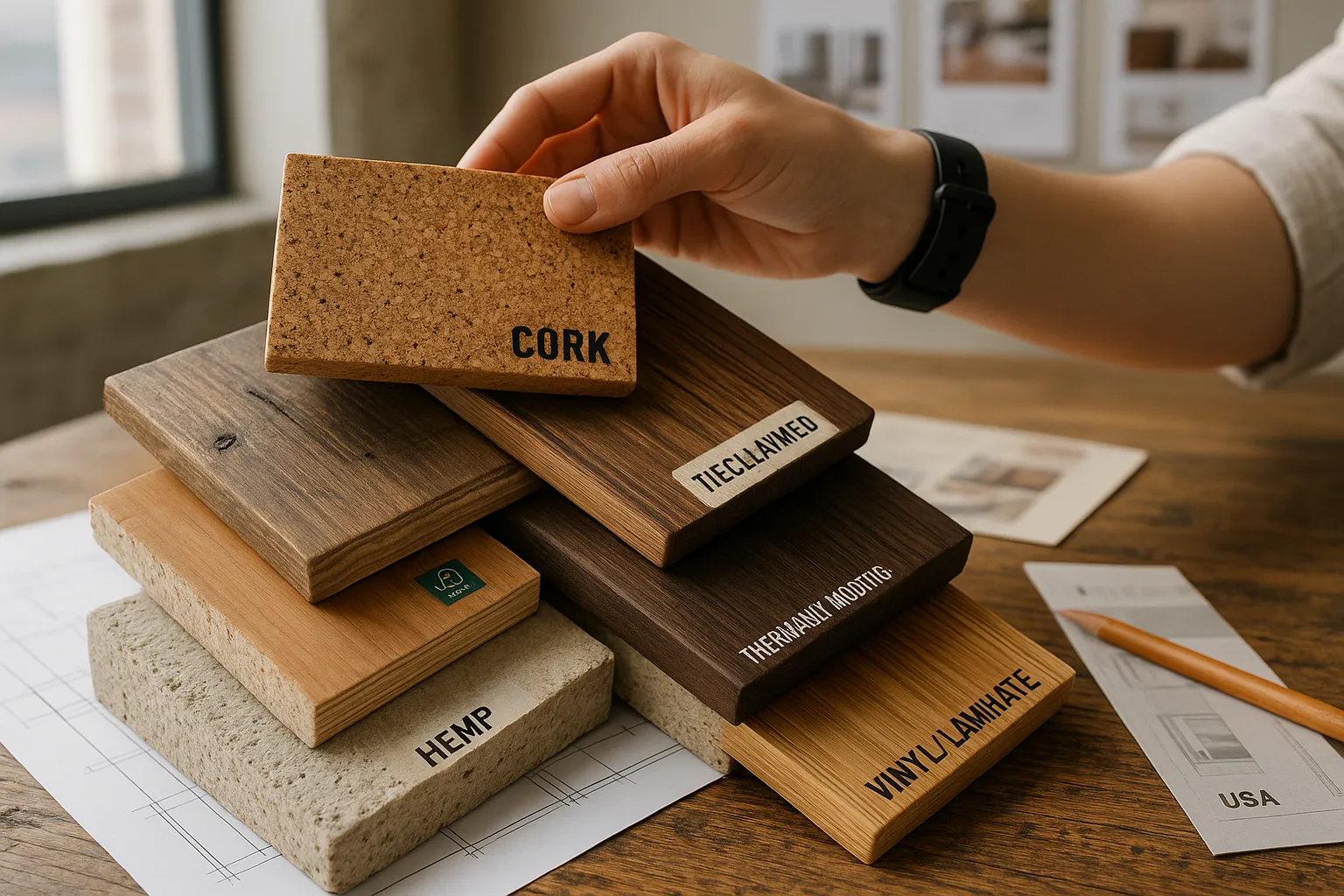
Top Alternatives To Bamboo — Overview
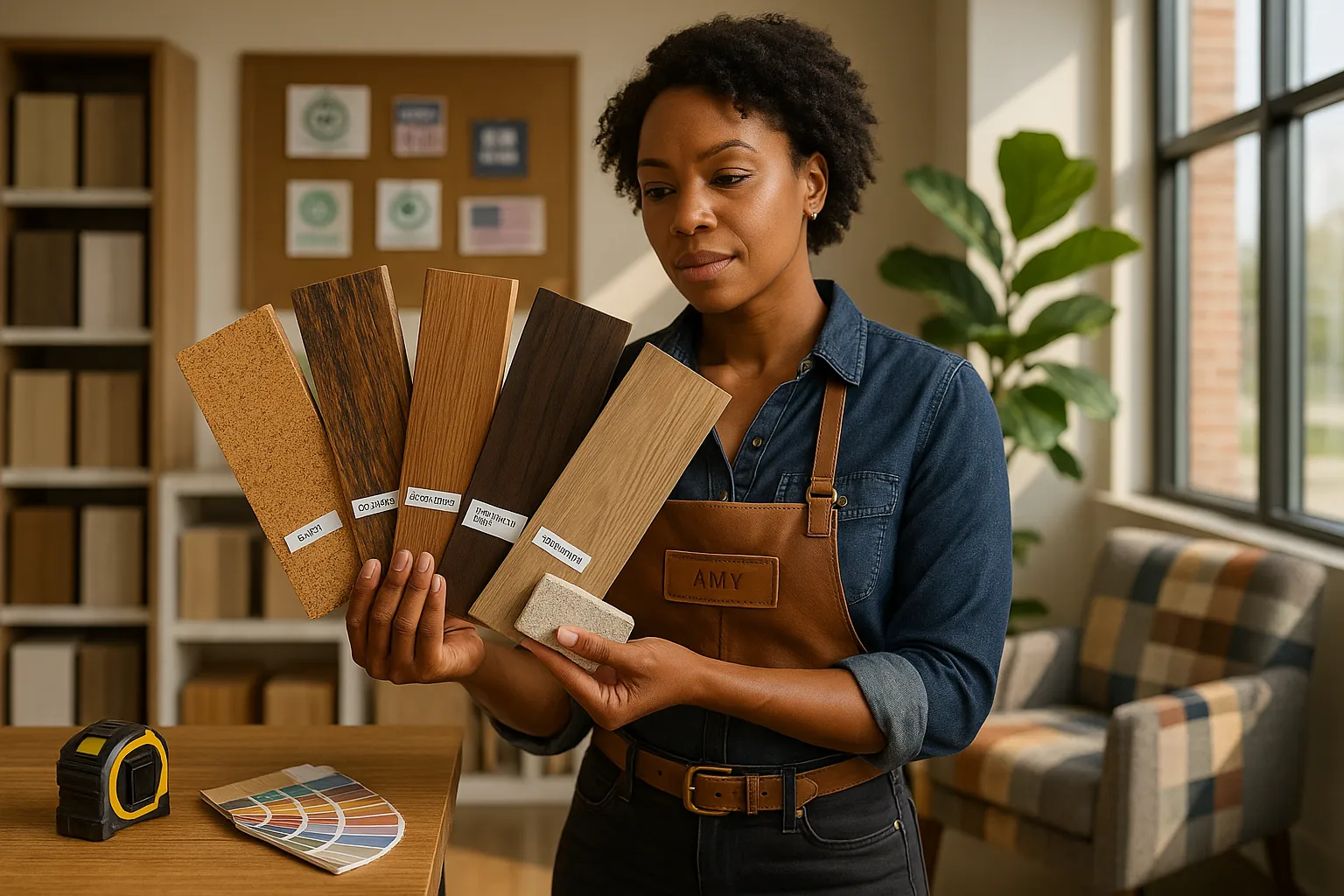
Fact: A handful of materials match or surpass bamboo across common use cases. Below are clear options with typical strengths.
Cork: Sustainable Cushioning And Thermal Properties
Cork comes from the bark of Quercus suber in Portugal and Spain. Harvesting is non-lethal and repeated every 9–12 years, which makes cork a low-impact choice. Cork panels offer sound dampening and thermal insulation, and they resist mold. Use cork for underlayment, flooring in low-impact rooms, and acoustic panels. Downsides: denting under heavy furniture and discoloration in direct sunlight.
Reclaimed Or Salvaged Wood: Low Impact, High Character
Reclaimed wood reduces embodied carbon by avoiding new harvests. You find reclaimed oak, fir, and chestnut with rich patinas and character. It suits furniture, flooring, and accent walls. Challenges: variable dimensions, hidden fasteners, and prep labor. But for a distinctive, low-carbon finish it’s hard to beat.
Engineered Hardwood With FSC Certification: Stability And Longevity
Engineered hardwood combines a plywood foundation with a real wood veneer. When sourced with FSC certification it offers responsible forestry and a stable product less prone to warping than solid bamboo boards. Brands such as Armstrong and Mohawk produce FSC options. Good for long-term flooring where you want true wood aesthetics and refinishability.
Thermally Modified Wood: Improved Durability Without Chemicals
Thermal modification alters wood cell chemistry using heat and steam, producing materials like thermally modified ash, pine, or poplar. The process increases rot resistance and dimensional stability without toxic preservatives. It works well for exterior cladding and decking. Limitations: color shifts and slightly reduced mechanical strength compared with unmodified species.
Hemp-Based Composites And Hempcrete: Fast-Growing, Low-Impact Options
Hemp grows quickly, sequesters carbon, and yields fibers suitable for composites. Hempcrete mixes hemp shives with lime binder to produce an insulating, breathable wall material. Use hemp-based panels for insulation, non-structural walls, and some furniture applications. Current supply is limited in many regions, but it’s expanding fast.
High-Quality Vinyl And Laminate (Bamboo-Look): Cost-Effective Alternatives
Vinyl plank and laminate can mimic bamboo’s look while offering water resistance and low cost. Modern luxury vinyl tile (LVT) and high-pressure laminates have improved texture and durability. They lack the biobased appeal of natural materials, but they reduce maintenance and often come with long warranties.
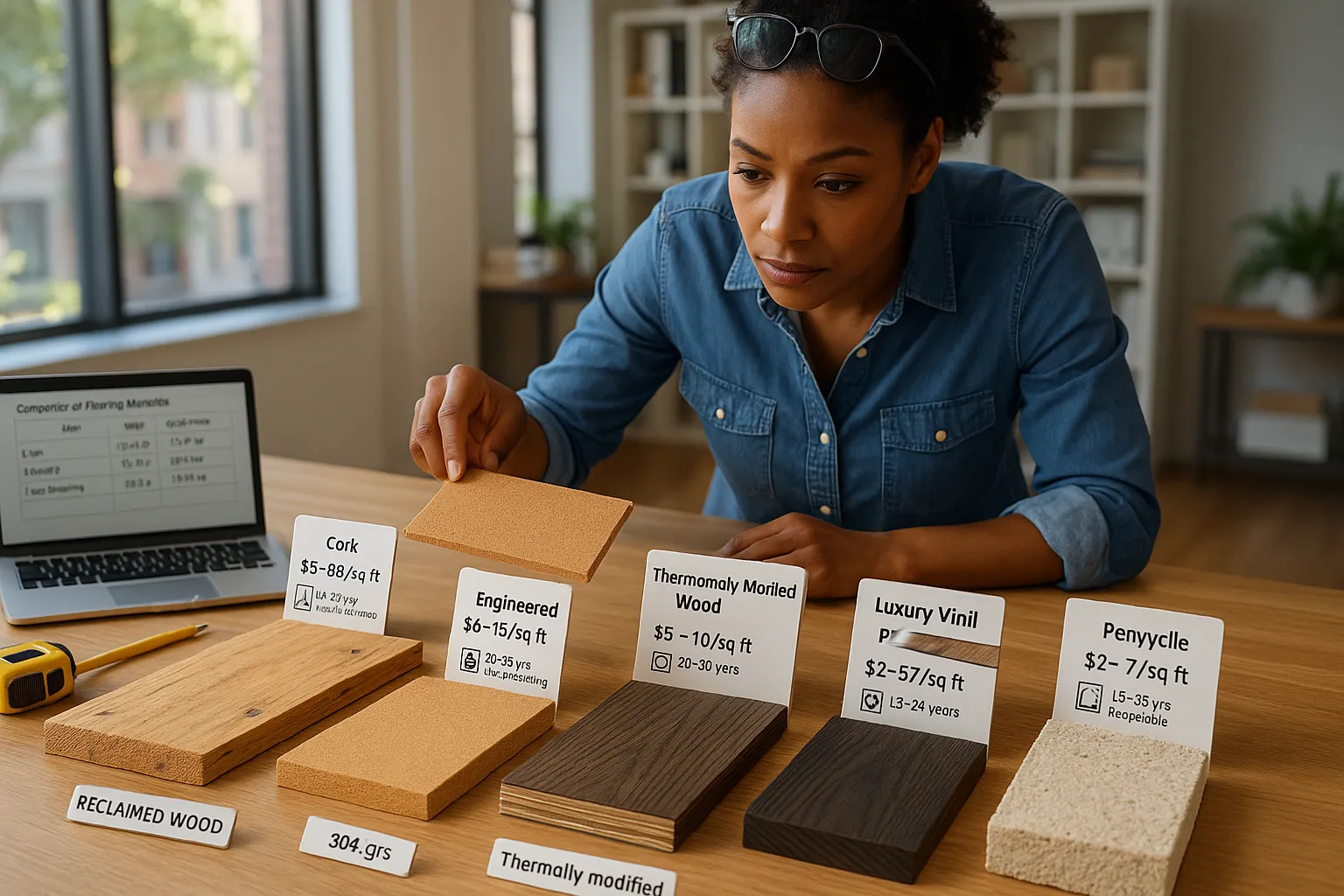
Comparing Cost, Durability, And Environmental Impact
Fact: Materials differ on lifespan and hidden environmental costs: compare whole-life impacts not just price.
Lifespan And Maintenance Expectations By Material
Cork: 10–25 years with light maintenance: reseal every 3–5 years.
Reclaimed wood: Variable: can last 50+ years if properly installed.
Engineered hardwood: 20–40 years depending on veneer thickness and refinishing.
Thermally modified wood: 20–30 years for exterior uses, low maintenance.
Hemp composites/hempcrete: Durable for insulation and non-structural use: lifespan depends on binder quality.
Vinyl/laminate: 10–25 years: easy to clean but harder to recycle.
Relative Carbon Footprint And End-Of-Life Options
Fact: Local sourcing and recyclability cut carbon more than growth rate alone.
Reclaimed wood often has the lowest footprint because it uses existing material.
Cork has low processing energy and is recyclable in some regions.
Engineered hardwood has moderate footprint: plywood cores add processing emissions but long life helps.
Thermally modified wood increases service life with no heavy chemicals, good trade-off.
Hemp sequesters carbon during growth: hempcrete stores carbon but needs lime binder which has emissions.
Vinyl has higher fossil-fuel inputs and limited recycling: check manufacturer take-back programs.
Price Ranges And Value Considerations
Fact: Price-per-square-foot varies widely: factor in installation and maintenance.
Cork: $3–$8/sq ft (material only).
Reclaimed wood: $4–$12/sq ft plus high labor.
Engineered hardwood: $5–$15/sq ft.
Thermally modified wood: $8–$18/sq ft.
Hemp products: emerging pricing: expect premiums until supply scales.
LVT/laminate: $1.50–$6/sq ft.
Choosing The Right Alternative For Your Project
Fact: Match material properties to project demands: structural, weather, traffic, and look.
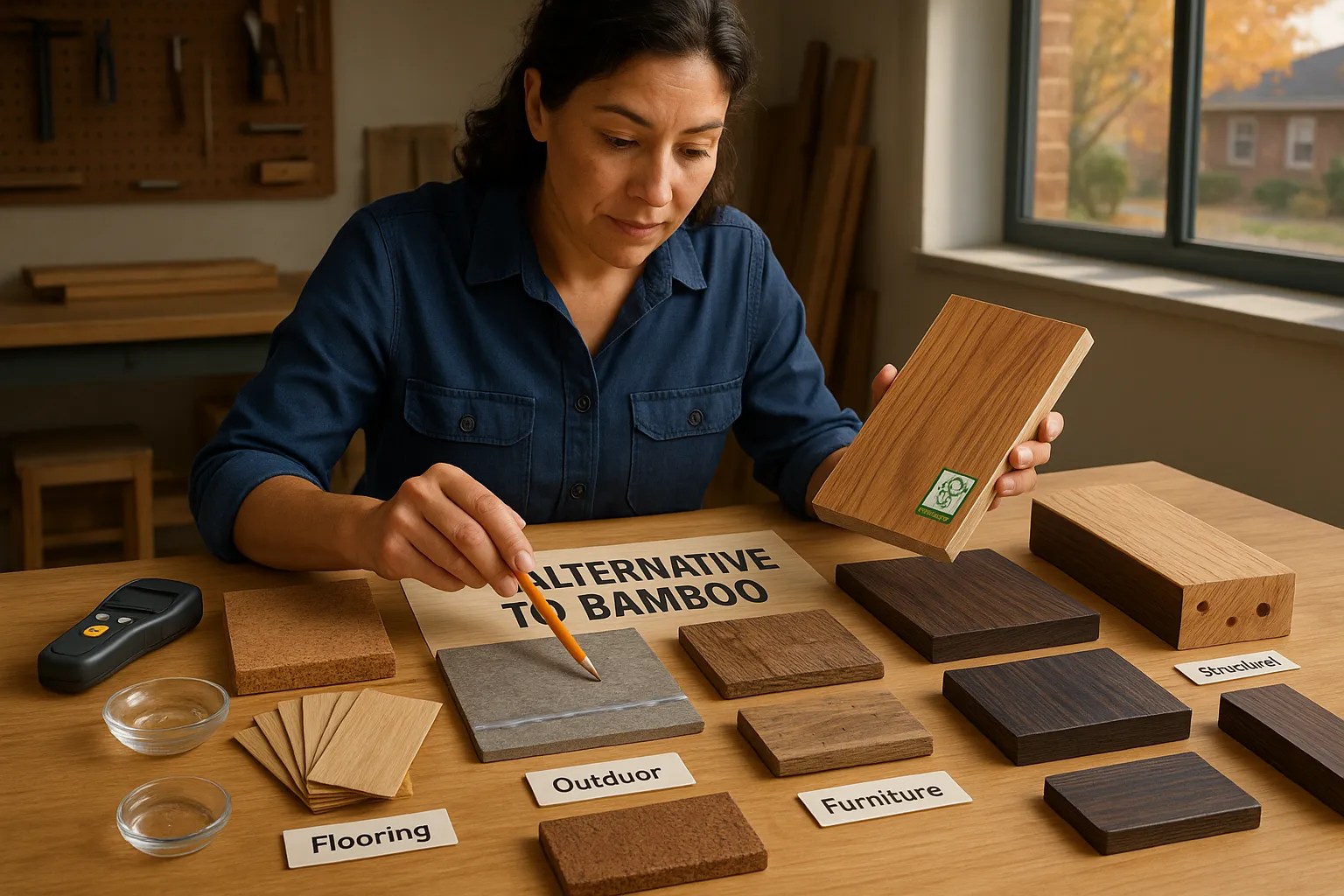
Best Picks For Flooring, Furniture, Outdoor Use, And Structural Applications
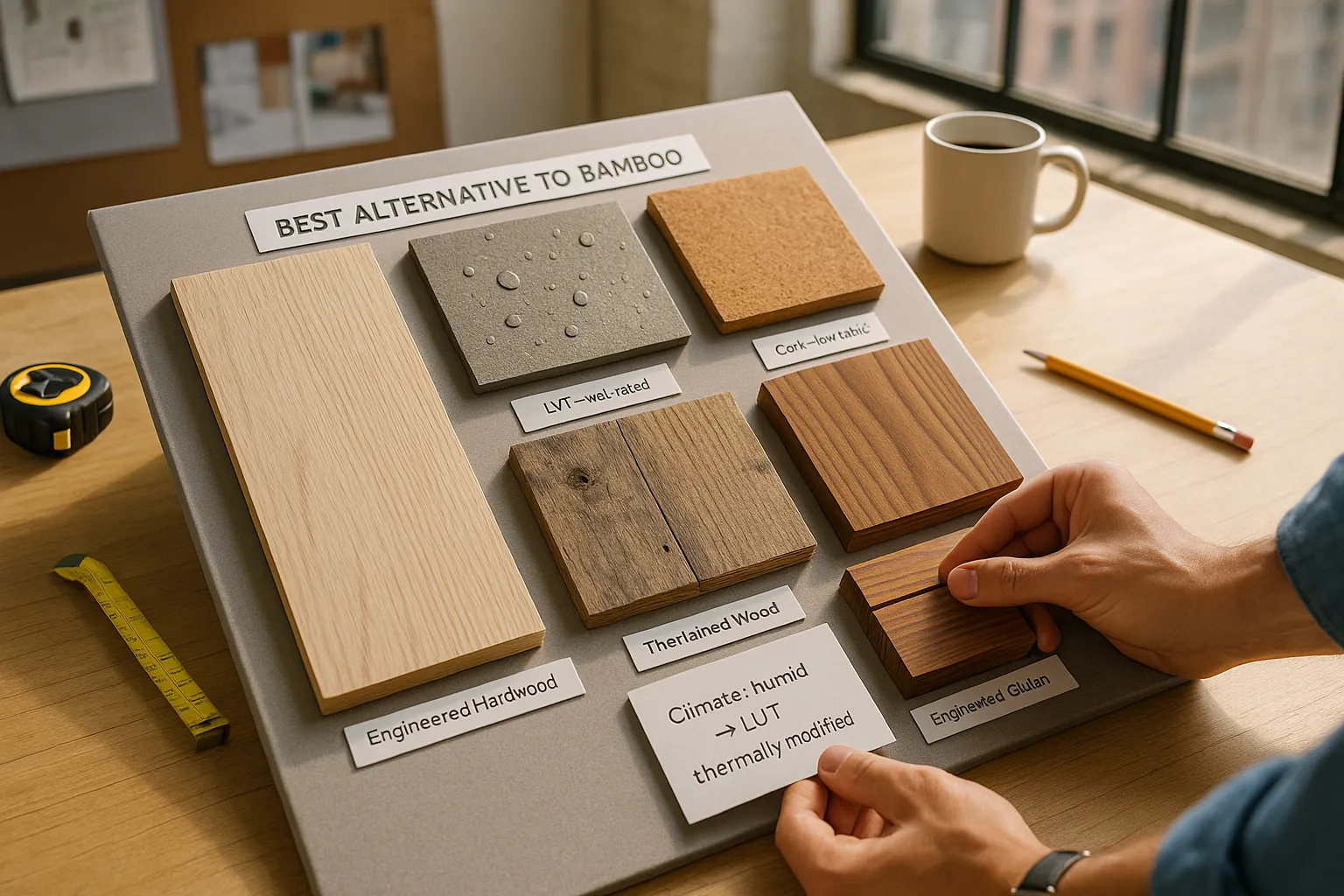
Flooring: Engineered hardwood (FSC) for longevity: LVT for wet spaces: cork for low-traffic, quiet rooms.
Furniture: Reclaimed wood for character: hemp composites or engineered veneers for lightweight pieces.
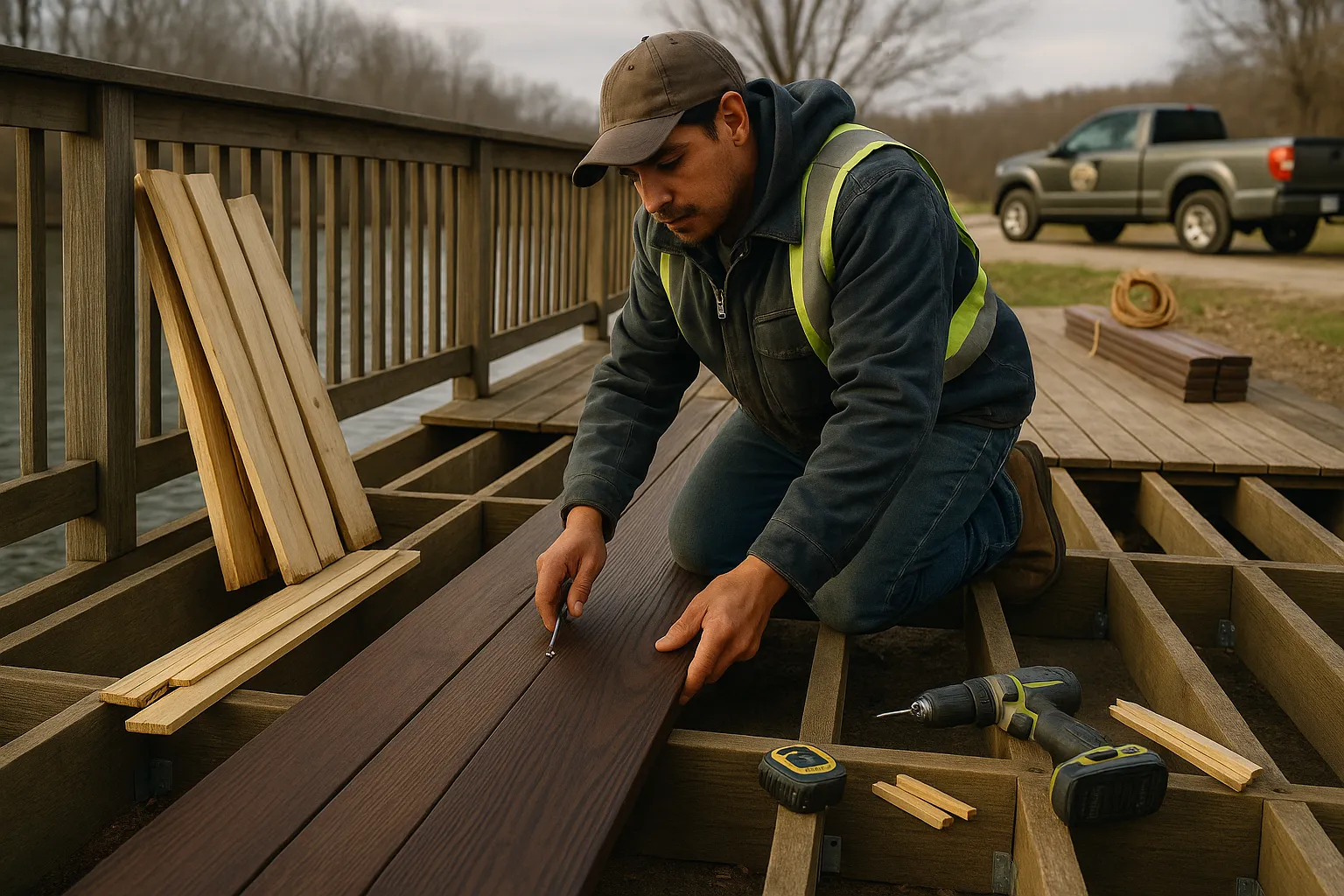
Outdoor use: Thermally modified wood and certified tropical hardwoods (with caution) resist decay: avoid untreated bamboo for decks.
Structural: Locally sourced treated lumber or engineered glulam beams: bamboo is seldom the safe structural choice unless engineered and certified.
How Climate, Traffic, And Aesthetic Goals Affect Choice
Fact: Climate and use patterns change material performance.
Humid or wet climates: Choose water-resistant options like LVT, thermally modified wood, or properly finished engineered hardwood.
High traffic: Select thicker wear layers (engineered hardwood with 3–6mm veneer) or commercial-grade LVT.
Aesthetic goals: If you want a pale, linear look like bamboo, white oak or ash veneers can approximate that while offering better stability.
Practical Buying, Installation, And Care Tips
Fact: Specification and installation determine long-term success more than marketing claims.
What To Look For In Product Specs And Warranties
Veneer thickness, core construction, and plank locking mechanisms for engineered floors.
Moisture resistance ratings and warranty exclusions for vinyl and bamboo-look products.
Certification documents: ask for FSC chain-of-custody numbers, HPDs, or GREENGUARD statements.
Warranty length and what it covers: finish, structural failure, and moisture.
Installation And Maintenance Best Practices
Acclimate wood products to your indoor humidity for 72 hours before install.
Use proper underlayment for cork and engineered floors to control moisture and sound.
For outdoor wood, apply manufacturer-recommended sealers and recoat on schedule.
Clean gently: pH-neutral cleaners for wood, manufacturer cleaners for LVT. Avoid steam cleaners on wood.
How To Verify Sustainable Claims And Avoid Greenwashing
Fact: Demand documentation and check third-party lists.
Verify FSC claims via the FSC certificate lookup and request chain-of-custody numbers.
Look for HPDs or Environmental Product Declarations (EPDs) for transparency on embodied impacts.
Beware vague slogans like “eco” or “sustainably harvested” without certs. Ask for mill names and shipping origin: high transport emissions often negate fast-growth benefits.
Vulnerable moment: I once chose an attractive bamboo-look board because the showroom sample looked perfect. The supplier had no chain-of-custody docs. After two years the planks cupped and the company denied the warranty. I learned to insist on paperwork and to test a full box before installation. That mistake cost time and money, but it changed how I buy materials for good.
To provide the best experiences, we use technologies like cookies to store and/or access device information. Consenting to these technologies will allow us to process data such as browsing behaviour or unique IDs on this site. Not consenting or withdrawing consent, may adversely affect certain features and functions.
Functional
Always active
The technical storage or access is strictly necessary for the legitimate purpose of enabling the use of a specific service explicitly requested by the subscriber or user, or for the sole purpose of carrying out the transmission of a communication over an electronic communications network.
Preferences
The technical storage or access is necessary for the legitimate purpose of storing preferences that are not requested by the subscriber or user.
Statistics
The technical storage or access that is used exclusively for statistical purposes.The technical storage or access that is used exclusively for anonymous statistical purposes. Without a subpoena, voluntary compliance on the part of your Internet Service Provider, or additional records from a third party, information stored or retrieved for this purpose alone cannot usually be used to identify you.
Marketing
The technical storage or access is required to create user profiles to send advertising, or to track the user on a website or across several websites for similar marketing purposes.