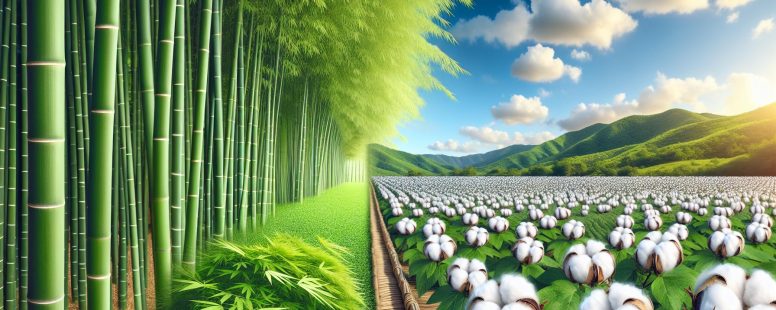
Imagine wrapping yourself in a fabric so soft it feels like a gentle caress against your skin. Bamboo fabric and cotton both promise comfort, but which one truly delivers? As sustainability becomes a priority, the choice between these two materials goes beyond texture—it’s about impact, durability, and performance.
Bamboo fabric, with its eco-friendly reputation, has been making waves, while cotton remains a classic staple. But is bamboo really as green as it seems? And does cotton’s timeless appeal still hold up in today’s world of innovation? Understanding the differences could transform how you shop for clothes, bedding, and more.
What Is Bamboo Fabric?
Bamboo fabric, derived from the pulp of bamboo plants, is known for its softness and eco-friendly production. Its fibers undergo processing into viscose, lyocell, or modal forms, depending on the manufacturing method. Like cotton, you often find bamboo fabric in clothing, bedding, and towels due to its lightweight and breathable properties.
Bamboo fabric offers exceptional moisture-wicking abilities, making it a popular choice for activewear and summer clothing. For example, bamboo t-shirts tend to feel cool and dry during hot weather. Also, it’s naturally hypoallergenic and antimicrobial, ideal for individuals with sensitive skin or allergies.
While celebrated for sustainability, bamboo fabric’s eco-cost varies depending on how it’s produced. Mechanically processed bamboo retains most environmental benefits, while chemical processing may involve harmful substances, reducing its green appeal. Even though this, it generally consumes less water and pesticides compared to cotton farming.
Common applications include soft sheets, bamboo socks, and loungewear. These products showcase its versatility and durability, qualities that continue to attract eco-conscious consumers.
What Is Cotton?
Cotton is a natural fiber obtained from the seeds of the cotton plant, primarily belonging to the genus Gossypium. It’s been cultivated for thousands of years and remains one of the world’s most widely used textiles. Known for its versatility, cotton is employed in various products, including clothing, bedding, and industrial materials.
You find cotton valued for its breathability and softness, making it comfortable against the skin. Its ability to absorb moisture without feeling damp is another key advantage. For example, cotton shirts, towels, and bedsheets are prized for their comfort and durability in diverse climates.
Cotton cultivation, but, has environmental concerns. It requires significant water consumption for irrigation and often uses pesticides and synthetic fertilizers, impacting ecosystems and farming communities. According to the World Wildlife Fund (WWF), it takes approximately 2,700 liters of water to produce one cotton t-shirt. If grown sustainably though—like organic or rain-fed cotton—it minimizes these drawbacks.
There are multiple cotton variants tailored to specific uses. Egyptian cotton and Pima cotton, for instance, are renowned for their long, durable fibers, offering a luxurious feel. Regular upland cotton, while less premium, remains the most commonly used type. Knowing these distinctions can guide you when selecting the right material for your needs.
Key Differences Between Bamboo Fabric And Cotton
Bamboo fabric and cotton offer unique qualities, making the choice between them dependent on your priorities. Comparing these two materials sheds light on their environmental impact, durability, comfort, breathability, and cost.
Environmental Impact
Bamboo fabric is often considered more eco-friendly. Bamboo grows quickly, requires less water than cotton, and is naturally pest-resistant, reducing the need for pesticides or synthetic fertilizers. But, the chemical processing in bamboo viscose production can harm the environment unless sustainable practices are implemented.
Cotton farming, in contrast, consumes large amounts of water and often relies on pesticides. For example, producing one T-shirt can require about 2,700 liters of water. Organic or rain-fed cotton offers a more sustainable alternative, but its cultivation remains resource-intensive.
Durability And Longevity
Cotton is known for its durability. High-quality variants like Pima and Egyptian cotton maintain strength over time, making them suitable for repeated use and washing.
Bamboo fabric, though soft, can wear out faster if it’s chemically processed. Mechanically produced bamboo, like bamboo linen, is stronger but less soft, making it ideal for long-term applications. You might notice bamboo items like socks or sheets showing signs of wear earlier than high-grade cotton products.
Comfort And Feel
Bamboo fabric offers a silky softness that’s ideal for sensitive skin. Its hypoallergenic and antimicrobial properties add to its appeal, especially for people prone to allergies.
Cotton, depending on its grade, provides a naturally soft feel. Egyptian or Pima cotton delivers luxury, while regular cotton types remain breathable and comfortable. The feel of each fabric can greatly depend on personal preference and intended use.
Moisture-Wicking And Breathability
Both fabrics excel in breathability, but bamboo has an edge due to its moisture-wicking abilities. Bamboo absorbs more moisture without feeling damp, making it suitable for activewear or humid climates.
Cotton, while absorbent, tends to retain moisture longer. This property makes it less effective for sweat-heavy activities, although it excels in casual wear and bedding.
Price Comparison
Cotton products cover a broad price range, from affordable upland cotton items to expensive Egyptian cotton sheets. Bamboo fabric, often positioned as a luxury or eco-conscious choice, tends to cost more. Mechanically processed bamboo further increases the price but offers better sustainability.
Choosing between bamboo and cotton might depend on your budget and whether you prioritize environmental factors over affordability.
Pros And Cons Of Bamboo Fabric
Bamboo fabric offers distinct advantages and disadvantages compared to other textiles like cotton. Understanding these can help you make smarter choices when picking sustainable materials for clothing or home use.
Pros
Eco-friendliness: Bamboo grows rapidly without synthetic fertilizers or extensive irrigation, consuming significantly less water than cotton. Mechanically processed bamboo retains much of this eco-friendly character.
Softness and Comfort: Bamboo fabric feels silky and lightweight, making it ideal for sensitive skin. It’s often used for items like baby clothing and loungewear to maximize comfort.
Moisture-Wicking Properties: Wicking moisture efficiently, bamboo helps you stay dry during active use, such as while running or working out.
Antimicrobial Features: Its natural antimicrobial properties reduce odor buildup in garments like socks and activewear.
Hypoallergenic Nature: Bamboo isn’t likely to irritate skin, making it a popular choice for people prone to allergies.
Temperature Regulation: The breathable structure of bamboo fiber ensures comfort in both summer and winter conditions.
Cons
Chemical Processing Concerns: Most bamboo fabrics available rely on chemical processing, such as viscose production, which raises environmental and health concerns. This reduces its sustainability credentials.
Durability Issues: Bamboo that’s chemically treated tends to wear out faster than high-end cotton options like Egyptian or Supima cotton.
Cost: Bamboo fabric is often priced higher due to manufacturing complexities and marketing as a premium eco-friendly alternative.
Limited Availability: Finding specific bamboo products can be harder than sourcing widely available cotton items, particularly in underserved markets.
Pros And Cons Of Cotton
Cotton, a staple in the textile world, comes with its own set of strengths and weaknesses shaping its popularity. Its wide usage in clothing and home textiles is supported by centuries of practical application.
Pros
Softness And Comfort: Cotton provides a soft, breathable texture, making it ideal for t-shirts, bed sheets, and underwear. High-quality types like Egyptian and Pima cotton enhance this comfort, offering a luxurious feel.
Durability: Cotton fibers, especially in long-staple variants, withstand repeated washing without losing shape. Examples include Pima cotton shirts that maintain appearance over time.
Breathability: Natural perspiration absorption keeps fabric cool and comfortable for warm climates or summer apparel, such as light dresses and casual wear. This property supports everyday and seasonal clothing design needs.
Variety And Affordability: Cotton’s versatility spans from affordable upland cotton used widely in daily clothing to premium counterparts used in high-end products.
Hypoallergenic Properties: Cotton rarely causes allergic reactions, supporting sensitive skin in items like baby clothing and medical bandages.
Cons
Environmental Impact: Cotton farming demands high water resources. Producing one kilogram of cotton fiber can require up to 10,000 liters of water, impacting sustainability. Pesticide and fertilizer usage exacerbates environmental concerns.
Wrinkling And Maintenance: Cotton fabric easily wrinkles, requiring ironing. For example, dress shirts often need pressing after laundering.
Shrinkage: Improper washing can lead to noticeable shrinkage, especially in untreated or non-pre-shrunk cotton garments.
Soil Degradation Risks: Intense farming techniques lead to nutrient depletion in soil over years of cotton-growing cycles.
Price Variability: While basic cotton remains affordable, high-quality types like Egyptian cotton bedding can be significantly more expensive.
Which Is Better: Bamboo Fabric Or Cotton?
Determining which fabric is better depends on your priorities. Bamboo fabric offers unparalleled softness, often compared to silk, and delivers hypoallergenic benefits, making it ideal for those with sensitive skin. It’s also more efficient in moisture-wicking than cotton, keeping you dry during warmer months or physical activity. But, chemically processed bamboo can lack durability, wearing out faster than high-quality cotton.
If environmental impact concerns you, bamboo fabric generally edges out cotton due to its rapid growth and lower water need. Mechanically processed bamboo is more eco-friendly than chemically treated variants, reducing the environmental footprint. On the other hand, traditional cotton farming demands substantial water and pesticides, although organic cotton provides a greener alternative.
In terms of durability, cotton—particularly Pima or Egyptian types—excels. These options withstand repeated use, maintain their softness, and resist wear-and-tear better than many bamboo textiles. Cotton’s versatility extends to affordability, with lower-cost choices for budget-friendly purchases, unlike bamboo’s often higher price.
Comfort remains subjective. Bamboo feels luxurious and light against the skin, while cotton delivers a familiar, breathable softness. Different uses—like bamboo in activewear versus cotton in casual clothing—highlight distinct advantages, but also limits comparison.
When choosing between them, consider what matters most: eco-friendliness, cost, or specific performance needs. Neither fabric is inherently superior. Seek reputable sources when opting for bamboo or cotton to ensure quality fits both your demands and values.
Conclusion
Choosing between bamboo fabric and cotton eventually comes down to your personal priorities and lifestyle. Both materials offer unique benefits, from bamboo’s silky softness and moisture-wicking abilities to cotton’s durability and timeless comfort. Whether you’re prioritizing eco-friendliness, budget, or specific performance features, understanding the strengths and limitations of each fabric helps you make more informed decisions. By aligning your choices with your values and needs, you can enjoy textiles that truly enhance your daily life.
To provide the best experiences, we use technologies like cookies to store and/or access device information. Consenting to these technologies will allow us to process data such as browsing behaviour or unique IDs on this site. Not consenting or withdrawing consent, may adversely affect certain features and functions.
Functional
Always active
The technical storage or access is strictly necessary for the legitimate purpose of enabling the use of a specific service explicitly requested by the subscriber or user, or for the sole purpose of carrying out the transmission of a communication over an electronic communications network.
Preferences
The technical storage or access is necessary for the legitimate purpose of storing preferences that are not requested by the subscriber or user.
Statistics
The technical storage or access that is used exclusively for statistical purposes.The technical storage or access that is used exclusively for anonymous statistical purposes. Without a subpoena, voluntary compliance on the part of your Internet Service Provider, or additional records from a third party, information stored or retrieved for this purpose alone cannot usually be used to identify you.
Marketing
The technical storage or access is required to create user profiles to send advertising, or to track the user on a website or across several websites for similar marketing purposes.