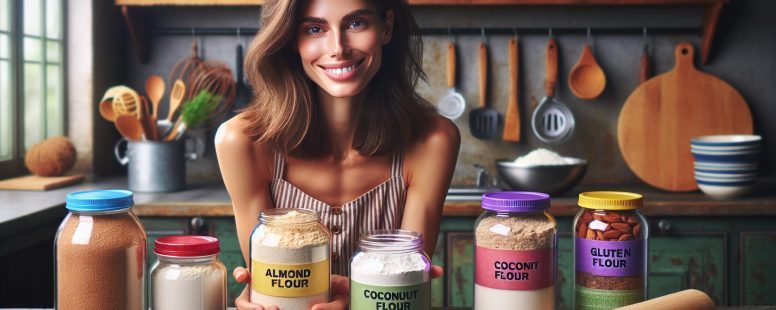
Your recipe’s almost perfect, but then you realize you’re out of cornflour. Panic sets in—how will you get that silky sauce or perfect crispness now? Don’t worry, you’re not alone, and there’s good news: plenty of versatile alternatives can save the day without compromising flavor or texture.
From pantry staples you already have to creative substitutes you’ve never considered, the world of cornflour swaps is more exciting than you might think. Whether you’re looking for gluten-free options, healthier choices, or simply something that works in a pinch, these alternatives bring unique benefits to your cooking. Ready to discover your new secret ingredient? Let’s immerse.
What Is Cornflour Used For?
Cornflour, a versatile ingredient, primarily thickens liquids in various recipes. It’s key to achieving smooth soups, sauces, and gravies by creating a silky texture without altering flavors. For instance, it’s often added to tomato-based sauces to prevent them from becoming watery.
This flour enhances textures in baked goods like cakes and cookies, adding lightness and tenderness. In sponge cakes, cornflour helps produce a softer crumb. Certain recipes also call for cornflour to improve crispiness, such as coating meat or vegetables before frying.
Many cuisines rely on cornflour to stabilize and bind ingredients. For example, it binds meat fillings in dumplings or ensures a consistent texture in custards and pie fillings. Also, it’s frequently used as an anti-caking agent in powdered goods like sugar or grated cheese.
Cornflour is integral in gluten-free diets for thickening or replacing wheat-based ingredients. But, its unique properties make finding an exact substitute challenging when this pantry staple runs out.
Why Look For Alternatives To Cornflour?
Cornflour might not be a suitable option for every recipe or dietary need. It’s derived from corn, a common allergen that some individuals avoid due to sensitivities or preferences. Gluten-free eaters may rely on cornflour, but for those avoiding corn itself, finding substitutions becomes crucial.
Cornflour can also be challenging to digest for some people, leading to discomfort following consumption. If you’re aiming to incorporate more nutrient-dense ingredients, switching to options like almond flour or chickpea flour allows you to enhance the nutritional profile of your dishes.
Running out of cornflour mid-recipe is a frequent kitchen mishap. Having alternative thickeners, such as arrowroot or tapioca starch, ensures that you can continue cooking without compromising the consistency or quality of your food.
Global recipes sometimes require substitutes that align with local availability and preferences. For instance, cassava flour or potato starch might work better in regions where cornflour isn’t a pantry staple. By adapting to alternatives, you expand your cooking range and cater to diverse tastes.
Popular Alternatives To Cornflour
Replacements for cornflour can adapt your recipes while achieving the desired texture and consistency. Each alternative has unique properties, making them suitable for different dishes.
Arrowroot Powder
Arrowroot powder offers a gluten-free way to thicken sauces and soups. Derived from the tropical arrowroot plant, it’s effective in binding ingredients without altering flavor. Use it at a ratio of 1:2 (cornflour:arrowroot) to maintain texture. Though it reacts best in low-heat settings, it’s unsuitable for long cooking times as it may break down.
Tapioca Starch
Tapioca starch, extracted from cassava root, is versatile in cooking and baking. It’s great for thickening pie fillings, gravies, or puddings. To use tapioca starch, substitute in a 1:1 ratio with cornflour. Tapioca provides a glossy finish, enhancing visual appeal. But, it can create a chewier texture when overused.
Potato Starch
Potato starch, made by extracting starch granules from crushed potatoes, is ideal for gluten-free diets. It thickens liquids quickly, making it perfect for soups and stews. Use half the quantity of cornflour specified in your recipe when using potato starch. Avoid boiling it excessively, as this can diminish its thickening ability.
Rice Flour
Rice flour works well as a lightweight thickening agent. It’s great for delicate dishes like custards or light sauces. When replacing cornflour, mix 1.5 times more rice flour for similar results. Avoid using rice flour in highly acidic recipes, as it may hinder its thickening properties.
All-Purpose Flour
All-purpose flour serves as a widely accessible substitute. It’s especially effective for hearty stews, roux, or gravies. Use double the amount of cornflour required, as it has weaker thickening properties. Cook the flour thoroughly to eliminate its raw taste and achieve a smooth texture in your dish.
Gluten-Free Cornflour Substitutes
Gluten-free substitutes for cornflour offer versatility and cater to dietary needs. These alternatives work in various recipes without compromising texture or flavor.
Almond Flour
Almond flour, made from finely ground blanched almonds, offers a nutrient-rich substitute. It’s particularly effective in baked goods, contributing a mild, nutty flavor. Use almond flour in recipes like cookies and pancakes to enhance taste and texture. But, its coarse consistency compared to cornflour may require adjustments in liquid content or blending with finer flours.
Coconut Flour
Coconut flour, derived from dried coconut meat, absorbs high amounts of liquid. It’s ideal for thickening soups, stews, and curries. Coconut flour is naturally gluten-free, low in carbohydrates, and high in fiber, making it suitable for keto and paleo diets. Due to its dense nature, about half the amount of coconut flour as cornflour is sufficient, but additional liquid may be necassary to prevent dryness in recipes.
Chickpea Flour
Chickpea flour (also called gram or besan flour) is a protein-packed, gluten-free alternative. It provides a slight earthy flavor, working well in savory dishes like fritters or batters. Chickpea flour also thickens gravies and soups effectively, requiring similar quantities as cornflour. Blending it with mild-tasting flours can balance its robust flavor if you’re using it in delicate recipes.
Tips For Choosing The Right Substitute
Identify your recipe’s goal. Different substitutes work best for specific purposes. For instance, tapioca starch provides a glossy finish ideal for fruit pies, while almond flour enhances the nutty richness in baked desserts. Think about how the substitute aligns with your dish’s flavor and texture requirements.
Check for dietary needs. If you’re accommodating gluten-free diets, alternatives like arrowroot powder or chickpea flour are excellent options. For nut-free preferences, rice flour or potato starch offers a safe choice. Consider reading ingredient labels to avoid allergens or additives that might compromise the substitute’s quality.
Account for consistency adjustments. Cornflour substitutes like coconut flour or rice flour can require different quantities due to their absorption rates. When using coconut flour, reduce additional liquids, as it’s highly absorbent. Conversely, you’ll need more rice flour to achieve comparable thickness.
Evaluate cooking temperature. Substitutes like arrowroot lose their thickening properties under high heat, making them unsuitable for recipes requiring long cooking durations. Tapioca or all-purpose flour can perform better in these cases. Match the substitute’s behavior with your cooking method to avoid undesired results.
Stock versatile options. Keeping multipurpose alternatives such as all-purpose flour or tapioca starch on hand ensures flexibility in your kitchen. These are universally suitable for various recipes, from sauces to baked goods, eliminating the panic of running out of cornflour unexpectedly.
Conclusion
Running out of cornflour doesn’t have to disrupt your cooking or baking. With so many versatile alternatives available, you can confidently adapt your recipes to suit your needs. Whether you’re seeking a gluten-free option, a healthier choice, or simply a convenient substitute, there’s always a solution waiting in your pantry or local store.
By understanding the unique properties of each substitute, you can experiment with new ingredients and even discover creative ways to enhance your dishes. Having a few reliable options on hand ensures you’re always prepared, no matter the recipe or dietary requirement.
To provide the best experiences, we use technologies like cookies to store and/or access device information. Consenting to these technologies will allow us to process data such as browsing behaviour or unique IDs on this site. Not consenting or withdrawing consent, may adversely affect certain features and functions.
Functional
Always active
The technical storage or access is strictly necessary for the legitimate purpose of enabling the use of a specific service explicitly requested by the subscriber or user, or for the sole purpose of carrying out the transmission of a communication over an electronic communications network.
Preferences
The technical storage or access is necessary for the legitimate purpose of storing preferences that are not requested by the subscriber or user.
Statistics
The technical storage or access that is used exclusively for statistical purposes.The technical storage or access that is used exclusively for anonymous statistical purposes. Without a subpoena, voluntary compliance on the part of your Internet Service Provider, or additional records from a third party, information stored or retrieved for this purpose alone cannot usually be used to identify you.
Marketing
The technical storage or access is required to create user profiles to send advertising, or to track the user on a website or across several websites for similar marketing purposes.