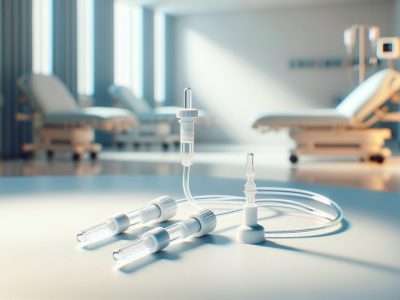
When it comes to medical care, understanding the tools and techniques used can feel overwhelming. If you or a loved one needs nutritional support, you’ve likely heard about NG tubes and G tubes. These two options might seem similar at first, but they serve distinct purposes and are used in very different ways.
Imagine exploring a maze of medical terms while trying to decide what’s best for your health. Knowing the key differences between an NG tube, which passes through the nose, and a G tube, which connects directly to the stomach, can make all the difference in making informed decisions. Each has its own advantages, challenges, and specific uses depending on individual needs.
By diving deeper into how these tubes work and when they’re recommended, you’ll gain clarity and confidence in understanding the best choice for your situation.
Understanding 82. NG Tube Vs G Tube
NG (nasogastric) and G (gastrostomy) tubes represent two distinct approaches in providing nutritional or medicinal support for patients who are unable to receive adequate intake by mouth. While they share a fundamental purpose, their differences lie in their placement, duration of use, and underlying indications.
Placement and Accessibility
An NG tube is inserted through your nose and threaded down into your stomach. This external placement allows healthcare providers to administer short-term support, perfectly suited for acute conditions like temporary swallowing difficulties. On the other hand, a G tube is surgically placed through your abdominal wall directly into the stomach, ensuring long-term access. Unlike NG tubes, G tubes reduce the physical discomfort associated with nasal passage irritation and are less visible externally.
Duration of Use
An NG tube typically remains in place for days or a few weeks and is ideal for transient or reversible issues. If a condition requires extended nutritional intervention exceeding 4-6 weeks, transitioning to a G tube ensures sustained support without compromising patient comfort. For example, a stroke patient with prolonged dysphagia might benefit from a G tube rather than an NG tube.
Patient Comfort and Maintenance
NG tubes often cause discomfort or self-consciousness due to their nasal positioning. Also, they increase the risk of unintentional displacement, especially in active patients. G tubes mitigate these concerns by being stationed internally. But, they require surgical procedures for insertion and demand meticulous care to avoid infections or leakage around the insertion site.
Best Practices and Monitoring
When deciding between these tubes, consult medical experts to evaluate factors specific to the patient’s condition, including safety and expected recovery timelines. NG tubes are more accessible in emergency hospital environments, whereas G tubes demand pre-planning and perioperative procedures. Consitent monitoring, regardless of tube type, is crucial to prevent complications like blockages or aspiration.
Both NG and G tubes have transformed nutritional care, expanding options based on individual patient needs. Understanding the differences helps prioritize comfort, outcomes, and quality of life in critical medical scenarios.
What Is an NG Tube?
An NG tube, or nasogastric tube, is a medical device inserted through the nose into the stomach. It’s primarily used for temporary nutritional support or drainage.
Definition and Purpose
An NG tube is a thin, flexible tube made of medical-grade material. It’s designed to pass through the nasal cavity and esophagus into the stomach. Its purpose is to deliver nutrients, medications, or liquids, or to remove stomach contents. This tool provides short-term access, making it useful in acute care settings like hospitals. By avoiding surgical insertion, an NG tube minimizes procedural risks.
Common Uses and Benefits
NG tubes manage feeding in patients unable to swallow due to conditions like stroke, head injury, or neurological disorders. They also assist with gastric decompression in cases of bowel obstruction or post-operative care. These tubes benefit patients requiring temporary solutions, as they’re easier to place and remove compared to surgically placed options.
The benefits include rapid nutritional support and medication delivery. For example, in an emergency, it offers a quick solution for hydration or caloric intake. Though less invasive than other feeding tubes, NG tubes might cause nasal irritation or discomfort, particularly with prolonged use.
What Is a G Tube?
A G tube, or gastrostomy tube, is a medical device placed directly into your stomach. It’s primarily used for long-term nutritional support when oral intake isn’t possible or effective.
Definition and Purpose
A G tube is inserted through a small surgical opening in your abdomen. Medical professionals usually place it under sedation to ensure comfort during the procedure. Unlike an NG tube, which passes through the nose, a G tube provides direct access to the stomach, bypassing the upper gastrointestinal tract.
Its purpose is to deliver nutrition, hydration, and medications directly into the stomach. This type of feeding tube supports individuals with conditions like severe swallowing disorders, certain neurological impairments, or prolonged unconsciousness. It’s intended for long-term use and offers a more stable option compared to temporary alternatives.
Common Uses and Benefits
G tubes are commonly used for patients with chronic conditions requiring consistent nutritional support. Examples include individuals with ALS, cerebral palsy, or head and neck cancers where swallowing is severely compromised. It also assists in relieving gastric pressure or draining stomach contents in certain gastrointestinal cases.
Benefits of a G tube include reduced discomfort compared to nasal tubes, improved stability for prolonged feeding, and a discreet design under clothing. Placement minimizes the risk of tube displacement or blockages, enhancing ease of use for caregivers and patients.
Key Differences Between NG Tube and G Tube
NG (nasogastric) tubes and G (gastrostomy) tubes differ fundamentally in their purpose, placement, and patient suitability. Understanding these differences is critical for informed healthcare decisions.
Insertion Process
NG tubes are inserted through the nasal passage into the stomach. Medical professionals use lubrication and guide insertion carefully to minimize nasal discomfort. This non-surgical procedure allows for quick nutritional or drainage access, making it ideal for emergencies or temporary needs.
G tubes involve a surgical or endoscopic procedure. These devices pass directly through the abdominal wall into the stomach. Healthcare providers often administer anesthesia during placement to ensure the procedure’s safety and manage pain. This method suits patients requiring long-term nutritional support.
Duration of Use
NG tubes are typically used for short-term needs. For instance, a hospital might use an NG tube for a patient recovering from a stroke over several weeks. Prolonged use can lead to complications like sinus infections or irritation from the tube rubbing against the nasal lining.
G tubes are designed for long-term use, often lasting months or years before requiring replacement. Patients with chronic conditions like ALS benefit from the stability and effectiveness of G tubes, which provide a more sustainable feeding solution compared to NG tubes.
Patient Comfort and Suitability
NG tubes can cause discomfort because of their nasal placement. Patients may experience difficulty swallowing, nasal irritation, or sensitivity. These tubes are best for short durations and in cases like post-operative recovery or acute health issues.
G tubes offer greater comfort for extended support, as they bypass the nasal passages entirely. For individuals unable to consume food orally due to permanent swallowing disorders, the discreet placement of G tubes improves ease of mobility and quality of life. But, they require routine care to prevent infections around the insertion site.
Pros and Cons of NG Tube
NG (nasogastric) tubes offer specific benefits and challenges depending on individual medical needs and circumstances. Understanding their advantages and disadvantages helps you weigh their practical use in healthcare settings.
Advantages
Rapid placement ensures quick benefits. NG tubes are non-surgical and can be inserted swiftly, making them ideal in emergencies where immediate nutritional or medication support is required. For example, patients recovering from a stroke may receive an NG tube to restore nourishment immediately.
Temporary design suits short-term use. These tubes address acute issues like swallowing difficulties or digestive obstructions without requiring invasive procedures. Their temporary nature aligns with conditions expected to improve, such as after surgery or during a short illness.
Versatile functionality aids in varied medical needs. Plus to feeding, NG tubes can manage gastric decompression, relieving pressure or removing stomach contents in cases like bowel obstructions or excessive vomiting.
Minimal invasive risk avoids major procedures. Since NG tubes don’t involve surgery, they reduce the risks associated with invasive interventions, making them safer for patients who may not tolerate anesthesia or complex procedures well.
Disadvantages
Comfort issues arise from nasal insertion. Prolonged use can lead to nasal irritation, sinus infections, or throat discomfort. For example, patients often report discomfort due to tube movement within the nose or throat during eating or talking.
Higher displacement risk causes monitoring challenges. The tube’s external exposure makes it prone to accidental dislodgment, requiring constant monitoring and occasional reinsertion, which can be distressing for both patients and caregivers.
Aesthetic concerns affect quality of life. For patients self-conscious about their appearance, the visibility of NG tubes can cause social discomfort or limit participation in activities outside of medical environments.
Limited duration restricts long-term solutions. These tubes are unsuitable for chronic conditions or extended feeding needs, necessitating alternative options like G tubes. Dependency on an NG tube beyond a few weeks can increase complications like esophageal irritation or erosion.
Pros and Cons of G Tube
G tubes offer a crucial option for long-term nutritional support, bypassing the challenges of traditional feeding methods. These devices benefit individuals who can’t maintain oral intake independently.
Advantages
Improved comfort
G tubes reduce discomfort compared to NG tubes. Since they avoid nasal and throat irritation, they enhance a patient’s daily experience, especially for extended use. For example, individuals with ALS often prefer G tubes due to their stable placement.
Long-term usability
Designed for months or even years, G tubes provide a durable solution for chronic conditions like cerebral palsy or head and neck cancers. Their ability to handle prolonged feeding requirements sets them apart from NG tubes.
Discreet design
Unlike NG tubes, which are visible externally, G tubes remain hidden beneath clothing. This feature positively impacts self-esteem for many individuals, allowing them to interact socially without concern.
Disadvantages
Surgical placement
G tubes require a surgical or endoscopic procedure for insertion. This step introduces potential risks, such as infection or procedural complications, though these risks are generally low with proper care.
Potential for complications
Issues like tube blockage, dislodgment, or site infections may arise. For instance, patients must maintain proper hygiene and monitor the site carefully to minimize risks.
Dependency on medical management
G tubes depend on external maintenance, including regular replacements and checkups. These factors can increase healthcare costs, particularly for patients without sufficient medical coverage.
Factors to Consider When Choosing Between NG Tube and G Tube
Duration of Use
Duration plays a critical role in deciding between an NG tube and a G tube. NG tubes are intended for short-term use, typically under four to six weeks, and are suited for temporary conditions like post-surgical recovery or acute illnesses. G tubes, but, cater to long-term nutritional needs exceeding several months or years, especially in cases of chronic disorders like ALS or cerebral palsy. When the support is required beyond a few weeks, G tubes offer greater reliability and comfort compared to the nasal irritation risk of prolonged NG tube use.
Patient Comfort
Patient comfort differs between NG tubes and G tubes. NG tubes, entering through the nasal passage, often cause sore throats, nasal irritation, and a persistent awareness of their presence. In contrast, G tubes, surgically placed, eliminate such discomfort, improving quality of life for individuals dependent on extended feeding. Though surgical insertion is invasive, the discreet design of G tubes reduces visibility concerns and provides a more persistent, stable feeding option.
Medical Condition
The underlying medical condition significantly influences the choice. NG tubes address temporary feeding challenges due to surgeries or infections, while G tubes work better for chronic swallowing impairments caused by strokes, degenerative diseases, or long-term unconsciousness. For instance, patients recovering from a stroke may benefit from NG tube feeding as they regain swallowing function, whereas those with ALS needing prolonged support may rely on a G tube for consistency.
Risk of Complications
Risk profiles differ for NG tubes and G tubes based on their placement and duration. NG tubes, even though being non-surgical, carry risks like nasal passage irritation, esophageal injury, and tube dislodgment. G tubes, surgically placed, introduce risks like infection at the insertion site, leakage, or blockage but are generally safer for extended terms. Selecting the right option rests on weighing these risks with expected usage duration and the care environment.
Lifestyle and Care Requirements
Lifestyle and care considerations often dictate the tube choice. NG tubes are easier to insert and remove but may restrict routine activities due to their external visibility and displacement risk. G tubes, less intrusive after healing, suit active lifestyles needing long-term support. Maintenance differs, with G tubes requiring regular cleaning to prevent blockage and NG tubes needing frequent monitoring for accidental dislodgement, impacting caregiver efforts in both scenarios.
Aesthetic and Psychological Factors
Aesthetic concerns and psychological well-being are additional factors for consideration. NG tubes’ visibility may cause self-consciousness, especially among children and socially active adults. Conversely, the subtle placement of G tubes offers more discretion, aiding confidence in public settings. But, anxiety around surgical procedures for G tube placement might influence patient preferences.
Factors
NG Tube
G Tube
Placement Procedure
Non-surgical, via nasal passage
Surgical or endoscopic insertion
Duration
Short-term (up to 6 weeks)
Long-term (months to years)
Comfort
Nasal discomfort, throat irritation
Reduced discomfort post-healing
Medical Conditions
Temporary needs (e.g., stroke)
Chronic needs (e.g., ALS, dysphagia)
Aesthetic Impact
Visible externally
Discreet and hidden after placement
Complications
Nasal irritation, tube displacement
Infection, leakage, blockage
Conclusion
Choosing between an NG tube and a G tube depends on your unique medical needs, lifestyle, and long-term care goals. Understanding the key differences, from placement to duration and comfort, helps you make an well-informed choice that aligns with your health requirements. Always consult your healthcare provider to determine the best option for your situation and ensure proper management to avoid complications. Both options play a vital role in supporting your nutritional and medical needs, enhancing your quality of life when oral intake isn’t possible.
To provide the best experiences, we use technologies like cookies to store and/or access device information. Consenting to these technologies will allow us to process data such as browsing behaviour or unique IDs on this site. Not consenting or withdrawing consent, may adversely affect certain features and functions.
Functional
Always active
The technical storage or access is strictly necessary for the legitimate purpose of enabling the use of a specific service explicitly requested by the subscriber or user, or for the sole purpose of carrying out the transmission of a communication over an electronic communications network.
Preferences
The technical storage or access is necessary for the legitimate purpose of storing preferences that are not requested by the subscriber or user.
Statistics
The technical storage or access that is used exclusively for statistical purposes.The technical storage or access that is used exclusively for anonymous statistical purposes. Without a subpoena, voluntary compliance on the part of your Internet Service Provider, or additional records from a third party, information stored or retrieved for this purpose alone cannot usually be used to identify you.
Marketing
The technical storage or access is required to create user profiles to send advertising, or to track the user on a website or across several websites for similar marketing purposes.