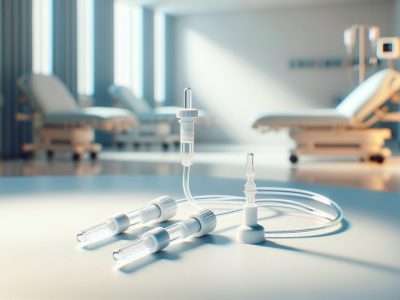
Picture facing a medical situation where precise care hinges on the smallest details. Two devices, similar in appearance but vastly different in function, could make all the difference: the NG (nasogastric) tube and the NJ (nasojejunal) tube. While they might seem interchangeable at first glance, their purposes and placements cater to distinct needs that can significantly impact patient outcomes.
Understanding these differences isn’t just about medical jargon—it’s about knowing how each tool supports nutrition, treatment, and recovery. Whether you’re navigating this as a caregiver or simply curious about modern healthcare techniques, unraveling what sets these tubes apart can demystify an essential aspect of patient care.
Understanding Ng Tubes
Nasogastric (NG) tubes are thin, flexible medical devices inserted through the nose into the stomach. They’re commonly used in healthcare for various diagnostic and therapeutic purposes.
What Are Ng Tubes?
Ng tubes refer to small-diameter tubes designed to provide temporary access to a patient’s gastrointestinal tract. These tubes allow the delivery of nutrition, medications, or fluids while also serving as a means to remove gastric contents when necessary.
For instance, NG tubes can be composed of polyurethane or silicone materials due to their flexibility and biocompatibility. Standard sizes typically range from 6 Fr (French gauge) for infants up to 18 Fr for adults.
Common Uses Of Ng Tubes
You might encounter NG tube usage in diverse clinical scenarios:
Nutritional Support: Patients unable to eat orally may receive enteral feeding through an NG tube.
Medication Administration: Liquid medications can be delivered directly into the stomach.
Gastric Decompression: Removing gas or digestive contents in cases like bowel obstruction is another frequent application.
Diagnostic Procedures: Sampling gastric fluid helps diagnose conditions such as GI bleeding or infections.
For example, an individual recovering from surgery might require decompression via an NG tube if intestinal motility has temporarily slowed down.
Placement And Procedure Of Ng Tubes
Healthcare professionals insert NG tubes following strict procedural steps:
Measure the appropriate length using anatomical landmarks—tip of the nose, earlobe, and xiphoid process.
Lubricate the distal end before advancing it gently through one nostril toward the stomach.
Confirm placement using methods like auscultation or X-ray imaging.
Improper positioning could lead to complications such as aspiration pneumonia if gastric contents enter respiratory pathways instead of remaining within digestive structures.
Risks And Complications Of Ng Tubes
Although useful tools in patient management, NG tubes carry potential risks:
Irritation Or Trauma: Nasal passages and throat tissues may experience discomfort during prolonged use.
Aspiration Risk: Misplacement increases chances that food particles reach lungs rather than digestively processing them appropriately first-handily (sic).
Nasojejunal (NJ) tubes are specialized medical devices designed for patients requiring precise delivery of nutrition or medication to the small intestine. These tubes bypass the stomach, making them ideal in specific medical conditions.
What Are Nj Tubes?
NJ tubes are thin, flexible feeding tubes inserted through the nose and passed down into the jejunum, a part of the small intestine. They differ from NG tubes by extending further into the gastrointestinal tract. Their design minimizes gastric involvement, which is crucial when stomach use isn’t feasible due to illness or injury.
NJ tubes typically include radiopaque markers for placement verification and have smaller diameters than NG tubes to reduce discomfort during insertion.
Common Uses Of Nj Tubes
NJ tubes provide targeted nutritional support when gastric feeding isn’t an option. Patients with severe reflux, gastroparesis, or risk of aspiration often benefit from NJ tube placement. They’re also used post-surgery or in individuals with pancreatic disorders where stomach feeding could worsen symptoms.
For example, a patient recovering from esophageal surgery might need direct jejunal feeding to promote healing without irritating surgical sites.
Placement And Procedure Of Nj Tubes
The NJ tube placement involves inserting it through your nostril and guiding it down to your small intestine under fluoroscopic or endoscopic guidance. Correct positioning gets verified using imaging techniques like X-rays before initiating feeds.
Preparation includes measuring tube length based on anatomical landmarks and lubricating its distal end for smoother advancement. Healthcare providers monitor closely during insertion to avoid complications such as coiling within nasal cavities.
Risks And Complications Of Nj Tubes
Complications associated with NJ tubes include nasal irritation, tube dislodgement, bowel perforation in rare cases, and potential blockage over time if poorly maintained. Misplacement risks exist but decrease significantly with proper procedural protocols like imaging confirmation.
Patients may experience discomfort initially; but adjustments in care can alleviate issues effectively while ensuring optimal therapeutic outcomes.
Key Differences Between Ng And Nj Tubes
Indications For Use
NG tubes primarily support patients needing short-term access to the stomach for feeding, medication delivery, or gastric decompression. These are often used in cases like swallowing difficulties, temporary bowel rest, or to remove stomach contents for diagnostic purposes. For example, a patient recovering from abdominal surgery may require an NG tube to prevent vomiting and manage gastric pressure.
NJ tubes serve patients who need direct nutrition or medication delivery into the small intestine, bypassing the stomach entirely. Conditions such as severe reflux disease, gastroparesis (delayed stomach emptying), or pancreatic disorders often necessitate NJ tube placement. Patients with high aspiration risk during gastric feeding also benefit from NJ tubes.
Placement Techniques
Inserting an NG tube involves guiding a lubricated tube through the nose into the stomach while monitoring patient comfort. Proper placement is confirmed using auscultation (listening for air insufflation sounds) or imaging techniques like X-rays.
NJ tube placement is more complex and requires advanced medical equipment. The procedure involves threading the tube through the nasal passage into the jejunum under fluoroscopic (X-ray) guidance or endoscopy for precise positioning. This ensures safe and effective nutrient delivery without complications like misplacement in the lungs.
Feeding And Drainage Functions
NG tubes allow dual functionality: administering nutrients/medications and draining gastric contents when needed—for instance, if a patient experiences intestinal blockage causing bile accumulation in their stomach.
NJ tubes focus solely on delivering nutrients and medications directly into the jejunum. They don’t help drainage functions because they’re designed to bypass areas of digestive dysfunction like an impaired stomach due to surgery-related issues or chronic conditions.
Risks And Long-Term Considerations
NG tubes carry risks such as nasal irritation, sinus infections from prolonged use, aspiration pneumonia if misplaced into airways, and potential esophageal damage over time due to friction against mucosal linings.
Choosing Between Ng And Nj Tubes
Selecting between NG and NJ tubes depends on specific patient conditions, medical goals, and procedural requirements. Each tube serves distinct purposes in clinical care.
Factors Influencing The Choice
Patient condition determines the type of tube to use. For example, NG tubes are suitable for patients needing short-term gastric access for feeding or decompression, while NJ tubes are better for those with severe reflux, gastroparesis, or post-surgical needs requiring small intestine feeding.
Purpose plays a crucial role. Use an NG tube if the goal includes stomach decompression or temporary nutritional support. Opt for an NJ tube when bypassing the stomach is necessary due to conditions like delayed gastric emptying.
Procedure complexity varies significantly. Placing an NG tube involves simpler bedside techniques with minimal equipment, but inserting an NJ tube requires advanced imaging like fluoroscopy or endoscopic guidance to ensure accurate placement.
Risk assessment is essential. Misplacement risks differ; aspiration is more common with NG tubes due to proximity to lung pathways, whereas bowel perforation—though rare—is associated with NJ tubes during insertion.
Medical Guidance And Recommendations
Healthcare professionals follow established protocols and evidence-based practices when choosing between these devices. Guidelines from organizations like the American Society for Parenteral and Enteral Nutrition (ASPEN) emphasize individualized patient evaluation based on clinical indications and anatomical considerations.
Multidisciplinary input enhances decision-making. Consult gastroenterologists or nutritionists if there’s uncertainty about which device suits a patient’s needs best. For instance, in cases of gastroparesis where oral intake isn’t possible but reflux risk exists, experts often recommend NJ over NG placement.
Conclusion
Understanding the distinctions between NG and NJ tubes is crucial for ensuring optimal patient care and safety. Each tube serves a unique purpose, tailored to specific medical needs, making it essential to evaluate individual conditions before choosing the appropriate option.
By familiarizing yourself with their uses, placement techniques, and potential risks, you can contribute to better outcomes in clinical settings. Proper management and adherence to established guidelines are key to minimizing complications and maximizing therapeutic benefits.
To provide the best experiences, we use technologies like cookies to store and/or access device information. Consenting to these technologies will allow us to process data such as browsing behaviour or unique IDs on this site. Not consenting or withdrawing consent, may adversely affect certain features and functions.
Functional
Always active
The technical storage or access is strictly necessary for the legitimate purpose of enabling the use of a specific service explicitly requested by the subscriber or user, or for the sole purpose of carrying out the transmission of a communication over an electronic communications network.
Preferences
The technical storage or access is necessary for the legitimate purpose of storing preferences that are not requested by the subscriber or user.
Statistics
The technical storage or access that is used exclusively for statistical purposes.The technical storage or access that is used exclusively for anonymous statistical purposes. Without a subpoena, voluntary compliance on the part of your Internet Service Provider, or additional records from a third party, information stored or retrieved for this purpose alone cannot usually be used to identify you.
Marketing
The technical storage or access is required to create user profiles to send advertising, or to track the user on a website or across several websites for similar marketing purposes.