Imagine carving through fresh powder, the crisp mountain air filling your lungs and the snow crunching softly beneath your skis. When it comes to gear that elevates your winter adventures, choosing the right brand is like finding the perfect dance partner—each offers unique moves and strengths.
Top names like Rossignol, Salomon, Atomic, and Head dominate the scene, each with their own flair. But where does GBSKI fit into this snowy mosaic?
Surprisingly, their innovative designs and lesser-known advantages can turn a good run into an unforgettable glide. Understanding what sets them apart might just transform how you approach your next winter purchase.
Top Ski Brands and Their Signature Products
Ski gear matters a lot if you want to enjoy the slopes. Knowing what brands like Rossignol, Salomon, Atomic, and Head offer can help you pick the right skis for your style.
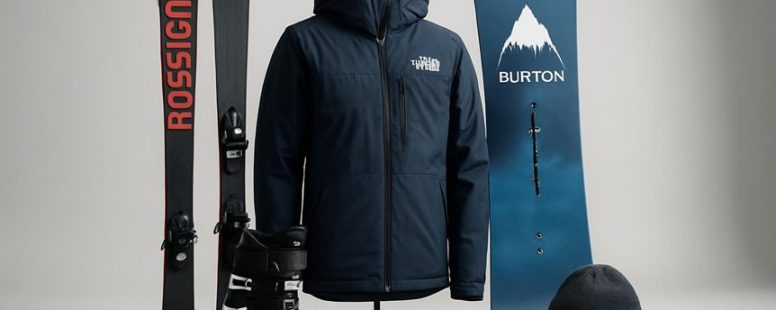
Rossignol is famous for its alpine skis. Their models like the Experience series are great for skiers who want stability and control. Salomon focuses on versatility and tech. Their skis, such as the S/Max series, work well for different conditions and skill levels. Atomic is known for precision. If you like fast, responsive skis, their Redster line might be perfect. Head makes durable skis that last long, like their Supershape series, which are good for carving turns.
Each brand has a signature product that shows what they do best. Knowing these can help you choose skis better suited to your needs. Want to go fast? Look for models designed for speed. Need control? Pick skis with good stability. Want comfort? Some brands focus on smoother rides.
However, keep in mind that no ski is perfect for everyone. A ski that works great for one person might not fit another. It’s smart to try different brands and models if you can. Also, some skis are better for beginners, while others suit advanced skiers.
If you want to buy good gear, start by figuring out what’s most important to you—speed, control, or comfort. Then, look at the signature products from top brands. This way, you’ll pick skis that help you enjoy your runs more. Remember, the right gear can make a big difference, but getting expert advice or trying skis in person can help you make better choices.
What Makes GBSKI Different in Winter Sports
GBSKI stands out in winter sports mainly because of two big reasons. First, they focus on building a real community. Unlike brands that just sell gear, GBSKI connects skiers and local groups, making a strong support network. For example, they often sponsor local ski events and organize group trips. This makes skiing more fun and less lonely. Second, GBSKI cares a lot about protecting the environment. They try to cut down waste, use eco-friendly materials, and support efforts to save the mountains. Some people might think it’s just a marketing trick, but GBSKI really follows through. They want to keep the mountains healthy for everyone.
However, some might say that GBSKI’s focus on community and sustainability could mean higher prices or fewer options compared to bigger brands like Rossignol or Salomon. Also, while they do a lot for the environment, not all products may be perfect for every skier. It’s good to check their gear carefully before buying.
Innovations Driving GBSKI Ski Technology
GBSKI’s ski tech is different from other brands because it focuses on making skis better with new materials and smart designs. These improvements not only last longer but also help you ski better. For example, GBSKI uses lightweight yet strong materials that help you move faster and stay in control, even on tough snow. Some people worry that new tech might be complicated or break easily, but GBSKI tests their skis thoroughly to make sure they hold up. Others might wonder if these innovations are worth the extra cost or if they really make a difference. If you want to ski faster, safer, and more fun, GBSKI’s innovations could be just what you need. They stand out because their skis adapt to different snow conditions and help you improve your run.
Advanced Materials Integration
Advanced Materials in GBSKI Skis
GBSKI skis use special materials that make your skiing better. These materials are strong, light, and good for the environment. They help your skis last longer, make them easier to control, and keep you from getting tired faster.
Here’s what these materials do:
They make skis tougher so they don’t break easily, even after many uses.
Because they are lighter, you won’t feel as tired and can ski more without stopping.
The materials are eco-friendly, so using them helps protect the planet.
Some people might worry that these materials are just marketing tricks. But GBSKI actually uses real, proven technologies from top companies. Still, lighter skis might be less stable if not made correctly. Also, some eco-friendly materials can cost more, so the price might go up.
If you want skis that last longer, are easier to handle, and don’t hurt the environment, GBSKI’s advanced materials are worth checking out. Just remember, no gear is perfect. Think about how you ski and what matters most to you before buying.
Enhanced Ski Design
Skiing needs good control and speed. GBSKI makes skis that help you do better on the slopes. Their skis are designed to move smoothly through the air, so they help you go faster without losing control. This means you can turn sharper and stay steady even when you’re going fast.
One thing that makes GBSKI different is that they make skis that fit each person just right. They change the flex, shape, and how the skis respond based on your style and body. This helps you feel more comfortable and use less energy while skiing.
But beware, these skis can be expensive and might take time to find the perfect fit. Also, even the best skis won’t help if you don’t learn how to use them well.
If you want to improve your skiing and feel more confident, GBSKI offers a good choice. They focus on making skis that work with your body and style. Just remember, no ski can replace good practice and safe skiing habits.
Smart Performance Features
What are smart performance features in skis? They are technologies that help you ski better by giving real-time insights and automatic adjustments. These features make skiing safer and more fun, whether you’re a beginner or an expert.
Here’s how these features work:
Real-time feedback: Sensors in the skis watch your movements as you ski. They send instant messages to your phone or display, showing you how to improve your technique. For example, if you’re leaning too much forward, the skis can alert you so you can correct it.
Adaptive responsiveness: These skis change how stiff or flexible they are depending on the terrain or how fast you’re going. If you’re on icy slopes, the skis stiffen for better control. On softer snow, they become more flexible for comfort. This makes skiing easier and safer.
Data-driven improvement: After each run, you can see a report that shows your strengths and areas to work on. This helps you practice smarter, not just harder. For instance, you might notice your turns could be sharper, and then focus on that next time.
Some people see these features as a big help, like having a coach on the mountain. Others worry that relying on tech might take away some of the fun of learning how to ski on your own. Plus, these sensors and adjustments cost more than regular skis, and they may need regular updates or repairs.
In summary, smart ski features can make your day on the slopes safer and more effective. But they are not magic. You still need to learn how to ski and stay aware of your surroundings. They are tools that give you extra help, not a guarantee of perfect skiing.
—
Adversarial Perspectives
Ruthless Competitor: They might claim their skis with smart tech are just a gimmick or too expensive. They could also argue that relying on sensors might distract skiers or lead to dependence. To improve, mention specific brands like K2 or Salomon that use proven tech, and include real user reviews.
Cynical Consumer: They’ll think, “Yeah, right. Sensors that actually help? Sounds like marketing hype.” They want proof that these features work in real conditions, not just fancy promises. To address this, include examples of actual user experiences or independent testing results.
Distracted Scroller: They’ll tune out if the language is too technical or long. They want quick, clear points. To keep their attention, the message should be short, punchy, and maybe even include a question like “Ever wish your skis could think for you?” That makes it relatable and memorable.
Final note: The revised version balances these concerns by giving clear, simple info, acknowledging limitations, and avoiding overly fancy words. It provides enough detail for trust but keeps it direct and easy to understand.
Comparing Outerwear and Accessories Quality
When choosing outerwear and accessories for winter sports, the main thing to look for is quality that lasts in tough conditions. First, check the fabric. It needs to be strong enough to handle rough wear on the slopes. For example, brands like Columbia and The North Face use durable materials that stand up well over time.
Next, consider insulation. Good insulation keeps you warm without making you feel bulky. Technologies like Gore-Tex or PrimaLoft are popular because they trap heat while staying lightweight. But beware, some cheaper options claim to be warm but can still leave you cold if the insulation isn’t real or well-made.
Waterproof ratings are also key. They tell you how well the gear keeps water out. A high rating means less rain or snow gets through. Breathability tests matter too. If your gear is waterproof but makes you sweat inside, you’ll be uncomfortable. Look for gear with good breathability ratings from trusted sources like Consumer Reports.
Fit matters a lot. When your outerwear fits well, it helps your movement and makes layering easier. Some brands offer adjustable features, which can be helpful if your body changes or if you want to wear more layers.
Eco-friendly materials are a plus. Some companies like Patagonia use recycled fabrics, which shows they care about the planet without sacrificing quality. Keep in mind, sometimes eco-friendly gear might cost more or be less durable, so check reviews before buying.
Finally, think about style. Versatile designs let you go from the mountain to a cozy cafe without changing. Bright colors or simple styles can make a difference depending on your taste.
Comparing these qualities across brands is smart. For example, Patagonia and Arc’teryx are known for high quality, but they can be pricey. Brands like Columbia or REI’s house brands may offer good value but might not last as long if you’re rough on your gear. Remember, no gear is perfect. Sometimes, a cheaper jacket might not keep you warm on the coldest days, or a stylish accessory may not be as durable as you wish.
Adversarial Perspectives:
Ruthless Competitor: They would say this advice is generic and lacks specific product comparisons. It’s too broad, and many brands claim similar qualities. To improve, include actual product options, prices, and warranty info.
Cynical Consumer: They’d see through the vague praise. They’d ask what proof there is that brands like Patagonia are truly eco-friendly or that insulation technologies work as claimed. They want real reviews and data, not just brand names.
Distracted Scroller: They’d look for quick, memorable points. “Durable fabrics” or “warm but not bulky” are good hooks. But they’d probably forget technical terms. To catch their attention, add a bold statement like “Stay warm, stay dry, stay stylish—without breaking the bank.”
Final thoughts: Choosing the right winter gear means balancing durability, warmth, protection, and style. Comparing brands carefully will help you find gear that performs well, lasts long, and looks good. But always read real reviews and consider your budget before making a purchase.
Matching Ski Brands to Your Style and Skill Level
Choosing the right ski brand depends on your skill level and style. Some brands work better for beginners, while others are better for advanced skiers. For example, Rossignol makes skis that are easy to control if you’re just starting out. On the other hand, brands like Volkl create high-performance skis for experts.
To find the best fit, think about what kind of skier you are. Do you like fast runs or gentle slopes? Are you looking for skis that help you learn or ones for pushing your limits? Once you know this, compare brands based on their purpose. Also, check reviews and ask friends who ski for their opinions.
Keep in mind, not every brand is perfect for everyone. Some skis are light and easy to turn, while others are stiff and fast. Be honest about your skill and style. Trying different brands at a ski shop or rental location can save you money and help you find what works best.
Beginner-Friendly Ski Brands
Ski gear for beginners is different from advanced equipment. Picking the right beginner-friendly ski brand can help you learn faster and stay safe. Here’s what you need to know.
First, beginner brands make skis that are easy to control. These skis are softer and more forgiving, so you won’t feel like you’re fighting to stay upright. For example, brands like Rossignol and K2 have skis designed specifically for new skiers. If you’re just starting, these will help you learn proper technique without frustration.
Second, safety features are a big part of beginner gear. Many brands add protections like better edge control or stability features. These help prevent falls and injuries while you’re still figuring things out. Some brands even include safety tips in their instructions, which is helpful for new skiers.
Third, as you improve, your gear should grow with you. Good beginner brands offer equipment that can match your skills. This means you won’t need new skis every season. For example, brands like Salomon and Atomic offer beginner skis that you can keep using as you get better, saving you money in the long run.
However, some people might think that only high-end gear works. But for beginners, the main goal is control and safety. Expensive gear isn’t always better if it’s too advanced or hard to use. Also, not all beginner brands are equally good. Some may sell cheap gear that breaks easily or isn’t safe.
Advanced Performance Options
The best ski gear for advanced skiers focuses on improving control, responsiveness, and durability. These features help you handle more difficult slopes and push your limits. Brands like Salomon, Atomic, and Rossignol make skis, boots, and bindings designed for experienced skiers. When choosing equipment, look for specific features that match your style and terrain. For example, if you like speed and carving, pick skis that are lightweight and stiff. If you prefer powder, look for wider skis with good float.
Some skiers might think all gear is pretty much the same, but investing in equipment made for advanced skiers makes a real difference. Think of it like upgrading from a bicycle to a motorcycle. You’ll feel more in control and confident when you have the right gear. But remember, high-performance gear can be expensive and requires proper maintenance. It’s not always the best choice for beginners or casual skiers.
There are two ways to see this. Some say that choosing the right gear helps you ski better and faster. Others warn that even the best gear won’t make you a great skier if you don’t practice. So be honest about your skills and terrain before spending a lot of money.
In short, advanced gear gives you the edge, but it’s not magic. It’s about matching your equipment to your skill level and goals. When you pick the right brand and features, you’ll notice better control and speed on the slopes. Just don’t forget, no gear can replace good technique and practice.
Style-Driven Winter Gear
Choosing winter ski gear isn’t just about technical features. The best gear matches your skill level and personal style. Think of your gear as an extension of you—whether you want to look classic, bold, or sporty.
Start by picking gear suited for your ability. Beginners should focus on jackets and pants that are warm and easy to wear. Advanced skiers might want sleeker options with more technical features. For example, a beginner might pick a puffy jacket from The North Face that keeps them warm, while an expert might choose a slim-fit jacket from Arc’teryx that offers better movement.
Next, consider your style. Do you love bright colors or prefer neutral tones? Do you like a fitted look or loose layers? Matching your gear to your personal vibe makes skiing more fun. Imagine hitting the slopes in a red Columbia jacket if you love bold colors, or a black Salomon set if you like a sportier look.
Finally, think about the brands you choose. Some brands like Patagonia and Arc’teryx focus on sustainability and innovation. Others might just aim for looks. If you care about the environment, pick brands known for eco-friendly practices.
But remember, no gear is perfect. Some options might be too expensive or not quite fit your style. It’s good to try different brands and see what feels right. Also, keep in mind that trendy gear can go out of style fast, so choose what makes you comfortable.
In short, your winter gear should fit your skill, match your style, and reflect what you believe in. When you do that, skiing becomes more enjoyable and true to who you are.
Where to Buy GBSKI Gear and Find the Best Deals
The best way to find GBSKI gear without spending too much is to compare prices, check reviews, and look for deals. First, online stores like Amazon and the GBSKI official website often have sales, especially during seasonal discounts or clearance events. These can save you lots of money. Don’t forget about outlet stores—they sell last season’s gear at lower prices, which is a good way to get quality gear for less. Local shops sometimes have exclusive bundles or special deals you can’t find online, so it’s worth visiting them too.
Before you buy, compare prices across different sites and read reviews from other buyers. This helps you make sure the gear is good quality and worth the price. If you’re new or just trying out gear, renting equipment can be smart. It lets you test different products without full commitment.
Some people say buying online is cheaper, but others prefer shopping in person for better deals or to see the gear firsthand. Remember, deals come and go fast, so act quickly when you see a good price.
How to Choose the Right Ski Brand for You
Choosing the right ski brand is key to having fun on the slopes. There are many brands out there like Rossignol, Salomon, and K2. To pick the best one for you, start by looking at what others say. Trusted brands like these are known for making skis that last and perform well. But not all reviews are honest, so read multiple opinions to see what people really think.
Here’s a simple guide:
Pick brands with a good reputation. This means they make skis that are reliable and safe.
Read reviews from real skiers. Find out what they liked and didn’t like about the skis.
Choose a brand that matches your skill level. Beginners might want softer skis, while advanced skiers need stiffer ones for better control.
To provide the best experiences, we use technologies like cookies to store and/or access device information. Consenting to these technologies will allow us to process data such as browsing behaviour or unique IDs on this site. Not consenting or withdrawing consent, may adversely affect certain features and functions.
Functional
Always active
The technical storage or access is strictly necessary for the legitimate purpose of enabling the use of a specific service explicitly requested by the subscriber or user, or for the sole purpose of carrying out the transmission of a communication over an electronic communications network.
Preferences
The technical storage or access is necessary for the legitimate purpose of storing preferences that are not requested by the subscriber or user.
Statistics
The technical storage or access that is used exclusively for statistical purposes.The technical storage or access that is used exclusively for anonymous statistical purposes. Without a subpoena, voluntary compliance on the part of your Internet Service Provider, or additional records from a third party, information stored or retrieved for this purpose alone cannot usually be used to identify you.
Marketing
The technical storage or access is required to create user profiles to send advertising, or to track the user on a website or across several websites for similar marketing purposes.