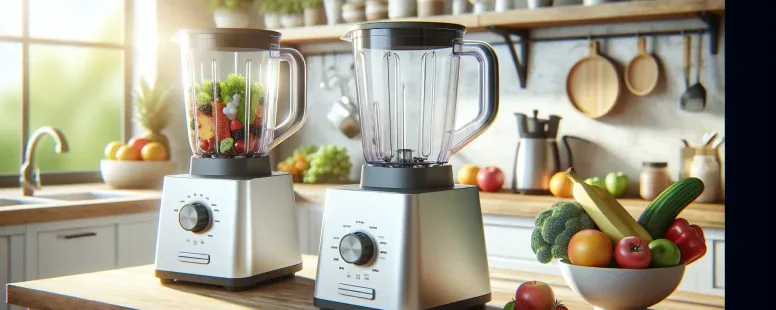
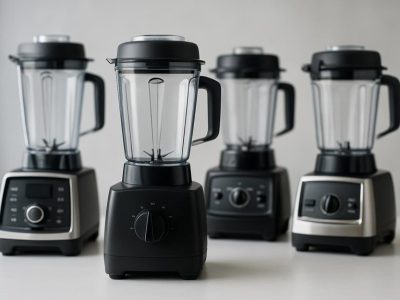
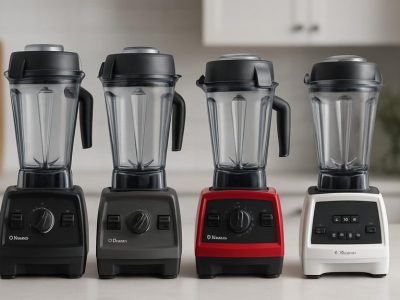
Picture waking up to the vibrant hum of your kitchen, ready to whip up a smoothie that bursts with fresh flavors and nutrients. But which blender will get you there faster and with less mess—the sleek NutriBullet or the powerful Ninja? Both promise to transform your ingredients into silky blends, yet each boasts unique features that could make all the difference in your daily routine.
Choosing the right blender isn’t just about speed or power; it’s about how it fits into your lifestyle, your kitchen space, and your health goals. Whether you crave quick shakes or chunky salsas, understanding what sets these two kitchen giants apart can elevate your blending game—and your taste buds. Let’s jump into the details that make one stand out over the other.
Overview of Nutribullet and Ninja Blenders
Choosing between NutriBullet and Ninja means understanding what each blender brings to your kitchen. Both brands focus on blending efficiency, but they take different routes to reach your perfect smoothie or meal prep.
Key Features of Nutribullet
NutriBullet emphasizes simplicity and health-focused blending. Its compact design fits into smaller kitchens, making it ideal if space is limited. Nutrient extraction stands out as a main selling point. The strong cyclonic action pulverizes fruits, veggies, and nuts to release vitamins and minerals bound within cell walls—a feature especially meaningful for health-conscious users. Models like the NutriBullet Pro 900 feature 900 watts of power and extractor blades designed for pulverizing whole foods in seconds. The user-friendly cup design doubles as a drinking vessel, eliminating the need for extra dishes. If you want to blend single servings quickly, NutriBullet answers this call without fuss. But, it lacks larger pitcher options if you need to make family-sized batches.
Key Features of Ninja
Ninja blenders cater to versatility and power, making them a favorite for complex blending tasks beyond smoothies. Their multiple blade assemblies and higher wattage motors—many models reaching 1,000 watts or more—deliver superior ice crushing and thick blending capabilities, great for frozen drinks, soups, and nut butters. With pitcher sizes ranging from 64 to 72 ounces, Ninja suits meal prepping for groups or batch cooking. Its True Blade Technology prevents food from sticking, unlike some blenders that leave chunks behind. The Auto-iQ programs automate blending patterns, meaning you press a button and let the blender choose the best settings—perfect for multitasking home cooks. But the larger footprint demands more counter space, sometimes challenging for compact kitchens.
Feature
NutriBullet
Ninja
Power
600–1200 watts (models vary)
900–1200+ watts
Blade Type
Extractor blades (cyclonic design)
True Blade technology (multiple blades)
Container Size
18–32 ounces single-serving cups
64–72 ounces pitchers
Special Programs
Manual control
Auto-iQ preset blending cycles
Best For
Quick nutrient extraction, small servings
Versatile tasks, large batches
Space Required
Compact
Larger footprint
You might wonder if the quieter, more straightforward NutriBullet wins for daily quick blends, or if Ninja’s brute strength and bulk prove unmatched in versatility. If you blend mostly for yourself or a partner, NutriBullet’s minimal cleanup appeals. But, if batch cooking or diverse recipes are your habits, Ninja commands the advantage.
Reflect on how your blending style affects your choice. Does your kitchen demand a space-saving appliance that produces nutrient-rich drinks swiftly? Or do you need a powerful machine handling everything from smoothies to sauces? Understanding what matters most to your routine unlocks greater satisfaction and efficiency in the kitchen, turning blending from chore to joy.
Performance Comparison
Understanding how NutriBullet and Ninja perform helps you choose the blender that fits your lifestyle best. The differences in power, usability, and durability define which blender might suit your kitchen needs.
Blending Power and Efficiency
NutriBullet uses a 600 to 1200-watt motor, focusing on high-speed nutrient extraction perfect for smoothies, shakes, and purees. The blade design in NutriBullet, made for breaking down seeds, stems, and skins, ensures precise nutrient release without over-processing. Ninja offers motors from 900 to 1500 watts, delivering extra power for tougher ingredients like ice and frozen fruits. The Auto-iQ technology in Ninja blends intelligently, adjusting speeds and pulsing patterns to complete tasks efficiently. If your blending involves a variety of textures, Ninja’s power handles more diverse recipes better; if you want nutrient-rich smoothies fast and simple, NutriBullet excels. According to a Consumer Reports study, Ninja models generally outperform in crushing ice and frozen items, while NutriBullet scores higher in nutrient extraction capabilities.
Ease of Use and Cleaning
NutriBullet’s design focuses on simplicity—you twist the cup onto the base, press down to blend, and twist off for drinking or cleaning. This streamlined process minimizes buttons and confusions, making it easy for beginners or quick use. Ninja blenders, with multiple speed settings and buttons, offer more control but require a learning curve. Cleanup for NutriBullet is often faster, with fewer parts to wash and dishwasher-safe cups. Ninja’s larger pitchers and multiple attachments need more attention but provide versatility for chopping, blending, and food processing. If your priority is convenience and minimal effort, NutriBullet’s user-friendly design wins; if you want multifunctional tools and don’t mind extra cleaning, Ninja delivers. Real users report NutriBullet takes about 2-3 minutes for post-use cleanup, whereas Ninja models may need 5-7 minutes depending on parts used.
Durability and Build Quality
NutriBullet’s compact base and durable plastic cups handle daily blending but might show wear with heavy use over years. The motor longevity aligns with moderate use, suitable for personal or small family kitchens. Ninja’s heavier build, robust pitchers made of BPA-free plastic, and motors designed for frequent heavy-duty blending adapt to larger households and more rigorous tasks. Customer reviews on retail sites highlight Ninja’s solid performance in long-term use but mention occasional leakage issues with some pitcher lids. NutriBullet’s warranty periods usually span 1 year, while Ninja offers 1-2 years depending on the model. Choosing a blender also depends on how often you plan to use it and what recipes you craft—heavy users may favor Ninja’s resilience, whereas light to moderate users benefit from NutriBullet’s efficiency and compact design.
Keep in mind: testing different models can reveal nuanced preferences based on how you integrate the blender into your routine. The choice isn’t just about power or features but about shaping your blending experience for better health and flavor.
Versatility and Functionality
Choosing between NutriBullet and Ninja means looking beyond power; you need a blender that adapts to your kitchen demands and recipe ideas. Both brands offer unique benefits that shape how you blend, chop, and mix ingredients for varied meals.
Available Attachments and Accessories
NutriBullet includes a simple range of attachments such as single-serve cups and flip lids, perfect for quick smoothies or on-the-go drinks. These attach directly to the base, simplifying the blending process with fewer parts to worry about. Ninja, conversely, features a broader array of accessories including large pitchers, food processor bowls, and specialized blades designed for crushing ice, dough mixing, and even chopping. This extensive toolkit allows you more creative freedom to experiment with recipes beyond smoothies. If your kitchen demands flexibility and multi-functionality, Ninja accessories offer strong advantages, but if you prefer minimal setup and faster cleanup without numerous parts, NutriBullet keeps it efficient.
Suitable Recipes and Use Cases
NutriBullet shines when you want nutrient-dense smoothies, green juices, or single-serve shakes, ideal for busy mornings or post-workout nutrition. Its nutrient extraction power ensures fruits, vegetables, and seeds break down finely, maximizing vitamin and mineral availability. Ninja excels at handling tougher tasks like crushing ice for frozen drinks, pureeing soups, or even preparing dough mixes. Picture making a creamy avocado soup or homemade nut butter with the same machine. Your choice depends on your usual recipes: if you lean towards simple, health-focused blends, NutriBullet fits your routine; if you like to explore complex dishes or batch preparations, Ninja’s multifunctionality suits you better.
The validation of these features comes from user reviews and culinary tests posted on expert appliance sites like CNET and Consumer Reports. They highlight that Ninja’s larger pitchers accommodate family-sized meals, while NutriBullet caters best to individual portions. Deciding which blender supports your culinary creativity relies on balancing your daily needs and curiosity for kitchen experiments.
Eventually, embrace a blender that enhances your lifestyle rather than complicates it. Ask yourself: do you want one tool for everything or a streamlined device for specific tasks? That’s the difference in versatility and functionality touching NutriBullet and Ninja, influencing your kitchen efficiency and joy of cooking.
Price and Value for Money
You want a blender that fits your budget while delivering strong performance for your kitchen needs. Both NutriBullet and Ninja offer options across various price points, but understanding the cost in relation to features and durability clarifies which blender invests better in your daily blending rituals.
Cost Comparison
NutriBullet models generally start lower on the price scale, with popular base versions priced between $50 and $100. These models target individuals who blend smoothies and shakes regularly but don’t require extra capacity or power. For example, the NutriBullet Pro 900, at around $90, packs a 900-watt motor suited for nutrient extraction but lacks the multi-functionality found in pricier options. In contrast, Ninja blenders typically range from $80 to over $200, reflecting broader versatility and heavier-duty motors. The Ninja Professional Blender with a 1000-watt motor usually hits the mid-$100s but can crush ice and tougher ingredients better, which might save you money by replacing other appliances.
Even though NutriBullet’s affordability, Ninja’s investment pays off if you often prepare family-size recipes or complex blends requiring different speeds and programs. Even if you’re on a tight budget, consider that spending a bit more on Ninja means fewer appliance swaps later, increasing your value for money over time.
Blender
Price Range
Motor Power
Ideal Use
NutriBullet
$50–$100
600–1200 watts
Single servings, nutrient extraction
Ninja
$80–$220+
900–1500 watts
Versatile blending, large portions
Warranty and Customer Support
Warranty terms reveal the manufacturer’s confidence in build quality and influence post-purchase satisfaction. NutriBullet typically offers a one-year warranty covering defects and motor issues. Although this covers most immediate concerns, its limited coverage period might require you to act fast if problems emerge. On the other hand, Ninja often provides a one- to two-year warranty, depending on the model, reflecting their design for robust, frequent use.
Customer support for NutriBullet centers primarily around online resources and email contact, which some users find less responsive during peak demand periods. Ninja’s support includes phone lines and extensive online troubleshooting guides, often garnering better reviews for timely problem resolution.
Picture you invest in a blender that performs brilliantly in the first few months but then faces motor failure just after the warranty expires—that can result in frustration and extra expense. Choosing Ninja, in this case, might grant peace of mind with longer protection, especially if your blending routine is demanding.
In evaluating NutriBullet against Ninja, you must balance upfront cost with long-term value, considering how often you blend, the volume of your recipes, and your patience for customer service. Which factor carries more weight for you shapes the ultimate value each blender holds in your kitchen.
User Reviews and Feedback
User reviews often reveal practical insights into how NutriBullet and Ninja perform in daily use. NutriBullet users praise its compact design and ease of operation, especially those who blend single-serve smoothies or quick shakes. Many note that it handles softer ingredients and leafy greens well, delivering smooth textures suitable for health-focused routines. But, some mention difficulty in blending tougher items like frozen fruit chunks or nut butters.
Ninja customers frequently highlight its powerful motor and versatility. Users report that it easily crushes ice and processes hard ingredients, making it ideal for diverse recipes beyond smoothies, such as soups and doughs. The larger capacity pitchers accommodate family-sized portions, which appeals to households needing batch prep. Conversely, a few users find the multiple parts cumbersome to clean, leading to longer cleanup times.
Review aggregators like Consumer Reports and Amazon reveal satisfaction rates of approximately 85% for NutriBullet and 88% for Ninja, suggesting minor differences in user contentment. For example, one Amazon reviewer commented, “The NutriBullet is perfect for my small kitchen and quick morning smoothies, but I had to upgrade to Ninja when I started making frozen desserts and larger meals.” Another wrote, “Ninja’s power and attachments saved time in meal prep; the tradeoff is the extra cleaning work.”
You may appreciate NutriBullet if you prefer simplicity and speed with nutrient extraction, while Ninja suits those seeking multifunctionality and durability for heavier use. Consider whether you blend mainly soft fruits and greens or tougher ingredients like ice and nuts. User feedback shows that both brands fulfill specific kitchen needs effectively, but your lifestyle and blending habits will guide which suits you best.
Conclusion
Choosing between NutriBullet and Ninja comes down to what fits your lifestyle and kitchen needs best. If you want a compact, easy-to-use blender focused on nutrient-rich single servings, NutriBullet is a solid pick. But if you need power and versatility for a variety of recipes and larger batches, Ninja stands out.
Think about how you plan to use your blender daily, how much space you have, and what features matter most to you. Both brands offer great value, so your choice will shape how smoothly your blending routine goes. Eventually, picking the right blender means investing in a tool that makes your healthy habits easier and your kitchen more enjoyable.
To provide the best experiences, we use technologies like cookies to store and/or access device information. Consenting to these technologies will allow us to process data such as browsing behaviour or unique IDs on this site. Not consenting or withdrawing consent, may adversely affect certain features and functions.
Functional
Always active
The technical storage or access is strictly necessary for the legitimate purpose of enabling the use of a specific service explicitly requested by the subscriber or user, or for the sole purpose of carrying out the transmission of a communication over an electronic communications network.
Preferences
The technical storage or access is necessary for the legitimate purpose of storing preferences that are not requested by the subscriber or user.
Statistics
The technical storage or access that is used exclusively for statistical purposes.The technical storage or access that is used exclusively for anonymous statistical purposes. Without a subpoena, voluntary compliance on the part of your Internet Service Provider, or additional records from a third party, information stored or retrieved for this purpose alone cannot usually be used to identify you.
Marketing
The technical storage or access is required to create user profiles to send advertising, or to track the user on a website or across several websites for similar marketing purposes.