Which Is Better DC or Marvel? Exploring Origins, Heroes, Movies, and Fandoms
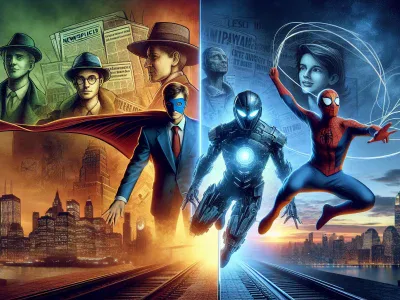
Picture yourself in a world where heroes soar above neon skylines and villains lurk in shadowy corners. You can almost feel the crackle of energy from Superman’s first flight or the pulse of adrenaline as Spider-Man swings through a bustling cityscape. The age-old debate between DC and Marvel isn’t just about comic books—it’s about the stories that shape your imagination and the legends that spark your sense of wonder.
What if choosing a side meant more than picking a favorite logo? Maybe you crave the brooding depth of Gotham’s streets or the witty banter echoing through Avengers Tower. There’s more at stake here than you might think—hidden benefits, unexpected twists, and a universe of possibilities waiting for you to explore. So which world captures your spirit and challenges your expectations? The answer might surprise you.
The Origins of DC and Marvel
Traces of origin stories spot the foundations of both DC and Marvel, like puzzle pieces scattered across decades of pop culture history. You walk through the city streets of the 1930s—the air thick with possibility—where Detective Comics (DC), with roots stretching back to 1934 and a fateful debut of Superman in Action Comics #1, 1938, started scripting legends that echo today. Why did Superman leap tall buildings? Because in a world battered by depression, hope took wing in blue tights and red cape.
Stan Lee and Jack Kirby, household names now, stormed onto the scene at Marvel’s birth as Timely Comics in 1939. You picture gritty newsstands—Spider-Man scrambling up Manhattan’s skyline, the Fantastic Four zipping through cosmic rays—how did these characters get so human, so flawed, so tangible? Maybe it’s the way Marvel’s golden era of the 1960s painted everyday struggles onto their heroes, breaking the old binary of good and evil.
Let’s compare two storytelling powers. DC’s worlds, often shrouded in myth and grandeur, ask what it means to be more than human. Batman broods over Gotham’s shadows, Wonder Woman strides out of Themyscira’s mist—these are archetypes, almost gods, facing fate’s riddles. Marvel, with its New York City heart, asks why power can be a burden: Peter Parker misses rent, Tony Stark’s genius turns against him, the X-Men face prejudice. These dualities shaped how you connect to each universe, the grammar of their tales threading through every origin issue.
Popular culture owes both universes a debt, as every blockbuster and Saturday morning cartoon traces lines back to these origins. Did you ever wondered why your favorite character means so much? Perhaps, it’s because their struggles, victories, and origin stories mirror the dependency grammar of your own life—where every choice, like every clause, builds meaning only in context. Referencing sources like The Comics Code (1954) and Sean Howe’s Marvel Comics: The Untold Story shows how real-life America influenced these narratives, adding fire to already blazing origin tales.
Ask yourself, if Superman and Spider-Man stood side by side, could their origins truly compete—or do theirs stories converge, weaving myth and medicine into the DNA of modern mythology?
Iconic Characters and Storytelling
Iconic characters and rich storytelling shape your perception of Marvel and DC. You see, both universes have crafted legends that continue to inspire, challenge, and entertain across generations.
Memorable Heroes and Villains
Iconic heroes and villains like Superman, Batman, and Wonder Woman dominate DC Comics’ landscape, each representing hope, justice, and truth in different ways. If you dig deep, Superman’s origin as the last son of Krypton establishes an immigrant metaphor, reflecting resilience and identity struggles (CNN, 2018). Batman’s crusade against Gotham’s darkness, stemming from trauma, has became a complex study in vengeance and morality. Wonder Woman, inspired by Greek mythology, embodies empowerment and compassion like few fictional figures.
Over in Marvel’s universe, Spider-Man stands out as the everyman hero; his struggles with responsibility echo real-world adolescence. Iron Man, fueled by guilt and genius, offers innovation and redemption with each arc. Black Panther, a symbol of heritage and leadership, expands the narrative into political intrigue and cultural pride (Smithsonian Magazine, 2018). Villains such as Joker and Thanos push both universes’ boundaries about chaos and fate. Could any character confront their nemesis without questioning their essence?
Story Arcs and World-Building
Mythic story arcs and multilayered worlds anchor Marvel and DC’s appeal. DC reinvents its cosmology with tales like “Crisis on Infinite Earths”, where reality collapses and heroes redefine fate, showing the fragility and complexity of their multiverse (DC Database, 2023). The “Flashpoint” storyline, twisting timelines, asks whether one choice can reshape everything.
Marvel crafts interconnected sagas—think the “Infinity Gauntlet”, where cosmic power strains the moral fiber of every hero, or the “Civil War” series, confronting personal freedom against collective safety. Through New York City’s neighborhoods, Marvel’s street-level stories, as chronicled in Daredevil and Luke Cage, explore community, justice, and corruption. why your favorite universe feels so real? The secret lies in continuity: both DC and Marvel build worlds not just through spectacle, but by layering character evolution, consequence, and societal commentary. That’s why, when you flip a page or watch a scene, you’re not just seeing a hero—you’re diving into an entire mythology.
Cinematic Universes Compared
DC and Marvel built their cinematic universes into cultural powerhouses, shaping global entertainment and fan conversations. You experience their legacies through blockbuster films and evolving TV series, each imprinting unique fingerprints on pop culture.
Box Office Success and Critical Reception
Analyzing the box office, Marvel’s Cinematic Universe (MCU) dominates with over $29 billion in global ticket sales as of 2023 (Box Office Mojo). Films like “Avengers: Endgame” ($2.79 billion) and “Black Panther” ($1.34 billion) became milestones, combining interconnected storytelling with critical acclaim. Critics frequently praise Marvel for blending humor, character arcs, and visual spectacle, which earned MCU films a weighted average of 84% on Rotten Tomatoes.
DC’s film journey led by Warner Bros. remains more varied. “The Dark Knight” trilogy, especially Christopher Nolan’s 2008 installment, drew both commercial success ($1.006 billion) and eight Oscar nominations, winning two. Later, the DC Extended Universe (DCEU) delivered hits such as “Aquaman” ($1.15 billion) and “Wonder Woman” ($822 million), but faced mixed reviews for tonal inconsistency and uneven continuity. Animated features like “Joker” (2019) stand out for artistic risk and accolades, including the Golden Lion at Venice (Variety).
| Franchise | Top-Grossing Film | Box Office (Billion $) | Critic Score (%) |
|---|---|---|---|
| Marvel | Avengers: Endgame | 2.79 | 94 |
| DC | The Dark Knight | 1.00 | 94 |
| DC | Aquaman | 1.15 | 65 |
| Marvel | Black Panther | 1.34 | 96 |
You might ask, “Does box office define greatness?” Yet, awards, audience longevity, and cultural impact challenge any single metric.
TV Series and Animated Content
DC animated TV dominates longevity and acclaim. “Batman: The Animated Series” (1992-1995) introduced iconic visuals and complex storytelling. Kevin Conroy’s Batman, Mark Hamill’s Joker, and Emmy-winning writing etched the show into animation history. The Arrowverse—anchored by “Arrow” and “The Flash”—created over 30 crossovers and eight successful series, putting superhero TV into mainstream schedules. The recent hit “Peacemaker” (HBO Max) mixes bold themes with irreverent humor, drawing praise for subverting genre tropes.
Marvel’s TV expansion began late, but series like “Daredevil” (Netflix) pulled you into gritty urban tales, earning loyal followings and critical appreciation for nuanced narratives and stunt choreography. With Disney+, Marvel now anchors its universe with “WandaVision”, “Loki”, and “Ms. Marvel”, all linking from film plots and receiving notable Emmy and Golden Globe attention. Animation entries like “What If…?” reimagine fan-favorite events, creating multiverse intrigue and broadening storytelling scope.
Compelling questions remain: “Will DC’s legacy in animation keep you invested over time?” “Can Marvel’s streaming strategy reshape audience expectations?” Choices often reflects what delivers most resonance—character intimacy, stylistic innovation, or narrative depth. Your own cinematic journey mirrors these universes, every new series or film drawing fresh possibilities from familiar mythologies.
Comic Book Legacy and Influence
Comic book legacy and influence shape perceptions of DC and Marvel. Iconic moments and bold innovations from both universes color your memories, sparking debates that echo through pop culture.
Major Events and Crossover Stories
Major crossover stories define a publisher’s legacy. DC’s “Crisis on Infinite Earths” (1985) shattered boundaries, rebooting the multiverse and erasing continuity, making room for new heroes and new hope. You can picture the ripple effect as the death of Supergirl or Barry Allen’s sacrifice becomes talking points on playgrounds and in online forums. DC later launched “Infinite Crisis” and “Flashpoint”, each rewriting rules, inviting you to question what heroism means when reality bends and resets.
Marvel’s crossover arcs, like “Secret Wars” (1984) and “Infinity Gauntlet” (1991), asked you to picture what might happen if villains and heroes faced cosmic threats on battleworlds, forging uneasy alliances. When Thanos snapped half of existence, fans gasped worldwide, blurring the lines between comics and movies. The X-Men’s “Age of Apocalypse” twisted familiar figures into something dark and unpredictable, whispering, What if everything changed? These events let you feel the stakes, reminding readers that no hero, no matter how iconic, is safe from fate or editorial change.
Both companies leverage crossover storytelling to unite worlds, create buzz, and offer spectacle. Did you find yourself longing to see Batman stand beside Iron Man—or picture what would happen if Spider-Man swung through Gotham? Rare crossovers like “JLA/Avengers” (2003) let fans glimpse the impossible, sparking dreams of shared universes beyond licensing walls.
Impact on Pop Culture
DC and Marvel impact pop culture by transforming language, fashion, and global identity. Superman’s S-shield became a symbol of hope, activism, and nostalgia, cropping up in disaster zones or graffiti murals from Metropolis, IL, to Manila. “I’m Batman”—a phrase you’ve probably said at least once—popped up from boardrooms to birthday parties, the cape inspiring confidence and the cowl, mystery. Wonder Woman’s lasso, emblem, and themes marched at rallies worldwide, tying the DC legacy to feminist movements.
Marvel’s impact, while once subtler, now saturates pop culture. You see kids in Spider-Man costumes or Iron Man tech at Comic-Cons; phrases like “With great power comes great responsibility” migrated from dialogue to everyday advice. In pop music, in memes, in slang—Marvel’s witty banter and flawed characters mirrored life, spawning sitcom parodies, TikTok soundbites, and endless Halloween screenshots.
Media convergence deepens their influence. From the 1978 “Superman” movie to the MCU’s overwhelming box office, both universes fueled Hollywood trends and technological advances. Disney, Warners, and streaming platforms race to adapt the next big saga—sometimes stumbling on tone, but always broadening reach. You see mural artists, sneaker designers, and thinkers using these mythologies to reframe cultural debates. What can you do with the lessons of resilience, identity, or sacrifice? For many, the answer is continue remixing DC and Marvel’s legacy into new art, new conversations, and new dreams.
| Major Crossover | Year | Publisher | Key Characters | Notable Impact |
|---|---|---|---|---|
| Crisis on Infinite Earths | 1985 | DC | Superman, Flash, Supergirl | Reset DC continuity, introduced multiverse concept |
| Secret Wars | 1984 | Marvel | Spider-Man, Avengers, X-Men | Inspired Black Suit Spider-Man, major alliances |
| Infinity Gauntlet | 1991 | Marvel | Thanos, Avengers, Cosmic Entities | Inspired MCU “Infinity Saga” |
| JLA/Avengers | 2003 | Both | Superman, Captain America | Iconic company crossover, cross-universe battles |
If you think about it, these legacies don’t just belong to big brands—they live in your stories, collections, and debates. Who’s your favorite? Why do you care? Comic book influence shapes not only what you see on screens and shelves, but how you see yourself in a universe of possibilities.
Fanbase and Community
Both DC and Marvel thrive because of energetic fanbase engagement—the lifeblood fueling these universes’ legacies. Across continents, conventions fill with fans in elaborate cosplay, streaming debates, and viral meme wars, showing just how much these stories matter to you and millions of others.
Fandom Diversity and Engagement
Each fandom forms a tapestry of ages, backgrounds, and identities. At Comic-Con International in San Diego, you might spot a six-year-old Wonder Woman giggling beside a group of teens choreographing Avengers battles. Social platforms like Reddit and TikTok bubbles with creators remixing Batman’s legend or dissecting Spider-Man’s moral choices. These digital spaces build connection through art, fan-fiction, and heated, often hilarious, discourse over plot twists.
Celebrity encounters and behind-the-scenes panels unite fans, creating community rituals. You can join DC’s DC Universe Infinite online hub, where collective reading events spotlight landmark stories like “The Killing Joke.” Marvel features its own “Marvel Unlimited” app, propelling conversations from “Civil War” plotlines to Ironheart’s new origins. Superhero fandoms bridges generational gaps—grandparents swaps trading cards with grandkids, friends impersonate Deadpool during midnight movie premieres, and educators uses Black Panther to explore themes about leadership.
Balance emerges in rivalry and camaraderie. Some fans quote Alan Moore, arguing that DC’s mythic tones reflects deeper existential queries. Others champion Stan Lee’s approach, where Marvel heroes stumble through real-world anxiety or prejudice. This constant push-pull shapes pop culture lingo, memes, and even costume trends during Halloween.
How do you figure out which tribe fits you best? Maybe you find solace in the gleaming optimism of Superman clans, or perhaps you vibe with the raw, outspoken energy pulsing through X-Men fandom. By listening to diverse voices and sharing your own perspective, you helps shape these worlds too. According to Pew Research (2023), 43% of U.S. teens identify as “superhero fans,” but less than half align exclusively with one universe, hinting at a mosaic of loyalties.
| Entity | Example/Platform | Type | Detail |
|---|---|---|---|
| San Diego Comic-Con | Convention | DC, Marvel | Cosplay, panels, fan meetups |
| Reddit, TikTok | Social Media | Fandom | Art, theory, memes |
| DC Universe Infinite | Online Community | DC | Reading clubs, digital comics, forums |
| Marvel Unlimited | Digital Platform | Marvel | Comics access, discussions, clubs |
| Pew Research (2023) | Statistics | Fandom Demographic | 43% U.S. teens = superhero fans |
Engagement means more than numbers—it’s about belonging and ownership. Who’d have thought a hashtag like #ReleaseTheSnyderCut could bend a studio’s will and bring a creative vision to life? In Marvel circles, you get wild “No Way Home” theories, sparking global watch parties and endless analysis. Each story brings new chances to connect, question, and celebrate within a powerful community forged by centuries-old legacies—and you gets to decide where your allegiance lies.
Which Is Better: DC or Marvel?
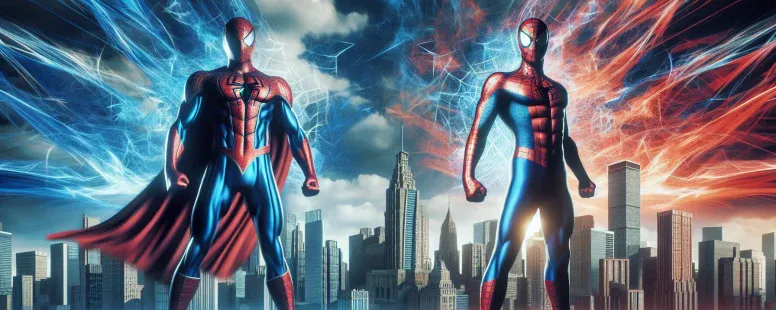
You face the kind of question that splits dinner tables, launches feverish debates, and lights up comic shop aisles from New York to Tokyo. It’s hardly just about capes and catchphrases. Think about Gotham’s rain-slicked alleys versus the friendly neighborhoods of Queens. DC gives you the brooding mythology of Batman while Marvel tosses you into the whirlwind anxiety of Peter Parker as Spider-Man. Can you really rank a symbol of hope against the everyman’s struggle?
Some fans claim Marvel’s cinematic universe wins the gold. Its movies, like “Avengers: Endgame”, smash records and dominate cultural hashtags (Statista, 2023). Others point out DC’s legacy, reminding everyone that “The Dark Knight” scored Best Supporting Actor at the Oscars. Someone might ask: would you rather swing with Spider-Man above the Manhattan skyline or stand beside Wonder Woman in Themyscira’s sun?
Think about Batman’s rogues gallery—the Joker, Two-Face, Poison Ivy. DC approaches villains like Greek tragedy, rooted in existential questions. Marvel counteracts with complexity, too—Magneto fighting for mutantkind, Thanos balancing the cosmos. If your heart leans toward flawed, human stories, perhaps Marvel resonates more. If you crave mythic grandeur, you might find DC’s symbolism calls louder.
Cosplayers flood conventions as Harley Quinn and Deadpool, their personas colliding in the chaos of fandom’s masquerade. Which do you choose when creativity pulls you? Do you echo the resonance of DC’s Justice League or Marvel’s Avengers when your friends gather for midnight debates?
Say, you consider the impact on language and daily life. Phrases like “with great power comes great responsibility” (Marvel) spar with “truth, justice, and a better tomorrow” (DC) in everyday dialogues (Oxford Languages, 2022). Symbols from both decorate backpacks, startup offices, and even city murals.
Maybe your answer shifts depending on the year—Marvel hurled to the front in 2018, according to Box Office Mojo, but DC’s animated series persist as foundational memories you share with your siblings. Fandom isn’t static—it’s a living city, with alleys, corners, and surprises you discover each time you open a comic or stream a film.
So, when you ask which is better, the answer won’t just fit inside a trivia box. It lives in the stories you pass down, the costumes you wear, and the allegiances you choose when the debate gets loudest. Is it Marvel’s flawed humanity or DC’s timeless heroism that creates your own mythology? That’s a universe you build, reader, one panel at a time.
Conclusion
Choosing between DC and Marvel isn’t just about picking a side—it’s about discovering which universe speaks to your sense of adventure, hope, or relatability. Both worlds offer endless opportunities for you to explore new stories, connect with iconic characters, and join a passionate community that celebrates creativity and imagination.
Your answer to which is better will always be personal, shaped by the heroes you admire and the journeys that inspire you. No matter where your allegiance lies, you’ll find that your connection to these stories is what truly makes them legendary.

- Best Tinkercad Alternative - September 22, 2026
- The Best Free Photoshop Alternatives for Photographers - September 22, 2026
- Best Ylvis Songs - September 22, 2026
by Ellie B, Site Owner / Publisher