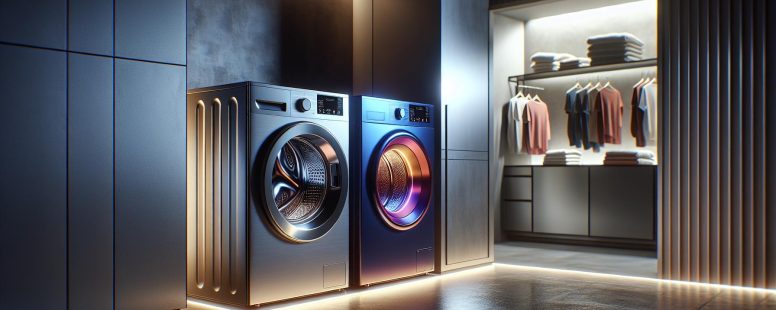
Choosing the perfect washing machine can feel like exploring a maze. With LG and Samsung leading the market, you’re left wondering which brand truly deserves a spot in your home. Both boast cutting-edge features, sleek designs, and promises of efficiency, but how do you decide which one aligns with your needs?
Imagine a machine that not only cleans your clothes but transforms laundry day into a seamless, stress-free experience. LG and Samsung each claim to offer this, yet their approaches differ in subtle yet impactful ways. Whether you value innovation, durability, or energy efficiency, the answer might surprise you.
So, which is better—LG or Samsung? By diving into their unique features and performance, you’ll discover which brand stands out and why it might just be the game-changer for your laundry routine.
LG Vs. Samsung Washing Machines: An Overview
LG and Samsung dominate the washing machine market, offering advanced features, innovation, and user-friendly designs. Both brands prioritize efficiency but approach laundry challenges differently, catering to varied consumer needs.
LG washing machines often focus on user convenience, integrating features like AI Direct Drive technology for optimized fabric care. TurboWash technology reduces washing time while maintaining effectiveness. Many models come equipped with steam functions to eliminate allergens and bacteria, a feature appealing for users seeking enhanced hygiene.
Samsung washing machines emphasize smart connectivity and design aesthetics. Features like EcoBubble technology enhance detergent efficiency by creating bubbles that penetrate fabrics faster. AddWash lets you add forgotten clothes mid-cycle, catering to busy households. With SmartThings integration, Samsung allows remote management and energy monitoring.
While LG is known for durability and fabric-specific care, Samsung attracts tech enthusiasts with its smart features and efficiency. Both brands offer front-load and top-load options in varied capacities. Reliable sources, including customer reviews and product ratings from agencies like Consumer Reports, often highlight these distinctions.
Prices vary, with LG models sometimes priced higher due to extra durability and innovations like ThinQ app integration. Samsung provides cost-effective options without compromising functionality. Whether choosing LG’s precision engineering or Samsung’s futuristic designs, you weigh your priorities—convenience, connectivity, or cost-effectiveness.
Design And Build Quality
LG and Samsung washing machines illustrate distinct approaches to aesthetics and structural engineering, catering to different needs and preferences.
LG Washing Machines
LG washing machines emphasize simplicity fused with modernity. The minimalist designs complement most home interiors, featuring clean lines and intuitive controls. LG often incorporates high-quality materials like scratch-resistant tempered glass lids and stainless steel drums, ensuring longevity in heavy-use environments.
Pay attention to the door sizes in LG front-load models; they’re typically larger, making laundry loading and unloading effortless. The brand’s TrueSteam technology, apart from its cleaning advantage, minimizes wear due to optimized drum movements. If you prioritize a sleek build that marries function with durability, LG is a dependable choice. For instance, an LG WM4000HBA showcases both resilience and ergonomic excellence.
Samsung Washing Machines
Samsung integrates cutting-edge design with vibrant finishes, offering options like black stainless steel or champagne gold that stand out visually. Its washing machines feature robust materials, including wobble technology drums designed to prevent fabric damage. These models reflect Samsung’s commitment to bridging aesthetics with practicality.
Innovative features like AddWash take the brand’s design strategy forward, enabling you to add missed items mid-cycle without compromising the machine’s structural integrity. For example, the Samsung WF45R6300AV merges design refinement with state-of-the-art drum balancing for quieter operations. A Samsung machine might appeal more if you’re drawn to visually stunning exteriors paired with practical enhancements.
Washing Performance Comparison
Both LG and Samsung washing machines excel in delivering efficient washing performance. But, they achieve this using different technologies tailored to meet diverse laundry needs.
Cleaning Efficiency
LG utilizes innovative technologies like TurboWash and AI Direct Drive. TurboWash enhances cleaning by combining powerful water jets and concentrated detergent application. AI Direct Drive optimizes wash motions based on fabric type, protecting clothes from wear while ensuring thorough cleaning. Steam Technology, found in many LG models, adds a hygiene boost by removing allergens.
Samsung leverages its patented EcoBubble Technology that mixes air, water, and detergent to create fine bubbles penetrating fabric quickly. This ensures effective cleaning at low temperatures, reducing energy consumption. The Bubble Soak feature targets stubborn stains by soaking clothes in detergent-rich bubbles, ensuring impressively clean results.
For superior stain removal, LG’s TurboWash speeds up cycles without skimping on effectiveness, whereas Samsung’s EcoBubble ensures eco-friendly performance while maintaining cleanliness.
Wash Cycle Options
LG provides tailored cycles, such as AllergyCare for sensitive skin, QuickWash for small loads in under 30 minutes, and custom options via the ThinQ App. These designs prioritize flexibility, catering to specific cleaning demands.
Samsung offers unique cycles like SuperSpeed, cutting down cycle duration to as short as 30 minutes for busy users. Through SmartThings, users can download programmable cycles or manage setting remotely. With specialty options such as Bedding or Outdoor Care, Samsung meets varied fabric requirements.
If you frequently wash delicate fabrics or need precise control over laundry options, LG’s customizable cycles offer advantage, whereas Samsung’s focused versatility simplifies daily washing routines.
Noise and Vibration Levels
LG incorporates Inverter Direct Drive Motors, minimizing mechanical parts for quieter operation and reduced vibration. The TrueBalance Anti-Vibration System further stabilizes drum movement, particularly in high-speed spin cycles.
Samsung’s VRT Plus Technology enhances balance by using sensors to detect vibrations and adjust drum movement accordingly. This reduces noise, even during intense spin cycles, making it ideal for open or shared living spaces.
While both brands feature low-noise mechanisms, LG models better suit households needing whisper-quiet operation, whereas Samsung appliances perform effectively without disturbing others in active environments.
Technology And Features
Choosing between LG and Samsung washing machines means understanding the innovations they bring to simplify your laundry experience. Each brand leverages unique technologies to stand out, catering to different user preferences.
LG Innovative Features
LG washing machines emphasize advanced functionality and user convenience. AI Direct Drive technology senses fabric types and automatically adjusts washing motions to protect your clothes while ensuring effective cleaning. For example, delicate garments like silk and heavy items like jeans are treated differently by the machine, enhancing their lifespan. TurboWash technology reduces cycle times, washing an entire load in under 39 minutes without compromising on quality.
Steam technology in LG machines removes up to 99.9% of allergens like dust mites, creating a healthier home environment for allergy sufferers. Specialty cycles include AllergyCare for deep hygiene and QuickWash for smaller, lightly soiled loads. SmartThinQ integration allows you to operate and monitor your machine remotely, saving time and effort. But, availability of features depends on the specific LG model you choose.
Samsung Cutting-Edge Technologies
Samsung washing machines prioritize flexibility and intelligent design. EcoBubble technology dissolves detergent into bubbles, enabling deep fabric penetration at lower water temperatures. This helps you save energy while ensuring tough stains like coffee or grease are effectively removed. AddWash, a unique feature, lets you add forgotten items during an ongoing cycle—particularly helpful for busy households.
SmartThings integration takes laundry management a step further, allowing energy monitoring and remote control directly from your smartphone. Specialty cycles like SuperSpeed shorten washing times to under 30 minutes, making laundry faster for time-sensitive users. Samsung’s Vibration Reduction Technology (VRT Plus) minimizes noise and disturbances, ideal for apartments or shared spaces.
Both LG and Samsung innovate substantially, aligning their technologies with user convenience and efficiency.
Energy Efficiency And Durability
Energy efficiency and durability are significant factors when comparing LG and Samsung washing machines. Both brands incorporate advanced technologies to reduce energy consumption and ensure lasting performance.
Power Consumption
LG washing machines integrate Inverter Direct Drive motors, which operate without belts or pulleys. This reduces mechanical friction and improves energy efficiency. According to ENERGY STAR ratings, LG models often rank among the most efficient appliances, with features like TurboWash saving both time and power in each cycle.
Samsung, on the other hand, excels in low-temperature washing with EcoBubble technology. This system pre-mixes detergent, water, and air to create fine bubbles that penetrate fabrics more effectively at lower temperatures. Samsung’s washing machines also feature AI-based energy monitoring through the SmartThings app, letting you track and optimize electricity usage.
For instance, an LG washer with an annual energy consumption of around 120 kWh compares closely with a similar Samsung model consuming approximately 130 kWh. These differences might seem small but matter over years of use. Your decision here may hinge on whether you prioritize low-temperature performance (Samsung) or operational system efficiency (LG).
Long-Term Reliability
LG washing machines use stainless steel drums and corrosion-resistant parts, extending their lifespan in demanding environments. Their Inverter Direct Drive motors are backed by long warranties, up to 10 years in many cases, reinforcing confidence in their longevity.
Samsung emphasizes balanced durability through features like Vibration Reduction Technology (VRT Plus) that minimizes wear and tear during extended use. Their robust build quality combines sleek aesthetics with practical components like diamond-shaped drum interiors to prolong fabric life.
Real-world reliability often depends on proper usage and maintenance. LG’s better resistance to mechanical damage might appeal to heavy users, while Samsung’s innovative stability systems are ideal if you’re seeking consistent performance in multi-load households. Both brands score high in reliability rankings but cater to slightly different expectations for long-term durability.
Price And Value For Money
LG washing machines are often positioned at a slightly higher price point than comparable Samsung models, reflecting their focus on advanced features and durable components. For example, LG’s AI Direct Drive and TurboWash technologies contribute to higher initial costs but enhance overall performance and lifespan. Many LG models range between $800 and $1,500, depending on capacity and additional functions like steam cycles and smart integration.
Samsung, in contrast, offers a broader price range with models starting as low as $600, extending up to $1,400 for premium variants. The inclusion of technologies like EcoBubble and AddWash, within even mid-priced options, makes Samsung machines attractive for value-conscious buyers. Also, rapid wash cycles and energy efficiencies are often included without a significant price hike, providing competitive value.
When evaluating maintenance and long-term expenses, LG’s superior build quality and extended warranties may offset its higher purchase cost over time. LG motors typically come with 10-year warranties, reducing potential repair costs. Samsung’s affordability at entry-level, but, allows budget-friendly options with reliable functionalities, especially for light to moderate usage.
If you’re comparing upfront costs against long-term benefits, the decision may depend on your laundry habits, household needs, and willingness to invest in premium features. Both brands offer financing options and discounts during annual sales, making their machines more accessible.
Conclusion
Choosing between LG and Samsung washing machines comes down to your specific needs and preferences. Both brands excel in innovation, performance, and design, offering features that cater to different lifestyles.
If you value advanced technology, energy efficiency, and long-term durability, LG might be the better fit. For those seeking smart connectivity, flexibility, and budget-friendly options, Samsung offers compelling solutions.
Take the time to assess what matters most to you—whether it’s convenience, cost, or cutting-edge features—and you’ll find the perfect washing machine to transform your laundry experience.
To provide the best experiences, we use technologies like cookies to store and/or access device information. Consenting to these technologies will allow us to process data such as browsing behaviour or unique IDs on this site. Not consenting or withdrawing consent, may adversely affect certain features and functions.
Functional
Always active
The technical storage or access is strictly necessary for the legitimate purpose of enabling the use of a specific service explicitly requested by the subscriber or user, or for the sole purpose of carrying out the transmission of a communication over an electronic communications network.
Preferences
The technical storage or access is necessary for the legitimate purpose of storing preferences that are not requested by the subscriber or user.
Statistics
The technical storage or access that is used exclusively for statistical purposes.The technical storage or access that is used exclusively for anonymous statistical purposes. Without a subpoena, voluntary compliance on the part of your Internet Service Provider, or additional records from a third party, information stored or retrieved for this purpose alone cannot usually be used to identify you.
Marketing
The technical storage or access is required to create user profiles to send advertising, or to track the user on a website or across several websites for similar marketing purposes.