Picture unboxing a sleek new TV or smartphone that promises to transform your daily routine. You’re caught between two giants—LG and Samsung—each boasting cutting-edge technology that dazzles the senses. But which brand truly delivers the best experience for your lifestyle and budget?
You might think all features are created equal, but subtle differences in design, performance, and innovation can make a huge impact. From vibrant OLED displays to intuitive smart interfaces, both brands offer surprising perks that go beyond the surface. As you weigh your options, discovering what sets LG and Samsung apart could change the way you see your next tech investment. Ready to dive deeper and find out which one deserves a spot in your home?
Overview of LG and Samsung
LG and Samsung each carved unique paths in the tech world, shaping the way you experience modern electronics. Understanding their origins and market influence reveals much about what these brands represent today.
Brand History and Reputation
LG started as Lak-Hui Chemical Industrial Corp in 1947, evolving into a global electronics leader known for innovation in OLED display tech and energy-efficient appliances. Samsung, founded in 1938 as a trading company, grew into a tech powerhouse, pioneering advancements in smartphone technology and semiconductor manufacturing. LG’s reputation roots deeply in reliable, user-friendly products like its OLED TVs, while Samsung earns acclaim for cutting-edge innovations such as foldable smartphones. You might ask, why do their historic paths influence your product choice? Their legacy impacts quality, support, and innovation consistency — all vital to your tech satisfaction.
Market Presence and Popularity
Samsung dominates smartphone market shares worldwide, holding over 20% globally according to Statista’s 2023 report, driven by flagship Galaxy devices and a broad product lineup. LG once held significant market presence but scaled back smartphone production in 2021, shifting focus to home appliances and TVs. Both brands compete fiercely in the TV market, with Samsung leading in QLED sales and LG excelling in OLED technology. This competition illustrates how brand popularity isn’t static but evolves with innovation and consumer needs. When you pick Samsung, you tap into vast global recognition and after-sales support; choosing LG may reflect a preference for specialized tech tailored to immersive viewing or efficient home solutions.
Aspect
LG
Samsung
Founded
1947
1938
Key Strengths
OLED TV technology, home appliances
Smartphones, QLED TVs, semiconductors
Smartphone Market Share
Scaled back in 2021
Over 20% globally (2023)
Market Focus Shift
Emphasizing home electronics
Broad tech product portfolio
Navigating these brands involves weighing their histories and market roles against your personal tech priorities. What legacy matters more to you: a pioneer in display innovation or a versatile market leader? Your choice reflects not just specs but stories behind each innovation.
Product Comparison: LG vs Samsung
Choosing between LG and Samsung means diving into their distinct strengths across smartphones, televisions, and home appliances. Each brand’s innovations shape how you interact with technology daily.
Smartphone Features and Performance
Samsung leads with its Galaxy series, packing powerful processors like the Exynos 2200 and Snapdragon 8 Gen 2, which deliver fast multitasking and gaming. Features such as 120Hz AMOLED displays enhance visuals, while the camera systems, including 108MP sensors, capture sharp, vibrant photos even in low light.
LG, though stepped away from smartphones recently, earned praise for its experimental designs like the LG Wing, which offered a swiveling secondary screen. If you’re considering legacy LG phones, their audio quality — supported by 32-bit Hi-Fi Quad DACs — set them apart, enhancing music and video experiences.
You get more advanced software updates and broader ecosystem compatibility with Samsung devices, as Android customization is backed by larger developer support. But, LG’s user interface was often simpler and less cluttered, appealing to users seeking straightforward navigation.
Television Technology and Quality
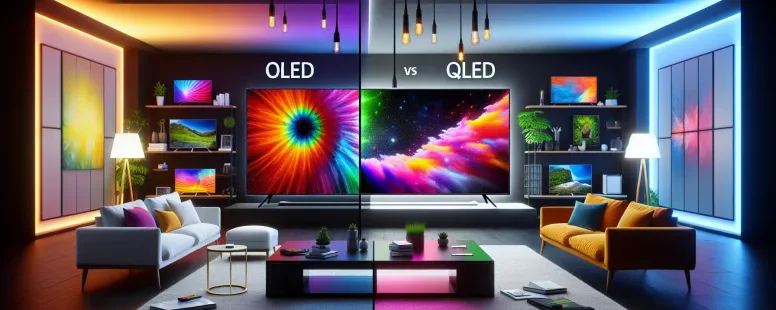
LG’s domination in OLED tech means its TVs produce perfect blacks and vibrant colors, resulting in exceptional contrast and viewing angles. Models like the LG C2 series showcase these strengths, ideal if you’re a cinephile desiring cinema-grade picture quality at home.
Samsung champions QLED technology, focusing on brightness and color volume. Their Neo QLED panels elevate HDR content with Quantum Dot filters, making scenes look more vivid in bright rooms. Samsung TVs also tend to have more aggressive anti-reflective coatings, useful if your living space receives lots of natural light.
If you value deep black levels and wide viewing angles, LG’s OLED is better; if brightness and daylight visibility rank higher, Samsung’s QLED makes more sense. Both brands include smart platforms—webOS for LG and Tizen for Samsung—offering seamless app access and voice assist integration.
Brand
Display Technology
Key Features
Best For
LG
OLED
Perfect blacks, wide viewing angles
Movie enthusiasts, dark rooms
Samsung
QLED (Neo QLED)
High brightness, vivid colors
Bright rooms, HDR content
Home Appliances and Innovation
LG stands out with its ThinQ ecosystem that bridges appliances and IoT, allowing remote control and AI-powered diagnostics. Their refrigerators offer InstaView door panels for quick content peeks without opening, saving energy. Washing machines focus on TurboWash technology, cutting cycle times while preserving fabric.
Samsung matches LG with smart appliances like Family Hub refrigerators, which feature touchscreens acting as command centers for recipes, calendars, and music. Their FlexWash washers enable simultaneous washing of different fabric types, appealing to busy households managing varied laundry loads.
Both brands embed smart sensors for efficiency, but LG leans more on AI for predictive maintenance, while Samsung highlights connectivity across devices. Your choice hinges on whether you prioritize intuitive AI assistance (LG) or versatile multi-functionality (Samsung).
Pricing and Value for Money
Choosing between LG and Samsung often hinges on the balance between cost and the benefits you receive. Both brands offer a wide array of products at different price points, but how do they stack up in terms of affordability and long-term value?
Affordability Across Product Lines
LG generally provides competitive pricing especially in home appliances and OLED TVs, making it more accessible if you’re looking for high-quality features without a top-tier price tag. For example, LG’s entry-level OLED TVs under $1,200 deliver exceptional picture quality that rivals Samsung’s pricier QLED models. Samsung often commands premium prices, particularly in smartphones and QLED TVs, reflecting its emphasis on cutting-edge technology and design innovation. You find Samsung’s flagship Galaxy devices priced higher, typically starting around $800, but they pack advanced camera systems and processors.
Comparing price tiers reveals that LG prioritizes value at the mid-range level, while Samsung targets innovation seekers willing to pay more for the latest tech. If your budget is strict but you want premium visuals or appliances, LG’s offerings present a compelling choice. Yet, if you value having the newest features and brand prestige, Samsung justifies the higher expense.
Warranty and Customer Support
Both LG and Samsung back products with standard warranties, usually one year for parts and labor, but subtle differences shape your overall experience. LG includes complimentary extended warranties on certain appliances, covering parts up to two years in some cases, which reduces potential out-of-pocket costs. Samsung emphasizes fast, multi-channel customer support, including 24/7 chat and extensive online resources.
Customer reviews indicate Samsung’s support excels in responsiveness but sometimes at the expense of personal interaction, while LG’s service feels more personalized though slower in response times. For example, users praise Samsung for smooth online troubleshooting on smart TVs but report longer wait times for technician visits.
You might prefer LG’s warranty extensions if peace of mind over appliance durability matters most, while Samsung’s robust support network excels if you value immediate digital assistance. Considering how often product issues arise and how quickly you need solutions plays into which brand’s support aligns with your needs.
Factor
LG
Samsung
Entry-level TV price
OLED under $1,200
QLED starting around $1,500
Flagship smartphone price
Reduced focus; limited new models
Galaxy devices from $800+
Warranty coverage
Up to 2 years on some appliances
Standard 1-year; strong digital support
Customer service style
Personalized, slower response
Fast, multi-channel, less personal
Choosing LG saves money for high-value essentials while Samsung invests in premium tech and service responsiveness. It’s not just price; it’s about what fits your lifestyle and expectations better. Have you weighed what matters most—affordability or innovation—when selecting your next device? Your choice defines your tech journey’s value for years to come.
User Experience and Reviews
Understanding how LG and Samsung perform in real life often reveals more than specs sheet and marketing promises. User experience shapes your daily interaction with these brands, from watching TV shows to managing home chores.
Real-World Performance Feedback
LG TVs, especially their OLED models, receive praise for delivering perfect black levels and rich colors, making movies and gaming highly immersive. Users frequently mention watching dark scenes with outstanding clarity, which enhances cinematic experience. Samsung’s QLED TVs stand out for brightness and vibrant color volume, getting positive reviews from those in brightly lit rooms or sunlit homes. Smartphone users report Samsung’s Galaxy devices as powerhouses with smooth multitasking and innovative camera options, particularly praised during travel photography. Meanwhile, LG’s smartphones, though less common today, gain nods for user-friendly interfaces and excellent audio quality, appealing to audiophiles.
For home appliances, LG’s ThinQ ecosystem has impressed users with its AI-powered diagnostics that quickly detects issues — this convenience saves time and avoids costly repairs. Samsung’s smart appliances earn points for seamless connectivity allowing you to control your refrigerator or washing machine from anywhere using a smartphone. Real experiences suggest both brands aim to enhance convenience, but varied user needs push preference one way or another.
Common Issues and Reliability
Consistent reports suggest LG products, particularly OLED TVs, can suffer from image retention or burn-in after prolonged use, though it occurs rarely and manufacturers carry out safeguards. Samsung’s QLED models sometimes face issues with backlight uniformity and minor screen artifacts. About smartphones, Samsung Galaxy phones are occasionally criticized for software bloat that slows performance after extended use, while LG’s older models struggled with software updates and slower customer service response before LG exited smartphone market.
Appliance reliability reflects mixed feedback; LG appliances frequently stand out for energy efficiency, yet some users note occasional sensor malfunctions requiring professional repair. Samsung’s appliances often get kudos for durability and advanced features, but, user complaints surface about connectivity glitches in smart models, disrupting remote operation.
Analyzing these factors means balancing innovation excitement against potential drawbacks—both LG and Samsung offer products packed with technology but real-world use sometimes reveals limits. You’ll find reviews from sources like Consumer Reports and Trustpilot useful to compare durability and post-purchase support in detail. Asking yourself what matters more—cutting-edge tech or proven reliability—guides smarter decisions.
Exploring firsthand accounts has underlined an essential truth: technology serves you best when reliability meets innovation seamlessly. Whether preferring LG’s OLED brilliance or Samsung’s bold QLED promises, your choice shapes your experience and satisfaction with these industry giants.
Final Thoughts on Which Is Better LG or Samsung
Determining which is better, LG or Samsung, demands a close look into your priorities and usage patterns. Samsung’s strength lies in its relentless push for innovation, demonstrated by high-brightness QLED TVs, foldable Galaxy smartphones, and multifunctional appliances designed for connectivity. LG, but, excels in delivering superb OLED displays known for deep blacks and vibrant colors, along with energy-efficient appliances that save money and resources. If immersive viewing and energy savings define your needs, LG’s offerings appeal in ways Samsung sometimes can’t match.
You might consider Samsung’s dominance in the global smartphone market—over 20% market share in 2023 per IDC reports—a testament to its powerful processors and advanced cameras powering everyday mobile experiences worldwide. In contrast, LG’s pivot away from smartphones since 2021 signals a strategic focus on home entertainment and smart appliances, which may suit you better if you value specialized expertise and reliability in those areas.
Evaluating warranty and customer support, LG’s complimentary extended coverage on select appliances complements Samsung’s swift, expansive service network. Choosing between the two could hinge on how much you value after-sales service and long-term device durability. For example, LG’s OLEDs may risk image retention issues when displaying static images for extended periods, while Samsung’s QLED sets can exhibit slight backlight uniformity challenges in darker scenes.
Reflect on your daily environment too: Samsung’s QLED TVs thrive in brightly lit rooms, whereas LG’s OLED panels enchant in dim settings. Does your living space influence your TV choice? Likewise, consider smartphone performance; Galaxy devices offer raw power and efficiency, but LG phones deliver superior audio quality that audiophiles treasure.
No single answer fits all tech consumers because LG and Samsung cater to different needs with overlapping yet distinct strengths. You could choose based on price sensitivity, innovation appetite, or ecosystem loyalty. For instance, if you desire an AI-powered ThinQ smart home system with intuitive diagnostics, LG fits perfectly; if seamless multifunctionality and cross-device connectivity excite you, Samsung leads the way.
Picture yourself interacting daily with your chosen products—how they respond, adapt, and enhance your life shapes your ultimate preference. Is it the OLED screen that immerses your senses or the foldable screen that transforms your mobile usage? Both brands offer compelling reasons, but only your usage patterns crystalize the better choice.
Consider examining real-world user reviews and professional tests to weigh durability, performance, and satisfaction side by side before investing. Let this comparative insight guide you toward a tech collection that truly serves your lifestyle and expectations.
Conclusion
Choosing between LG and Samsung comes down to what matters most to you. Whether it’s cutting-edge innovation, energy efficiency, or price value, both brands offer strong options tailored to different needs.
Your decision should reflect your lifestyle, tech preferences, and budget. By focusing on what features and experiences you prioritize, you’ll find the brand that fits your expectations perfectly.
Remember to check real user reviews and expert opinions to ensure your investment delivers the performance and reliability you deserve.
To provide the best experiences, we use technologies like cookies to store and/or access device information. Consenting to these technologies will allow us to process data such as browsing behaviour or unique IDs on this site. Not consenting or withdrawing consent, may adversely affect certain features and functions.
Functional
Always active
The technical storage or access is strictly necessary for the legitimate purpose of enabling the use of a specific service explicitly requested by the subscriber or user, or for the sole purpose of carrying out the transmission of a communication over an electronic communications network.
Preferences
The technical storage or access is necessary for the legitimate purpose of storing preferences that are not requested by the subscriber or user.
Statistics
The technical storage or access that is used exclusively for statistical purposes.The technical storage or access that is used exclusively for anonymous statistical purposes. Without a subpoena, voluntary compliance on the part of your Internet Service Provider, or additional records from a third party, information stored or retrieved for this purpose alone cannot usually be used to identify you.
Marketing
The technical storage or access is required to create user profiles to send advertising, or to track the user on a website or across several websites for similar marketing purposes.