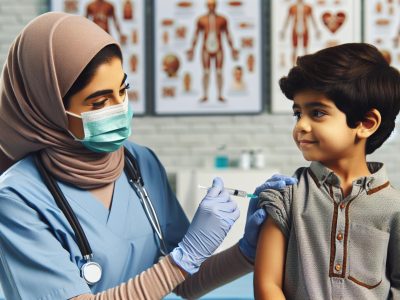
Vaccination introduces a vaccine into your body to trigger an immune response. It helps protect against diseases by training your immune system to recognize and fight specific pathogens.
What Is Vaccination?
Vaccination is the act of administering a vaccine. Vaccines contain weakened, inactivated, or specific components of pathogens. These substances teach your immune system to detect and fight the disease-causing agent.
Health care professionals deliver vaccines through injections, oral drops, or nasal sprays. Common examples include the flu shot, polio drops, and COVID-19 vaccines.
How Vaccines Work
Vaccines expose your immune system to antigens from a pathogen, which mimics an infection without causing illness. This triggers the production of antibodies specific to that antigen.
Once antibodies form, they stay in the body and provide immunity by recognizing and neutralizing the actual pathogen during future exposures. For example, the measles vaccine equips your immune system to combat the measles virus effectively.
Understanding Immunization
Immunization provides protection by making your immune system resistant to specific diseases. It can occur naturally or through medical interventions like vaccines.
What Is Immunization?
Immunization protects you from diseases by training your immune system to fight infections. This process occurs when your body produces antibodies after exposure to disease-causing microbes or their components. Unlike vaccination, which delivers the training material (the vaccine), immunization focuses on the outcome—immunity. For example, if you receive a measles vaccine, your immune system learns to neutralize the measles virus, providing long-term defense.
Natural vs. Acquired Immunization
Natural immunization occurs after recovering from an infection. Your immune system creates antibodies to prevent future infections by the same microbe. For instance, recovering from chickenpox often results in lifelong immunity.
Acquired immunization happens through interventions like vaccines. Vaccines expose your immune system to antigens without causing illness. This process triggers antibody production and prepares your body to fight specific pathogens, such as the flu virus or tetanus bacteria. Acquired methods are safer for preventing severe diseases than relying on natural exposure.
Type
How It Occurs
Examples
Natural
Result of infection and recovery
Chickenpox, measles
Acquired
Administered via vaccines or treatments
Flu vaccine, polio vaccine
Key Differences Between Vaccination And Immunization
Vaccination and immunization address disease prevention but differ in definition, purpose, and outcomes. These distinctions impact how each contributes to public health.
Definition And Process
Vaccination is the process of administering a vaccine containing antigens. These antigens are derived from weakened or inactivated pathogens to stimulate an immune response. This process prepares your immune system to recognize and combat specific diseases without causing illness.
Immunization refers to the result of being protected from disease. It occurs after your immune system responds to a vaccine or a natural infection by forming antibodies. While vaccination is an action, immunization is the state of resistance achieved through that action or natural exposure.
Purpose And Outcome
Vaccination aims to initiate an immune response by introducing antigens to your body. This triggers the production of specific antibodies and immune cells without exposing you to the active disease.
Immunization’s purpose is to create immunity, which protects you from getting sick in the future. The outcome of vaccination is immunization in most cases, but natural immunity after recovering from infection is another route to achieving this state.
Timeline Of Protection
Vaccination takes immediate action to train your immune system, but it can take days or weeks to build adequate immunity. For example, most vaccines, like the flu shot or MMR (measles, mumps, rubella), require some time before offering full protection.
Immunization provides lasting disease protection once your immune system builds a memory response. The duration varies; some vaccines, like tetanus, may need boosters, whereas others, like the measles vaccine, can last for decades. Immunity after natural infections may also differ in longevity depending on the disease.
Why Both Concepts Matter
Vaccination and immunization both play critical roles in protecting individual and public health. While vaccination initiates an immune response, immunization ensures long-term disease prevention, reducing the spread of infections in communities.
Public Health Implications
Vaccination reduces the prevalence of preventable diseases like measles, polio, and influenza. Widespread immunization decreases outbreaks by creating herd immunity, where enough people are immune to stop disease transmission. This protects vulnerable groups like infants, older adults, and immunocompromised individuals who cannot receive vaccines.
In some regions, vaccination programs have eradicated diseases. For example, smallpox was declared eradicated globally in 1980 due to mass vaccination campaigns. Maintaining high vaccine coverage is essential to prevent disease resurgence, as seen with measles in unvaccinated populations.
Myths And Misconceptions
Misinformation about vaccines creates unnecessary fear and lowers vaccination rates. Common myths include claims that vaccines cause autism or weaken the immune system, even though no scientific evidence supporting these assertions. Studies, including those by the CDC and WHO, confirm vaccines’ safety and efficacy.
Some believe natural immunity is superior, but recovering from diseases like polio or measles can cause severe health complications. Vaccination provides immunity without risking such outcomes. Addressing these misconceptions with factual information encourages informed decisions and promotes higher vaccination uptake.
Conclusion
Understanding the difference between vaccination and immunization empowers you to make informed health choices and appreciate their role in disease prevention. While vaccination kickstarts the process, immunization provides the lasting protection your body needs to fight infections. Together, they form the foundation of individual and public health, safeguarding communities and reducing the spread of preventable diseases.
By staying informed and addressing misconceptions, you contribute to a healthier future for yourself and those around you. Embrace the power of vaccines and immunization to protect against serious illnesses and support global efforts to eliminate life-threatening diseases.
To provide the best experiences, we use technologies like cookies to store and/or access device information. Consenting to these technologies will allow us to process data such as browsing behaviour or unique IDs on this site. Not consenting or withdrawing consent, may adversely affect certain features and functions.
Functional
Always active
The technical storage or access is strictly necessary for the legitimate purpose of enabling the use of a specific service explicitly requested by the subscriber or user, or for the sole purpose of carrying out the transmission of a communication over an electronic communications network.
Preferences
The technical storage or access is necessary for the legitimate purpose of storing preferences that are not requested by the subscriber or user.
Statistics
The technical storage or access that is used exclusively for statistical purposes.The technical storage or access that is used exclusively for anonymous statistical purposes. Without a subpoena, voluntary compliance on the part of your Internet Service Provider, or additional records from a third party, information stored or retrieved for this purpose alone cannot usually be used to identify you.
Marketing
The technical storage or access is required to create user profiles to send advertising, or to track the user on a website or across several websites for similar marketing purposes.