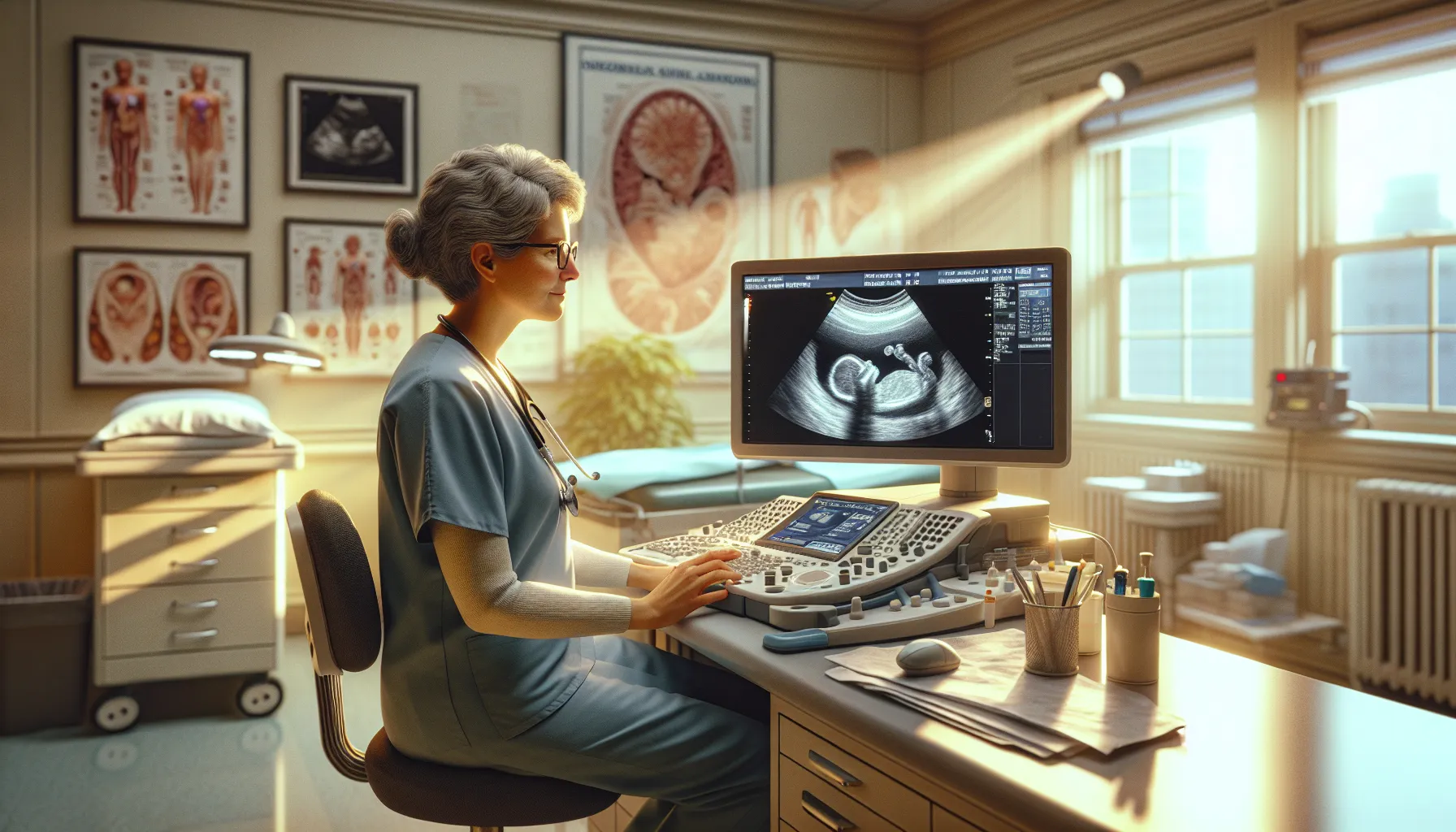
Navigating the early signs of pregnancy can resemble walking a tightrope, especially for those of us who experience the monthly toll of premenstrual syndrome (PMS). We often find ourselves caught in a whirlwind of emotions, physical sensations, and symptoms that feel eerily similar. The uncertainty can be unsettling, leaving us wondering if we are confronting the familiar signs of PMS or the exciting hints of early pregnancy. This article will dive deep into the intricate web of symptoms, empowering us to distinguish between these two experiences with confidence and clarity.
Understanding PMS and Early Pregnancy Symptoms
Premenstrual syndrome (PMS) is a collection of physical and emotional symptoms that many of us experience in the luteal phase of our menstrual cycle. Similarly, early pregnancy symptoms arise as our body adjusts to the presence of a new life. While the sensations can overlap, understanding the root causes can help us differentiate between them.
PMS typically occurs anywhere from a week to ten days before our menstrual period. Early pregnancy symptoms, however, can start as soon as a few days after conception, as our body undergoes significant hormonal shifts. Recognising the distinct nature of these changes is crucial in making sense of our bodies. Hormonal fluctuations can also affect other aspects of our health in ways that are easy to misread — our guide on how to tell allergies from a cold is a good example of another scenario where two very different conditions produce nearly identical symptoms.
Common Symptoms of PMS
PMS manifests as both physical and emotional symptoms. Physical symptoms include bloating, breast tenderness, cramping, headaches, and fatigue. Emotional symptoms include mood swings, irritability, and increased anxiety. PMS symptoms typically resolve once our period begins, offering a sigh of relief for many of us.
Common Symptoms of Early Pregnancy
Early pregnancy comes with its own unique set of signs and changes. Physical symptoms include a missed period, nausea (commonly referred to as morning sickness, though it can strike at any time), heightened sensitivity to smells and tastes, fatigue, and frequent urination. Emotional symptoms include pronounced mood changes and food cravings or aversions. These early bodily signals can feel overwhelming, especially alongside the anticipation of a first scan — our article on how to tell gender from ultrasound explains what happens at those early appointments and what to realistically expect from imaging at different gestational stages.
Key Differences Between PMS and Early Pregnancy Symptoms
While there are overlapping symptoms, some key differences can help us discern between PMS and early pregnancy. Timing is the first — PMS symptoms typically appear in the luteal phase of our cycle, while early pregnancy symptoms can arise just days after conception. A missed period is a strong indicator of pregnancy but not relevant for PMS. Nausea, while possible with PMS, is far more common and intense in early pregnancy. Breast tenderness is common for both, but pregnancy often brings swelling and darkening of the areolas as well. Finally, increased frequency of urination is far more likely to indicate early pregnancy than PMS.
When To Take a Pregnancy Test
Timing is key when it comes to taking a pregnancy test. We should wait until at least the first day of our missed period for the most reliable results — testing too early can lead to false negatives due to insufficient hCG levels. For optimal accuracy, use first morning urine (which has the highest hCG concentration), follow the test instructions carefully, and if symptoms persist after a negative result, wait a few days and test again. When home testing leaves us uncertain, scalp, respiratory, and other bodily symptoms also benefit from professional attention — our guide on how to tell nits from dandruff is a reminder that even seemingly straightforward conditions sometimes require a professional eye to diagnose correctly.
Consulting a Healthcare Professional
If we find ourselves confused or concerned about our symptoms, reaching out to a healthcare professional is essential. They can confirm pregnancy sooner with administered tests, provide recommendations for relief if symptoms are severe or debilitating, and guide us through proper prenatal care if we are pregnant or trying to conceive.
Conclusion
Distinguishing between PMS and early pregnancy is crucial, empowering us to take informed actions based on our symptoms. By understanding the signs, we can navigate our bodies with confidence. Whether it’s preparing for a period or awaiting a potential new beginning, arming ourselves with knowledge enables us to engage deeply with our health. If there is any doubt, consulting a healthcare provider can provide clarity, eventually leading us to the best choices for our bodies.
To provide the best experiences, we use technologies like cookies to store and/or access device information. Consenting to these technologies will allow us to process data such as browsing behaviour or unique IDs on this site. Not consenting or withdrawing consent, may adversely affect certain features and functions.
Functional
Always active
The technical storage or access is strictly necessary for the legitimate purpose of enabling the use of a specific service explicitly requested by the subscriber or user, or for the sole purpose of carrying out the transmission of a communication over an electronic communications network.
Preferences
The technical storage or access is necessary for the legitimate purpose of storing preferences that are not requested by the subscriber or user.
Statistics
The technical storage or access that is used exclusively for statistical purposes.The technical storage or access that is used exclusively for anonymous statistical purposes. Without a subpoena, voluntary compliance on the part of your Internet Service Provider, or additional records from a third party, information stored or retrieved for this purpose alone cannot usually be used to identify you.
Marketing
The technical storage or access is required to create user profiles to send advertising, or to track the user on a website or across several websites for similar marketing purposes.