In today’s world, conversations about neurodiversity often lead us to ponder the challenges that individuals with different conditions face. Imagine navigating life in a society that hasn’t quite embraced the uniqueness of every individual, as we look closer at Down syndrome and autism, we’re not just about to uncover the facts: we’re diving into a topic that evokes emotion and understanding. What does it feel like to manage daily interactions with the world differently? How do we measure challenges and triumphs when experiences vary so widely? Beyond the raw statistics and clinical definitions are stories of resilience, determination, and community. It’s essential to grasp the nuances of each condition, especially when we seek to understand the richness and difficulties in the lives of those affected. Questions of relative difficulty and severity arise similarly in other neurological and chronic conditions — the discussion around ME versus MS, for instance, reflects that same challenge of measuring one person’s daily struggle against another’s.
Understanding Down Syndrome
Causes and Genetic Factors
Down syndrome occurs due to an extra chromosome 21, a condition known as trisomy 21. This genetic anomaly can happen spontaneously or can be linked to maternal age: the likelihood increases as women age. Understanding this genetic basis is crucial as it lays the foundation for how we can approach care and support.
Common Characteristics and Symptoms
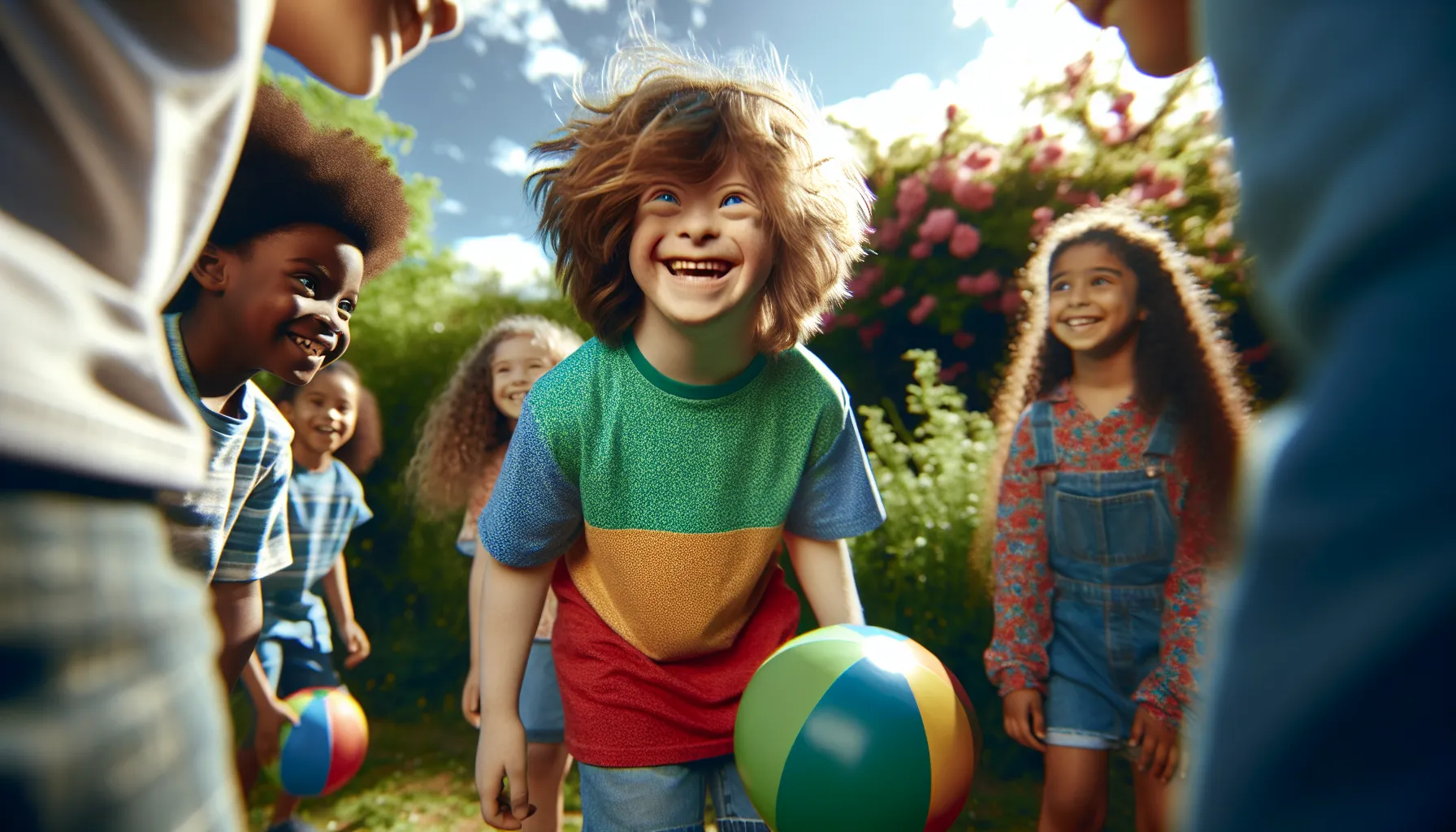
Individuals with Down syndrome often exhibit distinct physical traits, such as a flat facial profile, almond-shaped eyes, and a single transverse palmar crease. Also, the impact on cognitive abilities varies widely, ranging from mild to moderate intellectual disability. Emphasizing their strengths is important: many individuals possess unique abilities in areas like music or art.
Social and Educational Challenges
Navigating social settings can present difficulties for individuals with Down syndrome. They might find it hard to communicate effectively or read social cues, leading to challenges in friendships and inclusion in educational settings. Early intervention programs are vital for developing communication skills and adapting to social environments.
Understanding Autism Spectrum Disorder
Causes and Genetic Influences
Autism Spectrum Disorder (ASD) encompasses a range of conditions characterized by challenges with social skills, repetitive behaviors, and communication issues. Research suggests a combination of genetic and environmental factors contributes to its development. Various studies indicate that if one sibling is diagnosed with autism, the likelihood of another sibling being affected is higher, emphasizing the genetic component.
Common Characteristics and Symptoms
People with autism often display a spectrum of behaviors, some may be highly verbal while others may require alternative communication methods. Common traits can include a strong focus on specific interests, sensitivity to sensory input, and difficulty understanding social norms. It’s essential to remember that each individual’s experience with autism is unique, contributing to the complexity of this condition.
Social and Educational Challenges
Individuals with autism can face significant hurdles in traditional educational environments due to their need for tailored teaching strategies. Social interactions can be overwhelming, leading to feelings of isolation. Unfortunately, these challenges can sometimes result in bullying or exclusion, emphasizing the importance of empathy and inclusion in our communities.
Comparative Analysis of Down Syndrome and Autism
Similarities and Differences
While both Down syndrome and autism involve unique sets of challenges, they differ vastly in their genetic nature and the spectrum of symptoms they present. Individuals with Down syndrome may benefit from early educational interventions specifically addressing their cognitive challenges. In contrast, those with autism may need specialized therapies focused on communication and social interaction.
Impact on Daily Life
The impact of these conditions on daily life is profound. Individuals with Down syndrome often require support in developing life skills due to their cognitive processing style, while those with autism might excel in specific areas yet struggle with routine activities in unfamiliar settings. Our understanding needs to include a compassionate approach to how these conditions shape who they are.
Support and Resources Available
Community Support for Down Syndrome
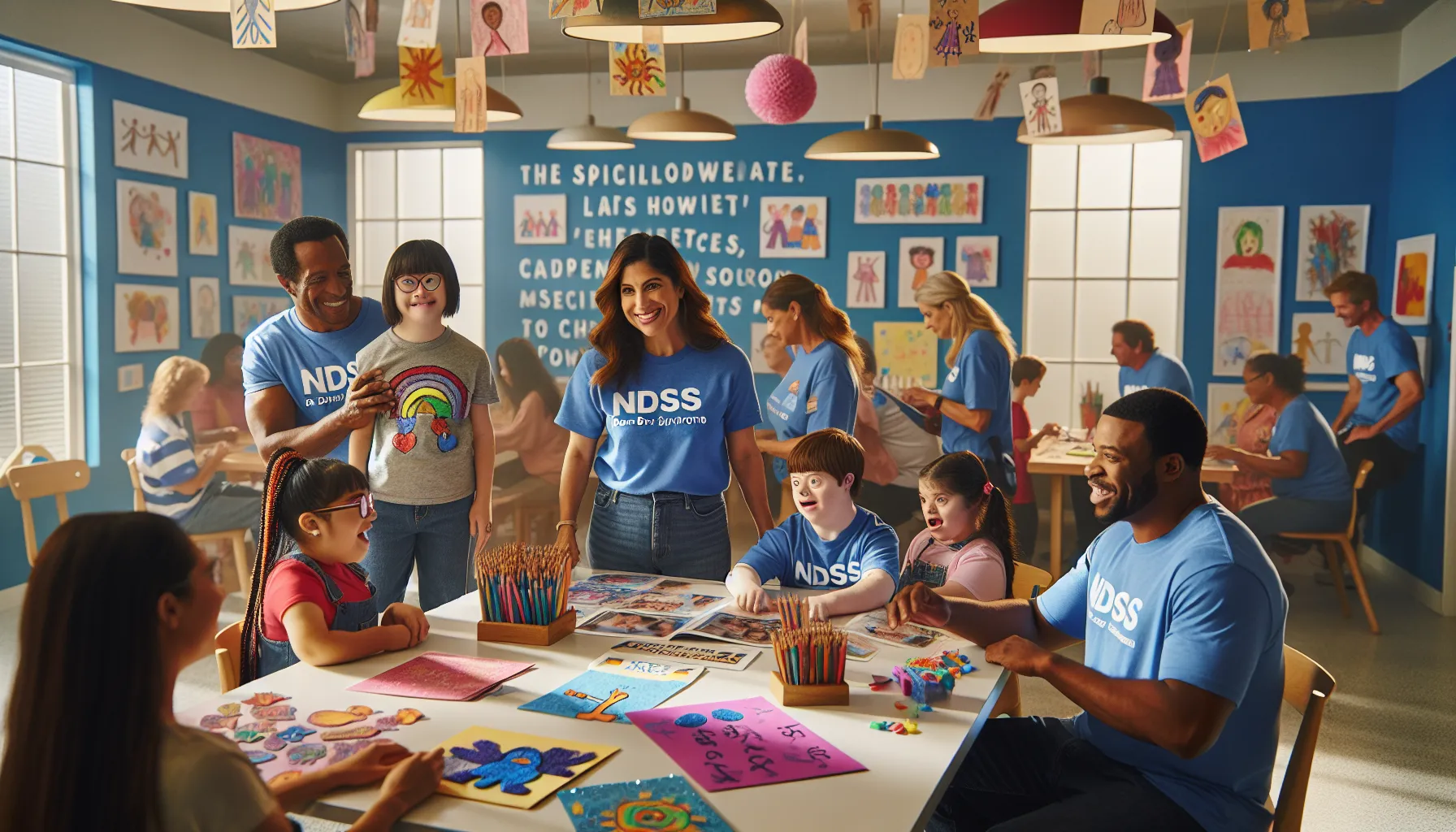
Numerous organizations provide resources, workshops, and community support for individuals with Down syndrome and their families. Groups like the National Down Syndrome Society (NDSS) offer educational materials and advocacy avenues, highlighting the importance of public understanding and awareness. Families relying on government-funded healthcare programs should also understand the distinctions between programmes like Medicaid and Medi-Cal, as the specific services available for developmental support can differ significantly by state.
Community Support for Autism
For families touched by autism, organizations such as Autism Speaks provide practical resources and form community bonds. They help parents navigate challenges and connect with others who understand their experiences. Private health insurance choices also matter — the type of plan a family holds, whether an HMO or a PPO, can directly affect which therapists, specialists, and interventions are accessible and at what cost. This shared sense of community can be invaluable, fostering connections that are both supportive and empowering.
Personal Perspectives and Experiences
Voices from Families of Individuals with Down Syndrome
Families frequently share stories of joy and triumph. Hearing these voices reminds us that the journey with Down syndrome, while challenging, is filled with love, laughter, and learning. Individual strengths often shine through, leading to enriching experiences for families navigating their paths together.
Voices from Families of Individuals with Autism
Similarly, families with autistic members report a wide array of challenges and successes. Their stories showcase resilience and adaptation, illustrating that understanding and accepting differences can enlighten everyone involved. We realize that creating supportive environments often leads to incredible outcomes.
Conclusion
As we reflect on Down syndrome and autism, we recognize that neither condition ranks as ‘worse’, each comes with its own trials and tribulations. Rather than comparing the two, let’s focus on understanding and supporting individuals affected by these conditions. Promoting awareness, compassion, and inclusivity can tremendously improve the lives of many. Our ongoing journey toward acceptance and understanding enriches not only the lives of individuals in our communities but also of those of us who strive to create a more inclusive world.
Last Updated: February 26, 2026 at 11:26 am by Ellie B, Site owner & Publisher
To provide the best experiences, we use technologies like cookies to store and/or access device information. Consenting to these technologies will allow us to process data such as browsing behaviour or unique IDs on this site. Not consenting or withdrawing consent, may adversely affect certain features and functions.
Functional
Always active
The technical storage or access is strictly necessary for the legitimate purpose of enabling the use of a specific service explicitly requested by the subscriber or user, or for the sole purpose of carrying out the transmission of a communication over an electronic communications network.
Preferences
The technical storage or access is necessary for the legitimate purpose of storing preferences that are not requested by the subscriber or user.
Statistics
The technical storage or access that is used exclusively for statistical purposes.The technical storage or access that is used exclusively for anonymous statistical purposes. Without a subpoena, voluntary compliance on the part of your Internet Service Provider, or additional records from a third party, information stored or retrieved for this purpose alone cannot usually be used to identify you.
Marketing
The technical storage or access is required to create user profiles to send advertising, or to track the user on a website or across several websites for similar marketing purposes.