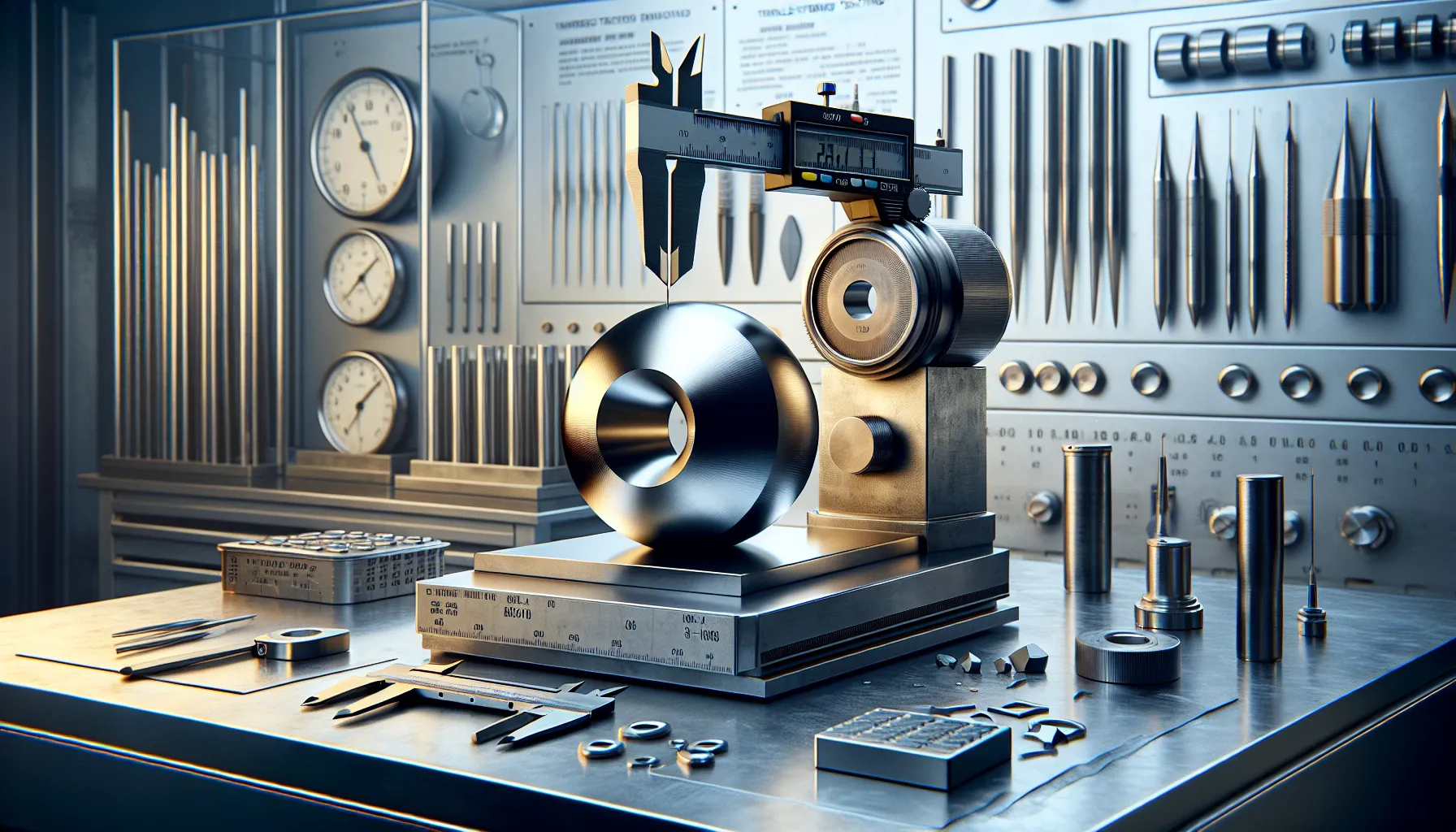
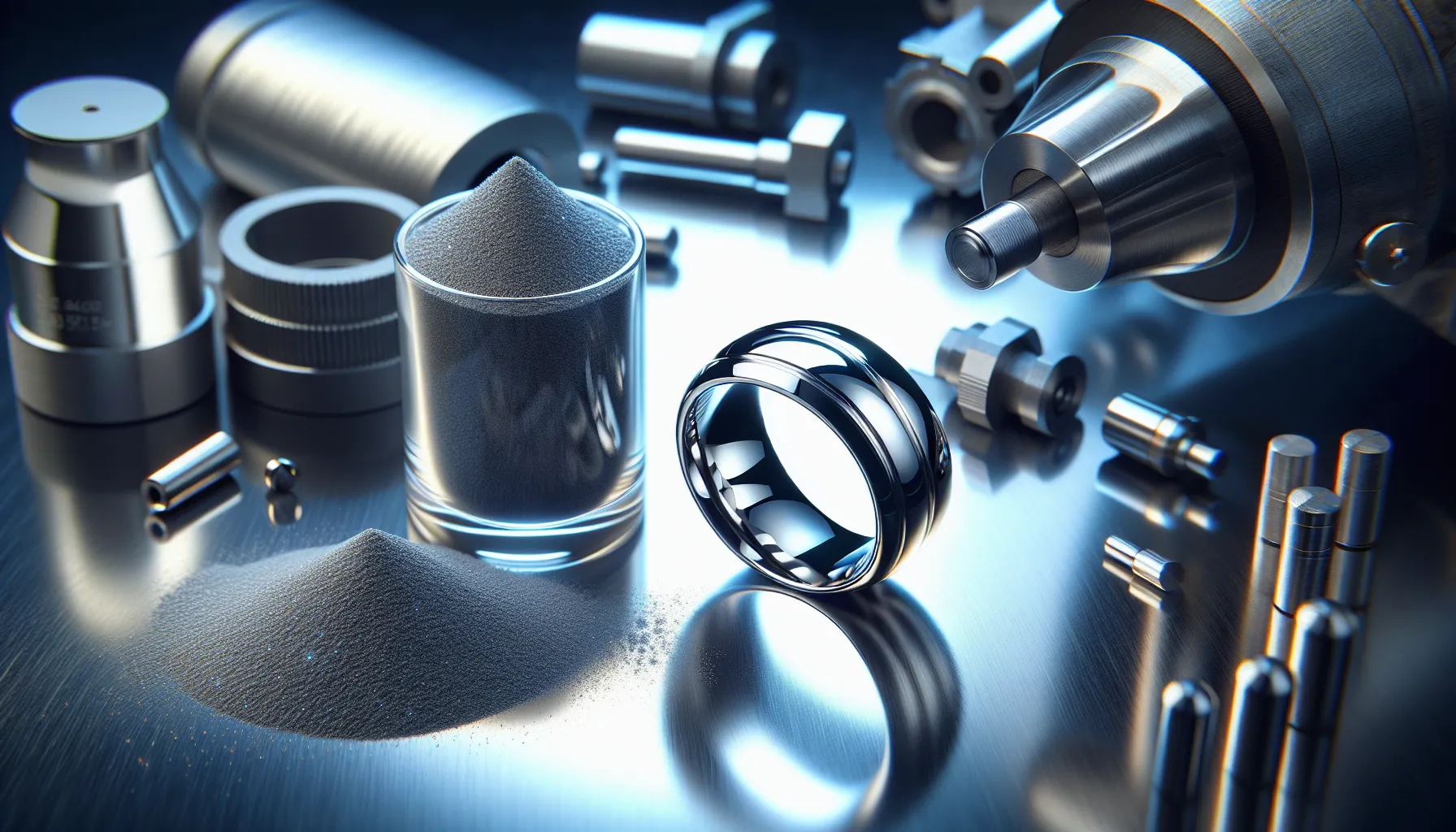
When comparing materials for their durability and performance, tungsten and titanium often emerge as two top contenders. These metals are renowned for their unique properties, with each offering strengths tailored to diverse applications. By delving into their characteristics and comparing their robustness, we can unveil which material reigns supreme in various scenarios.
Introduction to Tungsten and Titanium
Understanding the Strength Properties of Materials
The comparison of materials like tungsten and titanium hinges on understanding their fundamental properties: tensile strength (resistance to pulling forces), hardness (resistance to deformation), and density (mass per unit volume). These qualities influence their performance and decisions about their use in industries requiring supreme strength.
Unique Characteristics of Tungsten
Density and Hardness
Tungsten is exceptionally dense, with a density of 19.3 g/cm³, making it heavier than steel and nearly double as dense as lead. Also, it’s renowned for its remarkable hardness, achieving high scores on the Mohs scale that make it resistant to scratches and abrasion.
Applications of Tungsten Based on Strength
Due to its incredible hardenability and resistance to wear, tungsten is widely used in industries such as military weaponry, high-performance industrial machinery, and even jewelry where resilience and durability are paramount.
Unique Characteristics of Titanium
Lightweight and High Strength Capability
Titanium is celebrated for its excellent strength-to-weight ratio. Even though its lower density of 4.5 g/cm³, which makes it significantly lighter than tungsten, it maintains impressive strength properties that allow it to outperform heavier alternatives in numerous applications.
Medical and Industrial Uses of Titanium
With its biocompatibility and resistance to corrosion, titanium finds extensive use in the medical field for implants and prosthetics, as well as in aerospace engineering where weight reduction without compromising strength is crucial.
Comparative Analysis Between Tungsten and Titanium
Direct Strength Comparison
When directly comparing tungsten and titanium for tensile strength, tungsten surpasses titanium, capable of handling higher stress before failure. But, in terms of specific strength (strength per unit density), titanium gains an edge, attributed to its significantly lower density.
Suitability for Various Applications
While tungsten’s unmatched hardness suits environments requiring wear resistance, titanium’s lightweight nature combined with formidable strength makes it ideal for applications like aerospace and medical advancements, where both weight and structural integrity are concerns.
Choosing Between Tungsten and Titanium
Selecting between tungsten and titanium depends on the intended application. For jewelry or equipment demanding utmost hardness and resistance to deformation, tungsten is the clear choice. Conversely, for scenarios needing exceptional strength alongside reduced mass, titanium is unparalleled. Your specific needs and priorities dictate the best choice between these remarkable metals.
To provide the best experiences, we use technologies like cookies to store and/or access device information. Consenting to these technologies will allow us to process data such as browsing behaviour or unique IDs on this site. Not consenting or withdrawing consent, may adversely affect certain features and functions.
Functional
Always active
The technical storage or access is strictly necessary for the legitimate purpose of enabling the use of a specific service explicitly requested by the subscriber or user, or for the sole purpose of carrying out the transmission of a communication over an electronic communications network.
Preferences
The technical storage or access is necessary for the legitimate purpose of storing preferences that are not requested by the subscriber or user.
Statistics
The technical storage or access that is used exclusively for statistical purposes.The technical storage or access that is used exclusively for anonymous statistical purposes. Without a subpoena, voluntary compliance on the part of your Internet Service Provider, or additional records from a third party, information stored or retrieved for this purpose alone cannot usually be used to identify you.
Marketing
The technical storage or access is required to create user profiles to send advertising, or to track the user on a website or across several websites for similar marketing purposes.