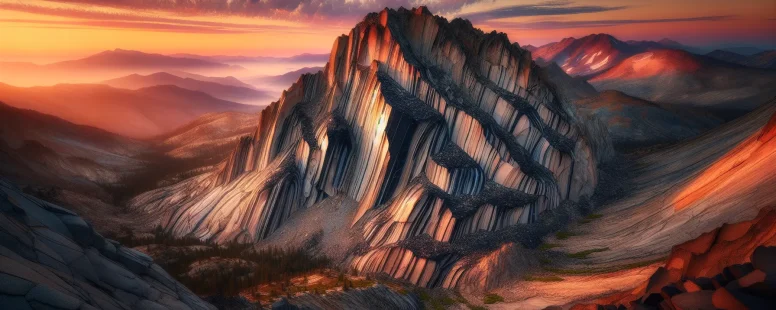
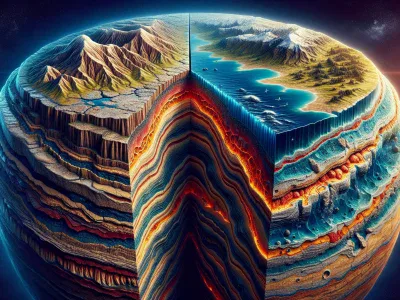
When we gaze upon the layered beauty of the Earth’s crust, we might ponder the stories held within. Imagine standing before an ancient rock formation, its intricate patterns telling tales of heat, pressure, and time. Among these geological wonders, gneiss and dikes are two prominent players, embodying different processes and histories. But which holds the title of being older? Knowing the distinguishing characteristics and formation of these two rock types can enlighten our understanding. Let’s embark on this journey into the depths of Earth’s geological past and discover the answer together.
Understanding Gneiss: An Overview
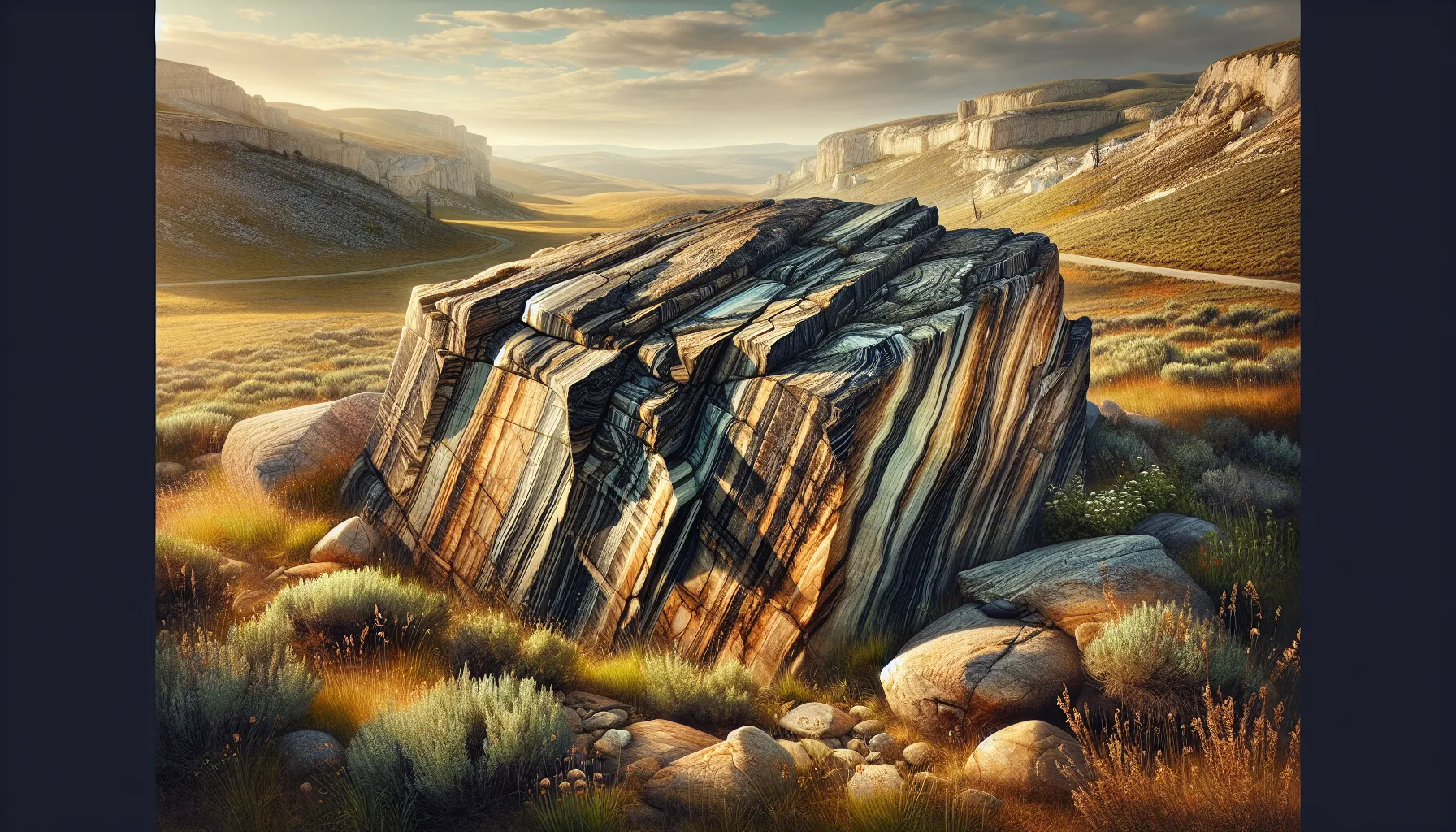
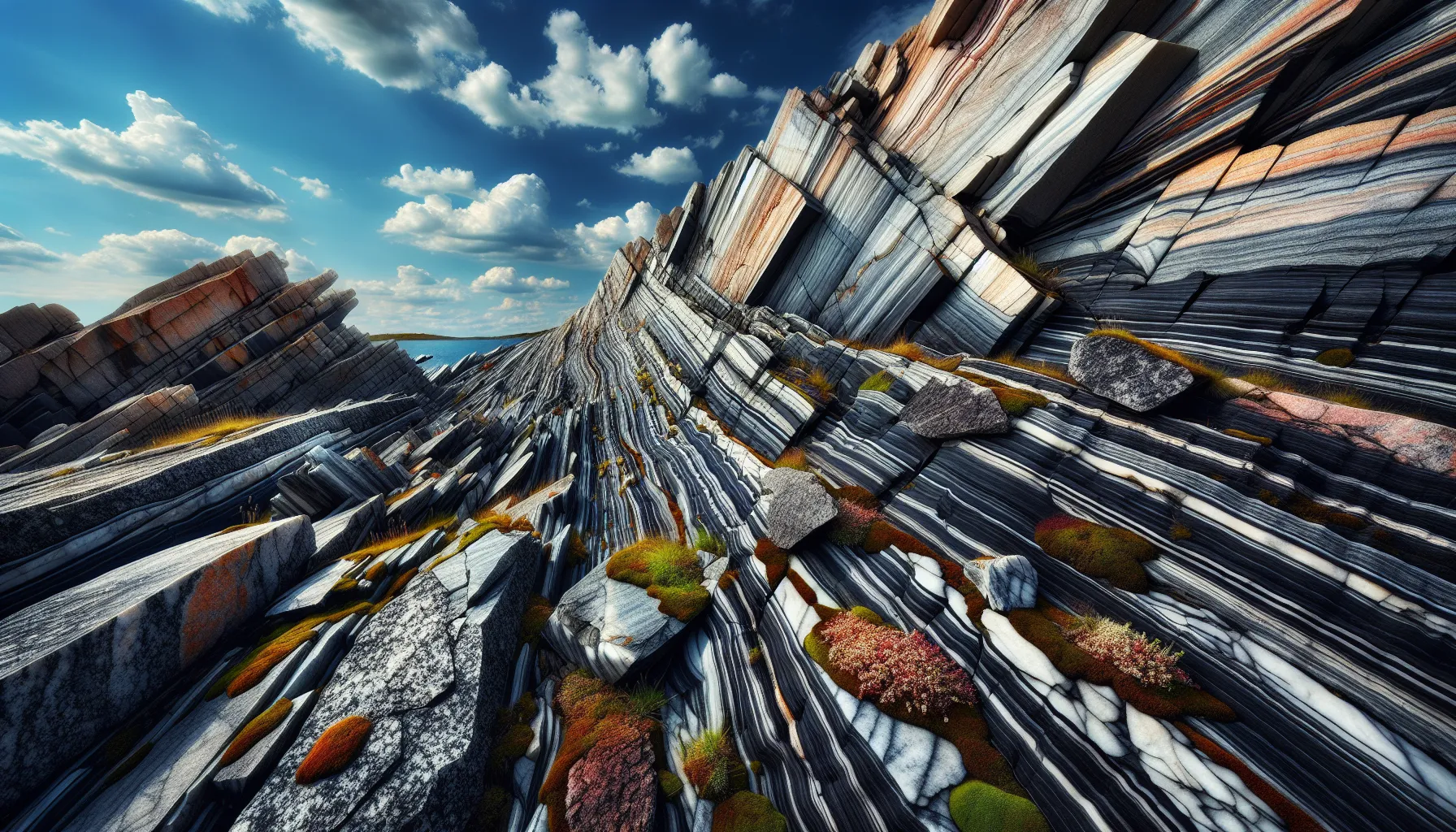
Gneiss is a metamorphic rock known for its banded appearance, formed under intense heat and pressure, often from granite or sedimentary rock. Its formation is a testament to the dynamic processes of Earth’s crust, where minerals realign and recrystallize to create its distinctive foliation.
Formation Processes of Gneiss
The transformation of parent rocks into gneiss occurs through regional metamorphism. This process typically happens in tectonically active areas, where continental collisions occur, generating significant pressure and heat. The intense conditions cause the original minerals to change into new ones, resulting in the characteristic bands of light and dark minerals.
Characteristics and Composition of Gneiss
Gneiss is primarily composed of quartz, feldspar, and mica, often exhibiting a layered texture. The presence of these minerals gives gneiss its strength and durability. Its colors can range from light grays and whites to darker hues, depending on the mineral composition. This striking visual appeal makes gneiss an esteemed choice in construction and decorative stone.
Examples of Gneiss in Geological History
The history of gneiss is long and rich. The Lewisian Gneiss of Scotland is one of the oldest and most famous examples, dating back over 3 billion years. This rock formation not only showcases the ancient processes of the Earth but also provides critical insights into the early conditions of our planet.
Another notable example is the Nuvvuagittuq Greenstone Belt in Quebec, Canada. Here, gneiss formations tell tales of tectonic activity and the shifts that have shaped the North American continent. These case studies highlight how gneiss serves as a geological record, offering clues about the Earth’s evolution.
Understanding Dikes: An Overview
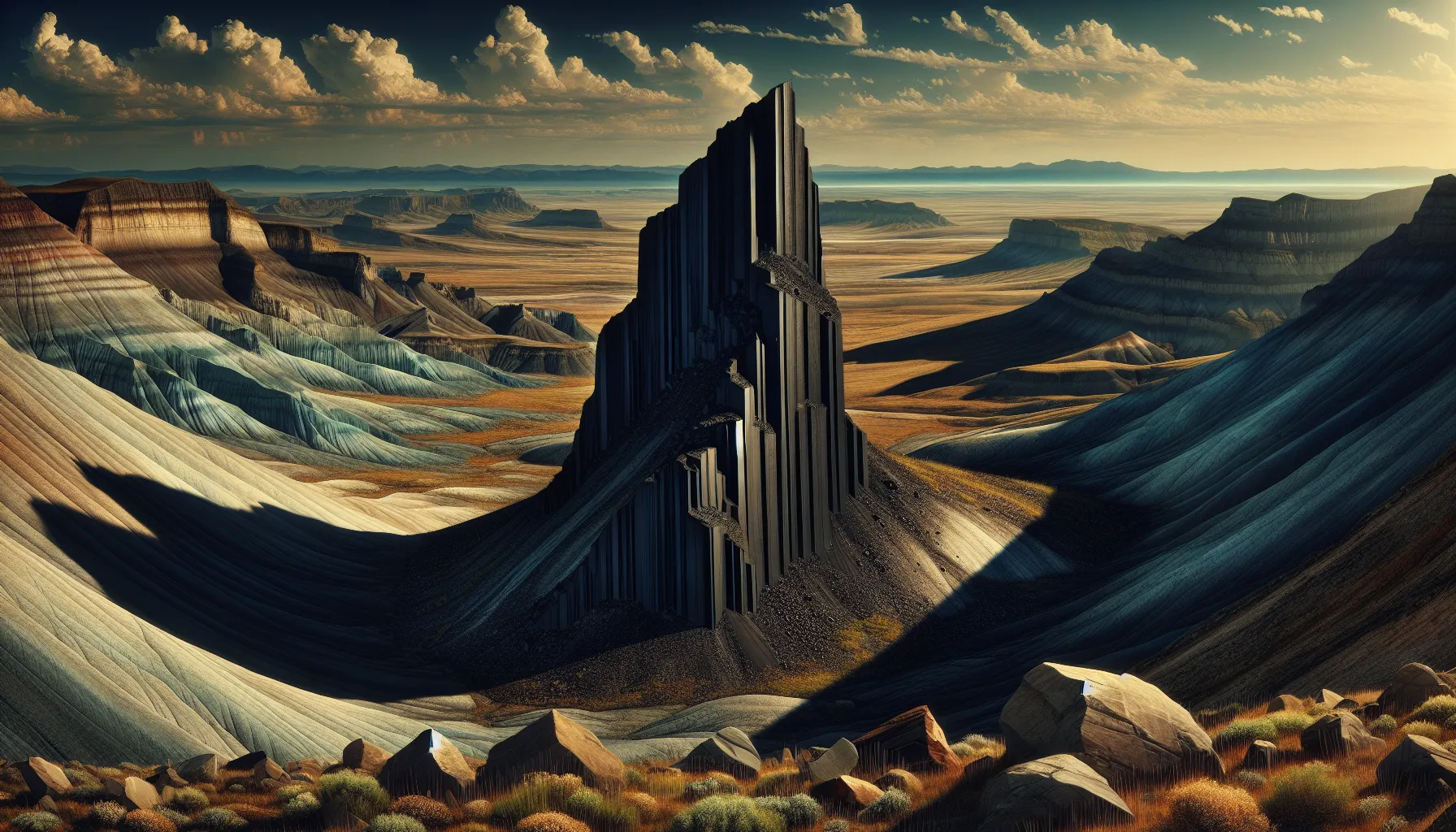
Dikes are vertical or near-vertical formations that cut across existing rock layers, usually composed of igneous rock. They represent a fascinating aspect of geology, showcasing how magma intrudes into fissures in other rock types.
Formation Processes of Dikes
The formation of dikes typically occurs during volcanic activity when magma rises through cracks in the Earth’s crust. As the magma cools, it solidifies into a dike, often giving it a distinct composition different from the surrounding rocks. The rapid cooling results in fine-grained textures, setting dikes apart from surrounding coarser rocks.
Characteristics and Composition of Dikes
Most dikes consist of basalt, though they can also be made of other igneous materials such as rhyolite. Their colors often range from dark browns to blacks, reflecting their mineral compositions. Dikes play a crucial role in understanding volcanic activity and can offer insights into the forces that shape our planet.
Examples of Dikes in Geological History
Dikes can be found all over the world, offering a glimpse into geological processes that have occurred throughout history. The famous Giant’s Causeway in Northern Ireland is an incredible site, featuring well-developed columnar jointing formed from basalt dikes.
In Iceland, the numerous dikes associated with volcanic eruptions provide clear examples of how magma movement affects the Earth’s surface. These formations serve as crucial indicators of tectonic activity and have been extensively studied to understand the dynamics of Earth’s crust.
Comparative Analysis: Gneiss vs. Dike
To determine which is older, gneiss or dikes, we must analyze their formation and the conditions that create them.
Geochronology: Determining Age
Geochronology is a crucial tool in understanding the ages of geological formations. Gneiss often predates dikes, especially in regions where they are found intruded into older rock layers. The Lewisian Gneiss, for example, is billions of years old, while many dikes formed much more recently, during periods of volcanic activity within the last few million years.
Dating Techniques Used in Geology
Various dating techniques, including radiometric dating, allow us to estimate the ages of these rock formations. By analyzing isotopes like uranium and lead in gneiss, we can determine its ancient origins accurately.
Case Studies of Gneiss and Dike Relationships
In geological formations, the relationships between gneiss and dikes reveal much about their respective ages and formation processes. For instance, in regions like the Sierra Nevada in California, gneiss has been observed to host numerous dikes that intrude into it. This relationship underscores the older age of the gneiss compared to the younger dikes, showcasing the dynamic history of the tectonic processes at play.
Conclusion
Eventually, as we peel back the layers of Earth’s history, we discover that gneiss generally stands as the elder sibling to dikes. The ancient processes that created gneiss have shaped our planet long before the dikes carved their paths through the crust. Both types of rock carry invaluable lessons about our Earth’s past, and understanding their stories enriches our perspective on geology and the forces that shape our world. For a broader look at ancient geological timescales, explore what is older: Oceanic or Continental Crust. The civilisations that built on these ancient rocks are worth comparing too — see what is older: Egypt or China. Their most iconic structures also have an age story in what is older: the Pyramids or Stonehenge.
Last Updated: February 27, 2026 at 4:43 pm by Ellie B, Site owner & Publisher
To provide the best experiences, we use technologies like cookies to store and/or access device information. Consenting to these technologies will allow us to process data such as browsing behaviour or unique IDs on this site. Not consenting or withdrawing consent, may adversely affect certain features and functions.
Functional
Always active
The technical storage or access is strictly necessary for the legitimate purpose of enabling the use of a specific service explicitly requested by the subscriber or user, or for the sole purpose of carrying out the transmission of a communication over an electronic communications network.
Preferences
The technical storage or access is necessary for the legitimate purpose of storing preferences that are not requested by the subscriber or user.
Statistics
The technical storage or access that is used exclusively for statistical purposes.The technical storage or access that is used exclusively for anonymous statistical purposes. Without a subpoena, voluntary compliance on the part of your Internet Service Provider, or additional records from a third party, information stored or retrieved for this purpose alone cannot usually be used to identify you.
Marketing
The technical storage or access is required to create user profiles to send advertising, or to track the user on a website or across several websites for similar marketing purposes.