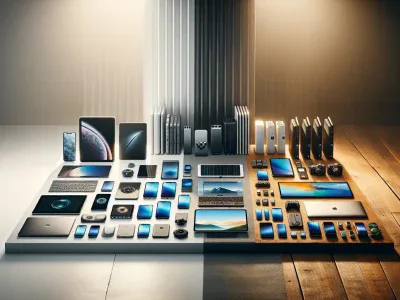
As we navigate our ever-connected world, the choice between an iPhone and an Android device looms large for many of us. Imagine being in a coffee shop, surrounded by buzzing conversations, and witnessing friends pull out their sleek smartphones. Some wield luxuriously designed iPhones, while others choose the flexibility and diversity of Android devices. This constant comparison begs the question: what really sets these two giants apart?
In this exploration, we’ll peel back the layers to reveal the nuances behind the battle of the operating systems. Beyond just brand loyalty, we seek to uncover the compelling benefits and distinctive features that might influence our decision. Let’s investigate into the smartphone landscape and figure out which device truly reigns supreme and why it matters for our daily lives.
Understanding the Smartphone Landscape
To grasp the essence of the iPhone versus Android debate, we begin with an understanding of the smartphone landscape. Over the years, both brands have cultivated loyal user bases, but their strategies and offerings differ significantly.
Market Share and Popularity Trends
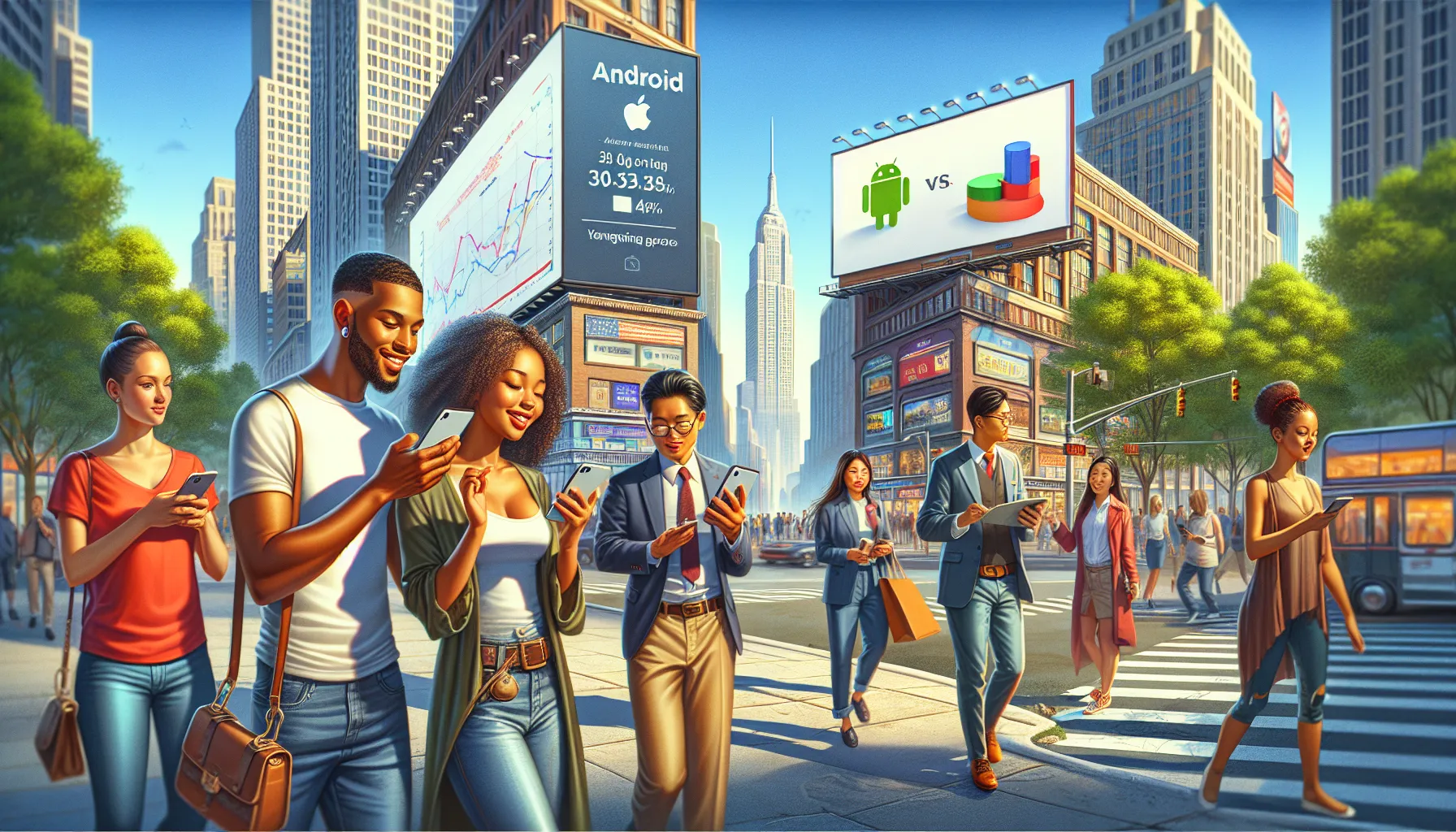
According to recent data, Android holds a significant portion of the global market, accounting for over 70% compared to iPhone’s iOS at around 27%. This overwhelming market share signifies Android’s variety and accessibility across various price points and manufacturers.
Both brands continue to evolve, with Android seeing substantial growth in emerging markets. Meanwhile, iPhone has solidified its status as a premium choice, often associated with quality and design. These trends create a fascinating backdrop for users when selecting their next device.
Operating Systems: iOS vs. Android
When we talk about smartphones, we must scrutinize the heart: the operating system. Let’s dive deeper into the nuances that differentiate iOS from Android.
User Experience and Interface
Apple’s iOS is often praised for its intuitive interface, providing a polished experience that many users find straightforward and user-friendly. Navigating through apps feels seamless, and newcomers typically find their rhythm quickly.
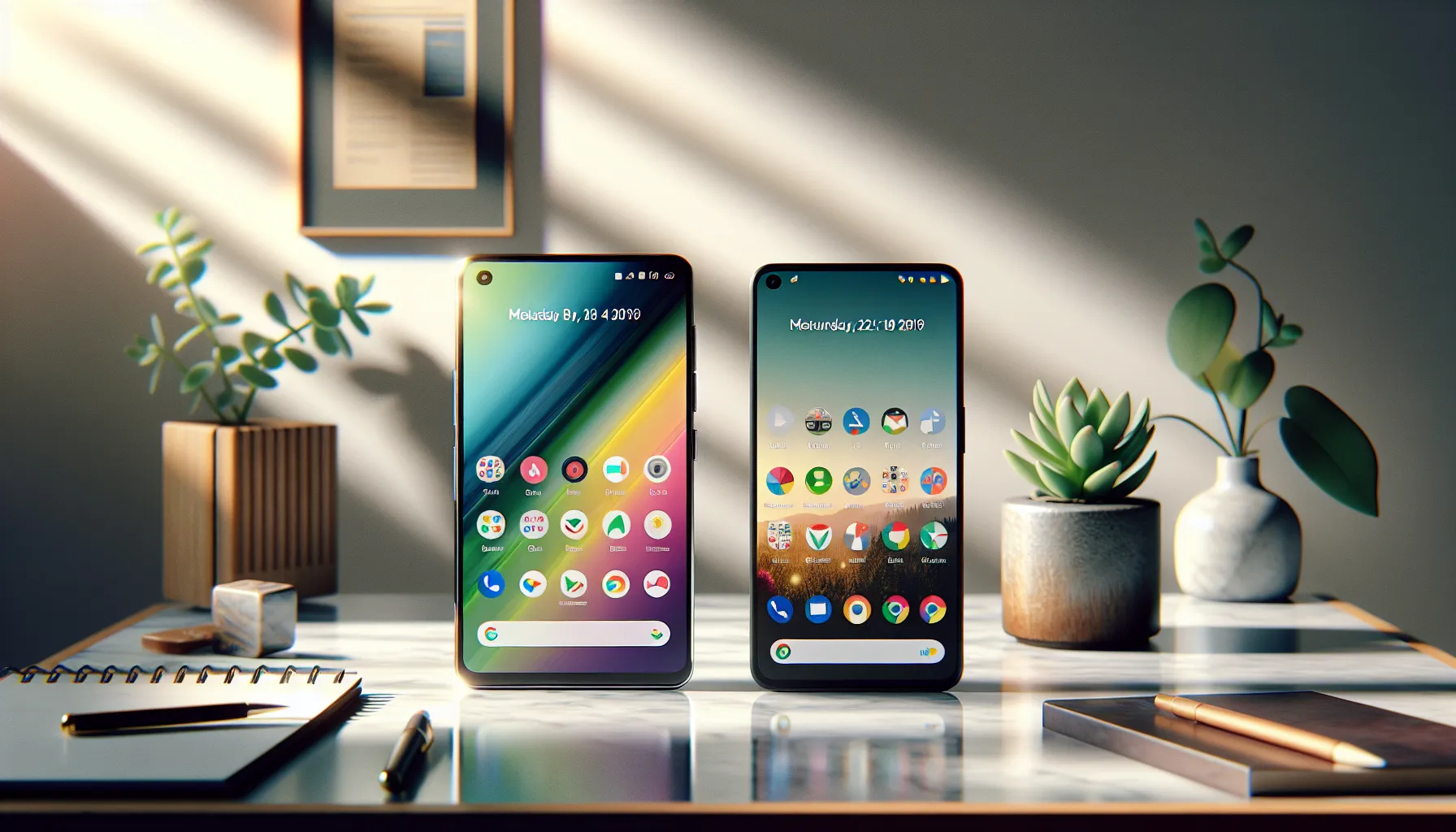
On the other hand, Android’s interface varies from one manufacturer to another, leading to a range of experiences. While Google Pixel may offer a stock Android experience that resembles iOS, other brands like Samsung infuse their own UI, which may confuse first-time users. The flexibility of Android can be both its strength and weakness, depending on our personal preferences.
Customization and Flexibility
Android shines in the realm of customization. We can modify our home screens, choose default applications, and even install third-party apps from outside the Google Play Store if we so desire. This level of flexibility appeals to those who enjoy tailoring their devices. In contrast, iOS restricts such freedom in a bid to maintain security and consistency. While this may frustrate some, it reassures others who prioritize simplicity and security.
App Ecosystem: Quality vs. Quantity
The app ecosystem is yet another pivotal area where the iPhone and Android devices differ significantly.
When we consider quality, iOS apps generally receive more timely updates and tend to come with polished interfaces. Developers often prioritize iOS because its user base is typically willing to spend more on apps. But, Android offers a broader selection, boasting millions of apps that cater to varied interests and needs.
Our choice may come down to what we value more. Are we looking for cutting-edge features or a wider range of options? It’s essential to evaluate how we use our devices and what matters most in our day-to-day digital lives.
Performance and Hardware Comparisons
Performance varies profoundly between the two platforms, particularly when it comes to hardware components.
Camera Quality and Photography Capabilities
When we dissect the camera capabilities, both iPhone and Android brands like Samsung and Google offer impressive options. Apple’s latest iPhone models are renowned for their superb image processing, delivering vibrant and lifelike images. But, Android devices, particularly the latest Samsung Galaxy and Google Pixel phones, also challenge this narrative with their advanced camera systems and features like Night Mode.
Battery Life and Charging Options
Battery life often becomes a crucial deciding factor for many users. Apple has made strides in optimizing battery life, especially with newer models that come equipped with energy-efficient chips. Nevertheless, numerous Android devices come with larger batteries, sometimes outlasting their iPhone counterparts. Also, many Android models also support reverse wireless charging and more flexible charging options, appealing to our varied charging needs.
Security and Privacy Features
Security is a paramount concern in our digital age, and both Apple and Android approach this issue with distinctive strategies.
Apple places significant emphasis on user privacy, employing tough encryption methods and safeguarding user data. Their commitment to protecting personal information can be a strong selling point for those who are wary of data breaches.
Conversely, Android’s wide range of devices results in varying security levels. Google continues to enhance its security measures, but we must be vigilant about which devices we choose and remain open to learning how to secure our information on these platforms.
Cost and Value for Money
Cost plays a vital role in our decision-making process. The pricing structure of iPhones often skews toward the higher end, but many users are willing to pay for the perceived quality and lasting value. Often, an iPhone continues to hold its value better than most Android devices, making it a potentially smarter long-term investment.
Android offers a wide price range, providing us with numerous options that cater to different budgets. From entry-level devices to flagship competitors, we can find an Android smartphone that fits our needs. But, the trade-off might come in support and updates, as cheaper models may not receive timely software upgrades and security patches.
Conclusion
In our exploration of iPhones and Android devices, we’ve uncovered a range of features, strengths, and weaknesses that influence our choices. Whether we lean towards the sophisticated design of the iPhone or the flexible nature of Android, it eventually comes down to our preferences and priorities.
Each platform offers unique benefits that cater to different user needs, and as technology continues to evolve, so too will these devices. As we make our choice, let’s remember to reflect on what truly matters to us, whether that’s seamless usability, stunning visuals, customization, or budget-friendliness. The best smartphone is the one that truly fits into our lifestyle.
Published: February 18, 2026 at 11:59 am by Ellie B, Site owner & Publisher
To provide the best experiences, we use technologies like cookies to store and/or access device information. Consenting to these technologies will allow us to process data such as browsing behaviour or unique IDs on this site. Not consenting or withdrawing consent, may adversely affect certain features and functions.
Functional
Always active
The technical storage or access is strictly necessary for the legitimate purpose of enabling the use of a specific service explicitly requested by the subscriber or user, or for the sole purpose of carrying out the transmission of a communication over an electronic communications network.
Preferences
The technical storage or access is necessary for the legitimate purpose of storing preferences that are not requested by the subscriber or user.
Statistics
The technical storage or access that is used exclusively for statistical purposes.The technical storage or access that is used exclusively for anonymous statistical purposes. Without a subpoena, voluntary compliance on the part of your Internet Service Provider, or additional records from a third party, information stored or retrieved for this purpose alone cannot usually be used to identify you.
Marketing
The technical storage or access is required to create user profiles to send advertising, or to track the user on a website or across several websites for similar marketing purposes.