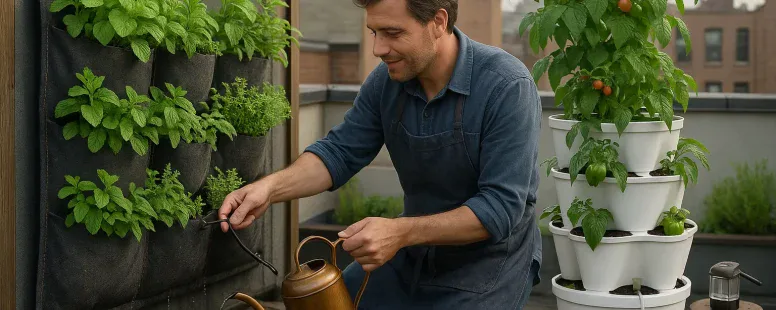
You can make a living wall that feeds, shades, or beautifies your space, but the material you pick sets the limits. Vertical fabric pockets and plastic modular systems both let you grow upward, yet they behave very differently with water, roots, and time. Read on to see how each system works, which one suits your plants and budget, and what trade-offs you’ll face when you choose one over the other. Expect practical comparisons, named examples (Woolly Pocket, GreenStalk, Gro-Wall, Tower Garden), and honest user lessons that help you pick fast and avoid costly mistakes.
What Each System Is And How It Works
Fact: Vertical fabric pockets are flexible, porous hang-on-the-wall growing containers that hold planting medium and allow wicking and evaporation.
Vertical Fabric Pocket Design And Function
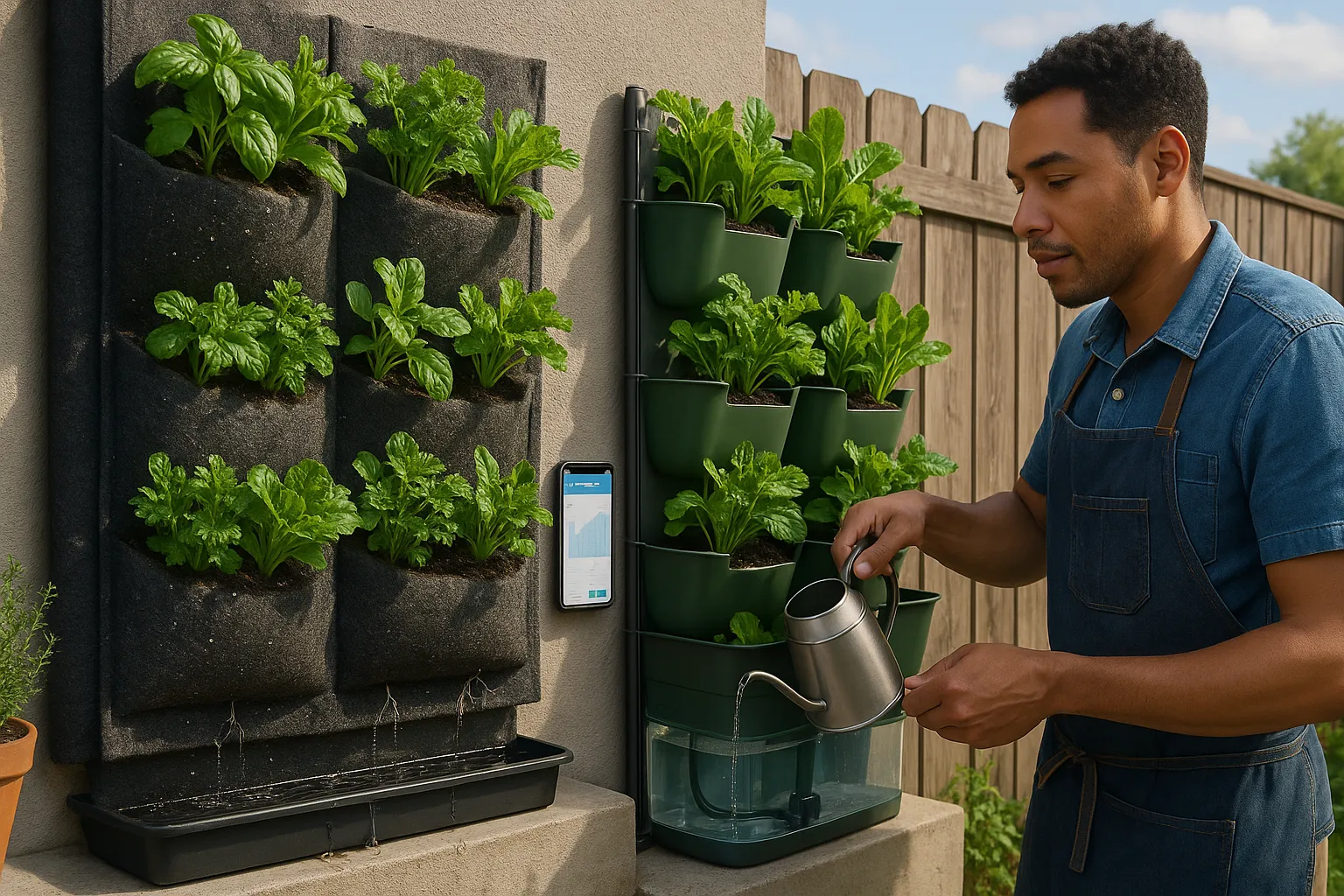
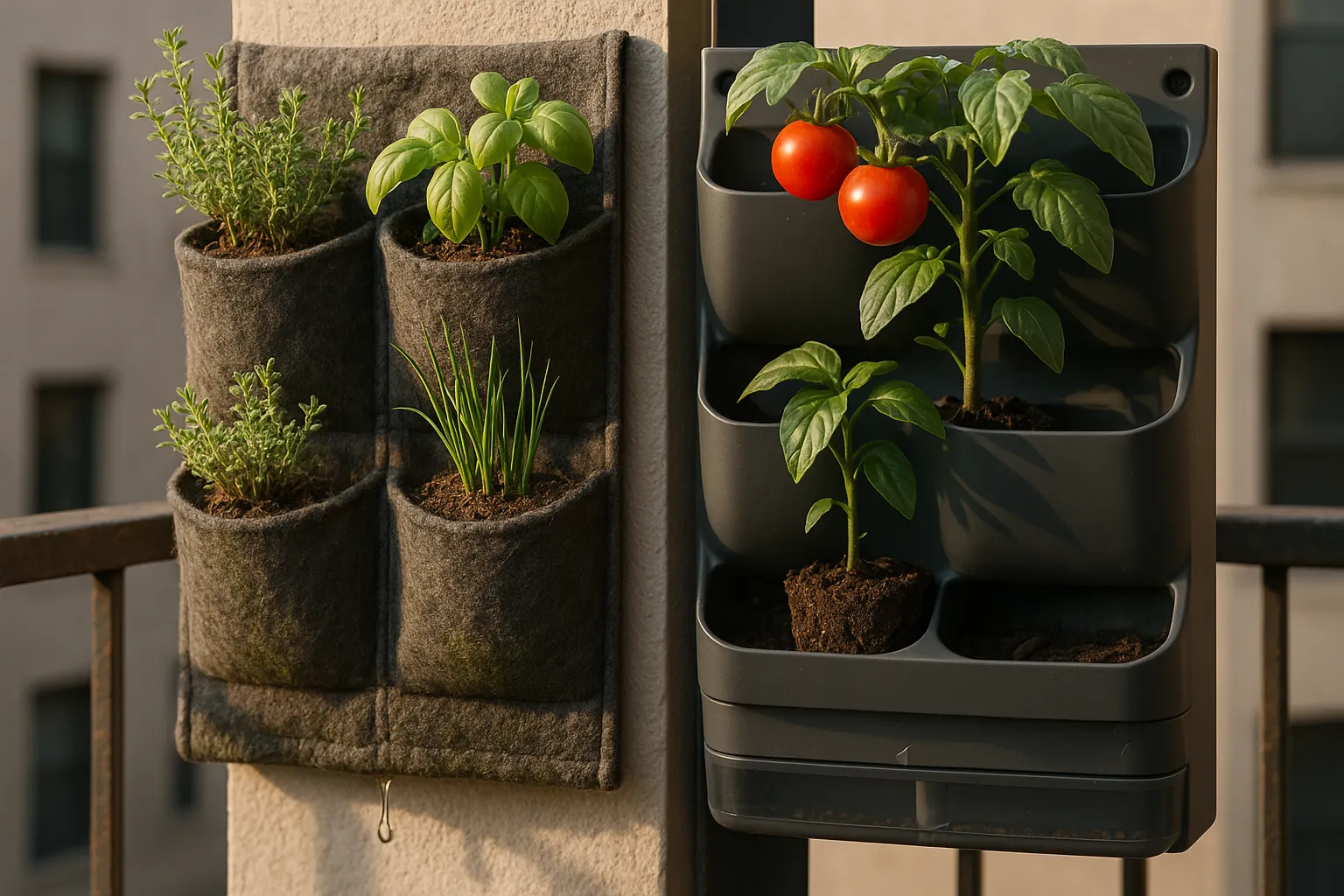
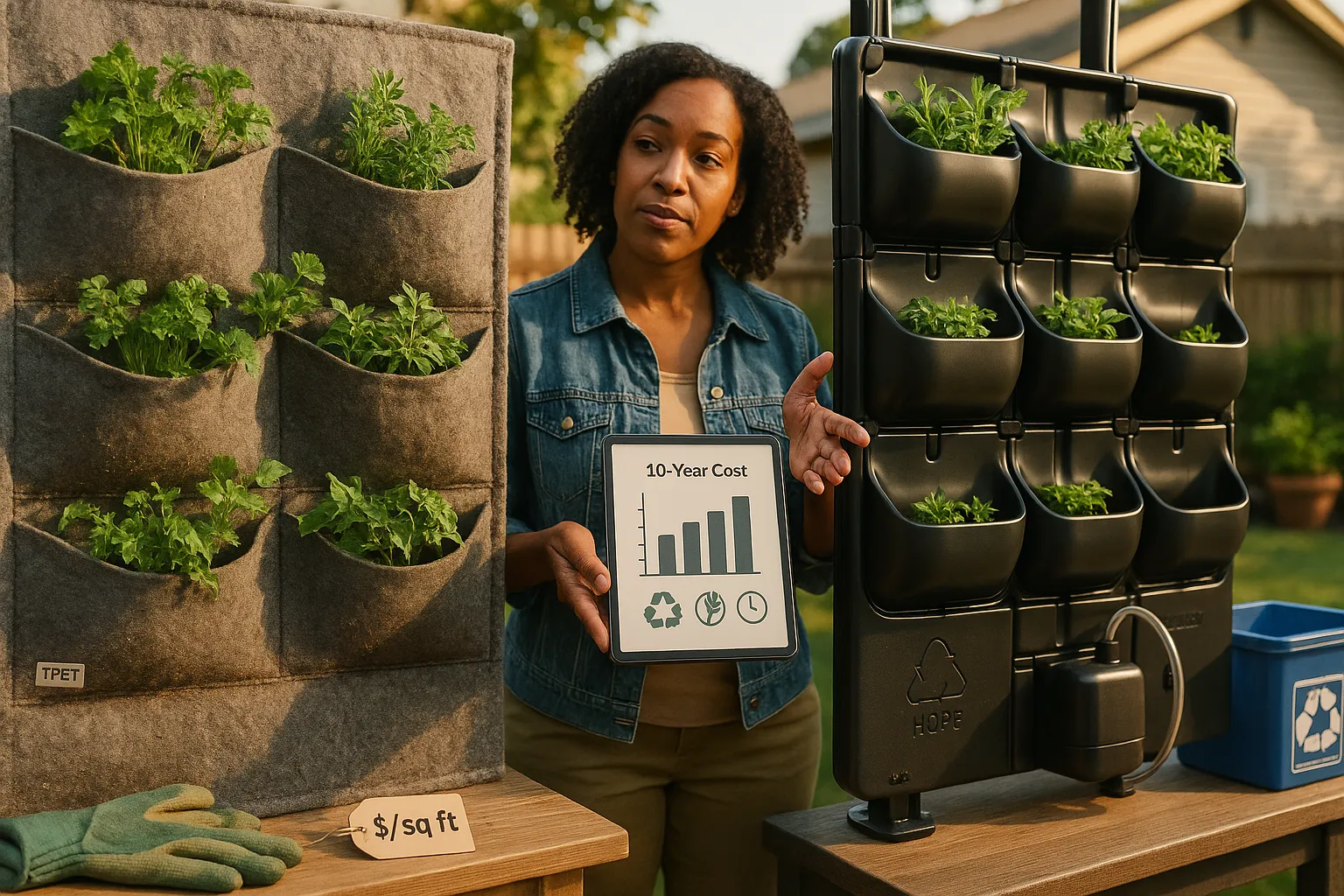
Vertical fabric pockets usually use felt, nonwoven polypropylene, or recycled PET. You hang panels or modular pockets on a frame or wall: each pocket holds soil or a soilless mix. Water moves by gravity and capillary action. Roots access air through the fabric: excess water escapes as evaporation or drips from the bottom row. Brands like Woolly Pocket and root-pouch emphasize breathability and recycled materials. You get high gas exchange and easy planting, but you must manage watering frequency because fabric loses moisture faster than sealed containers.
Plastic System Types And How They Operate
Fact: Plastic systems include rigid trays, modular stackables, and closed hydroponic towers that control water flow with pipes or pumps.
Plastic options range from injection-molded pockets (Gro-Wall) to stacked planters (GreenStalk) and aeroponic towers (Tower Garden). Many plastic systems use a reservoir, pump, and drip or wick irrigation. They trap more water, let you recirculate nutrients, and reduce watering frequency. Rigid walls keep shape under load and simplify root management. But plastic can limit airflow and sometimes hide root problems until they’re severe.
Head-to-Head Performance Comparison
Fact: Performance varies by metric, no single system wins every category. You must prioritize what matters: durability, moisture control, thermal buffering, or pest resistance.
Durability And Mechanical Strength
Fabric pockets wear from UV, abrasion, and constant moisture. High-grade polypropylene can last 5–10 years outdoors if sheltered: lower-cost felt may last 2–4 years. Plastic systems can last 10–20 years but may crack under freeze-thaw cycles or warp in intense sun. For a balcony in Chicago you might pick plastic for strength: for a shaded courtyard in Portland fabric may suffice. Users report that stitching and seams are the weak points on fabric pockets: in plastic, joins and fasteners often fail first.
Moisture Retention, Wicking, And Drainage
Fabric pockets wick and drain quickly. They dry from the sides, which benefits shallow-rooted herbs and annuals. Plastic systems retain more water and let you build reservoirs. That suits tomatoes or peppers that prefer steady moisture. But, waterlogged plastic pockets raise root-rot risk if circulation is poor. You’ll adjust substrate: add coir or perlite in fabric: use engineered media or hydroponic plugs in plastic.
Thermal And Insulation Properties
Fabric transmits ambient temperature faster: plants feel day-night swings more. Plastic buffers temperature slightly, especially in systems with a water reservoir that stores heat. If you place a vertical garden against a hot wall in Phoenix, plastic with insulation or an air gap will protect roots more than fabric pockets pressed to masonry.
Chemical Resistance, Pest Issues, And Mold Risk
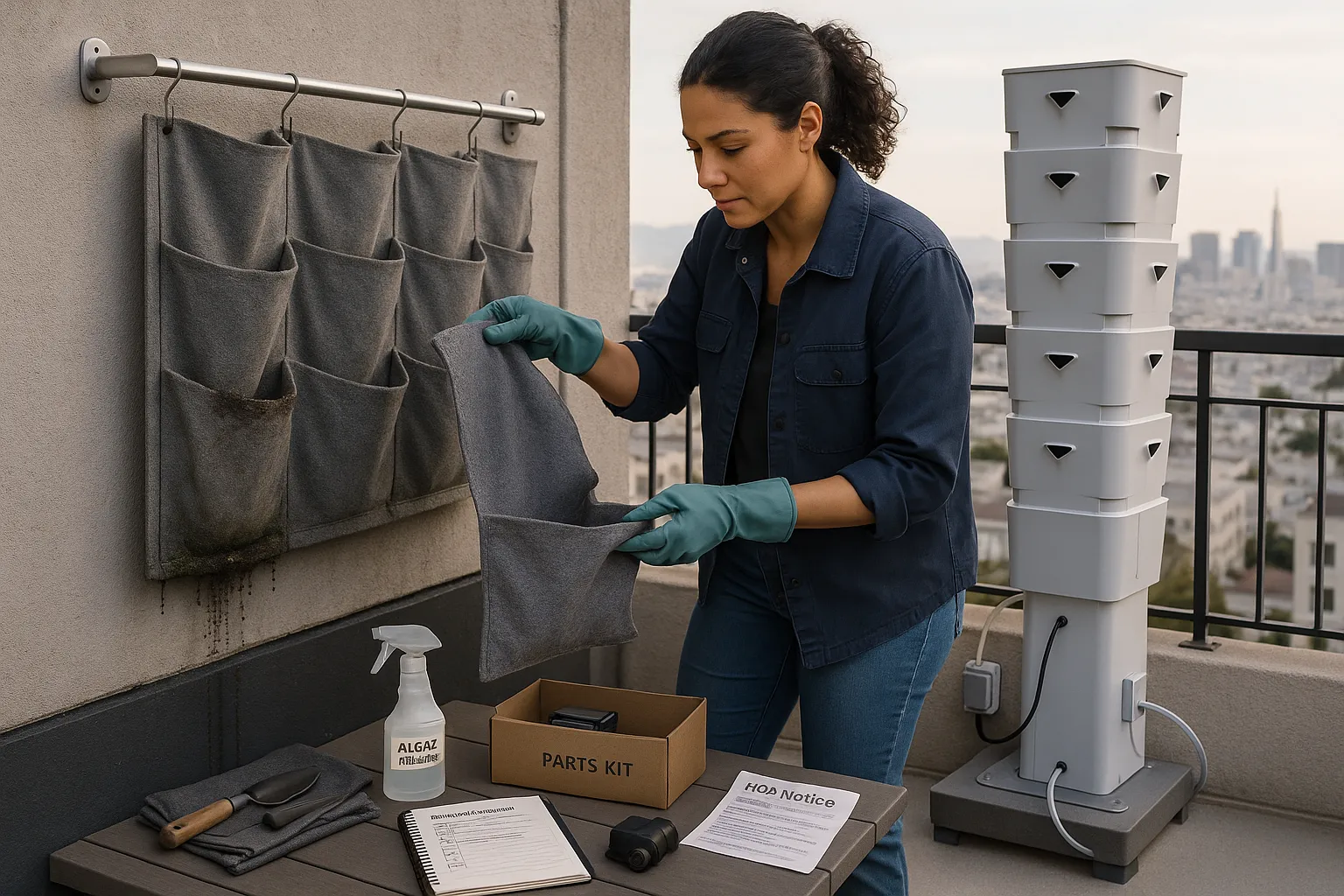
Plastic resists breakdown from fertilizers and many common pesticides. Fabrics can be sensitive to bleach or strong fungicides: some dyes fade. Mold and algae grow on wet fabric surfaces faster, which can attract fungus gnats. Plastic systems hide moisture and may harbor slugs or rodents in cavities if left neglected. Both need sanitation: periodic bleach rinse for plastic: drying and replacement for heavily soiled fabric pieces.
Airflow, Root Space, And Plant Health Outcomes
Fabric offers superior lateral airflow and encourages fibrous root systems near the air-fabric interface. That produces vigorous, oxygenated roots but limits deep anchoring. Plastic pockets offer deeper, confined root volumes and can support larger fruiting plants if the module depth is sufficient. Growers with peppers or dwarf citrus lean to plastic towers: herb farmers and designers wanting lush green faces pick fabric.
Installation, Maintenance, And Practical Considerations
Fact: Installation complexity depends on system weight, water plumbing, and wall attachment requirements.
Site Preparation And Installation Complexity
For fabric pockets you need a sturdy hanging rail or bolt-through anchors and a lightweight frame. Prepare the wall for drainage and consider a waterproof membrane if moisture will contact building fabric. Plastic towers often require a level base, anchoring for wind loads, and access to power for pumps. If you live in an HOA-managed condominium in San Francisco, confirm load limits and electrical access before you buy.
Routine Maintenance, Cleaning, And Repair Needs
Fabric requires more frequent checks: replace shredded pockets, refresh soil annually, and inspect seams. Hand-washing pockets once a year reduces algae. Plastic needs pump checks, occasional flushing of lines, and UV-protective coatings over years. Both systems need pruning, pest scouting, and nutrient management. Experienced users recommend a simple schedule: weekly visual checks, monthly nutrient/top-off, and seasonal deep clean.
Replacement Cycle And Long-Term Care
Expect to replace low-cost fabric panels every 2–4 years: high-end fabric or reinforced felt can reach 7–10 years. Plastic modules with good UV stabilizers often last 10–20 years but may need gasket or pump replacements. Plan for parts: buy extra pockets or a spare pump when you order the system. Small failures compound fast, a torn pocket will wash out soil and invite pests, while a failed pump can kill roots in days.
Cost, Lifecycle Economics, And Sustainability
Fact: Fabric systems typically cost less up front but may cost more over time if you replace panels frequently.
Upfront Costs Versus Long-Term Value
Fabric pockets often come cheaper per square foot: DIY felt walls are the lowest cost. Plastic systems cost more initially due to molded parts and pumps. Over a 10-year horizon, a durable plastic wall with low maintenance can be cheaper than replacing fabric twice. But if you value low-capital outlay or seasonal use, fabric wins.
Lifespan, End-Of-Life Disposal, And Recyclability
Recycled PET fabric pockets (root-pouch type) can be recycled in some programs, but many municipal systems won’t accept composite panels. Rigid HDPE or polypropylene plastic is widely recyclable if clean. But, mixed components, pumps, tubing, foam, complicate disposal. Manufacturers like GreenStalk advertise recyclable modules: check local recycling rules before you buy.
Environmental Footprint And Resource Use
Fabric pockets often use less plastic and less energy in manufacture. But their shorter lifespan can increase cumulative resource use. Plastic systems use more material up front but last longer. If you select recycled materials and maintain the system, both options can be low-impact compared with building a new raised bed or importing soil.
Use Cases, Plant Types, And Best-Fit Scenarios
Fact: Match the system to the plant habits and your maintenance willingness.
When Vertical Fabric Pockets Are The Better Choice
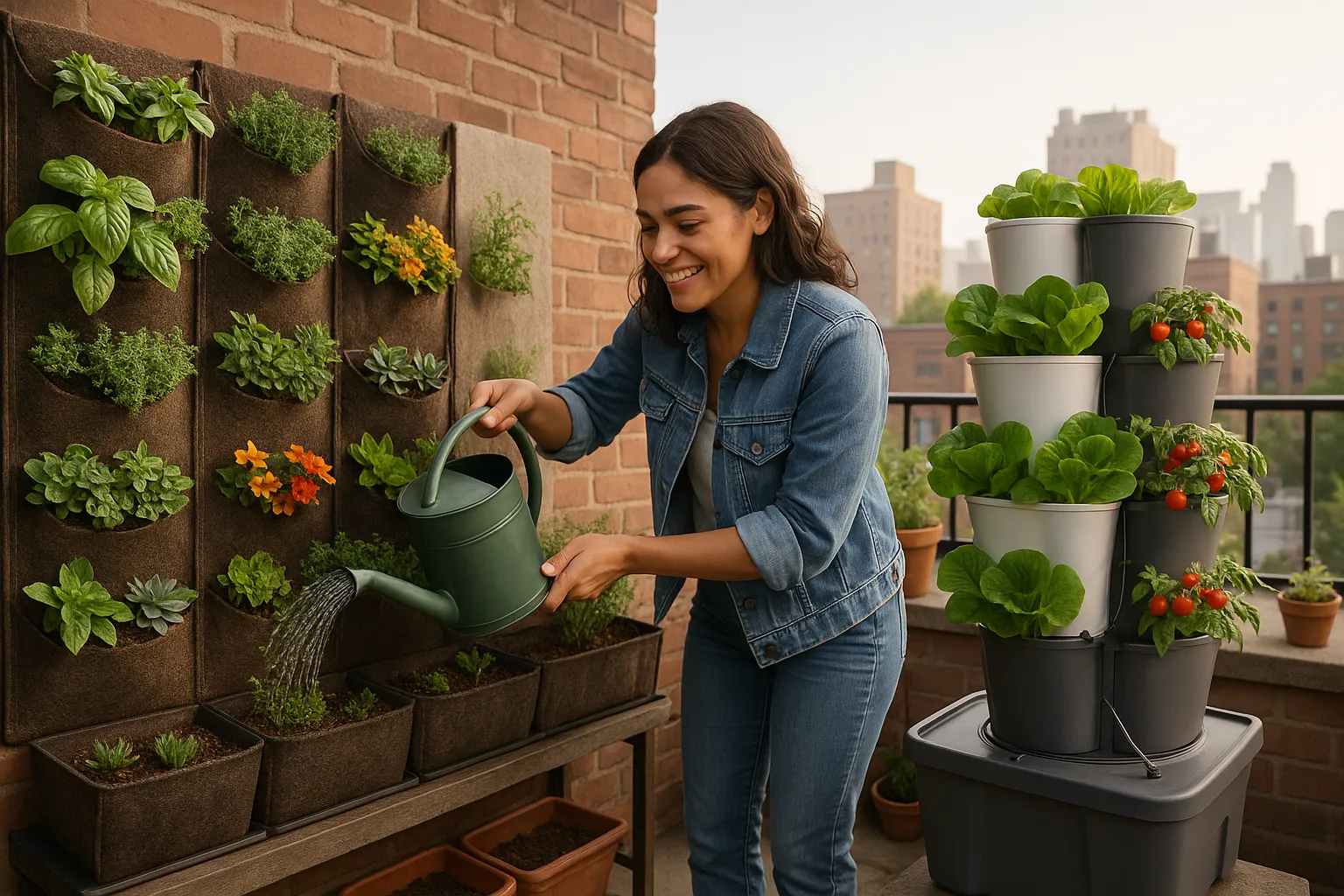
Choose fabric when you want quick green coverage, frequent rotation of plants, or a lightweight solution for a rental balcony. Fabric suits annual herbs, succulents, and bedding plants. Install Woolly Pocket panels for a mossy, green facade or use root-pouch pockets for community garden art projects. You’ll like fabric if you water daily and enjoy hands-on care.
When Plastic Systems Are The Better Choice
Pick plastic if you want larger fruiting crops, automated irrigation, or a long-lasting installation on a commercial façade. Tower Garden and GreenStalk work well for lettuce, tomatoes in dwarf varieties, and year-round production with pumps and nutrient control. Choose plastic when you need a predictable, lower-labor system.
Hybrid Approaches And Design Modifications To Consider
You can mix: use plastic trays at the base for water buffering and fabric panels above for visual softness. Add a drip line to fabric walls to even out watering. Insulate plastic modules when against hot walls. Many designers pair a reservoir-based plastic core with fabric faces for the best of both worlds.
Practical Buying Guide And Common Mistakes To Avoid
Fact: The top mistakes are ignoring weight, skipping pump redundancy, and underestimating maintenance.
Key Selection Criteria Checklist
Load capacity of your wall or balcony (kg/sq ft).
Water system type: passive drip, active pump, or none.
Plant goals: herbs and ornamentals vs. fruiting crops.
Sun exposure and thermal risk (hot wall vs. shaded).
Replacement parts availability (extra pockets, pumps, connectors).
Material origin: recycled, UV-stabilized, warranties.
Installation And Maintenance Tips From Experienced Users
Start with a small prototype panel before outfitting a whole facade. Buy spare pockets and one extra pump. Mount a drip tray or water barrier behind fabric to protect walls. Use a mix of media: coir plus perlite for fabric: hydroponic plugs for plastic. Flush plastic tubing with a mild vinegar solution every 3–6 months. And: check seams and hanging points monthly, small fails become big messes fast.
User story: A cafe owner in Seattle replaced a DIY felt wall after two seasons. They switched to a hybrid: GreenStalk at ground level for herbs, Woolly Pocket above for ornamentals. The change reduced watering time from daily to every 3 days and kept customers happy. Learn from that: plan for real use, not idealized care schedules.
To provide the best experiences, we use technologies like cookies to store and/or access device information. Consenting to these technologies will allow us to process data such as browsing behaviour or unique IDs on this site. Not consenting or withdrawing consent, may adversely affect certain features and functions.
Functional
Always active
The technical storage or access is strictly necessary for the legitimate purpose of enabling the use of a specific service explicitly requested by the subscriber or user, or for the sole purpose of carrying out the transmission of a communication over an electronic communications network.
Preferences
The technical storage or access is necessary for the legitimate purpose of storing preferences that are not requested by the subscriber or user.
Statistics
The technical storage or access that is used exclusively for statistical purposes.The technical storage or access that is used exclusively for anonymous statistical purposes. Without a subpoena, voluntary compliance on the part of your Internet Service Provider, or additional records from a third party, information stored or retrieved for this purpose alone cannot usually be used to identify you.
Marketing
The technical storage or access is required to create user profiles to send advertising, or to track the user on a website or across several websites for similar marketing purposes.