Picture this: you’re cruising down the highway, music blasting, windows down, when suddenly your car sputters and stalls. A breakdown wasn’t part of today’s plan, right? But what if that frustrating moment could’ve been avoided with a little proactive care? Regular vehicle maintenance and inspections often get overlooked in the hustle of daily life, yet they might hold the key to keeping you on the road without unexpected stops.
You might wonder—can routine check-ups really prevent those dreaded roadside emergencies or is it just another myth? The truth lies in understanding how small efforts now can save you from major headaches later. From catching hidden issues early to extending your car’s lifespan, regular attention to your vehicle isn’t just about safety—it’s about peace of mind. Let’s jump into whether these practices truly make a difference or if they’re just another automotive cliché.
Importance Of Regular Vehicle Maintenance
Routine vehicle maintenance ensures your car operates efficiently and reduces the risk of unexpected issues. By addressing potential problems early, you can save time, money, and avoid roadside emergencies.
Benefits Of Routine Vehicle Care
Preventing breakdowns is one key advantage of regular maintenance. Inspections for worn-out brake pads or low fluid levels can help identify faults before they escalate. For example, replacing a failing battery during a scheduled service avoids getting stranded unexpectedly.
Improved fuel efficiency also results from consistent care. Clean air filters and properly inflated tires ensure optimal engine performance, reducing gas consumption by up to 10%, according to the U.S. Department of Energy.
Enhanced safety is another benefit. Well-maintained vehicles with functioning headlights, brakes, and tires are less likely to cause accidents in poor driving conditions like rain or snow.
Extending your car’s lifespan becomes achievable through routine oil changes and timely part replacements. Neglecting these can lead to costly repairs or premature vehicle replacement.
Common Misconceptions About Maintenance
Some believe modern cars don’t require frequent upkeep due to advanced technology. While newer models have better diagnostics systems, neglecting basic checks like tire pressure still leads to wear-and-tear over time.
Another misconception is that maintenance costs more than it’s worth. But, skipping regular servicing often results in significant expenses later—for instance repairing an overheated engine caused by ignoring coolant issues.
Others think DIY fixes suffice for all situations when professional expertise matters for complex systems such as electrical components or transmission health monitoring.
Misjudging timing intervals between services also occurs frequently; following manufacturer-recommended schedules ensures comprehensive inspections tailored specifically for your vehicle model’s needs.
Role Of Vehicle Inspections In Preventing Breakdowns
Vehicle inspections play a vital role in identifying mechanical issues before they lead to breakdowns. These evaluations focus on critical systems and components that directly affect performance and safety.
Essential Components Checked During Inspections
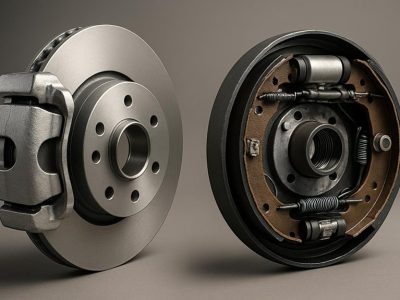
Inspections often cover areas responsible for frequent failures, like brakes, tires, and fluid levels. For example, brake inspections assess pad thickness and rotor condition to ensure effective stopping power. Tire checks look for proper tread depth, even wear patterns, and correct inflation levels to avoid blowouts. Fluid reviews monitor engine oil, coolant, transmission fluid, and brake fluid to detect leaks or low levels.
Technicians also examine belts and hoses for cracks or fraying that could cause sudden failure. Battery health assessments include checking voltage output and terminal connections since weak batteries are a leading cause of roadside emergencies. Lights are inspected to confirm visibility standards are met.
How Inspections Enhance Vehicle Longevity
Regular inspections contribute to vehicle longevity by preventing small problems from escalating into major repairs. Replacing worn parts like timing belts or spark plugs at scheduled intervals minimizes strain on related components. For instance, a failing belt can damage the water pump or alternator if left unchecked.
Preventative care through inspections keeps engine efficiency optimized by ensuring air filters remain clean and fuel injectors function properly. A clogged filter restricts airflow while dirty injectors disrupt fuel delivery; both reduce mileage over time.
By addressing potential threats early—such as corrosion on exhaust systems—you maintain structural integrity longer without costly replacements later on. Following inspection recommendations helps you save money while preserving your vehicle’s reliability over years of ownership.
True Or False: Regular Maintenance And Inspections Prevent Breakdowns
Routine maintenance and inspections play a significant role in reducing the likelihood of vehicle breakdowns. By addressing potential issues early, you ensure your car remains reliable and efficient over time.
Evidence Supporting Preventive Maintenance
Studies from automotive industry reports show that cars undergoing regular maintenance experience fewer on-road failures. For example, checking oil levels or replacing worn-out belts prevents engine overheating or sudden stalling. A 2019 AAA report indicated that one-third of drivers skipped recommended services, leading to unexpected breakdowns caused by neglected components.
Examples include brake pad wear causing reduced stopping power or low coolant levels resulting in engine damage. Mechanics often identify minor problems like tire misalignment during routine inspections, avoiding costly repairs later. Manufacturer-recommended intervals for servicing ensure key systems function optimally under various driving conditions.
Skipping basic upkeep increases risks of malfunctions such as battery failure or transmission issues—both costly and inconvenient when left unchecked.
Factors That Affect Breakdown Prevention
Several factors influence how effectively maintenance prevents breakdowns:
Driving Habits: Aggressive acceleration or frequent braking accelerates wear on parts like brakes and tires.
Vehicle Age: Older vehicles require more frequent checks because parts degrade faster over time.
Adherence to Schedule: Skipping scheduled services reduces the chance of detecting hidden faults.
Consequences Of Neglecting Maintenance And Inspections
Skipping regular maintenance and inspections can lead to serious problems for your vehicle. Over time, these oversights compound, causing avoidable breakdowns and compromising overall performance.
Common Issues Due To Lack Of Care
Ignoring routine care often results in gradual wear that escalates into major malfunctions. For example, failing to replace worn-out brake pads can damage rotors, leading to expensive repairs. Unchecked oil levels or old oil reduces engine lubrication, increasing friction and causing overheating or engine failure. Tire neglect—like driving with low pressure or uneven tread—poses risks of blowouts during high-speed travel.
Engine misfires may occur if spark plugs aren’t inspected over time, while clogged air filters restrict airflow needed for combustion efficiency. These examples highlight how small issues develop into critical failures when left unaddressed.
Financial And Safety Implications
Neglecting maintenance impacts both your wallet and road safety significantly. Repair costs skyrocket when minor fixes are postponed; replacing an entire engine due to missed oil changes is far costlier than periodic servicing fees. Plus to financial strain, malfunctioning brakes or steering components increase the likelihood of accidents on the road.
Vehicles with poor maintenance records depreciate faster too—a factor impacting resale value negatively compared to well-kept cars. Ensuring consistent upkeep not only avoids unexpected expenses but also protects you from potential hazards like stalling in traffic-heavy areas or losing control at high speeds.
Practical Tips For Effective Vehicle Maintenance And Inspections
Regular maintenance and inspections keep your vehicle running smoothly, enhancing safety and preventing unexpected repairs. Adopting proactive practices ensures long-term reliability.
Creating A Maintenance Schedule
Establishing a consistent schedule aligns your efforts with manufacturer-recommended intervals. Prioritize tasks like oil changes every 3,000 to 7,500 miles, depending on your car’s specifications. Replace air filters annually or after 12,000 miles to maintain engine efficiency. Rotate tires every 6,000 to 8,000 miles to ensure even wear.
Set reminders using apps or calendars for timely servicing. For instance, plan brake pad replacements when thickness drops below the recommended threshold of 3 millimeters. Include seasonal checks—inspect antifreeze levels before winter and AC performance during summer months.
Choosing Reliable Inspection Services
Selecting trustworthy professionals guarantees accurate assessments of your vehicle’s condition. Look for certified technicians with ASE (Automotive Service Excellence) credentials. Reputable service centers provide detailed reports covering brakes, suspension systems, and fluid leaks.
Verify reviews on platforms like Yelp or Google to gauge customer satisfaction rates; seek ratings above 4 stars from at least 50 users as a benchmark of quality service providers in your area. Avoid shops that push unnecessary repairs without evidence-backed explanations.
Conclusion
Regular vehicle maintenance and inspections aren’t just good practices—they’re essential for preventing breakdowns, ensuring safety, and maintaining your car’s performance. By staying proactive and addressing potential issues early, you can save money, avoid unexpected repairs, and enjoy a smoother driving experience.
Neglecting upkeep not only increases the risk of malfunctions but also compromises your vehicle’s longevity and value. Prioritizing routine check-ups with trusted professionals helps you catch hidden problems before they escalate into costly repairs or dangerous situations.
When you follow manufacturer-recommended schedules and invest in reliable inspection services, you’re making a smart choice to protect both your wallet and peace of mind. Consistent care keeps your car running efficiently year after year while reducing the chances of on-road emergencies.
To provide the best experiences, we use technologies like cookies to store and/or access device information. Consenting to these technologies will allow us to process data such as browsing behaviour or unique IDs on this site. Not consenting or withdrawing consent, may adversely affect certain features and functions.
Functional
Always active
The technical storage or access is strictly necessary for the legitimate purpose of enabling the use of a specific service explicitly requested by the subscriber or user, or for the sole purpose of carrying out the transmission of a communication over an electronic communications network.
Preferences
The technical storage or access is necessary for the legitimate purpose of storing preferences that are not requested by the subscriber or user.
Statistics
The technical storage or access that is used exclusively for statistical purposes.The technical storage or access that is used exclusively for anonymous statistical purposes. Without a subpoena, voluntary compliance on the part of your Internet Service Provider, or additional records from a third party, information stored or retrieved for this purpose alone cannot usually be used to identify you.
Marketing
The technical storage or access is required to create user profiles to send advertising, or to track the user on a website or across several websites for similar marketing purposes.