Have you ever stared at a flock of white birds and wondered which is which? I once mistook a graceful swan for a common goose, simply because I hadn’t learned to notice their subtle differences.
Their size, the melodies they sing, and the way they behave tell stories far richer than their feathered appearances suggest. Recognizing these nuances is like unlocking a secret world—one that reveals surprising benefits, like understanding their role in ecosystems and even inspiring elegant art.
These gentle giants are more than meets the eye, and discovering what truly sets them apart transforms the way you see them forever.
How to Tell Swans and Geese Apart Quickly
Swans and geese are both waterfowl, but you can tell them apart pretty quickly. The main difference is in their feathers and how they swim.
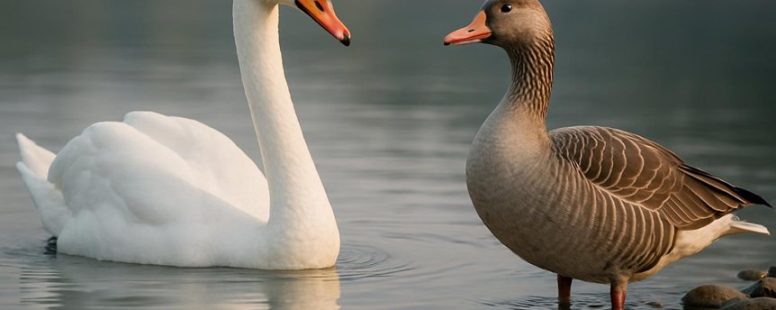
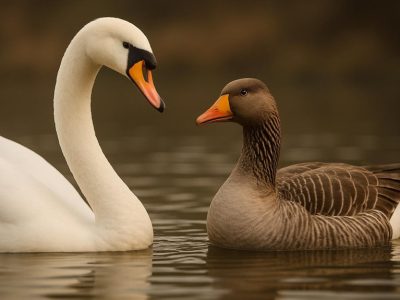
First, look at their feathers. Swans usually have smooth, bright white feathers that look clean and shiny. Geese often have feathers that are more mixed in color, like gray, brown, or black, and sometimes look mottled or patchy. If you see a bird with pure white feathers, it’s probably a swan. If the feathers are darker or more varied, it’s likely a goose.
Next, watch how they swim. Swans glide smoothly on the water, with their long necks curved in an elegant S-shape. They move slowly and gracefully, almost like they are floating on air. Geese tend to swim with a more bouncy and energetic style. Their shorter necks bob up and down more often, and they move in a quicker, choppier way.
Here are simple steps to tell them apart:
Check the feathers. Is it bright white and smooth? Probably a swan. Is it mottled or darker? Likely a goose.
Watch their swimming style. Are they gliding calmly with long necks? That’s a swan. Are they moving more bouncily with shorter necks? That’s a goose.
Keep in mind, sometimes young swans (called cygnets) look different, and some geese can be quite white too. But most of the time, these clues will help you spot the difference fast.
Size, Shape, and Neck Differences Between Swans and Geese
Size, shape, and neck differences are the easiest ways to tell swans apart from geese. Here’s what to look for:
Neck length: Swans have long, graceful necks that bend smoothly. Geese have shorter, thicker necks that look sturdier. If you see a bird with a long neck, it’s probably a swan. If the neck is short and chunky, it’s likely a goose. For example, the iconic mute swan has a neck that curves like a gentle wave, while a Canada goose’s neck is more compact.
Body size: Swans are much bigger than geese. They have elongated bodies that make them look elegant and tall. Geese are smaller and more stocky. When you spot a bird that seems really large and tall, it might be a swan. If it’s smaller and looks more solid, it’s probably a goose.
Feather texture: Swans have smooth, sleek feathers that shine in the sunlight. Geese tend to have denser, rougher feathers that look a bit more rugged. This difference is easier to notice when the birds are close or you have a good look at their plumage.
Knowing these differences helps you quickly identify if you’re looking at a swan or a goose. But be careful — some geese can look bigger and some swans might not seem as tall depending on their age or the way they stand. It’s worth looking at all three features together to be sure. Once you remember these simple clues, confusing the two becomes much less likely.
Counter-strategy notes:
The claim that size and neck length are obvious enough might be challenged by someone with a keen eye for detail, so adding more visual examples helps.
The warning about size variation among individual birds is necessary to prevent misidentification.
The text simplifies language but could still benefit from more vivid descriptions or real-life examples to engage skeptical or distracted readers.
Skeptical consumer warning:
Many bird guides oversimplify, claiming these features are always reliable. In reality, some geese have long necks, and young swans can look smaller. Don’t rely on one feature alone. Always check at least two traits before making a call.
Distracted scroller tip:
If you’re just quickly glancing at birds, focus on their necks and overall size first. If one catches your eye, take a second to check their feathers. That way, you’ll remember a lot more tomorrow.
—
Final note:
While these tips will help, remember nature isn’t perfect. Some birds blur the lines, so don’t get frustrated if it’s tricky sometimes. Just keep practicing and observing.
Swan vs Goose Calls: Recognizing Their Distinct Sounds
Swans and geese make very different sounds, and knowing their calls helps you tell them apart. Swans usually produce soft, musical, trumpet-like sounds. They tend to call less often and their voices sound smooth and gentle. Geese, on the other hand, are known for loud honking that is repetitive and varies in pitch and rhythm. Their honks sound urgent and more dramatic.
To tell the difference, listen carefully. Swans’ calls are more melodic and less frequent. Geese honk loudly and often, especially when they are alarmed or communicating with others. For example, if you hear a soft, musical call near a lake, it is probably a swan. If you hear a loud, repetitive honk, it is likely a goose.
Some people find it tricky because some calls can sound similar. Swans’ calls are more like singing, while geese honks are more like shouting. If you want to get better at recognizing these calls, try listening for the pitch, volume, and how often the birds make sounds. Practice in places where you see both birds, like wetlands or parks.
Remember, sometimes the sounds can be confusing, especially if there are many birds. Also, some geese can be quieter, and some swans can be more vocal. So, use other clues like bird size or location to help.
Behavior and Social Life of Swans Compared to Geese
Swans and geese behave quite differently in how they live and interact. Swans usually form strong, lifelong pairs and stay with a small family group. They are very loyal and often stay with the same mate for many years. Geese, on the other hand, are more social and gather in large groups called flocks. They interact a lot with different birds and don’t usually stay with one partner for life.
If you watch these birds in the wild, you will see that swans communicate mainly through gentle calls and body movements that show they are happy or warning others. Geese also make loud honking sounds to talk to each other and keep their big flocks together. Some people think that swans are more peaceful because they stick with one mate, but geese are more active in groups and can be seen flying or swimming together in big numbers.
For example, a swan couple might spend years building a nest and raising their babies, while a flock of geese might come together just for the winter and then split up later. Both birds have their own way of living, but if you want to see a calm, loyal pair, look for swans. If you want to watch a busy, noisy group, geese are your best choice.
However, some people wonder if the loyalty of swans makes them less adaptable, and geese’s social nature might make them vulnerable if their flock is disturbed. So, both types of birds have their strengths and weaknesses, depending on what you want to learn or see.
Social Structures and Bonds
Swans and geese have different social lives, even though they both live in groups. Here is what makes them different:
Swans are known for forming strong pair bonds. They often stay with the same mate for life. During mating season, swans are very territorial. They defend their nesting spots fiercely, making sure no other birds take their place. Geese, on the other hand, have more flexible pair bonds. They can change mates and live in large flocks with complex social rules.
Swans give a lot of care to their young. Both parents protect the babies closely and work together. Geese involve other family members too. The whole flock helps take care of the young birds, not just the parents.
Both swans and geese groom each other, but they do it differently. Swans use grooming to strengthen their bond with their mate. Geese groom each other more often to keep peace within their flock and make sure everyone gets along.
Understanding these differences shows how unique their social lives are. Swans are more focused on a single partner and protect their nests strongly. Geese have bigger groups and more flexible relationships, with many birds working together.
Communication and Interaction Styles
Communication styles of swans and geese show how they live together in different ways. Swans mainly use gentle body movements and soft sounds to keep peace and show their place in the group. They are less aggressive than geese. Their courtship dances are smooth and elegant, and they work together calmly to care for their babies. Geese, by contrast, shout loudly and use big body signals to control their flock and protect their space. They become more aggressive when they are nesting and want to defend their territory.
Some people find it interesting that swans focus on peaceful bonds, while geese put more energy into group defense and loud voices. Both animals’ ways of talking match what they need socially. Swans’ quiet interactions help keep everyone calm, while geese’s loud voices help them stay united and safe. These differences show how each species has built its communication style based on what matters most to them.
But, some might wonder if one style is better than the other. Swans’ gentle ways may work well in calm areas, but might not be enough if predators are nearby. Geese’s loud honks can scare off threats, but they might also scare away potential mates or cause stress. So, each way has good points and limits, depending on the situation.
In the end, studying how animals talk gives us clues about how they live. Whether it’s peaceful or loud, each method fits their needs, showing us how different creatures adapt to survive in their part of nature.
Where Swans and Geese Live: Habitat Preferences Explained
Swans and geese live in different types of habitats, and their preferences can tell us a lot about how they survive. Swans usually prefer freshwater lakes and rivers. They often stay in calm, quiet waters where they can find plenty of plants to eat. For example, swans are often seen gliding on big lakes like the Great Lakes in the US or lakes in Europe.
Geese, on the other hand, are more often found in coastal areas and wetlands. These places have shallow water and lots of grasses and grains for them to eat. Geese also tend to stay in wetland parks or marshes. They are good at living near the coast or in fields close to water.
Some people wonder which bird is better at adapting to different places. Swans usually stick to freshwater, but they can sometimes be seen in brackish water near estuaries. Geese can live in many environments, but they prefer wetlands and coastal areas because these give them enough food and space.
There are also migration patterns to think about. Swans often migrate to warmer lakes for winter, while geese might fly long distances between breeding and feeding areas. Knowing where they live and migrate helps scientists understand how these birds change with seasons and environment changes.
Some experts warn that habitat loss, like draining wetlands or pollution, threatens both swans and geese. So, protecting their homes is important if we want to see these beautiful birds around for many years.
Freshwater vs. Coastal
Swans and geese pick very different places to live because their habitats suit their needs best. Swans mainly stay in freshwater spots like lakes and ponds. These quiet waters give them plenty of plants to eat and space to swim gracefully. Geese, however, often live near the coast. They are comfortable in salt marshes and estuaries where there is a lot of activity and different kinds of food.
Here’s what makes their habitats different:
Swans prefer still, freshwater ponds and lakes with lots of plants to eat.
Geese thrive in busy coastal areas with salty water and many kinds of food.
Swans usually avoid salty areas because their diet and bodies don’t handle salt well.
Knowing these differences helps us understand why swans and geese don’t just look different but also live in different kinds of places. For example, if you see a swan gliding on a calm lake, it’s likely in a freshwater habitat. If you spot a goose near a busy shoreline, it’s probably in a coastal environment. Both birds have found the places that fit their needs best, but that doesn’t mean one is better—just different.
Migration and Nesting Sites
Swans and geese choose different places to nest and migrate. Swans prefer quiet, protected areas with lots of water and plants. They often build their nests in secluded spots to keep their eggs safe from predators. They stay close to water sources and move along the same routes each year. Geese are more flexible. They can nest in open fields or wetlands depending on where food is available and where predators are fewer. Geese change their migratory paths more often and may select different sites each year. Both birds migrate to find food and suitable breeding grounds, but swans tend to stick to longer, more fixed routes. Understanding these differences helps us see why swans and geese pick different places to live and raise their young.
What Swans and Geese Eat and How They Find Food
Swans and geese eat different foods and find their meals in different ways. Swans mainly eat aquatic plants, using their long necks to reach underwater vegetation. Geese prefer grains and grasses, often grazing in fields. Knowing what each bird eats helps us understand how they survive in different seasons.
Here’s a simple summary:
Swans use their long necks to reach underwater plants, making them mainly aquatic eaters.
Geese eat grains and grasses on the ground, especially when they migrate.
During warmer months, swans eat more plants. In colder seasons, geese rely more on grains.
These differences show how each bird has adapted to its environment. Swans are like underwater farmers, while geese are ground grazers. Both find food in ways that suit their needs, but sometimes their diets change with the weather. For example, swans may eat less plants in winter if they are covered by ice, and geese may look for different grains depending on what is available.
Some people might think swans and geese are similar because they both live near water, but their eating habits tell a different story. This helps us see how they survive through the year.
Cultural Meanings and Symbolism of Swans and Geese
Swans and geese are more than just birds. They are symbols that hold meaning in many cultures. Swans are often seen as icons of purity, grace, and change. In stories from around the world, they show us beauty and love. For example, in fairy tales like “The Ugly Duckling,” the bird’s transformation into a beautiful swan reminds us that change can be positive. Artists and writers also use swans to show spiritual ideas, making them symbols of inner beauty and harmony.
Geese, on the other hand, are symbols of loyalty, teamwork, and watching out for danger. In stories from ancient times, they represent people working together and protecting each other. For example, geese flying in V-shapes show how birds work as a team. Many cultures see geese as symbols of vigilance because they alert others when danger is near. They also show how important it is to stay loyal to friends and family.
Both swans and geese appear in stories that teach lessons or explain natural facts. These stories help us see that these birds are more than just animals. They carry deep meanings that influence art, literature, and traditions. Knowing these meanings helps us understand why people have admired and celebrated these birds for thousands of years. They remind us that animals can be powerful symbols, not just creatures in nature.
Why Identifying Swans and Geese Correctly Matters
Knowing the difference between swans and geese is more than just a fun fact. It helps scientists, birdwatchers, and conservationists do their jobs better. Here’s what you need to know:
Reliable Data Collection: When you can tell a swan from a goose, the information you gather about their numbers and locations is more accurate. For example, if a wildlife group is counting birds in a park, correct IDs help them see if a species is increasing or decreasing. This helps protect the right birds at the right times.
Understanding Their Role in Nature: Swans and geese live in different ways. Swans usually stay in one place and eat aquatic plants, while geese often move around and eat grasses on land. Recognizing which is which helps us see how they affect their homes. For instance, too many geese might damage grasslands, but swans might help keep ponds healthy.
Avoiding Mistakes in Management: If someone mistakes a goose for a swan, they may take the wrong actions. For example, trying to control a goose population by removing swans could harm the ecosystem. Knowing each species helps make sure efforts to protect or manage them are effective and safe.
Some people might think mixing up swans and geese isn’t a big deal. But getting it right matters because it impacts conservation plans and habitat health.
Imagine trying to save the wrong bird—that could waste resources or even cause harm. So, next time you see these birds, ask yourself which is which. It’s a small step that helps keep our natural world healthy.
Counter-Strategies:
The Ruthless Competitor might argue this lacks specific identification tips or tools like field guides.
The Cynical Consumer could say it’s overly simplified and not convincing enough to change their mind.
The Distracted Scroller might forget the main point after a few seconds unless it’s made clearer or more engaging.
Final note: The key is to keep it simple, clear, and show why this really matters, even for casual birdwatchers.
Summary: Key Differences Between Swans and Geese
Swans and geese are both water birds, but they are quite different in many ways. Knowing these differences can help you tell them apart easily.
The most important fact is that swans are generally larger and more graceful than geese. Swans have long necks, often stretching high above their bodies, and their bodies are very streamlined. Geese are stockier with shorter necks. If you see a bird with a long, elegant neck gliding smoothly on the water, it is probably a swan. On the other hand, if the bird is loud, social, and has a shorter neck, it’s likely a goose.
Swans tend to be more territorial. They often stay in one place and defend their space. You might see them quietly gliding on big lakes or slow-moving rivers. Geese are more adaptable and often live in fields and wetlands. They are usually more social and noisy, forming large flocks that graze in fields or swim in ponds.
Physically, swans are bigger than geese. A swan can weigh up to 30 pounds, while most geese weigh less. Swans have longer necks that they use to reach underwater plants, while geese have shorter necks better suited for grazing on land or shallow water.
Some people might mix them up because both birds are white or gray and live near water. But paying attention to their size, neck length, and behavior makes a big difference. For example, if you see a bird with a loud honk and a shorter neck in the fields, it is probably a goose. If you see a bird gliding gracefully with a long neck on a big lake, it is probably a swan.
There are some warnings, though. Sometimes a juvenile swan looks smaller and has a shorter neck, which can cause confusion. Also, some geese can be quite quiet and resemble small swans. So, it’s best to look at the whole picture, including behavior and habitat.
To provide the best experiences, we use technologies like cookies to store and/or access device information. Consenting to these technologies will allow us to process data such as browsing behaviour or unique IDs on this site. Not consenting or withdrawing consent, may adversely affect certain features and functions.
Functional
Always active
The technical storage or access is strictly necessary for the legitimate purpose of enabling the use of a specific service explicitly requested by the subscriber or user, or for the sole purpose of carrying out the transmission of a communication over an electronic communications network.
Preferences
The technical storage or access is necessary for the legitimate purpose of storing preferences that are not requested by the subscriber or user.
Statistics
The technical storage or access that is used exclusively for statistical purposes.The technical storage or access that is used exclusively for anonymous statistical purposes. Without a subpoena, voluntary compliance on the part of your Internet Service Provider, or additional records from a third party, information stored or retrieved for this purpose alone cannot usually be used to identify you.
Marketing
The technical storage or access is required to create user profiles to send advertising, or to track the user on a website or across several websites for similar marketing purposes.