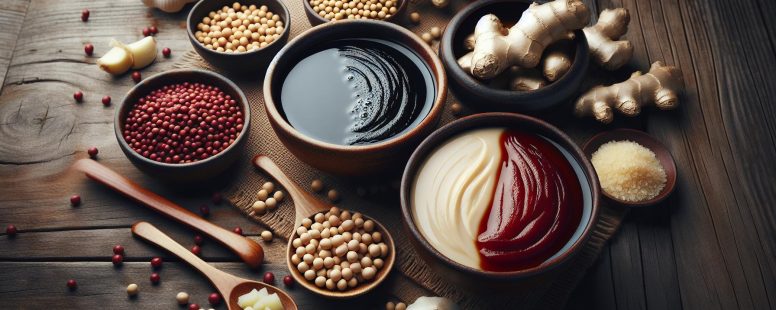
Imagine standing in front of a bustling market stall, vibrant colors and enticing aromas swirling around you. You spot jars of miso, some deep red and others creamy white. You might wonder, what’s the real difference between these two seemingly similar pastes?
Diving into the world of miso, you’ll discover that red and white miso offer unique flavors and culinary benefits. Each has its own story, deeply rooted in Japanese tradition. Whether you’re a seasoned chef or a curious foodie, understanding these differences can elevate your dishes and enhance your culinary adventures. Let’s explore the intriguing contrasts between red and white miso to unlock their full potential in your kitchen.
Understanding Miso: A Brief Overview
Miso, derived from fermented soybeans, is a staple in Japanese cuisine. You might think of it as a mere soup ingredient, but there’s more to it. Miso includes various types, with the primary ones being red and white. These two vary in flavor, texture, and even color.
What is Miso?
Miso is a paste made by fermenting soybeans with salt and koji. Koji is essential, as it acts as a fermentation starter. You might wonder why miso varies so much. The difference lies in the fermentation process and additional ingredients used.
Types of Miso
Red Miso
Red miso, also known as aka miso, has a robust flavor and darker color. The longer fermentation process, which could take up to three years, gives it this bold taste. If you enjoy strong, hearty flavors, red miso is likely your go-to. Commonly used in soups, marinades, and braises, it’s versatile in cooking.
White Miso
White miso, or shiro miso, has a sweeter, milder taste. Its fermentation period is shorter, usually a few months. This shorter time results in a lighter color and a more delicate flavor. You’ll find it suitable for soups, light sauces, and dressings.
Nutritional Profile
Miso offers several health benefits. It provides essential amino acids, antioxidants, and is rich in probiotics. These probiotics can promote gut health and aid digestion. But, miso is salty, so one’s salt intake should be monitored.
Culinary Uses
Both red and white miso shine in various dishes. White miso may be mixed into dressings and dips to add umami without overpowering other flavors. Red miso might be used in heartier dishes like stews. Combining the two could create a balance, offering depth and sweetness.
Limits and Possibilities
The knowledge on miso’s health benefits is still evolving. Some studies suggest its probiotics contribute to gut health, but more research is needed. It’s probably safe to say that including miso in your diet can be beneficial, but it shouldn’t replace other essential nutrients.
Digging into miso’s world reveals its complexity and versatility, whether you’re a seasoned chef or a curious foodie.
What Is Red Miso?
Red miso, known as aka miso, is a flavorful type of miso that stands out in Japanese cuisine. Its rich, robust taste makes it a favorite for many recipes that require a deep umami punch.
Flavor Profile
Red miso delivers a bold, savory flavor, thanks to its longer fermentation period. The fermentation, which can last up to three years, gives it a darker color and an intense umami taste. It often possesses a salty and slightly bitter undertone, making it suitable for hearty dishes like stews and braises. If you ever felt like your soup needs an extra depth, red miso might be the secrets ingredient you’re looking for.
Common Uses
Red miso shines in recipes that need strong flavors. It’s perfect for miso soups, marinades for meats, and as a base for rich sauces. In Japanese cuisine, you’ll find red miso used in heavier dishes like miso ramen and beef udon. Ever tried a miso-glazed salmon? Red miso can make it unforgettable. Even though its intense flavor might overpower delicate ingredients, it’s ideal for complementing bold components.
Fermentation Process
The extended fermentation process of red miso, which may reach up to three years, is primarily responsible for its complex flavor profile. The longer the fermentation, the darker and richer the miso becomes. This process involves fermenting soybeans with a higher proportion of salt and koji, a type of mold used in Japanese fermentation. The science behind fermentation suggests that more time allows for the development of deeper flavors and more umami. But, this longer fermentation also means it can have higher sodium content. While some prefer shorter fermentation for milder tastes, red miso enthusiasts cherish the depth that comes with time.
What Is White Miso?
Begin on a journey into the delicate world of white miso. Known as shiro miso, this sweet, light flavor bean paste may surprise you.
Flavor Profile
White miso boasts a sweet, mild taste thanks to a shorter fermentation period, typically around three months. It’s likely to remind you of warming soup on a chilly day, with a gentler umami punch. Contrary to its robust red counterpart, white miso doesn’t overpower dishes but subtly enhances them. Imagine a whisper instead of a shout.
Common Uses
You’ll find white miso in dishes needing a lighter touch. Think salad dressings, light soups, and marinades. It might be the secret ingredient in a stunning miso glaze for fish or an unexpected twist in a velvetty soup. Have you tried whisking it into a vinaigrette or even a dessert like miso caramel? Your taste buds will thank you.
Fermentation Process
White miso undergoes a shorter fermentation process, usually between two and three months. Using more rice koji compared to soybeans, it develops its characteristic sweetness and light color. Does it lack the depth of red miso? Perhaps, but it compensates with its versatility and subtlety. This process hints at a world of flavor that’s both accessible and complex.
Key Differences Between Red and White Miso
Ready to jump into the nitty-gritty of miso? Let’s break down how red and white miso stack up against each other.
Taste and Saltiness
Red miso hits your palate like, BAM! Packed with deep umami flavors and a bit of bitterness, it screams savory. Perfect for beef stews or even glazing salmon. It’s salty, though. So watch that salt shaker. On the flip side, white miso whispers sweet nothings into your dishes. Its milder, sweeter taste makes it great for lighter stuff like salad dressings or simple miso soups. Think of it as the gentle soul in the miso family.
Color and Appearance
Color-wise, red miso is your dark, mysterious friend. Its deep reddish-brown hue comes from fermenting longer. Good for adding depth to dishes. White miso? Well, it’s the light-hearted, golden buddy. Pale and pretty, its color reflects its shorter fermentation period and higher rice koji content. Both add their unique charm to the plate.
Fermentation Time
Fermentation time plays a huge role in defining these misos. Red miso sits and thinks about life for up to three years, getting all bold and intense. White miso, more of a sprinter than a marathoner, chills for just about three months. This quick fermentation keeps its flavor mild and sweet.
Nutritional Benefits
Both types are health powerhouses. They offer essential amino acids, antioxidants, and probiotics. Great for gut health! But keep an eye on the salt content, especially with red miso. While it’s hard to pinpoint all the benefits, some studies suggest miso’s probiotics might help your digestion. Note though, more research is needed to understand all the health perks.
Choosing the Right Miso for Your Dish
Struggling to choose between red and white miso? Each brings unique flavors to your culinary creations. Let’s investigate into where each type shines the brightest.
Red Miso in Recipes
Red miso’s bold taste is perfect for hearty, robust dishes. This miso type is likely the secret weapon in savory stews, meat marinades, and heavy soups. If you’re attempting a miso ramen or miso-glazed salmon, red miso’s deep umami complements these dishes beautifully. Think of it as the heavyweight champion of umami, adding depth and richness to recipes.
Imagine your next barbecue with miso-marinated meat. The complexity suggests your dish could rival even the best steak houses! What red miso really excels at is infusing dishes with a savory punch that lingers. Be prepared for flavors that don’t shy away but instead, invite you for seconds.
White Miso in Recipes
White miso’s versatility makes it a go-to for lighter, milder preparations. Subtly sweet and less salty, white miso is ideal for enhancing salad dressings, light soups, and even some desserts. The shorter fermentation time means flavors are gentle enough to not overpower more delicate dishes.
Ready to jazz up your next salad? Try a white miso dressing. It’s likely going to add a subtle depth that makes your greens pop without stealing the show. Unlike its red counterpart, white miso offers a more restrained touch, making it perfect for when you want to add a hint of umami without overwhelming other flavors.
Miso adds both flavor and complexity to dishes, each type bringing its own unique charm. Understanding the differences helps you choose the right miso for your culinary needs.
Conclusion
Exploring the differences between red and white miso opens up a world of culinary possibilities. Red miso, with its intense umami and robust flavor, is perfect for hearty dishes that need depth. On the other hand, white miso’s mild sweetness and versatility make it ideal for lighter fare.
Both types of miso offer unique benefits and can significantly enhance your cooking. Whether you’re aiming for a rich, savory experience or a subtle, nuanced touch, understanding these differences will help you make the right choice for your recipes. So go ahead and experiment with red and white miso to elevate your culinary creations.
To provide the best experiences, we use technologies like cookies to store and/or access device information. Consenting to these technologies will allow us to process data such as browsing behaviour or unique IDs on this site. Not consenting or withdrawing consent, may adversely affect certain features and functions.
Functional
Always active
The technical storage or access is strictly necessary for the legitimate purpose of enabling the use of a specific service explicitly requested by the subscriber or user, or for the sole purpose of carrying out the transmission of a communication over an electronic communications network.
Preferences
The technical storage or access is necessary for the legitimate purpose of storing preferences that are not requested by the subscriber or user.
Statistics
The technical storage or access that is used exclusively for statistical purposes.The technical storage or access that is used exclusively for anonymous statistical purposes. Without a subpoena, voluntary compliance on the part of your Internet Service Provider, or additional records from a third party, information stored or retrieved for this purpose alone cannot usually be used to identify you.
Marketing
The technical storage or access is required to create user profiles to send advertising, or to track the user on a website or across several websites for similar marketing purposes.