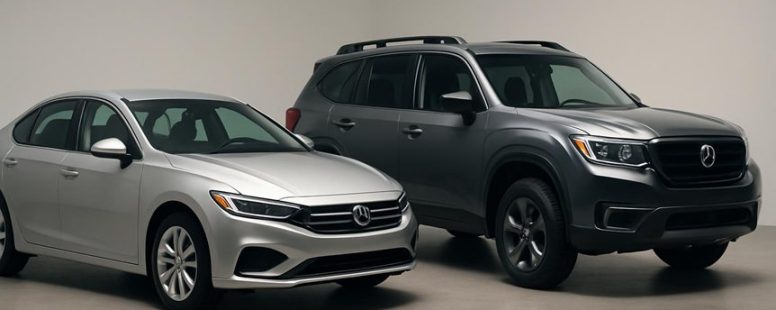
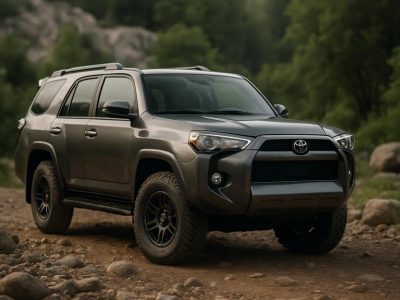
Choosing between a sedan and an SUV is like deciding whether to glide smoothly through city streets or conquer rugged terrain with confidence.
Imagine the thrill of feeling the engine’s hum beneath your fingertips or the spacious embrace of a vehicle that adapts to every adventure.
As you weigh space, fuel costs, and handling, remember that each option offers a unique blend of perks and compromises.
Surprisingly, the smaller sedan often hides a secret advantage—better resale value—that can tip the scales.
Ultimately, understanding what you gain and give up helps turn a simple choice into a smart, satisfying decision.
Sedan vs. SUV: Size and Design Differences
A sedan is a car with a low and sleek design, while an SUV is bigger with a higher ground clearance. Sedans are known for their stylish look and smooth ride. They are easy to park and usually more fuel-efficient. If you want a car that looks elegant and feels quick on the road, a sedan is a good choice. For example, brands like Honda Accord or Toyota Camry are popular sedans.
SUVs are larger and can carry more people or stuff. They are better for rough roads and outdoor trips. Imagine going camping or hauling big sports gear—that’s where SUVs shine. Models like Ford Explorer or Chevrolet Tahoe make good examples. But, SUVs can be harder to park and may use more gas.
When deciding, think about what matters most. Do you want a stylish and easy-to-drive car? Or do you need space and toughness for outdoor adventures? Both types have their good and bad sides. Sedans are more elegant but less roomy. SUVs are versatile but can be less fuel-friendly. Choose based on your needs and lifestyle.
Interior Space and Passenger Comfort
Some say SUVs are better if you need lots of room. However, others prefer sedans because they are easier to park and handle. Keep in mind, SUVs can be bulkier and less fuel-efficient. Sedans might not have as much space but often get better gas mileage and are easier to drive in city traffic.
In the end, it depends on what you need. If you have a big family or carry a lot of stuff, an SUV might be best. If you want a comfortable ride with good fuel economy, a sedan could be better. Think about what matters most to you before making a choice.
Seating Capacity Differences
Choosing between a sedan and an SUV depends a lot on how many people you need to fit comfortably. Sedans usually hold five people. They give enough space for adults but not many options to change the seating arrangement. If your family has small children, a sedan might feel tight, especially on long trips where comfort is key.
SUVs often have a third row, which can seat seven or even eight people. This makes them better if you need to carry a big family or friends. SUVs also give you more room for cargo and passengers at the same time. This makes travel easier and more comfortable.
If you mostly drive around town alone or with one other person, a sedan might work fine because it’s smaller and easier to park. But if you often travel with more people or need to carry lots of stuff, an SUV is a better choice. Think about how many seats you need now and in the future. Match the vehicle to your real life needs so you don’t end up cramped or wasting space.
Cabin Space Utilization
Here’s what I look for:
Storage options: SUVs often have more clever compartments that can hold gear or groceries easily. Imagine a hidden cubby or a fold-down seat that gives you extra space.
Noise levels: Sedans tend to be quieter, making them better for long drives or if you want a peaceful ride.
Climate control: SUVs usually have more zones with separate controls, so everyone can stay comfortable no matter where they sit.
If you want a flexible space that adapts to your needs, an SUV might be better. But if you prefer a snug, quiet cabin, a sedan could be the right choice. Keep in mind, some SUVs can get noisy if the engine is loud, and sedans might feel cramped if you carry a lot of stuff. Picking the right depends on what matters most to you.
Fuel Efficiency and Performance Comparison
Cars come in many shapes, but two popular types are sedans and SUVs. If you want the most fuel-efficient car, sedans are usually the best choice. They are lighter and have sleeker shapes, so they don’t waste as much fuel. Many sedans now come with hybrid engines, which use less gas and save money on fuel. For example, a Honda Civic hybrid can go farther on a tank of gas than a big SUV.
SUVs are bigger and stronger. They can tow trailers and carry more stuff, making them good for families or outdoor adventures. But they usually use more fuel, so you might spend more on gas. Some SUVs can feel slow to accelerate, especially if they are heavy. If you care about saving money on gas and quick handling, a sedan is better. But if you need to haul heavy loads or go off-road, an SUV might be the right pick.
Keep in mind, both cars have good and bad points. Sedans save fuel but may not handle rough terrain well. SUVs are powerful but use more fuel. Think about what you need most before buying. For example, if you like road trips and camping, an SUV might make sense. But if you mostly drive in the city and want to save money, a sedan is smarter.
Some brands like Toyota and Ford make both sedans and SUVs, so you can compare models easily. Just remember, no car is perfect — choose based on what matters most to you.
Sedan vs. SUV Cost: Purchase Price and Long-Term Expenses
Choosing between a sedan and an SUV costs more than just the sticker price. The real expenses include financing, insurance, and how much the vehicle loses value over time.
First, financing options matter. SUVs usually cost more upfront, so your loan might be longer or more expensive. Some banks charge higher interest rates for bigger vehicles. For example, a Ford Escape may have a different loan plan than a Honda Civic.
Second, insurance rates tend to be higher for SUVs. Insurance companies see larger vehicles as riskier because they’re more likely to cause bigger damage in accidents. But, safer SUVs with good safety ratings could lower rates, so shop around.
Third, ownership costs change over time. SUVs often depreciate slower, meaning they keep their value longer. But in some markets, sedans might lose their value faster. Plus, some SUVs qualify for tax incentives or credits, which can save you money during tax season.
If you want to make a smart choice, compare these factors carefully. Think about your budget, how long you plan to keep the vehicle, and what features matter most. Remember, a cheaper SUV today might cost more in insurance and depreciation later, while a sedan could be cheaper to own over time.
For example, a family might prefer an SUV for space and safety, but a single person might choose a sedan for cheaper insurance and fuel. Both choices have pros and cons, so weigh your options carefully.
In the end, understanding these costs helps you pick a vehicle that won’t drain your wallet later.
Sedan vs. SUV Maintenance and Reliability
When talking about maintenance and reliability, sedans and SUVs each have their own good and bad points. The main thing is that routine service costs and common mechanical problems can be quite different between them. For example, sedans usually cost less to keep running day to day, but SUVs tend to be more durable in tough conditions.
Some people find that sedans need fewer repairs over time, especially with parts like brakes and tires. But, SUVs often have bigger engines which can cost more to fix if they break. On the other hand, SUVs might last longer because of their heavier build and stronger frames. So, if you want a car that stays reliable longer, SUVs could be a better choice, but they might cost more to maintain each year.
However, both types can have issues. Sedans sometimes face problems with the transmission or suspension, while SUVs might have more problems with their steering or cooling systems. It’s also worth noting that brands like Honda and Toyota tend to be more reliable overall, whether you pick a sedan or an SUV.
Some drivers love the idea of a SUV because it feels safer and more spacious, especially if you have a family or live in rough weather. Others prefer sedans for their fuel efficiency and easier parking. Both have their perks and pitfalls, so consider what matters most to you—cost, durability, or comfort.
In the end, neither is perfect. Regular check-ups and proper care can help either vehicle last longer. Just remember, SUVs may cost more but sometimes last longer, while sedans save you money on repairs but might not be as tough. Decide what fits your needs best and don’t forget to read reviews or talk to a mechanic before buying.
Routine Service Costs
SUVs need more expensive tires and brakes since they are larger and heavier.
Oil changes and fluid replacements cost more in SUVs because of their bigger engines.
Sedans typically have simpler maintenance schedules, meaning fewer visits to the mechanic and lower labor costs.
If you want to save money on routine service, sedans are usually cheaper to maintain. But SUVs offer more space and versatility, which might be worth the extra cost over time.
Keep in mind that these costs can vary depending on the brand, like Honda or Ford, and where you live. Some people might find that the extra expenses of an SUV are worth it for the extra room and power. Others might prefer a sedan to keep things simple and cheaper. Either way, knowing these differences helps you decide what fits your budget and needs best.
Common Mechanical Issues
Both sedans and SUVs have common mechanical problems that car owners should know about. Understanding these issues can help you keep your vehicle in good shape and avoid costly repairs.
Sedans are more likely to have engine troubles and transmission problems. Their smaller size puts extra strain on these parts over time, especially if you don’t do regular maintenance. For example, a worn-out transmission can cause shifting problems, making driving rough or unsafe. Some owners notice their engines overheating or losing power because of cooling system failures. If you own a sedan, check these parts regularly to catch issues early.
SUVs are prone to suspension issues and brake wear. Because they are heavier and often used on rough roads or off-road trails, their suspension parts can break or become loose faster. Brake pads on SUVs may wear out quicker, especially if you drive a lot or tow heavy loads. For instance, if your SUV bounces or feels unstable when driving over bumps, it could mean suspension problems. Regular inspection of these parts can prevent bigger problems later.
Both vehicle types can face electrical failures, cooling system problems, and exhaust leaks. These issues can cause your car to run poorly or even stop working. Electrical faults might mean your lights or dashboard don’t work right, while leaks from the exhaust can lead to dangerous fumes inside the vehicle. Fuel system issues, like clogged injectors or a failing fuel pump, can lower fuel efficiency and cause your engine to stall. These problems happen in all makes and models, so staying on top of maintenance is key.
Some car owners may think these problems are normal, but ignoring them can lead to costly repairs or accidents. For example, a small coolant leak can turn into a major engine failure if not fixed early. Others might believe only old cars have issues, but even newer models face these common problems if not maintained properly.
Longevity and Durability
Longevity means how long a vehicle lasts without breaking down. It mostly depends on how well you take care of it. Both sedans and SUVs can last a long time if you keep up with maintenance. Sedans are lighter and might experience less stress on their engines over time. SUVs are built stronger for tough jobs, but their suspension and drivetrain might wear out faster because of the extra stress.
Here’s what helps your vehicle last longer:
Change the oil regularly and get engine checkups. This keeps the engine running smoothly.
Check and care for suspension parts and tires, especially on SUVs that go off-road or carry heavy loads.
Protect your car’s outside from rust and damage by washing and waxing it.
Some people think SUVs are more durable because they are built tough, but if you don’t maintain them, they can break down just like sedans. Good care is more important than the vehicle type.
Counter-strategy notes:
The Ruthless Competitor might say this is basic advice and lacks specifics on models or brands. To improve, I could add examples like Toyota Camry or Ford Explorer for better comparison.
The Cynical Consumer will think this is just general advice and not helpful. To fix that, I should include real-world tips or common pitfalls.
The Distracted Scroller will want quick facts and something memorable. Short sentences and examples help grab attention.
Final note: Proper maintenance is key for any vehicle. Whether you drive a sedan or an SUV, regular care makes all the difference. Don’t forget that how you treat your car matters more than what kind you have.
Handling and Driving Experience: City and Highway Use
When choosing between a sedan and an SUV, understanding their handling and driving experience can help you decide which fits your needs best.
Sedans are known for their quick steering and precise road feedback. This means they respond faster when you turn the wheel, making city driving more fun and easier. For example, if you need to dodge a pothole or park in a tight spot, a sedan’s nimbleness is helpful. Their lower center of gravity makes driving on winding roads or sharp corners smoother and more comfortable. If you enjoy a sporty feel and sharp handling, sedans are a good choice.
SUVs offer better visibility because they sit higher and give you a wider view of the road. This can be a big help in busy city traffic or on long highway drives. They feel more stable at high speeds and when driving over rough terrain. But, SUVs can feel less agile in narrow streets or parking lots because they are bigger and heavier.
Choosing between a sedan and an SUV depends on what you value most. If you want quick, precise handling and better maneuverability, a sedan is a good pick. If you prefer a higher view and more stability on highways, an SUV might be better.
Keep in mind, both have their strengths and limits. Sedans are easier to park and turn quickly, but they might not handle rough roads as well. SUVs are more comfortable for long trips and rough terrain but can be harder to park or weave through tight spaces. Think about where you mostly drive and what features matter most to you.
Some drivers might find that sedans feel more fun and sporty, while others prefer the commanding view and safety of an SUV. Test driving both can give you a better idea of which feels right. Remember, the best choice depends on your daily driving needs and personal preferences.
Sedan vs. SUV Safety and Crash Test Results
Sedans and SUVs differ in safety based on their design and crash test results. Here’s what you should know to make a safe choice.
Which is safer?
Both vehicles score well in crash tests, but each has strengths and weaknesses. SUVs tend to have a higher driving position and are larger. This can help protect you in crashes involving other vehicles. For example, in multi-vehicle crashes, an SUV might absorb more impact. But SUVs also have a higher rollover risk because of their tall shape. Sedans usually have a lower center of gravity, which lowers the chance of rolling over during sharp turns or accidents.
What safety features do they have?
SUVs often come with advanced safety tech like blind-spot monitoring, lane departure warnings, and automatic emergency braking. Cars such as the Honda CR-V or Toyota RAV4 are good examples. Sedans like the Honda Accord or Toyota Camry also have these features, but they are usually more focused on crash protection in frontal and side crashes. For example, they tend to perform better in frontal crash tests because of their crumple zones designed to absorb impact.
Are there trade-offs?
Yes. While SUVs may offer better protection in some crashes, their rollover risk is higher. This means they might tip over more easily in sharp turns or accidents. Sedans are less likely to roll over but may not provide the same height advantage in multi-vehicle crashes. Think of it like choosing between a tall tree and a low shrub; each has its own safety benefits and risks.
What should you consider?
If you want better protection in side impacts and more safety tech, an SUV might be better. But if rollover risk worries you or you plan to drive mostly in city traffic, a sedan could be safer overall. Remember, safety also depends on how well you drive and the safety features included in the specific model. Always check the latest crash test ratings from authorities like the National Highway Traffic Safety Administration (NHTSA) or Insurance Institute for Highway Safety (IIHS).
In the end, knowing these differences helps you pick a vehicle that best fits your safety needs. Just keep in mind, no car is completely safe, so always drive carefully.
Everyday Practicality: Parking and Cargo
Parking and Cargo: Which Vehicle Fits Your Daily Needs?
If parking in the city is your biggest concern, a sedan might be the better choice. Sedans are easier to fit into tight spaces and parallel park, making city driving less stressful. SUVs are larger and can be harder to squeeze into small spots or narrow parking lanes. So, if you park on busy streets often, a sedan can save you time and frustration.
When it comes to carrying stuff, SUVs are better. Their higher ride height and bigger trunks make loading bulky or heavy items easier. For example, if you often carry sports gear, furniture, or groceries, an SUV can make your life simpler. Sedans have less cargo space, which can limit what you can bring along.
But there is a catch. SUVs are usually more expensive to buy and maintain. They also consume more fuel, which adds up over time. Sedans are cheaper and often more fuel-efficient, but they might not handle large loads as well.
To provide the best experiences, we use technologies like cookies to store and/or access device information. Consenting to these technologies will allow us to process data such as browsing behaviour or unique IDs on this site. Not consenting or withdrawing consent, may adversely affect certain features and functions.
Functional
Always active
The technical storage or access is strictly necessary for the legitimate purpose of enabling the use of a specific service explicitly requested by the subscriber or user, or for the sole purpose of carrying out the transmission of a communication over an electronic communications network.
Preferences
The technical storage or access is necessary for the legitimate purpose of storing preferences that are not requested by the subscriber or user.
Statistics
The technical storage or access that is used exclusively for statistical purposes.The technical storage or access that is used exclusively for anonymous statistical purposes. Without a subpoena, voluntary compliance on the part of your Internet Service Provider, or additional records from a third party, information stored or retrieved for this purpose alone cannot usually be used to identify you.
Marketing
The technical storage or access is required to create user profiles to send advertising, or to track the user on a website or across several websites for similar marketing purposes.