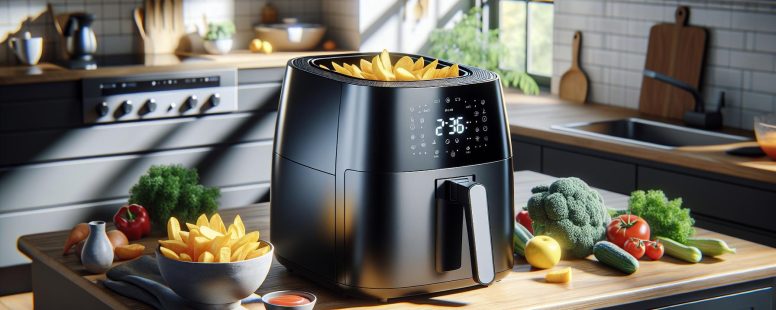
Imagine savoring crispy, golden fries that taste indulgent but aren’t dripping in grease. Air fryers have taken kitchens by storm, promising healthier meals without sacrificing flavor or texture. These sleek appliances claim to deliver the crunch you crave with just a fraction of the oil, making them a tempting addition to your countertop.
But is the hype worth it? While air fryers can revolutionize your cooking routine, they’re not without their quirks. From quick, guilt-free snacks to potential limitations in portion size and versatility, there’s more to these gadgets than meets the eye. Before you take the plunge, it’s worth weighing the pros and cons to see if an air fryer truly fits your lifestyle.
What Are Air Fryers?
Air fryers are compact kitchen appliances designed to cook food by circulating hot air around it. They use a mechanism similar to convection ovens, but with faster air movement to achieve crisp, golden textures. By requiring little to no oil, air fryers offer a healthier way to fry foods, such as french fries, chicken wings, or onion rings.
Equipped with a heating element and a powerful fan, air fryers create a high-speed circulation of hot air, which surrounds the food. This even heat distribution ensures a consistent cooking process, reducing risks of overcooking or undercooking. Many models come with adjustable temperature and time settings, allowing for greater control.
Available in multiple sizes, air fryers cater to different household needs. Small-capacity models work well for individuals or couples, while larger ones can accommodate family meals. For example, a 5-quart air fryer might cook a whole chicken, whereas a 2-quart one is suitable for snacks or single servings.
Some air fryers also offer additional functions, such as baking, roasting, and reheating. These versatile features make them appealing to those looking to replace several appliances with a single unit. But, like any appliance, their effectiveness depends on the model’s quality and your usage intentions.
How Do Air Fryers Work?
Air fryers cook food using rapid air circulation technology. A heating element produces high temperatures, often ranging between 180°F and 400°F. At the same time, a powerful fan circulates hot air around the food. This process creates a convection effect, ensuring even cooking and delivering the crisp texture similar to deep frying.
The food usually rests in a perforated basket. The design allows hot air to flow freely, surrounding the food from all sides. Oil, when used in small quantities, enhances browning and flavor but isn’t necessary for cooking. For example, frozen fries may achieve a golden crust with no added oil due to their pre-oil coating.
Most air fryer models include adjustable temperature and timer settings. These features give you control over cooking different foods, like chicken wings, roasted vegetables, and even desserts such as brownies. Some advanced models offer pre-programmed settings for specific recipes, making operation more convenient.
Unlike a traditional oven, an air fryer heats up quickly and cooks food faster. This efficiency results from its compact size and targeted heat distribution. But, the small cooking capacity means you’re limited to preparing smaller portions in one batch, which can be challenging for larger households.
Pros Of Air Fryers
Air fryers offer multiple benefits, making them a popular kitchen appliance for modern households. Their innovative design combines fast cooking, healthier meal preparation, and convenience.
Healthier Cooking
Air fryers reduce oil usage by up to 80%, making dishes healthier without compromising taste. Traditional deep frying requires submerging food in oil, while air fryers circulate hot air to achieve crisp textures. For instance, you can prepare fries or chicken wings with minimal oil yet maintain a satisfying crunch. Foods cooked with air fryers contain lower fat content compared to deep-fried options. A study by the National Library of Medicine confirmed that using air fryers effectively reduces acrylamide formation, a harmful compound produced when starchy foods are fried at high temperatures.
Versatility In Recipes
Air fryers accommodate a diverse range of recipes, from roasted vegetables to baked desserts like muffins or cookies. With adjustable temperature and timer settings, you’re equipped to prepare meat, seafood, or vegetarian meals without additional cookware. Advanced models offer multiple cooking functions, such as grilling, dehydrating, or reheating, enhancing their flexibility. For example, you could crisp leftover pizza, bake salmon fillets, or roast bell peppers in one appliance. Their ability to experiment with various cuisines encourages creativity in the kitchen.
Time And Energy Efficiency
Cooking times with air fryers are generally 25-30% faster than conventional ovens. The rapid air circulation technology ensures even cooking, reducing the need for preheating or constant monitoring. For instance, chicken tenders cook in just 10-15 minutes instead of 30 minutes with traditional baking methods. Compact size means less energy consumption compared to large appliances. The U.S. Department of Energy recommends smaller appliances like air fryers for energy-efficient cooking, especially in small households or dorms.
Easy To Clean And Maintain
Air fryers often feature dishwasher-safe components, including the cooking basket and tray, simplifying cleanup. Non-stick coatings prevent food residue buildup, minimizing scrubbing efforts. For instance, after roasting vegetables, you can remove the basket, rinse it under warm water, or place it in the dishwasher. Compact and portable designs make storage hassle-free, fitting seamlessly into your kitchen. Regular maintenance, like wiping the exterior and cleaning filters, prolongs the appliance’s lifespan. Such ease in maintenance encourages regular usage.
Cons Of Air Fryers
Air fryers offer numerous benefits, but they also come with notable limitations. Understanding these drawbacks helps assess if this appliance meets your culinary needs.
Limited Capacity
Most air fryers have a compact design, limiting their cooking capacity. Smaller models typically hold 2-4 quarts, making them better suited for singles or small families. Preparing meals for larger households or gatherings requires cooking in batches, which could extend your overall cooking time. For instance, frying enough wings for a party may take multiple rounds, reducing the appliance’s convenience.
Expensive Investment
Air fryers, especially high-quality or multifunctional models, can be pricey compared to traditional cooking tools. Prices range from $50 for basic models to over $300 for advanced options with additional features like rotisserie or dehydrator functions. Budget constraints or infrequent use may make it challenging to justify the initial cost of an air fryer. Also, replacing accessories or parts, like a basket or heating element, may add to long-term expenses.
Potential Learning Curve
Adjusting to air fryer cooking takes practice, especially if you’re new to this method of food preparation. Recipes often suggest different temperatures and times than traditional ovens, requiring trial and error to get optimal results. Without experience, you may encounter overcooked or undercooked dishes during the first few uses. For instance, baking a cake in an air fryer requires fine-tuning the settings compared to standard oven baking.
Mixed Results With Certain Foods
Air fryers excel with crispy meals but aren’t ideal for all food types. Wet-battered items, such as tempura, may cook unevenly or lose their coating. Dense foods like casseroles and lasagna might not cook uniformly due to limited top-down heat penetration. You could find that foods requiring significant moisture or sauces yield subpar results, making other cooking methods more appropriate for these dishes.
Are Air Fryers Worth It?
Air fryers can be a valuable addition to your kitchen, but their worth depends on your priorities and lifestyle. If you’re focused on healthier eating, they provide a way to enjoy favorite fried foods with up to 80% less oil, significantly reducing calorie intake. This can be particularly beneficial for those managing weight or looking to minimize unhealthy fats in their diet.
Time efficiency is another strong point. Compared to traditional ovens, air fryers cook meals 25-30% faster, making them an excellent option for busy households. For example, frozen fries or chicken tenders can be crisped up in under 15 minutes, without the need for preheating. But, if you’re cooking for a larger family, the limited capacity of many models might mean preparing food in multiple batches, which could negate the time savings.
While the initial cost may seem high—ranging between $50 and $300 or more—it can be offset by reduced oil usage and lower energy consumption over time. Energy-efficient cooking can add up financially, especially in households using air fryers regularly. Yet, if you rarely fry or prefer oven baking, you may find the investment less justifiable.
Versatility is another key factor to consider. Air fryers excel in preparing foods like roasted vegetables, reheated leftovers, or even desserts such as small cakes. But, they may fall short if you’re tackling wet-battered items or larger, dense dishes that require slow and even cooking.
Ask yourself what features are most important. Do you value the ease of use and faster cooking? Or are you seeking a replacement for deep-frying? These questions can help determine if an air fryer is a worthy addition to your kitchen. While they offer unique advantages, every kitchen’s needs differ, so weigh the pros against the cons carefully.
Conclusion
Deciding whether an air fryer is right for you depends on your cooking habits and priorities. If you’re looking for a healthier way to enjoy fried foods, save time in the kitchen, and experiment with versatile recipes, an air fryer could be a valuable addition to your home. But, it’s important to consider factors like cooking capacity, upfront costs, and the types of meals you typically prepare. By weighing the benefits and limitations, you can make an informed choice that aligns with your lifestyle and culinary needs.
Last Updated: August 11, 2025 at 7:24 am by Ellie B, Site owner & Publisher
To provide the best experiences, we use technologies like cookies to store and/or access device information. Consenting to these technologies will allow us to process data such as browsing behaviour or unique IDs on this site. Not consenting or withdrawing consent, may adversely affect certain features and functions.
Functional
Always active
The technical storage or access is strictly necessary for the legitimate purpose of enabling the use of a specific service explicitly requested by the subscriber or user, or for the sole purpose of carrying out the transmission of a communication over an electronic communications network.
Preferences
The technical storage or access is necessary for the legitimate purpose of storing preferences that are not requested by the subscriber or user.
Statistics
The technical storage or access that is used exclusively for statistical purposes.The technical storage or access that is used exclusively for anonymous statistical purposes. Without a subpoena, voluntary compliance on the part of your Internet Service Provider, or additional records from a third party, information stored or retrieved for this purpose alone cannot usually be used to identify you.
Marketing
The technical storage or access is required to create user profiles to send advertising, or to track the user on a website or across several websites for similar marketing purposes.