Imagine a life free from chronic pain or heavy periods that disrupt your daily routine. For many, a hysterectomy offers relief and a chance to reclaim control over their bodies. But with such a significant procedure, it’s natural to wonder if the benefits outweigh the challenges.
A hysterectomy isn’t just a medical decision—it’s a deeply personal one. From improved quality of life to potential long-term effects, understanding the full picture is essential. Whether you’re considering this surgery or supporting someone who is, knowing the pros and cons can help you make an informed choice.
Understanding Hysterectomy
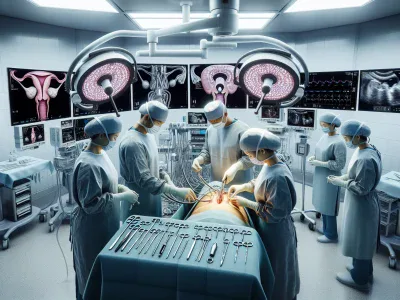
A hysterectomy involves surgically removing part or all of your uterus. It’s often performed to address various medical issues affecting reproductive health. Understanding this procedure can help clarify its implications and benefits.
What Is a Hysterectomy?
A hysterectomy is a surgical procedure targeting the uterus. It eliminates the organ either partially or fully to treat conditions like uterine fibroids, endometriosis, or severe menstrual bleeding. Depending on severity, other reproductive organs might also be removed during the surgery. For example, removing the ovaries is common in cases of cancer or genetic risks like BRCA mutations.
Doctors recommend hysterectomy primarily to improve quality of life. It can relieve symptoms for those with unmanageable pain or bleeding. But, it’s irreversible and ends reproductive possibility, shifting hormonal balance if the ovaries are removed.
Types of Hysterectomy
There are three main types of hysterectomy:
Partial Hysterectomy: Only the uterus is removed, leaving the cervix intact. It’s less invasive and often used to treat non-cancerous issues like fibroids.
Total Hysterectomy: Both the uterus and cervix are removed. This procedure is common for more severe conditions like cancer or chronic pain from endometriosis.
Radical Hysterectomy: Recommended for advanced conditions like cervical or uterine cancer. It removes the uterus, cervix, parts of the vagina, and surrounding tissues.
Each type varies in recovery time and potential impacts on your body, so understanding why a specific option is chosen is critical. For instance, a radical hysterectomy often requires longer recovery due to its extensive nature, while a partial hysterectomy might result in quicker healing.
Reasons for a Hysterectomy
Hysterectomy addresses several medical and lifestyle concerns, providing relief from specific health conditions or enhancing overall quality of life. Understanding the key reasons helps you evaluate if this procedure aligns with your needs.
Medical Conditions Necessitating the Procedure
Certain medical conditions might prompt a hysterectomy to alleviate chronic symptoms or prevent further complications. Uterine fibroids, for example, are noncancerous growths that can cause heavy bleeding and pelvic pain. Endometriosis, where uterine tissue grows outside the uterus, is often associated with severe pain and infertility. If medication or less invasive treatments fail, doctors may recommend hysterectomy.
Cancer is another significant reason. Cervical, uterine, or ovarian cancers often require removal of the uterus, especially in advanced stages, to stop the spread of malignancy. Severe uterine prolapse, where the uterus slips into the vaginal canal, can also necessitate surgery to restore proper physiological alignment.
Infections like pelvic inflammatory disease (PID) that’s resistant to antibiotics or complications arising from childbirth in rare cases could result in needing this procedure. Decisions generally depend on the severity and medical guidance.
Personal Health and Lifestyle Choices
Personal decisions related to health and lifestyle may also influence the choice. If you’ve completed childbearing or find your reproductive health significantly impacting daily life, eliminating pain and discomfort might become a priority over preserving fertility.
Elective hysterectomies are less common but sometimes chosen by individuals with a strong family history of gynecological cancers who test positive for genetic markers like BRCA mutations. Opting for surgery as a preventive measure may offer peace of mind, reducing the risk of cancer development.
Also, your tolerance for medication or alternative therapies could shape your choice. Some prefer a definitive solution like hysterectomy over temporary treatments for recurring issues. At other times, emotional or mental health effects from prolonged illnesses might push individuals toward surgery for long-term relief.
By clearly identifying your medical realities and personal considerations, you’re better equipped to weigh the potential advantages and limitations of a hysterectomy.
Pros of a Hysterectomy
A hysterectomy offers various benefits, particularly for individuals with severe gynecological conditions. Understanding these advantages helps you assess if this surgical procedure aligns with your health needs.
Potential Health Benefits
Removing the uterus provides relief from conditions like uterine fibroids or endometriosis. Chronic pelvic pain, which can severely impact daily functioning, becomes manageable once the underlying cause is addressed. For individuals with heavy menstrual bleeding unresponsive to other treatments, a hysterectomy eliminates the issue entirely.
Studies indicate that after the procedure, 85-90% of patients report significant symptom improvement. Women with gynecological cancers often benefit from partial or radical hysterectomies, which can improve survival rates and prevent metastasis. In cases of uterine prolapse, hysterectomy restores normal function and reduces associated urinary or bowel symptoms.
Improved Quality of Life
Chronic pain, fatigue, and emotional distress stemming from gynecological issues often affect relationships, work, and personal well-being. By alleviating these symptoms, a hysterectomy helps you regain control of your life. Imagine no longer missing social events or workdays due to debilitating menstrual cycles.
The absence of heavy bleeding means fewer lifestyle disruptions, granting you freedom to engage in activities previously hindered by health concerns. This improved physical comfort often translates into better mental health. Women frequently report decreased anxiety and depression when chronic symptoms subside.
Elimination of Certain Health Risks
A hysterectomy lowers the risk of uterine and ovarian cancers, especially among individuals with a family history of these diseases. For those with BRCA gene mutations or Lynch syndrome, removing at-risk tissue serves as a preventive measure.
Endometriosis-related adhesions or infections cease to reoccur after a hysterectomy, reducing the likelihood of future complications. Also, individuals past their childbearing years avoid risks tied to pregnancy or postpartum issues. Without a uterus, there’s no possibility of developing conditions like adenomyosis, where the uterine lining grows into its muscle wall.
Cons of a Hysterectomy
Hysterectomy, while resolving certain medical conditions, introduces potential downsides that impact physical, emotional, and long-term health. It’s essential to consider these challenges before making a decision.
Surgical Risks and Recovery
Hysterectomy involves significant risks associated with any major surgery. Complications like infections, blood clots, or excessive bleeding occur in roughly 2-5% of cases (Mayo Clinic). Depending on the approach—abdominal, vaginal, or laparoscopic—you might face varying recovery times and discomfort levels. For instance, abdominal hysterectomy often leads to longer recovery, typically 6-8 weeks, compared to laparoscopic procedures.
Mobility becomes limited immediately after surgery, making daily activities like walking or climbing stairs challenging. Scar tissue development (adhesions) can cause pelvic pain or bowel obstructions post-surgery. Even with advancements in surgical techniques, risks of anesthesia-related issues, nerve damage, or bladder injuries remain.
Long-term Health Implications
Losing the uterus halts menstruation, but if the ovaries are also removed, you might experience surgical menopause. This abrupt shift leads to symptoms like hot flashes, night sweats, and reduced bone density. In fact, women who undergo oophorectomy (removal of ovaries) before age 45 have a 50% increased risk of osteoporosis or fractures (NIH).
Hormonal imbalances caused by ovary removal may heighten risk factors for cardiovascular disease. If the ovaries remain, you might still face complications like ovarian cysts. Digestive issues, including constipation or bloating, can persist as abdominal muscles adjust post-surgery. Also, hysterectomy might reduce pelvic support, potentially resulting in organ prolapse later.
Emotional and Psychological Impact
Hysterectomy can elicit mixed emotions, ranging from relief to a sense of loss. For individuals associating the uterus with fertility or womanhood, the procedure often triggers depression or feelings of inadequacy. A 15% reported increase in anxiety post-hysterectomy underlines this concern (National Women’s Health Network).
Relationship dynamics may shift due to altered libido or body image changes. Some individuals notice diminished sexual sensation because of vaginal shortening or nerve damage during surgery. If you value childbearing as central to your future, hysterectomy’s permanence might amplify emotional distress.
Processing these experiences requires robust support systems—open communication with partners, therapy, or connecting with others who’ve undergone hysterectomy could help mitigate psychological effects.
Factors to Consider
Choosing a hysterectomy means reflecting on its implications on your health, lifestyle, and future. Several factors, including treatment alternatives and medical consultation, significantly influence your decision.
Alternative Treatments
Explore non-surgical options for managing conditions like uterine fibroids, endometriosis, or heavy menstrual bleeding. Medications such as hormonal birth control or GnRH agonists can effectively alleviate symptoms. For fibroids, uterine artery embolization or myomectomy offers relief without removing the uterus. Endometrial ablation suits individuals aiming to reduce menstrual flow.
Assess the severity of your symptoms and personal goals before opting for surgery. For example, if preserving fertility matters, non-surgical approaches align better. But, consultation is essential since some alternatives, like hormonal therapy, might not suit those with a history of certain cancers.
Consulting with a Healthcare Provider
Work closely with a trusted healthcare provider to evaluate your options. They review your medical history, diagnose underlying issues, and discuss future implications. Talking about your family planning goals, current health, and long-term outlook informs the decision-making process.
Ask targeted questions during consultations. Examples include, “How will this procedure affect my hormones?” or “What complications could arise from this surgical approach?” Providers can offer clarity about risks and help you weigh long-term health against immediate symptom relief.
Conclusion
Deciding whether a hysterectomy is right for you requires careful thought and open conversations with your healthcare provider. It’s a deeply personal choice influenced by your medical needs, lifestyle, and future goals.
Understanding the procedure, its benefits, and potential challenges empowers you to make a decision that aligns with your well-being. Take the time to explore all available options and lean on trusted support systems as you navigate this journey.
To provide the best experiences, we use technologies like cookies to store and/or access device information. Consenting to these technologies will allow us to process data such as browsing behaviour or unique IDs on this site. Not consenting or withdrawing consent, may adversely affect certain features and functions.
Functional
Always active
The technical storage or access is strictly necessary for the legitimate purpose of enabling the use of a specific service explicitly requested by the subscriber or user, or for the sole purpose of carrying out the transmission of a communication over an electronic communications network.
Preferences
The technical storage or access is necessary for the legitimate purpose of storing preferences that are not requested by the subscriber or user.
Statistics
The technical storage or access that is used exclusively for statistical purposes.The technical storage or access that is used exclusively for anonymous statistical purposes. Without a subpoena, voluntary compliance on the part of your Internet Service Provider, or additional records from a third party, information stored or retrieved for this purpose alone cannot usually be used to identify you.
Marketing
The technical storage or access is required to create user profiles to send advertising, or to track the user on a website or across several websites for similar marketing purposes.