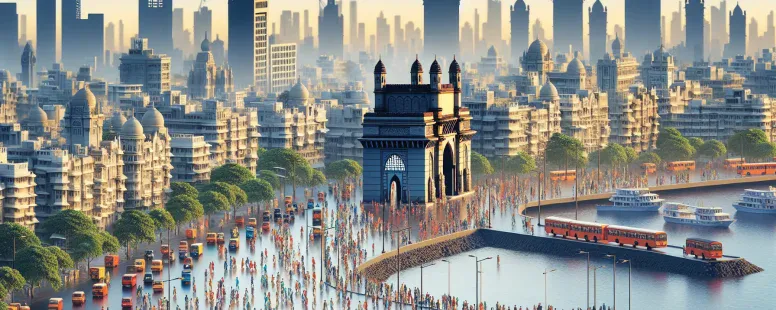
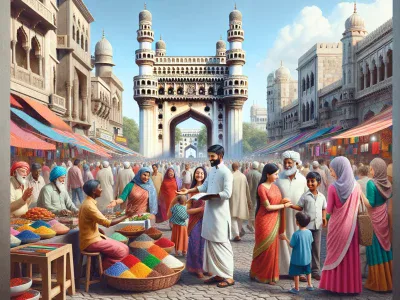
Two cities, both rich in history and culture, yet so distinct in their charm—Mumbai and Hyderabad are like two sides of a coin. One dazzles with its fast-paced lifestyle and towering skyline, while the other enchants you with its royal heritage and soulful cuisine. These urban giants offer experiences that couldn’t be more different, leaving you torn between the allure of Bollywood dreams and the aroma of biryani wafting through ancient streets.
Overview Of Mumbai And Hyderabad
Mumbai, the financial capital of India, is known for its fast-paced lifestyle and iconic landmarks like the Gateway of India and Marine Drive. It’s home to Bollywood, India’s largest film industry, attracting aspiring actors and filmmakers from across the country. With a population exceeding 20 million as per the 2021 census, Mumbai’s urban density creates a vibrant yet chaotic atmosphere.
Hyderabad offers a striking contrast with its blend of historical charm and modern development. Famous for landmarks such as Charminar and Golconda Fort, it showcases centuries-old heritage alongside IT hubs like HITEC City. The city is often called “Cyberabad” due to its role in India’s tech boom. Hyderabad’s cuisine stands out globally, especially its Hyderabadi biryani which reflects rich culinary traditions.
While both cities are economic powerhouses—Mumbai leading in finance sectors and Hyderabad excelling in technology—they differ significantly in culture and pace of life.
Economy And Employment Opportunities
Mumbai and Hyderabad offer robust economies with diverse employment landscapes, shaped by their key industries and evolving markets.
Key Industries In Mumbai
Mumbai dominates India’s financial sector, hosting institutions like the Reserve Bank of India (RBI), Bombay Stock Exchange (BSE), and top multinational banks. The city thrives on finance, insurance, and real estate sectors. Bollywood contributes significantly to its economy, creating jobs in film production, acting, editing, and related services. Media houses such as Times Group further boost employment in journalism and advertising.
Manufacturing plays a vital role too. Companies like Larsen & Toubro operate here alongside textile hubs in areas like Lower Parel. Even though challenges from congestion and high living costs, Mumbai’s economic diversity attracts professionals nationwide.
Key Industries In Hyderabad
Hyderabad shines as a global technology hub. HITEC City houses firms like Microsoft, Google, and Facebook. Its IT industry supports software development, data analytics roles to cybersecurity operations. Pharmaceutical giants such as Dr. Reddy’s Laboratories position it as India’s “Pharma Capital.”
Culture And Lifestyle
Mumbai and Hyderabad showcase distinct cultural identities shaped by their histories, traditions, and modern influences. These cities offer contrasting yet equally captivating lifestyles.
Festivals And Celebrations
Both cities celebrate a diverse range of festivals, reflecting their multicultural fabric. In Mumbai, Ganesh Chaturthi stands out as the most grandly celebrated festival. The city transforms into a vibrant hub with processions, music, and community gatherings honoring Lord Ganesha for ten days. Navratri is another major event marked by energetic Garba dances and ornate decorations.
Hyderabad’s cultural essence shines during festivals like Bonalu and Bathukamma—traditional celebrations unique to Telangana that highlight regional customs. Eid-ul-Fitr holds special significance in Hyderabad due to its rich Muslim heritage; markets like Laad Bazaar buzz with activity during this time.
While both cities embrace Diwali and Holi with enthusiasm, the way they’re celebrated differs slightly based on local traditions. how such festivities shape daily lives? Observing these occasions gives insight into each city’s rhythm.
Food And Cuisine
Mumbai reflects its cosmopolitan nature through an eclectic food scene that’s both affordable and delicious. Street foods like vada pav (a spicy potato-filled bun) or pav bhaji (buttery bread served with vegetable curry) are iconic staples across the city. Upscale restaurants serve global cuisines while maintaining authenticity.
Hyderabad’s culinary identity revolves around its Mughlai-inspired flavors led by the world-famous Hyderabadi biryani—a fragrant rice dish cooked with marinated meat or vegetables. Other specialties include haleem during Ramadan or kebabs from establishments steeped in decades-old recipes.
Infrastructure And Transportation
Mumbai and Hyderabad showcase distinct approaches to urban infrastructure and transportation, reflecting their unique growth trajectories and population needs.
Public Transportation Options
Mumbai offers an extensive public transport network dominated by its suburban railway system, often referred to as the city’s lifeline. This network spans over 465 kilometers, connecting the metropolitan region efficiently. The Mumbai Metro and BEST buses complement this system, providing alternatives for daily commuters. Auto-rickshaws are common in the suburbs, while black-and-yellow taxis operate predominantly in central areas.
Hyderabad’s public transport landscape includes the Hyderabad Metro Rail, covering approximately 69 kilometers across three corridors. TSRTC buses serve urban and rural routes but face challenges in frequency during peak hours. Shared auto-rickshaws fill gaps where bus services are limited. Unlike Mumbai’s local trains, Hyderabad lacks a comprehensive rail-based transit system for intra-city travel.
Road Infrastructure And Connectivity
Mumbai is characterized by congested roads even though flyovers like the Bandra-Worli Sea Link easing traffic on specific routes. The Eastern Freeway facilitates faster access between South Mumbai and eastern suburbs, yet bottlenecks persist due to high vehicle density exceeding 4 million registered vehicles (2022). Parking shortages further exacerbate road congestion.
Hyderabad boasts wider roads compared to Mumbai but experiences increasing traffic delays with rapid vehicle growth—over 5 million vehicles as of 2023. Elevated corridors such as PV Narasimha Rao Expressway improve airport connectivity significantly. HITEC City’s well-planned road networks support its IT hub status; but, older parts of Hyderabad still struggle with narrow lanes incompatible with modern traffic demands.
Climate And Geography
Mumbai and Hyderabad differ significantly in their climatic patterns and geographical features, shaping the lifestyles of their residents in distinct ways.
Weather Conditions In Mumbai
Mumbai experiences a tropical climate characterized by high humidity and consistent temperatures throughout the year. The city has three primary seasons: summer, monsoon, and winter. Summers (March to May) are hot, with temperatures ranging between 77°F and 95°F. The monsoon season (June to September) dominates the city’s weather narrative, as heavy rainfall often leads to waterlogging in low-lying areas like Dadar and Kurla. Winters (November to February) are mild, with temperatures averaging around 68°F to 86°F, offering respite from the otherwise warm conditions.
Located on India’s western coast along the Arabian Sea, Mumbai’s proximity to water moderates its temperature but contributes to its relentless humidity levels. This coastal geography also makes it vulnerable to cyclones during certain periods. Even though these challenges, Mumbaikars adapt seamlessly—whether navigating through flooded streets or enjoying marine breezes at Marine Drive.
Weather Conditions In Hyderabad
Hyderabad features a semi-arid climate marked by hot summers, moderate winters, and limited rainfall compared to Mumbai. During summers (March to June), temperatures can soar between 86°F and 104°F; heatwaves occasionally cause discomfort for residents. Monsoons (June to September) bring moderate rain with annual precipitation around 30 inches—far less than Mumbai’s average of over 80 inches.
Cost Of Living
Mumbai and Hyderabad exhibit distinct cost-of-living dynamics, influenced by their economies and lifestyles. Mumbai, being India’s financial capital, tends to have a higher overall cost of living. Housing in Mumbai is significantly more expensive compared to Hyderabad due to its limited space and high demand. For instance, renting a 1-bedroom apartment in central Mumbai can start from ₹40,000 per month, whereas the same in Hyderabad’s city center often begins around ₹20,000.
Daily expenses such as groceries and utilities also vary between the two cities. In Mumbai, basic grocery items may cost 10-15% more than in Hyderabad because of logistical challenges tied to urban density. Conversely, public transport is relatively affordable in both cities. In Mumbai, monthly suburban train passes range from ₹200 to ₹600 depending on the distance; while Hyderabad Metro fares typically range from ₹10 to ₹60 per trip.
Dining out reflects another layer of economic contrast. While street food like vada pav or pav bhaji costs as low as ₹20-₹50 in Mumbai’s local markets, dining at upscale restaurants can easily exceed ₹2,500 for two people. In comparison, Hyderabad offers budget-friendly options like biryani stalls starting at approximately ₹150 per plate alongside fine-dining experiences that average around ₹1,800 for two.
Educational costs are similar but slightly cheaper in Hyderabad for private schooling or international curricula institutions. Healthcare services show minor differences too; private hospitals charge marginally less in Hyderabad than those found across Mumbai’s metropolitan areas.
If you’re evaluating where your money stretches further without sacrificing quality of life—Hyderabad provides better affordability across housing and discretionary spending categories while retaining access to modern amenities akin with major cities globally.
Education And Healthcare Facilities
Mumbai and Hyderabad both offer diverse opportunities in education and healthcare, catering to various needs across their populations.
Educational Institutions
Mumbai hosts some of India’s most prestigious institutions. The Indian Institute of Technology Bombay (IIT-B) stands out for its engineering programs, while the University of Mumbai offers a range of undergraduate and postgraduate courses. International schools like Dhirubhai Ambani International School provide world-class curricula such as IB and IGCSE.
Hyderabad is home to the Indian School of Business (ISB), renowned globally for its management programs, and Osmania University, one of India’s oldest universities. Schools like Oakridge International ensure access to quality international education comparable with global standards.
Healthcare Services
Mumbai provides extensive healthcare facilities with top-tier hospitals like Kokilaben Dhirubhai Ambani Hospital known for advanced treatments. Tata Memorial Hospital specializes in cancer care, attracting patients nationwide. Numerous clinics supplement these larger institutions, ensuring accessible primary care.
Hyderabad excels in medical tourism due to affordable yet high-quality services at hospitals like Apollo Health City and Yashoda Hospitals. The city has a strong pharmaceutical base that supports innovative healthcare solutions.
Both cities have strengths in education and healthcare but differ slightly; Mumbai’s options are broader due to its size, while Hyderabad strikes a balance between affordability and quality services.
Conclusion
Choosing between Mumbai and Hyderabad depends on your priorities and lifestyle preferences. Mumbai offers unparalleled energy, financial opportunities, and a cosmopolitan vibe, while Hyderabad blends historical charm with modern infrastructure and affordability. Both cities excel in their own right, showcasing rich cultural identities, robust economies, and unique experiences that cater to diverse interests. Whether you’re drawn to the fast-paced allure of Mumbai or the balanced tranquility of Hyderabad, each city has something special to offer.
To provide the best experiences, we use technologies like cookies to store and/or access device information. Consenting to these technologies will allow us to process data such as browsing behaviour or unique IDs on this site. Not consenting or withdrawing consent, may adversely affect certain features and functions.
Functional
Always active
The technical storage or access is strictly necessary for the legitimate purpose of enabling the use of a specific service explicitly requested by the subscriber or user, or for the sole purpose of carrying out the transmission of a communication over an electronic communications network.
Preferences
The technical storage or access is necessary for the legitimate purpose of storing preferences that are not requested by the subscriber or user.
Statistics
The technical storage or access that is used exclusively for statistical purposes.The technical storage or access that is used exclusively for anonymous statistical purposes. Without a subpoena, voluntary compliance on the part of your Internet Service Provider, or additional records from a third party, information stored or retrieved for this purpose alone cannot usually be used to identify you.
Marketing
The technical storage or access is required to create user profiles to send advertising, or to track the user on a website or across several websites for similar marketing purposes.