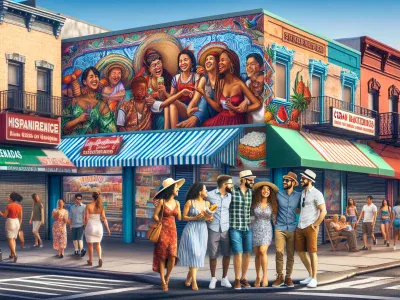
Two cities, one name—Kansas City. Yet, these neighboring hubs couldn’t feel more distinct. Nestled on opposite sides of the Missouri River, Kansas City, Kansas (KCK) and Kansas City, Missouri (KCMO) each bring their own flavor to the table. But how do you decide which city truly captures your heart?
Is it KCK’s quiet charm and tight-knit community or KCMO’s bustling arts scene and world-famous barbecue? Maybe it’s the subtle differences in culture, history, or vibe that intrigue you most. Whether you’re planning a visit or simply curious about what sets them apart, uncovering the unique identities of these twin cities promises an eye-opening journey.
Overview Of Kansas City (KS) Vs Kansas City (MO)
Kansas City, Kansas (KCK), and Kansas City, Missouri (KCMO), are neighboring cities that share a name but differ significantly in character. KCK is part of Wyandotte County and known for its suburban vibe, while KCMO lies within Jackson County and is recognized as a bustling metropolitan hub.
Geographic Context
KCK occupies the northeastern corner of Kansas state. It spans 124 square miles and serves as an entry point to the greater Kansas City area. In contrast, KCMO covers 319 square miles across the western edge of Missouri. The two cities are separated by the Missouri River but connected through major highways like I-70.
Population And Demographics
As of 2023 data, KCK has approximately 156,000 residents with diverse ethnic backgrounds; nearly 30% identify as Hispanic or Latino. Meanwhile, KCMO hosts over 508,000 people and includes a larger African-American community at around 28%, contributing to its rich cultural tapestry.
Metric
Kansas City (KS)
Kansas City (MO)
Area
124 sq mi
319 sq mi
Population
~156k
~508k
Ethnic Group Highlights
~30% Hispanic/Latino
~28% African-American
Economic Differences
The economies reflect their contrasting scales. KCK supports manufacturing industries such as General Motors’ Fairfax Assembly Plant and logistics hubs due to its central location. Conversely, KCMO thrives on finance, healthcare services, entertainment sectors like Hallmark Cards headquarters or T-Mobile Center events.
Cultural Distinctions
KCK offers quieter attractions like Wyandotte Lake Park or Legends Outlets shopping district but lacks extensive nightlife options found across state line in KCMOs Power & Light District vibrant bars or jazz clubs venues.
Geographical Differences
Kansas City, Kansas (KCK), and Kansas City, Missouri (KCMO), differ significantly in their geography. These distinctions shape the cities’ character, demographics, and land use.
Location And Boundaries
KCK lies on the western side of the Missouri River in Wyandotte County. It’s part of the Greater Kansas City metropolitan area and directly borders KCMO along State Line Road. This road serves as a clear divider between the two cities, creating a unique dynamic where crossing a street places you in another state.
KCMO is situated east of the river within Jackson County but also extends into Clay, Platte, and Cass counties. Its expansive territory includes downtown landmarks like Union Station and stretches south to affluent residential neighborhoods such as Brookside.
Size And Population
With 124 square miles of land area, KCK is smaller than its counterpart. Even though this compact size, it accommodates around 156,000 residents as of 2023. The community has notable diversity; nearly one-third identify as Hispanic or Latino.
KCMO spans 319 square miles—more than double KCK’s size—and houses over 508,000 people. This larger population supports a cosmopolitan atmosphere with vibrant cultural hubs like Westport and the Crossroads Arts District. African-American residents make up approximately 28% of KCMO’s demographic profile.
Cultural Highlights
Kansas City, Kansas (KCK), and Kansas City, Missouri (KCMO), offer distinct cultural experiences shaped by their unique histories and demographics. Exploring these cities reveals diverse traditions, vibrant arts scenes, and community-focused events.
Historical Significance
KCK reflects a rich tapestry of immigrant communities who settled in the region during the 19th century. Its Quindaro neighborhood served as a key stop on the Underground Railroad, showcasing its role in abolitionist history. You can visit the Quindaro Ruins to connect with this historical legacy.
Meanwhile, KCMO’s roots lie in trade and jazz music. The city flourished in the early 20th century as a hub for railroads and river commerce. Landmarks like the American Jazz Museum celebrate its contributions to jazz culture, featuring exhibits dedicated to legends like Charlie Parker.
Popular Attractions
In KCK, you find family-friendly destinations such as Schlitterbahn Waterpark and Wyandotte County Lake Park. The Legends Outlets offers shopping combined with tributes to local sports heroes through murals and statues.
KCMO stands out with venues like Union Station, offering interactive science exhibits at Science City alongside historic architecture. Art enthusiasts flock to the Nelson-Atkins Museum of Art for its expansive collection spanning centuries and cultures; its iconic Shuttlecocks sculptures are Instagram favorites.
Economic Comparison
Kansas City, Kansas (KCK), and Kansas City, Missouri (KCMO), offer distinct economic landscapes shaped by their industries, workforce demographics, and living costs. Understanding these differences can guide decisions about business opportunities or relocation.
Leading Industries
KCK focuses on manufacturing and logistics. Companies like General Motors’ Fairfax Assembly Plant significantly contribute to the local economy. The city also benefits from its proximity to major transportation routes like Interstates 70 and 435, supporting warehousing and distribution sectors.
In contrast, KCMO thrives in finance, healthcare, technology, and entertainment. Headquarters for companies such as Hallmark Cards enhance the city’s corporate profile. Meanwhile, institutions like Saint Luke’s Health System drive employment in healthcare. KCMO’s Power & Light District boosts tourism with restaurants and event venues that attract thousands annually.
While KCK leans towards industrial growth with examples like BNSF Railway’s facilities supporting freight operations, KCMO showcases a diversified economy backed by arts-focused initiatives such as First Fridays at Crossroads Arts District.
Cost Of Living
Living costs differ notably between these two cities even though their geographic proximity. In KCK housing prices are lower; median home values average around $160k compared to $220k in KCMO as of recent data from Zillow. Renters also find better affordability in KCK where average monthly rents hover near $1k versus approximately $1.3k in KCMO.
But utilities may offset some savings since larger properties often mean higher energy bills outside dense urban areas found more commonly within KCMO limits. Groceries show minimal variation but dining out tends slightly pricier downtown given upscale options dominating districts like Westport over family-oriented establishments typical across suburban stretches of Wyandotte County.
Lifestyle And Community
KCK and KCMO offer distinct lifestyles shaped by their unique communities, housing options, and cultural experiences. Exploring these differences helps you decide which city aligns better with your preferences.
Housing And Neighborhoods
KCK’s neighborhoods reflect its suburban character. Areas like Piper and Edwardsville provide spacious homes with larger yards, catering to families seeking tranquility. The median home value here is approximately $160,000, making it an affordable option for first-time buyers or those looking for more space. Walkability is limited in many areas due to the spread-out layout, but parks like Wyandotte County Lake Park compensate with scenic outdoor spaces.
KCMO features diverse housing styles across vibrant districts. Downtown lofts attract young professionals drawn to urban living near workplaces or entertainment hubs like Power & Light District. Brookside and Waldo offer tree-lined streets with historic homes that appeal to established families or individuals valuing architectural charm. With a higher median home value of around $220,000, KCMO’s real estate market demands a greater investment but provides convenient access to cultural hotspots.
Events And Festivals
Both cities host events celebrating their heritage and fostering community engagement. In KCK, ethnic festivals dominate the calendar—like Festa Italiana at Strawberry Hill—highlighting the city’s immigrant roots while offering authentic food and live music performances. Sporting KC games at Children’s Mercy Park draw soccer enthusiasts from all over the metro area.
KCMO presents high-energy festivals such as Boulevardia—a two-day event combining craft beer tastings with local bands—and Jazzoo at the Kansas City Zoo supporting wildlife conservation efforts through an upscale party experience. First Fridays in the Crossroads Arts District showcase galleries and street performances that capture KCMO’s creative spirit.
Each city’s events reflect its personality: KCK emphasizes family-friendly gatherings rooted in tradition; KCMO thrives on dynamic celebrations blending art, music, and modern culture.
Transportation And Accessibility
Kansas City, Kansas (KCK), and Kansas City, Missouri (KCMO), offer distinct transportation networks shaped by their geography and urban planning. KCK emphasizes road-based connectivity with its proximity to Interstates 70, 435, and 635. These major highways make commuting efficient for residents and businesses relying on freight logistics. For example, the Fairfax Industrial District benefits from direct access to these routes for distributing goods.
In contrast, KCMO provides a more diverse transit ecosystem that includes a streetcar system connecting downtown attractions like Union Station and the River Market. The KC Streetcar covers a route of approximately 2 miles as of 2023 but has ongoing expansion plans. Public bus services via RideKC operate in both cities but are more extensive in KCMO due to its larger metropolitan size.
Air travel facilities differ significantly between the two cities. Kansas City International Airport (MCI) serves as the primary hub for both regions but is situated north of KCMO’s city center. Although it’s accessible from KCK via highways within a 20-mile radius, travelers from KCK might find longer commute times compared to those residing closer to downtown KCMO.
Pedestrian-friendly infrastructure is more prominent in certain parts of KCMO than in suburban-dominant areas of KCK. Neighborhoods like Westport or Crossroads Arts District cater well to walkers with interconnected sidewalks and bike lanes. But, cycling enthusiasts in both cities can use trails such as Indian Creek Trail spanning across state lines.
Conclusion
Choosing between Kansas City, Kansas, and Kansas City, Missouri comes down to what fits your lifestyle and interests. Each city offers its own blend of culture, history, and opportunities that cater to different preferences. Whether you’re drawn to KCK’s suburban tranquility or KCMO’s dynamic urban energy, both cities hold unique experiences waiting to be explored.
From diverse communities to distinct economic strengths and vibrant attractions, these neighboring cities showcase the best of what the Midwest has to offer. No matter which side of the state line you find yourself on, you’re sure to discover a place rich in character and charm.
To provide the best experiences, we use technologies like cookies to store and/or access device information. Consenting to these technologies will allow us to process data such as browsing behaviour or unique IDs on this site. Not consenting or withdrawing consent, may adversely affect certain features and functions.
Functional
Always active
The technical storage or access is strictly necessary for the legitimate purpose of enabling the use of a specific service explicitly requested by the subscriber or user, or for the sole purpose of carrying out the transmission of a communication over an electronic communications network.
Preferences
The technical storage or access is necessary for the legitimate purpose of storing preferences that are not requested by the subscriber or user.
Statistics
The technical storage or access that is used exclusively for statistical purposes.The technical storage or access that is used exclusively for anonymous statistical purposes. Without a subpoena, voluntary compliance on the part of your Internet Service Provider, or additional records from a third party, information stored or retrieved for this purpose alone cannot usually be used to identify you.
Marketing
The technical storage or access is required to create user profiles to send advertising, or to track the user on a website or across several websites for similar marketing purposes.