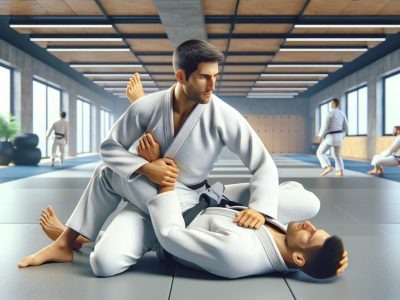
When considering martial arts for fitness, self-defense, or personal development, two names often rise to prominence: Judo and Jiu Jitsu. Both rich in history and offering unique methods of training, they continue to captivate practitioners worldwide. Understanding the nuances of these disciplines can help you appreciate their distinct approaches and determine which aligns best with your aspirations.
The Origins and Foundations of Judo and Jiu Jitsu
Historical Backgrounds of the Two Martial Arts
Judo, established in 1882 by Jigoro Kano in Japan, stems from traditional Jiu Jitsu practices but focuses on techniques that minimize injury during training. Jiu Jitsu, with its roots tracing back centuries in feudal Japan, was initially a combat approach emphasizing grappling for armored warriors.
Core Principles and Philosophies of Each Discipline
Judo is built upon principles such as maximum efficiency and mutual welfare, emphasizing the safe application of techniques. Jiu Jitsu, specifically Brazilian Jiu Jitsu, prioritizes leverage and strategy to subdue opponents, often regardless of size differences.
Techniques and Training Approaches Compared
Key Techniques in Judo
Judo techniques center around throws and takedowns, leveraging an opponent’s weight and momentum to execute powerful maneuvers. Practitioners train rigorously to master precision and timing.
Distinctive Techniques in Jiu Jitsu
Jiu Jitsu encompasses a variety of ground techniques, including joint locks and chokeholds. It emphasizes positional control and adaptability during close combat encounters.
Physical and Mental Benefits of Practicing Each Art
Physical Fitness and Strength Development
Both Judo and Jiu Jitsu enhance overall fitness, but their methods differ: judo improves explosive power and balance, while jiu jitsu focuses on endurance and flexibility.
Mental Discipline and Personal Growth
Practicing either art fosters discipline, resilience, and focus. The structured progression and inherent challenges instill confidence and mental fortitude.
Competitions and Rules: Contrasts and Similarities
Competitive Aspects of Judo
Judo competitions involve scoring methods such as ippon for complete throws or submissions. Strict rules ensure safety and fairness in contests.
Competitive Aspects of Jiu Jitsu
Jiu Jitsu matches emphasize positional control, submissions, and strategic scoring systems. The rules accommodate prolonged ground engagements, showcasing the art’s distinctive style.
To provide the best experiences, we use technologies like cookies to store and/or access device information. Consenting to these technologies will allow us to process data such as browsing behaviour or unique IDs on this site. Not consenting or withdrawing consent, may adversely affect certain features and functions.
Functional
Always active
The technical storage or access is strictly necessary for the legitimate purpose of enabling the use of a specific service explicitly requested by the subscriber or user, or for the sole purpose of carrying out the transmission of a communication over an electronic communications network.
Preferences
The technical storage or access is necessary for the legitimate purpose of storing preferences that are not requested by the subscriber or user.
Statistics
The technical storage or access that is used exclusively for statistical purposes.The technical storage or access that is used exclusively for anonymous statistical purposes. Without a subpoena, voluntary compliance on the part of your Internet Service Provider, or additional records from a third party, information stored or retrieved for this purpose alone cannot usually be used to identify you.
Marketing
The technical storage or access is required to create user profiles to send advertising, or to track the user on a website or across several websites for similar marketing purposes.