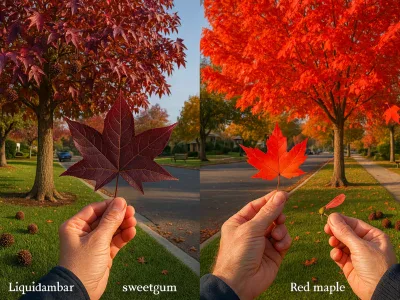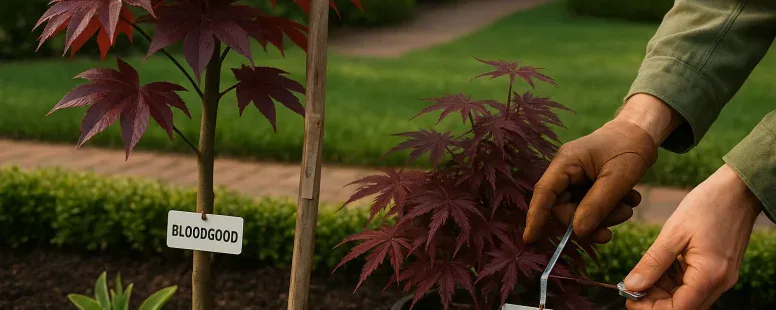
Japanese Maple Bloodgood Vs. Atropurpureum
Two deep-red Japanese maples often stand side-by-side in photos and nurseries, but they are not identical. You can get similar-looking trees and very different behavior depending on whether you pick Acer palmatum ‘Bloodgood’ or Acer palmatum ‘Atropurpureum’. This article gives clear, usable differences and care advice so you choose the right tree for your yard. Expect practical comparisons of size, leaf color, cold hardiness, pests, and landscape uses, plus hands-on tips to verify cultivar identity before you buy.
Quick Comparison Snapshot
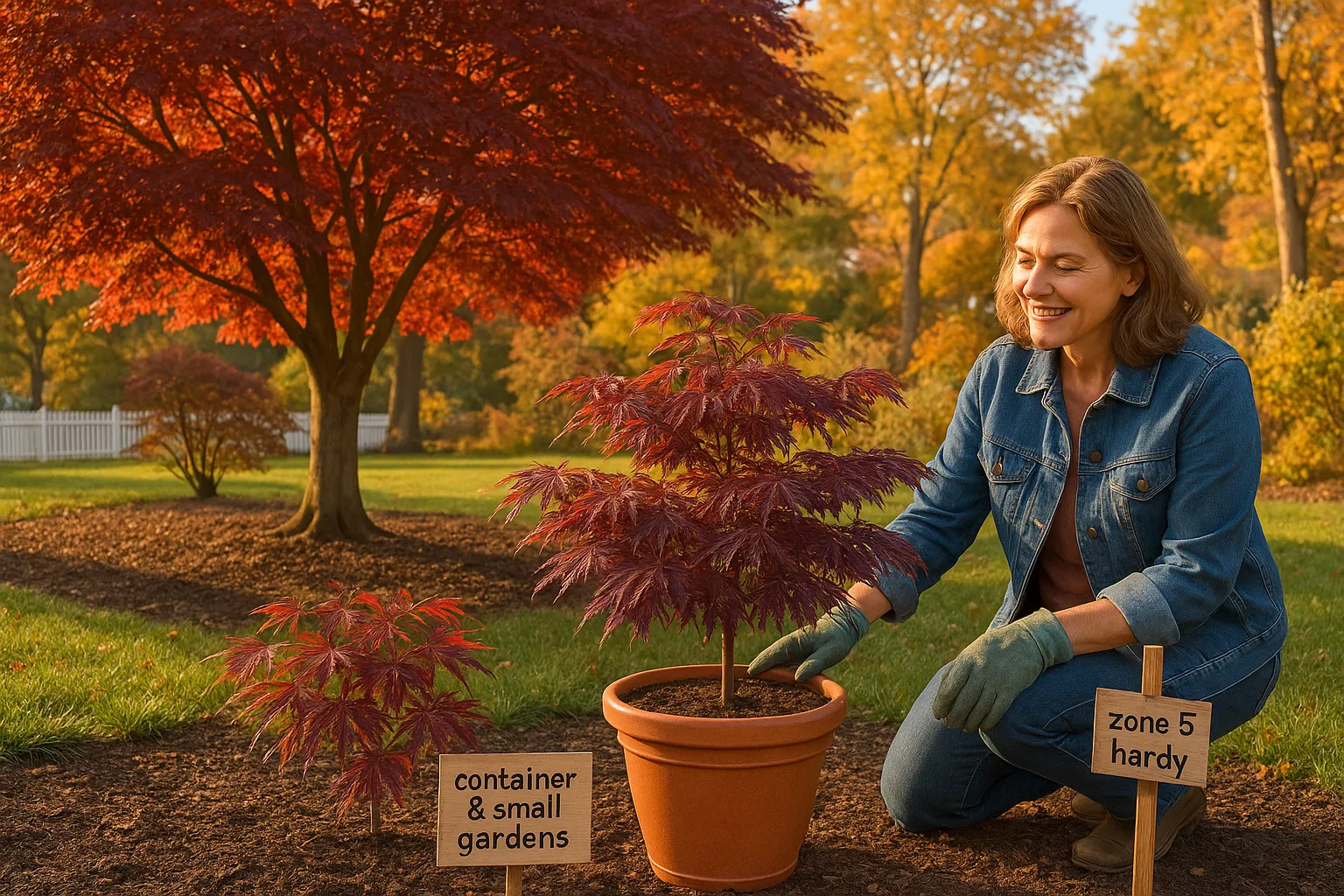
Fact: Bloodgood and Atropurpureum are both purple-leaved cultivars of Acer palmatum but they differ in size, leaf form, and cold tolerance.
- Botanical names: Acer palmatum ‘Bloodgood’ and Acer palmatum ‘Atropurpureum’.
- Typical mature height: Bloodgood 15–20 ft: Atropurpureum 8–12 ft (varies by rootstock and pruning).
- Leaf type: Bloodgood often has broader, lobed leaves: Atropurpureum tends toward slightly more compact, deeply divided leaves.
- Hardiness: Bloodgood reliably hardy to USDA zone 5: Atropurpureum often rated to zone 6 but some selections survive colder sites.
- Best use: Bloodgood fits medium to large gardens as a specimen: Atropurpureum suits small yards, containers, or layered borders.
Why this matters: size and hardiness determine where you plant the tree, while leaf shape and seasonal color control the visual effect. Keep these three facts in mind when you plan.
Key Differences Between Bloodgood And Atropurpureum
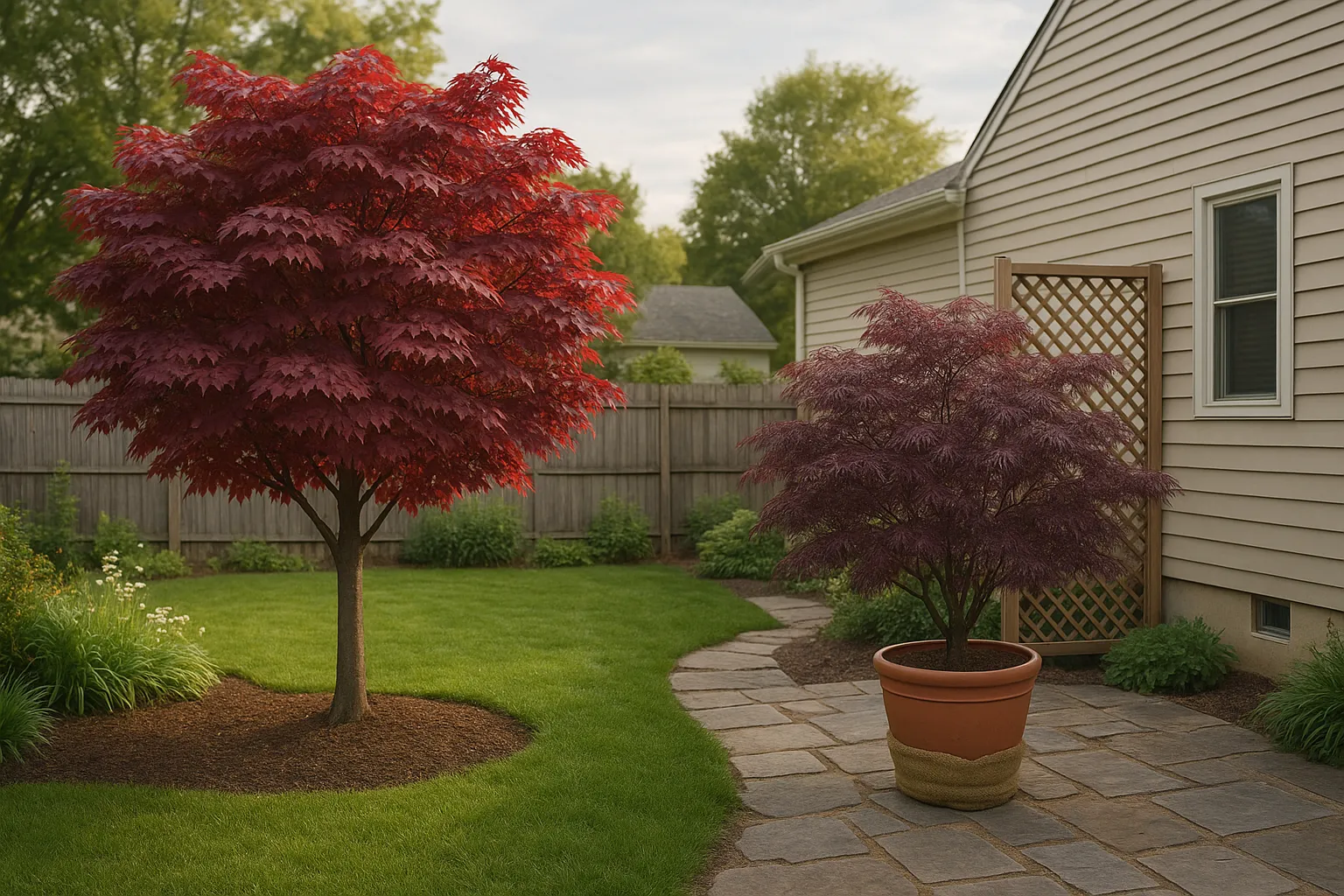
Fact: The main differences are growth habit, leaf traits, cold tolerance, and resilience to pests and stress. Below I break each down so you can match tree to site.
Size And Growth Habit
Bloodgood usually grows taller and forms a broadly upright crown. Atropurpureum tends to remain more compact and often stays multi-stemmed unless trained to a single leader. In practice you will see Bloodgood used where a mid-sized shade or focal tree is wanted, while Atropurpureum fills tighter spaces or container culture. Pruning changes habit: but initial genetic tendency matters.
Leaf Color, Shape, And Seasonal Changes
Bloodgood shows deep purple-red leaves from spring through summer, often paling slightly in intense sun. In fall it shifts to crimson to scarlet. Atropurpureum starts with dark burgundy leaves that may keep a consistent tone longer into summer, and the fall display often leans toward wine-red to russet. Leaf shape: Bloodgood’s lobes are somewhat wider: Atropurpureum may have finer, more deeply cut lobes. These visual subtleties affect how the tree reads at a distance, Bloodgood gives a block of color, Atropurpureum offers texture.
Cold Hardiness And Climate Performance
Bloodgood is reliably hardy to USDA zone 5 and often resists late-spring frost damage better than many red-leaf cultivars. Atropurpureum has variable reports: many sources rate it to zone 6: gardeners in zone 5 have success when they give it sheltered sites or wrap young trees. If you garden in the upper Midwest or New England, prefer Bloodgood for consistent winter survival. In milder climates both perform well, but sun intensity and heat can fade leaf color. Afternoon shade will preserve pigment in hot zones.
Pests, Diseases, And Vigor
Fact: Both cultivars are generally hardy with low pest pressure but differ in vigor.
Bloodgood shows strong vigor and better recovery from pruning or minor stress. Atropurpureum can be less vigorous, so it may show slower recovery after damage. Both are vulnerable to common maple issues: aphids, scale, and verticillium wilt in susceptible soils. Good site selection and sanitation reduce disease risk. If you have a history of fungal problems in your yard, choose the more vigorous Bloodgood and plan for better drainage and air flow.
Shared Traits And Why They’re Often Confused
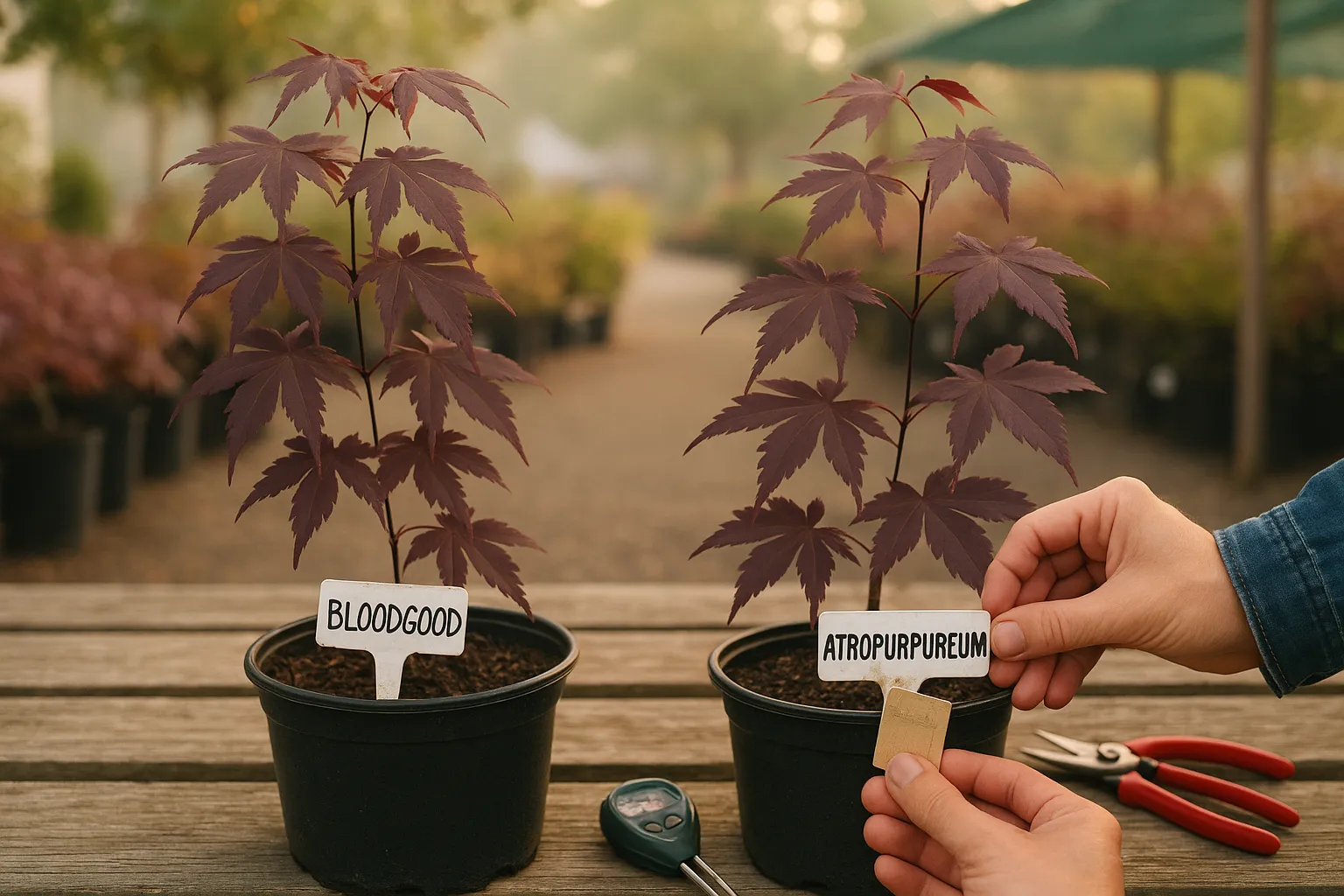
Fact: Both are forms of Acer palmatum with purple foliage, so superficial similarity causes confusion.
You will see multiple purple-leaved Japanese maples that overlap in color and shape. Nurseries sometimes tag plants inconsistently: tag errors and mislabeling propagate through inventories. Both cultivars share: attractive spring-to-fall color, preference for part sun, and tolerance for pruning. They also respond similarly to soil pH (slightly acidic to neutral preferred) and need good organic matter.
Anecdote: A neighbor bought two plants labeled as different cultivars and later found both matched leaves and bark. He later discovered the nursery had swapped tags when restocking. This is common. For accuracy, inspect leaf form, growth rate, and ask for provenance or original bench tags when possible.
Planting, Care, And Maintenance Tips
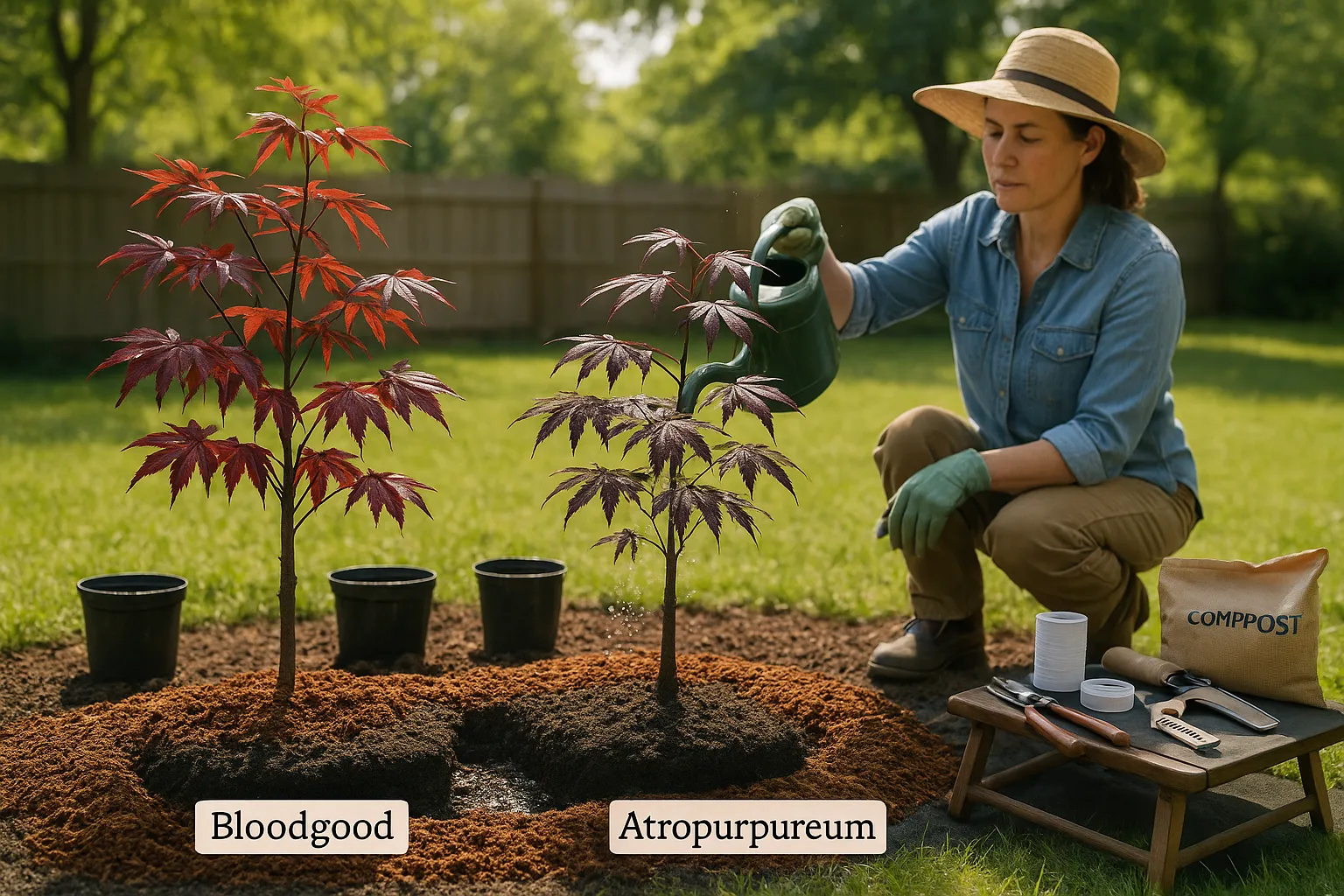
Fact: Both trees need well-drained soil, protection from harsh afternoon sun, and regular moisture until established. Below are concrete, step-by-step care points.
Site Selection, Soil, And Watering Needs
Choose a site with morning sun and afternoon shade in hot summers. Soil should be well-drained and rich in organic matter: amend heavy clay with compost and coarse sand or grit. Plant at the same depth as the nursery pot. Water deeply once or twice a week in the first growing season: reduce frequency as roots establish. Mulch 2–3 inches over the root zone, keeping mulch away from the trunk.
Pruning, Training, And Routine Maintenance
Prune in late winter to shape and remove dead wood. You can train Atropurpureum to a single leader if you want a small standard: Bloodgood tolerates stronger structural pruning. Do light summer pruning to open the canopy for air flow. Remove suckers at their base. Sanitize tools between cuts to prevent disease spread.
Fertilizing, Winter Protection, And Troubleshooting
Fertilize in early spring with a slow-release balanced fertilizer (e.g., 10-10-10) or an organic alternative. Avoid high-nitrogen feeds late in the season. For winter protection, wrap young trunks in frost cloth or tree wrap in areas with heavy freeze-thaw cycles to prevent sunscald. Troubleshooting: if leaves scorch, increase shade or mulching: if growth stalls, check soil pH and drainage. If pests appear, use insecticidal soap for soft-bodied insects and consult local extension if fungi persist.
Landscape Uses And Design Ideas
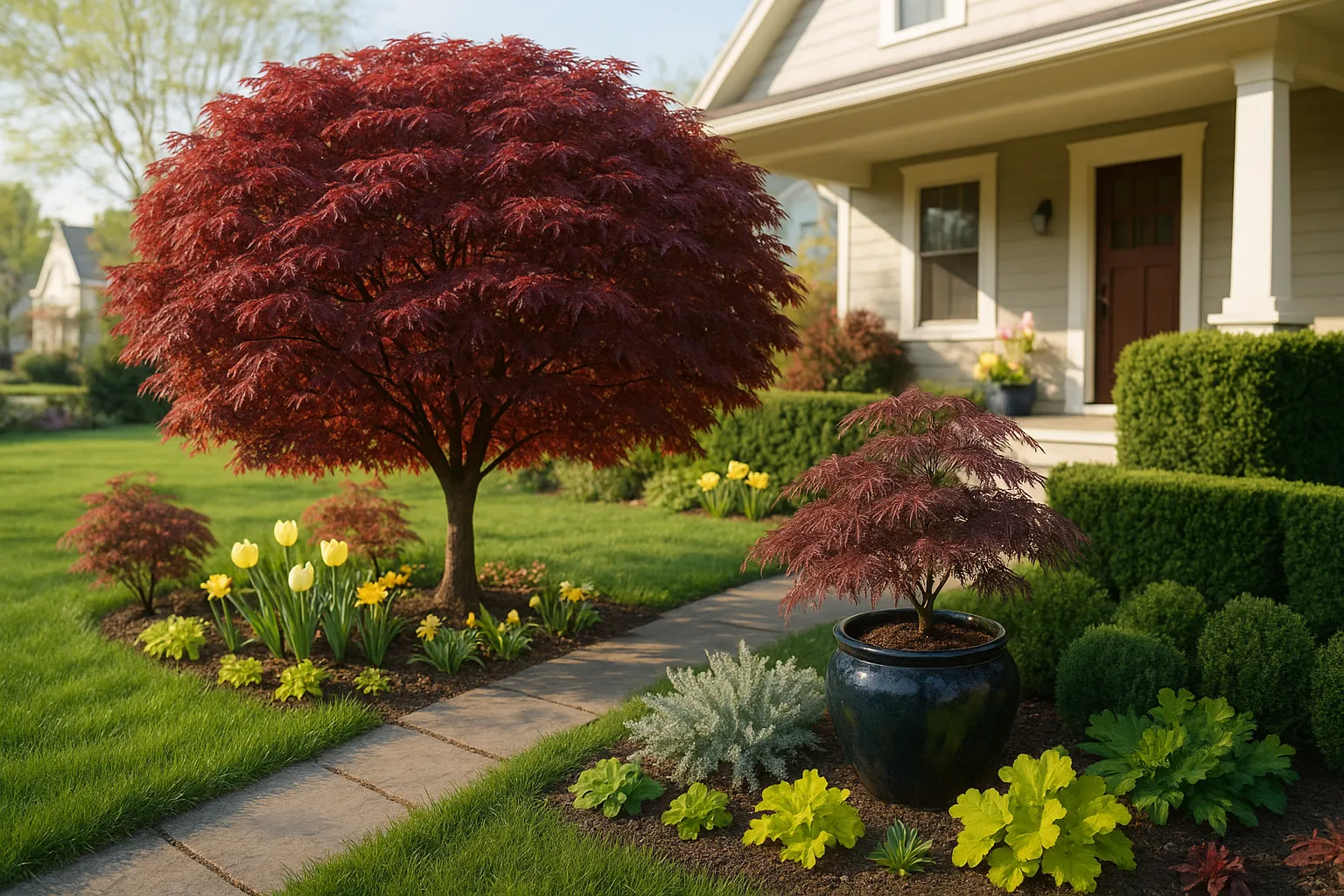
Fact: Bloodgood and Atropurpureum fill different design roles based on size and texture.
Specimen Trees, Containers, And Mixed Borders
Use Bloodgood as a mid-sized specimen in a lawn or front garden where its color can dominate a view. Plant it to frame a doorway or at the end of a pathway. Atropurpureum works well in containers on patios or near entrances where you want dramatic color without big roots. You can also use Atropurpureum in layered borders in front of evergreens or behind low perennials.
Combining With Other Plants For Contrast And Texture
Pair red maples with silver foliage plants like Artemisia ‘Powis Castle’ or Heuchera ‘Lime Rickey’ to create high contrast. Evergreen shrubs such as boxwood or yew provide year-round structure behind the maples. For seasonal interest, underplant with spring bulbs (tulips, daffodils) that appear before the maple leaf canopy fills in. Think in terms of color blocks and leaf textures: Bloodgood gives bold color fields: Atropurpureum supplies lacy detail.
How To Choose Between Bloodgood And Atropurpureum
Fact: Choose Bloodgood for reliability and larger presence: choose Atropurpureum for small spaces and finer texture. Use the checklist and nursery tips below to decide and to avoid buying the wrong cultivar.
Decision Checklist For Gardeners
- Space available: pick Bloodgood for 15–20 ft mature height: pick Atropurpureum for smaller sites.
- Climate: choose Bloodgood if you are in zone 5 or colder. Choose Atropurpureum if your site is milder or you can protect the tree.
- Visual goal: choose Bloodgood for bold color blocks: choose Atropurpureum for delicate texture.
- Maintenance appetite: choose Bloodgood if you want faster recovery from pruning or stress: choose Atropurpureum if you prefer slower, tidy growth.
Nursery Tips: How To Verify Cultivar Identity Before Buying
Ask for the original nursery tag and provenance. Inspect bud arrangement, leaf lobing, and trunk form: compare with reputable sources such as the Royal Horticultural Society or local extension photos. If possible, buy from specialist maples sellers who keep bench tags. Take a photo and compare it to reference images on sites like the Royal Horticultural Society. If the seller can’t guarantee identity, assume the plant may be mislabeled and price accordingly.
Vulnerable moment: I once bought an Atropurpureum that turned out to be a seedling with green spring leaves: it was disappointing. Check the leaf color on graft unions and ask about grafting dates. If you want the exact cultivar, insist on a verified tag or buy later from a grower with a solid reputation.
Final action: measure your space, check your hardiness zone, and visit a reputable nursery. That will help you pick the right Japanese maple for your garden and avoid surprises.
by Ellie B, Site owner & Publisher

- Japanese Maple Bloodgood Vs. Atropurpureum - March 9, 2026
- Best Alternatives To Chrome - March 9, 2026
- The Difference Between Sunrise and Dawn, Explained Like You’Re Busy - March 9, 2026