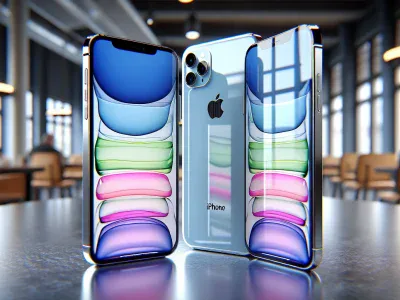
Choosing between the iPhone 15 and iPhone 15 Pro feels like standing at a crossroads, each path promising innovation but tailored for different journeys. Whether you’re drawn to sleek design, cutting-edge performance, or advanced camera features, these two models cater to distinct needs while sharing Apple’s signature craftsmanship. if the “Pro” label truly justifies its higher price tag? Or maybe you’re curious about how much of an upgrade either model offers over previous generations. From subtle differences in materials to game-changing tech under the hood, understanding what sets them apart could help you make the right choice for your lifestyle.
In this head-to-head comparison, you’ll uncover what makes each device unique. By the end, you’ll know which iPhone fits your priorities—whether it’s power-packed performance or everyday reliability with a touch of elegance.
Design And Build Quality
The design and build quality of the iPhone 15 and iPhone 15 Pro reflect Apple’s commitment to premium craftsmanship, but distinct differences set them apart.
Materials And Finish
The iPhone 15 features an aluminum frame with a glass back, ensuring durability while maintaining a lightweight feel. In contrast, the iPhone 15 Pro uses a titanium frame, offering improved strength and reduced weight compared to stainless steel in previous models. The matte finish on the Pro resists fingerprints better than the glossy texture of the standard model. Both devices feature Ceramic Shield for scratch resistance on the front display.
Size And Weight Comparison
The dimensions of both models are near identical, but weight varies due to material choices. The iPhone 15 weighs approximately 171 grams for the standard version (6.1-inch) and around 203 grams for the Plus (6.7-inch). The Pro versions weigh about 187 grams (Pro) and 221 grams (Pro Max), making them slightly heavier even though titanium construction.
Model
Dimensions
Weight
iPhone 15
~147.6 x 71.6 x 7.8 mm
~171 g
iPhone 15 Plus
~160.9 x 77.8 x 7.8 mm
~203 g
iPhone 15 Pro
~146.6 x 70.6 x 8.3 mm
~187 g
iPhone Pro Max
~159.9 x74 .3x *8.*2 mm
~221g
Display And Screen Technology
The iPhone 15 and iPhone 15 Pro offer advanced display features that significantly impact user experience. Both models share similarities but also introduce key differences in screen performance, tailored to diverse usage needs.
Size And Resolution
Both devices feature a 6.1-inch Super Retina XDR display with a resolution of 2556 x 1179 pixels, delivering sharp visuals suitable for streaming, gaming, or productivity tasks. The pixel density remains consistent at 460 PPI (pixels per inch), ensuring crisp text and detailed images on both screens. While the size and resolution are identical, the Pro model benefits from enhanced color accuracy and brightness levels due to its superior calibration.
For HDR content playback, both models support peak brightness up to 1600 nits during HDR viewing. Under direct sunlight conditions, the displays reach an impressive peak outdoor brightness of up to 2000 nits for better visibility. This makes either device ideal for outdoor use or consuming high-quality media.
Refresh Rate Differences
The most noticeable difference lies in refresh rates. The iPhone 15 supports a standard refresh rate of 60Hz, which suffices for general activities like browsing social media or watching videos without requiring additional power consumption.
In contrast, the iPhone 15 Pro incorporates ProMotion technology with adaptive refresh rates ranging from as low as 1Hz to a maximum of 120Hz. This dynamic adjustment provides smoother scrolling and responsive gameplay while conserving battery life when displaying static content like photos or text documents.
Gamers may appreciate this upgrade since faster refresh rates reduce motion blur during fast-paced action sequences in games supporting higher frame rates. Similarly, designers working on visual projects might find the fluid animations improve workflow precision.
Performance And Hardware
The iPhone 15 and iPhone 15 Pro offer distinct performance levels, driven by differences in their processors, RAM configurations, and battery optimizations. Their hardware capabilities align with the needs of casual users and power-focused professionals.
Processor Comparison
The iPhone 15 uses the A16 Bionic chip, while the iPhone 15 Pro features the latest A17 Pro chip. The A16 Bionic has a 6-core CPU, a 5-core GPU, and a dedicated Neural Engine for handling advanced tasks like real-time photo processing. On the other hand, Apple’s A17 Pro introduces a significant upgrade with its 3nm architecture, delivering up to 20% faster GPU performance. This enhancement supports smoother gaming experiences and enables ray tracing for better visuals.
If you’re into high-performance applications or graphics-intensive activities like editing videos on your phone or playing AAA games, you’ll likely notice the A17 Pro’s edge over its predecessor. But, everyday tasks such as browsing or streaming won’t show much difference between these chips.
RAM And Storage Options
RAM capacity varies between models to complement their target audiences. The iPhone 15 includes 6GB of LPDDR5 RAM, offering efficient multitasking for daily needs like social media use or light productivity apps. In contrast, the iPhone 15 Pro steps up with an upgraded allocation of approximately 8GB of LPDDR5X RAM to handle resource-heavy workflows such as professional-grade video editing software or augmented reality applications.
Storage options also reflect this distinction:
Model
Base Storage
Maximum Storage
iPhone 15
128GB
Up to 512GB
iPhone 15 Pro
256GB
Up to 1TB
If you require massive local storage for RAW photos or large app libraries (e.g., CAD tools), opting for higher-end configurations in the Pro model becomes essential.
Battery Life And Charging
Both devices deliver solid battery life but differ slightly due to chipset efficiency and hardware demands. The standard version offers around 20 hours of video playback compared to about 23 hours on its premium counterpart under similar conditions.
Charging compatibility remains consistent across both models; they support USB-C connectivity introduced in this generation alongside MagSafe wireless charging at speeds up-to-27W depending upon adapter wattage used during wired sessions—not all adapters provide peak rates).
Camera Features
The cameras on the iPhone 15 and iPhone 15 Pro showcase Apple’s advancements in mobile photography, catering to casual users and professionals alike. Each model offers unique strengths based on hardware and software optimizations.
Rear Camera Specifications
The iPhone 15 includes a dual-camera setup featuring a 48MP main sensor with an f/1.6 aperture and a 12MP ultra-wide lens with an f/2.4 aperture, enabling versatile shooting options. In contrast, the iPhone 15 Pro integrates the same primary and ultra-wide lenses but adds a telephoto lens exclusive to its triple-camera system. The telephoto lens provides up to 3x optical zoom (5x for the Pro Max variant), enhancing distant subject capture.
Both models support Night mode, Smart HDR 5, Deep Fusion technology, and Photonic Engine enhancements for improved low-light performance and detail retention. But, the Pro’s LiDAR scanner enhances depth mapping for AR applications and night portrait photography.
Front Camera Capabilities
Each device features a 12MP TrueDepth front camera with an f/1.9 aperture that supports autofocus for crisp selfies and FaceTime calls. Cinematic mode records videos at up to 4K HDR resolution at either 24fps or 30fps in both models.
On the Pro model, additional computational photography features such as enhanced bokeh effects deliver superior results during portrait shots with more precise subject-background differentiation.
Additional Camera Features
While both devices support standard modes like Portrait Lighting adjustments and macro photography via ultra-wide sensors, only the Pro model benefits from Apple ProRAW image format support and new log encoding capabilities tailored for professional video workflows.
ProRes video recording is another significant distinction; available only on the iPhone-15-Pro series at up to 4K@60fps.
Software And User Experience
Both the iPhone 15 and iPhone 15 Pro run on iOS 17, delivering a seamless and intuitive user experience. But, the Pro model enhances this with exclusive software-driven features tailored for advanced users.
iOS Features
iOS 17 introduces improvements like StandBy mode, Contact Posters, and enhanced AirDrop functionality. You can personalize your lock screen further with widgets and real-time updates. Interactive widgets simplify tasks like checking off reminders directly from your home screen.
Communication apps benefit from Live Voicemail, which transcribes messages in real time while letting you decide whether to answer. Enhanced autocorrect adjusts better to your typing style over time.
Both models support Apple’s ecosystem integration, including Handoff between devices, FaceTime upgrades such as reactions during calls, and improved privacy settings that protect sensitive data across apps.
Exclusive Features On The iPhone 15 Pro
The iPhone 15 Pro leverages its A17 Pro chip for exclusive capabilities not available on the standard model. Advanced ray tracing enables console-level gaming experiences within mobile-optimized titles like “Resident Evil Village.” This feature elevates immersive gameplay through realistic lighting effects.
The Action Button replaces the traditional mute switch on the Pro model. You can customize it to perform tasks such as launching specific apps or activating Focus Modes instantly. For example, assign camera access to capture moments faster without unlocking your device.
ProRAW photo editing lets photographers achieve greater control over image details post-capture compared to standard JPEG files supported by both models. Also, video enthusiasts gain access to external recording via USB-C at up-to-4K resolution in Log encoding profiles suitable for professional workflows.
Pricing And Value
The iPhone 15 and iPhone 15 Pro differ significantly in terms of pricing, reflecting their distinct features and target audiences.
Price Points
The base model of the iPhone 15 starts at $799 for the 128GB variant, while the iPhone 15 Pro begins at $999 for the same storage capacity. Higher storage options increase costs proportionally, with the Pro model also offering a premium 1TB option priced at $1,499. These price variations align with differences in materials, performance capabilities, and professional-grade features.
For instance, if you prioritize budget-friendly options without compromising on core functionality like advanced cameras or efficient processors, the standard iPhone 15 presents solid value. On the other hand, users seeking cutting-edge performance enhancements such as an A17 Pro chip or extended storage should consider investing in the Pro.
Cost-Effectiveness
Choosing between these models depends heavily on your usage needs and willingness to pay for added features. The aluminum frame of the iPhone 15 ensures durability for everyday use but lacks the lightweight titanium build offered by its pricier counterpart. Similarly, while both devices support shared software updates like iOS 17 improvements, exclusive functionalities like ray tracing or external video recording make the extra expense worthwhile only if you’re utilizing them regularly.
From a cost-effectiveness perspective: casual users who engage mainly in social media browsing or streaming may find minimal advantages in opting for high-end specifications. Conversely—if professional photography workflows or intensive gaming dominate your daily activities—the additional investment into an iPhone 15 Pro delivers superior long-term value through enhanced hardware efficiency and versatility in function outputs across various scenarios such as editing large files directly via USB-C connectivity.
Conclusion
Choosing between the iPhone 15 and iPhone 15 Pro comes down to your specific needs and priorities. If you’re after a reliable, high-quality device for everyday use without very costly, the iPhone 15 is an excellent option. On the other hand, if advanced features, top-tier performance, and professional capabilities are essential to you, the iPhone 15 Pro justifies its higher price.
Both models deliver Apple’s signature quality across design, display, performance, and user experience. By considering what matters most to your lifestyle—whether it’s photography tools, gaming power, or budget-friendly functionality—you’ll find either model capable of exceeding expectations in its own way.
Published: July 25, 2025 at 9:29 am by Ellie B, Site owner & Publisher
To provide the best experiences, we use technologies like cookies to store and/or access device information. Consenting to these technologies will allow us to process data such as browsing behaviour or unique IDs on this site. Not consenting or withdrawing consent, may adversely affect certain features and functions.
Functional
Always active
The technical storage or access is strictly necessary for the legitimate purpose of enabling the use of a specific service explicitly requested by the subscriber or user, or for the sole purpose of carrying out the transmission of a communication over an electronic communications network.
Preferences
The technical storage or access is necessary for the legitimate purpose of storing preferences that are not requested by the subscriber or user.
Statistics
The technical storage or access that is used exclusively for statistical purposes.The technical storage or access that is used exclusively for anonymous statistical purposes. Without a subpoena, voluntary compliance on the part of your Internet Service Provider, or additional records from a third party, information stored or retrieved for this purpose alone cannot usually be used to identify you.
Marketing
The technical storage or access is required to create user profiles to send advertising, or to track the user on a website or across several websites for similar marketing purposes.