Choosing your next iPhone isn’t just about picking a device—it’s about finding the perfect balance between style, performance, and innovation. With the iPhone 14 and iPhone 14 Pro both vying for attention, you might wonder which one truly fits your needs. These two models may look similar at first glance, but under the surface, they cater to different priorities.
Do you crave cutting-edge features like advanced cameras and premium finishes? Or are you looking for a reliable powerhouse that delivers all the essentials without very costly? The iPhone 14 and iPhone 14 Pro each bring their own strengths to the table, making this decision as exciting as it is tricky. Let’s explore what sets them apart so you can decide which one deserves a spot in your pocket.
Design And Build Quality
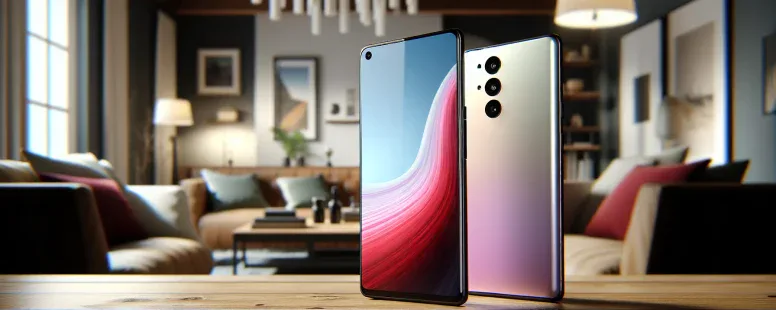
The iPhone 14 and iPhone 14 Pro share a similar overall design, but key differences set them apart. Both feature an aluminum frame with Ceramic Shield front glass for durability, yet the Pro model incorporates a stainless steel frame, offering a more premium feel and increased resistance to scratches. This distinction in materials reflects their target audiences—those seeking affordability versus those prioritizing luxury.
Size and weight vary slightly between the two models. The iPhone 14 measures 5.78 x 2.82 x 0.31 inches and weighs around 172 grams, while the iPhone 14 Pro is marginally heavier at approximately 206 grams due to its stainless steel construction and additional camera hardware.
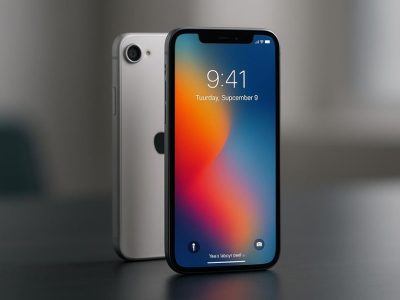
Display features also influence their visual appeal. The standard model retains its traditional notch design for housing Face ID components, whereas the Pro replaces this with the Dynamic Island—a pill-shaped cutout that adapts dynamically based on notifications or activities you’re engaged in, such as music playback or calls.
Color options cater to different aesthetic preferences. The iPhone 14 offers brighter tones like Blue, Purple, Midnight (black), Starlight (white), and Product(RED). In contrast, the Pro sticks to more subdued finishes: Space Black, Silver, Gold, and Deep Purple—emphasizing elegance over vibrancy.
Display Differences
The iPhone 14 and iPhone 14 Pro offer distinct display technologies that cater to different user experiences. These differences impact visuals, smoothness, and overall usability.
Size And Resolution
Both models feature a 6.1-inch Super Retina XDR display; but, the resolution varies slightly. The iPhone 14 achieves a resolution of 2532 x 1170 pixels with a pixel density of approximately 460 ppi (pixels per inch). In contrast, the Pro model matches this density but incorporates advanced HDR capabilities for improved brightness and color accuracy.
Brightness also differs between them. The iPhone 14 peaks at up to 800 nits under standard conditions and reaches up to 1,200 nits for HDR content. Meanwhile, the Pro model can go as high as 1,000 nits in typical use cases and peaks at an impressive 2,000 nits outdoors—ideal for sunny environments or outdoor photography.
ProMotion Technology
The absence of ProMotion in the iPhone 14 sets it apart from its Pro counterpart. On the iPhone 14 Pro’s display, you’ll experience refresh rates ranging from as low as 10Hz to a smooth maximum of 120Hz through adaptive adjustment based on on-screen activity. This feature enhances animations during gaming or scrolling while conserving battery life when static content is displayed.
Without this technology in the standard model, you’re limited to a fixed 60Hz refresh rate, which may appear less fluid during fast-paced tasks like swiping through apps or playing certain games. Users who prioritize seamless transitions or professional-grade responsiveness might find this distinction significant.
Camera Comparison
The iPhone 14 and iPhone 14 Pro showcase advancements in mobile photography but cater to different user needs. Both models deliver impressive results, yet their capabilities vary significantly when considering hardware and software enhancements.
Main Camera Features
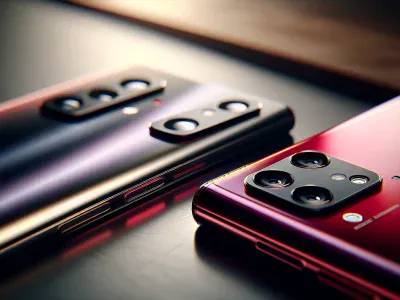
The iPhone 14 employs a dual-camera system with a 12MP wide lens and a 12MP ultra-wide lens. These cameras support Night mode, Deep Fusion, Smart HDR 4, and Photographic Styles to enhance photo quality in various lighting conditions. Optical image stabilization ensures sharper images during movement.
In contrast, the iPhone 14 Pro introduces a triple-camera setup featuring a new 48MP main sensor alongside two additional 12MP lenses (ultra-wide and telephoto). Its quad-pixel sensor improves low-light performance by combining pixels for enhanced detail retention. The addition of the telephoto lens allows up to three times optical zoom, offering greater versatility for distant subjects—ideal for capturing landscapes or portraits with depth.
Advanced Pro Camera Capabilities
Exclusive to the iPhone 14 Pro is Apple’s ProRAW format support for detailed editing flexibility. This feature appeals to professionals who require control over exposure, color grading, and dynamic range. The inclusion of ProRes video recording enables cinematic-quality footage directly from your device.
Another significant upgrade is the Adaptive True Tone flash system on the Pro model. It adjusts intensity based on focal length, ensuring consistent illumination across shots. Combined with advanced computational photography powered by the A16 Bionic chip, it pushes creative possibilities further than ever before.
While both devices excel at everyday use cases like selfies or casual photography sessions under good light conditions—the differences become evident in challenging scenarios like low light or professional shoots where precision matters most.
Performance And Hardware
The iPhone 14 and iPhone 14 Pro cater to different performance needs, with hardware upgrades distinguishing their capabilities. These differences impact processing speed, multitasking efficiency, battery longevity, and charging convenience.
Chipset And Processing Power
Both models use Apple Silicon but target distinct user demands. The iPhone 14 features the A15 Bionic chip with a 5-core GPU, inherited from the iPhone 13 Pro series. This design ensures reliable performance for everyday tasks like social media browsing or video streaming.
The iPhone 14 Pro incorporates the newer A16 Bionic chip built on a more efficient 4nm process technology. It enhances CPU speeds by approximately 10% and boosts power efficiency for demanding applications like intensive gaming or real-time rendering in photo editing software. If you prioritize raw performance or future-proofing your device, the Pro’s advanced chipset makes it a better choice.
Battery Life And Charging
Battery capacity differs slightly between models due to internal design variations. Apple estimates that the iPhone 14 provides up to 20 hours of video playback, while the iPhone 14 Pro extends this to about 23 hours under similar conditions.
Charging technologies remain consistent across both devices—supporting MagSafe wireless charging at up to 15W and wired fast-charging via Lightning cables capable of reaching up to a claimed 50% charge in around30 minutes using an appropriate adapter (20W or higher).
Pricing And Value
The iPhone 14 starts at $799, while the iPhone 14 Pro begins at $999. This $200 difference reflects the additional features and premium materials of the Pro model. For instance, you get the A16 Bionic chip, ProMotion display, and advanced camera system with the Pro compared to standard features on the regular iPhone 14.
When considering value, your usage priorities play a critical role. If everyday reliability and affordability are key factors, the iPhone 14 delivers excellent performance without straining your budget. On the other hand, if you’re a photography enthusiast or demand top-tier hardware for professional tasks like video editing or gaming, investing in the iPhone 14 Pro might be more worthwhile.
Both models offer storage options ranging from 128GB to 1TB on higher configurations for maximum flexibility. But, opting for higher-capacity versions increases costs significantly; for example, a fully-loaded iPhone 14 Pro with 1TB storage costs $1,499 compared to $1,099 for its base version.
Apple’s trade-in program can reduce upfront expenses by offering credits when exchanging an older device like an iPhone XR or newer. For added savings consider waiting during seasonal sales events such as Black Friday where discounts often extend across multiple retailers.
Evaluating pricing against long-term needs helps gauge which model aligns with functionality expectations better while ensuring optimal cost efficiency over time.
Conclusion
Choosing between the iPhone 14 and iPhone 14 Pro eventually comes down to your priorities and how you plan to use your device. Whether you value affordability, advanced features, or premium materials, both models deliver impressive performance tailored to different needs.
If you’re after a reliable smartphone that covers all the essentials without overspending, the iPhone 14 is an excellent choice. But, if cutting-edge camera technology and enhanced display capabilities appeal to you, the iPhone 14 Pro offers unmatched versatility for professionals and tech enthusiasts alike.
Take your time to assess what matters most—your decision will ensure you get the perfect balance of style, functionality, and value for your lifestyle.
To provide the best experiences, we use technologies like cookies to store and/or access device information. Consenting to these technologies will allow us to process data such as browsing behaviour or unique IDs on this site. Not consenting or withdrawing consent, may adversely affect certain features and functions.
Functional
Always active
The technical storage or access is strictly necessary for the legitimate purpose of enabling the use of a specific service explicitly requested by the subscriber or user, or for the sole purpose of carrying out the transmission of a communication over an electronic communications network.
Preferences
The technical storage or access is necessary for the legitimate purpose of storing preferences that are not requested by the subscriber or user.
Statistics
The technical storage or access that is used exclusively for statistical purposes.The technical storage or access that is used exclusively for anonymous statistical purposes. Without a subpoena, voluntary compliance on the part of your Internet Service Provider, or additional records from a third party, information stored or retrieved for this purpose alone cannot usually be used to identify you.
Marketing
The technical storage or access is required to create user profiles to send advertising, or to track the user on a website or across several websites for similar marketing purposes.