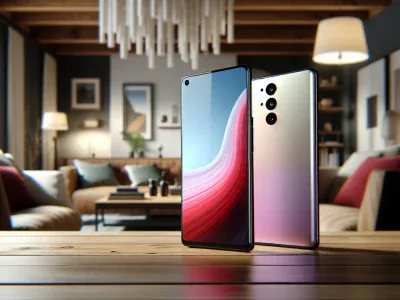
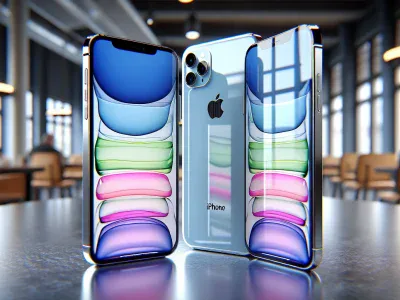
Picture holding two of Apple’s most advanced smartphones side by side—the iPhone 15 Pro and the highly anticipated iPhone 16 Pro. At first glance, they might seem like siblings cut from the same sleek, polished cloth. But beneath their stunning exteriors lies a world of innovation that could redefine how you interact with your device.
Are the upgrades in the iPhone 16 Pro groundbreaking enough to make you trade up, or does the iPhone 15 Pro still hold its ground as a powerhouse? From cutting-edge performance enhancements to subtle design tweaks, these flagship models bring more than just incremental changes. Whether you’re chasing faster speeds, better camera capabilities, or longer battery life, understanding what sets them apart can help you decide which one deserves a place in your pocket.
Design And Build Quality
The iPhone 15 Pro features a titanium frame, offering durability while reducing weight compared to previous stainless steel models. Its matte-textured glass back enhances grip and minimizes fingerprints. The device uses Ceramic Shield for the display, improving scratch resistance.
The iPhone 16 Pro reportedly retains the titanium build but introduces smaller bezels, creating a more immersive screen experience. Leaks suggest slightly taller dimensions, potentially making it less compact than its predecessor. Apple might refine button placements for better ergonomics.
Color options differ between these models. The iPhone 15 Pro comes in Natural Titanium, Blue Titanium, White Titanium, and Black Titanium shades. Early leaks indicate the iPhone 16 Pro could add exclusive finishes like Deep Red or Dark Gray to distinguish itself.
Both devices maintain an IP68 water resistance rating, ensuring protection against splashes and submersion up to 6 meters for approximately 30 minutes. But slight design tweaks on the iPhone 16 Pro may affect accessory compatibility with cases made for the older model.
These updates prioritize premium aesthetics and functionality across both versions but raise questions about whether subtle changes justify upgrading from one model to another.
Display And Performance
The iPhone 15 Pro and iPhone 16 Pro offer premium displays and powerful performance, but their differences could influence how you use them daily.
Screen Technology
Both models feature Super Retina XDR OLED displays with ProMotion technology for smooth scrolling and responsive touch. The iPhone 16 Pro is expected to introduce a slightly larger screen size, increasing from the 6.1-inch panel on the iPhone 15 Pro to approximately 6.3 inches, enhancing visibility during gaming or multitasking.
Brightness levels remain comparable, with peak HDR brightness reaching up to 2,000 nits in both devices for outdoor clarity. But, the iPhone 16 Pro may include micro-lens array (MLA) technology to reduce power consumption while maintaining display quality. This innovation could improve battery efficiency without sacrificing visual fidelity.
Color accuracy and support for HDR10+ content continue across both models, ensuring vibrant playback of movies and photos. Although bezel sizes are already minimal on the iPhone 15 Pro, Apple might achieve an even sleeker look by further reducing bezels on the iPhone 16 Pro.
Processor And Speed
The A17 Bionic chip powers the iPhone 15 Pro using a cutting-edge 3nm process that delivers exceptional performance per watt. For tasks like photo editing or augmented reality applications, you notice seamless operation without lagging issues.
Apple’s upcoming A18 Bionic chip in the iPhone 16 Pro is projected to refine this formula by offering faster CPU speeds and improved GPU capabilities—ideal for demanding users who rely on intensive apps or high-end mobile gaming. Benchmarks suggest a potential increase in single-core performance by around 10% compared to its predecessor while boosting multi-core scores as well.
Both models leverage Neural Engine enhancements for AI-driven features like live text recognition or Siri commands processing locally rather than through cloud servers alone—improving speed and privacy simultaneously.
Camera Comparison
The iPhone 15 Pro and iPhone 16 Pro both cater to photography enthusiasts, yet the latter promises notable upgrades that redefine mobile imaging.
Features And Upgrades
Both models feature a triple-lens rear camera system, but the iPhone 16 Pro introduces a periscope telephoto lens exclusive to its larger model. This addition enhances optical zoom capabilities up to 6x compared to the iPhone 15 Pro’s maximum of 3x. The primary sensor in the iPhone 16 Pro is expected to increase in size, improving low-light performance by capturing more light per pixel.
Apple’s Photonic Engine continues refining image processing on both devices, but software advancements in the A18 Bionic chip provide more precise color rendering and faster computational photography on the iPhone 16 Pro. For example, night mode shots may process quicker with less noise.
Video recording also sees enhancements. While both support Dolby Vision HDR at up to 4K60fps, rumors suggest the iPhone 16 Pro might enable cinematic mode at higher resolutions or frame rates. These updates could appeal strongly if you’re into professional-grade videography or content creation.
Photo And Video Quality
In terms of photo quality, images from the iPhone 15 Pro already display excellent detail and dynamic range under various lighting conditions. But, the larger sensor and improved optics in the iPhone 16 Pro offer sharper results with better texture reproduction for close-ups or landscapes.
Portrait photography benefits from advanced depth mapping on both models. On-device machine learning enables subject-background separation for realistic bokeh effects; still, refinements in edge detection are likely stronger on the newer device due to its upgraded Neural Engine.
Battery Life And Charging
Battery performance in the iPhone 15 Pro and iPhone 16 Pro demonstrates noticeable differences. The iPhone 15 Pro, equipped with a 3,274 mAh battery, offers up to 23 hours of video playback under normal conditions. In contrast, the iPhone 16 Pro is rumored to feature an upgraded power cell around 3,500 mAh. This increase supports extended usage times, particularly beneficial for users engaging in gaming or streaming.
Charging technology also sees refinement. Both models support USB-C connectors but differ in speeds. The iPhone 15 Pro includes up to 20W wired charging and MagSafe wireless compatibility at a maximum of 15W. Speculation surrounding the iPhone 16 Pro suggests faster wired charging capabilities exceeding 27W, reducing downtime between charges.
Efficiency improvements through hardware upgrades play a pivotal role as well. With its A17 Bionic chip’s advanced energy management system, the iPhone 15 Pro delivers consistent performance across daily tasks without excessive drain. But, Apple’s expected introduction of the A18 Bionic chipset allows the iPhone 16 Pro to optimize energy consumption further by leveraging micro-lens array technology on its display.
For eco-conscious users prioritizing sustainability alongside performance, both models include battery health features designed to prolong longevity. Examples include optimized charging modes that learn your habits and adapt accordingly over time to minimize degradation risks.
Understanding your lifestyle can dictate which model aligns better with expectations—whether it’s maximizing screen-on time for work or ensuring rapid recharge during short breaks matters when evaluating these devices’ daily practicality.
Software And Features
Apple’s iOS ecosystem plays a critical role in differentiating the iPhone 15 Pro and iPhone 16 Pro. Both models aim to deliver enhanced user experiences with optimized software capabilities.
Operating System
The iPhone 15 Pro runs on iOS 17, offering features like StandBy Mode, Contact Posters, and improved autocorrect functionality. The interface prioritizes personalization and productivity, making it easier to multitask or access widgets on the go.
In contrast, the iPhone 16 Pro debuts with iOS 18, integrating advanced AI-driven tools for more seamless operation. Updates include smarter Siri interactions that function offline and an upgraded Live Voicemail feature capable of transcribing messages in real-time with greater accuracy. Enhanced privacy controls also expand app tracking transparency options.
Both devices receive regular updates from Apple but do note that newer hardware-specific features—such as those leveraging the A18 Bionic chip in the iPhone 16 Pro—may not be backward-compatible with older models.
Unique Features
Each model introduces distinct functionalities tailored to modern users’ needs. On the iPhone 15 Pro, Action Button customization replaces the mute switch, allowing you to prioritize shortcuts for camera access or voice memos instantly. This tactile upgrade simplifies navigation during daily tasks.
The iPhone 16 Pro expands its offerings by introducing VisionPro integration, enabling compatibility with Apple’s AR/VR headset for immersive content creation or gaming experiences. Also, new accessibility tools make it easier for visually impaired users to interact through enhanced VoiceOver gestures paired with haptic feedback improvements.
For gamers, both models support console-level graphics rendering; but, MetalFX upscaling exclusive to the A18 Bionic chip ensures smoother frame rates on demanding titles when using an iPhone 16 Pro.
Whether you’re upgrading for innovation or performance sustainability depends largely upon how deeply these features align with your digital lifestyle preferences.
Price And Value
The iPhone 15 Pro starts at $999 for the base 128GB variant, while the iPhone 16 Pro is anticipated to launch with a starting price of $1,099. This $100 difference reflects the hardware and software upgrades in the newer model. For example, the inclusion of the A18 Bionic chip and enhanced camera capabilities in the iPhone 16 Pro may justify this increase for users seeking cutting-edge technology.
Storage options also play a role in determining value. Both models offer configurations up to 1TB, but if you’re opting for higher storage tiers, such as 512GB or 1TB, consider whether you’ll use these capacities fully. The cost-to-benefit ratio is essential when deciding between these two devices.
Trade-in programs add another layer of value comparison. Apple typically offers trade-in credits that can reduce upgrade costs significantly. If you own an iPhone 15 Pro in good condition, trading it in toward an iPhone 16 Pro might offset much of its higher price.
Subscription bundles like Apple One enhance overall value by combining services such as iCloud+, Apple Music, and Apple TV+. If you’re already invested in Apple’s ecosystem, upgrading to the latest device can maximize your experience through seamless integration with these services.
Assessing long-term usability helps determine which model provides better value. While both phones support regular software updates for years after release, investing in newer hardware ensures compatibility with future features longer than sticking with older models might allow.
Understanding your usage patterns clarifies whether spending extra on upgrades aligns with your needs or if maintaining ownership over the current-generation smartphone suffices financially and functionally.
Conclusion
Choosing between the iPhone 15 Pro and iPhone 16 Pro eventually depends on your priorities and how much you value the upgrades. If you’re looking for cutting-edge features like enhanced camera zoom, improved performance, or a larger battery, the iPhone 16 Pro might be worth considering. But, if you’re satisfied with exceptional performance and premium design without stretching your budget further, the iPhone 15 Pro remains a solid option.
Both models deliver top-tier quality and innovation that cater to different needs. By evaluating what matters most in your daily usage—whether it’s gaming, photography, or extended battery life—you can confidently decide which device aligns best with your lifestyle.
Published: July 25, 2025 at 9:29 am by Ellie B, Site owner & Publisher
To provide the best experiences, we use technologies like cookies to store and/or access device information. Consenting to these technologies will allow us to process data such as browsing behaviour or unique IDs on this site. Not consenting or withdrawing consent, may adversely affect certain features and functions.
Functional
Always active
The technical storage or access is strictly necessary for the legitimate purpose of enabling the use of a specific service explicitly requested by the subscriber or user, or for the sole purpose of carrying out the transmission of a communication over an electronic communications network.
Preferences
The technical storage or access is necessary for the legitimate purpose of storing preferences that are not requested by the subscriber or user.
Statistics
The technical storage or access that is used exclusively for statistical purposes.The technical storage or access that is used exclusively for anonymous statistical purposes. Without a subpoena, voluntary compliance on the part of your Internet Service Provider, or additional records from a third party, information stored or retrieved for this purpose alone cannot usually be used to identify you.
Marketing
The technical storage or access is required to create user profiles to send advertising, or to track the user on a website or across several websites for similar marketing purposes.